

Fast-changing furniture and construction industries are putting pressure on distributors. Staying ahead in edge banding supply can make or break your growth in 2026.
Distributors who understand market drivers, material trends, regional demand, and pricing strategies can capture more opportunities and reduce risk. Planning ahead is key.
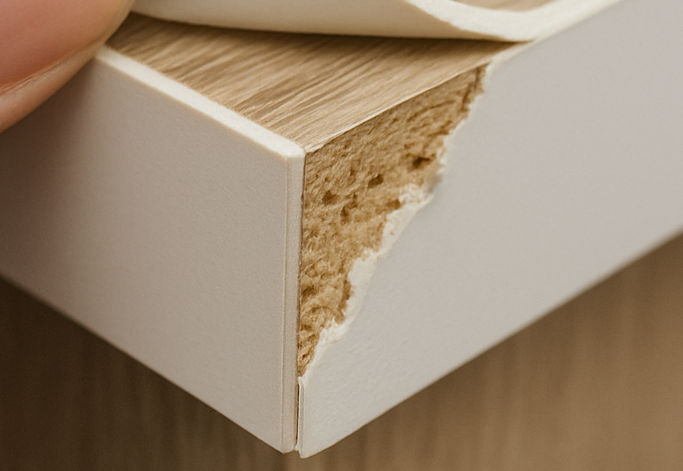
The 2026 market offers both challenges and opportunities for edge banding distributors. Let’s explore what’s shaping the landscape and how you can benefit.
What Are the Key Growth Drivers in the 2026 Edge Banding Market?
Fast market growth often hides unexpected challenges. Many distributors struggle to keep up with rising demand and changing customer needs.
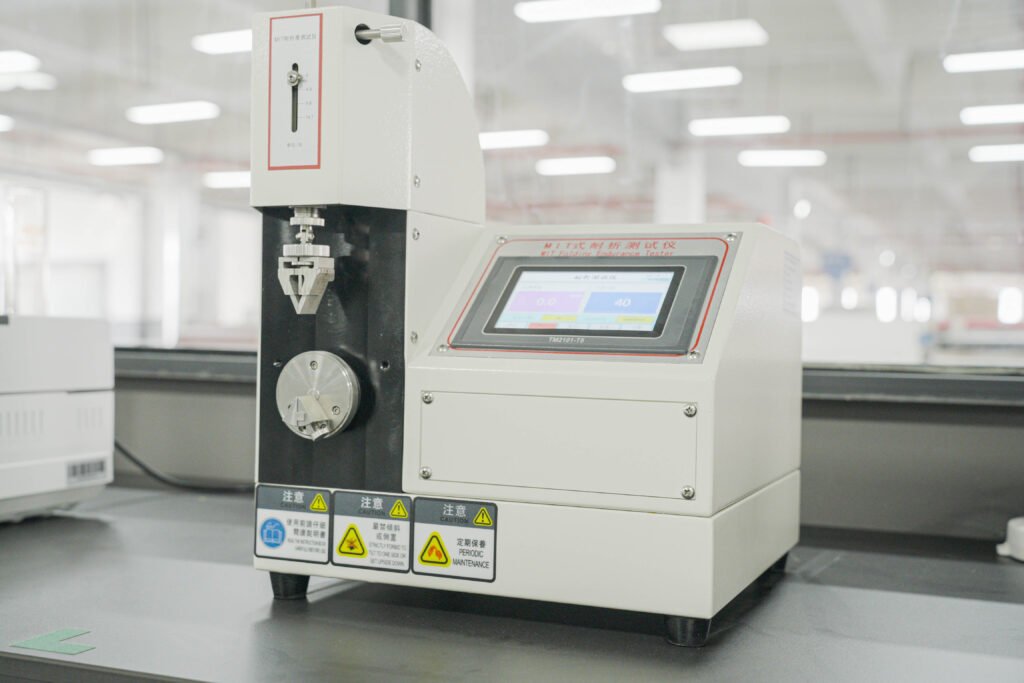
The main growth drivers include increased furniture production, renovation projects, environmental regulations favoring eco-friendly materials, and technological adoption like laser edge banding.
Dive Deeper
Three primary forces are driving the edge banding market:
1. Furniture Industry Expansion
Furniture production is rising worldwide. Urbanization and rising disposable incomes drive home and office furniture demand. More furniture means more edge banding required.
| Region | Furniture Production Growth 2026 |
|---|---|
| North America | 4.5% |
| Europe | 3.2% |
| Asia | 6.8% |
2. Renovation & Construction
Renovation projects are pushing demand for decorative and functional finishes. Edge banding is preferred for aesthetics and durability. Contractors increasingly request fast delivery and customized options.
3. Technology & Eco-Friendly Materials
Laser edge banding, PVC alternatives, and recyclable ABS appeal to manufacturers. Eco-friendly certifications attract clients who prioritize sustainability, influencing distributor stock decisions.
Which Edge Banding Materials and Technologies Are Gaining Popularity?
Distributors often wonder whether to stock PVC, ABS, or laser-ready edge banding. Making the wrong choice can reduce sales and increase returns.
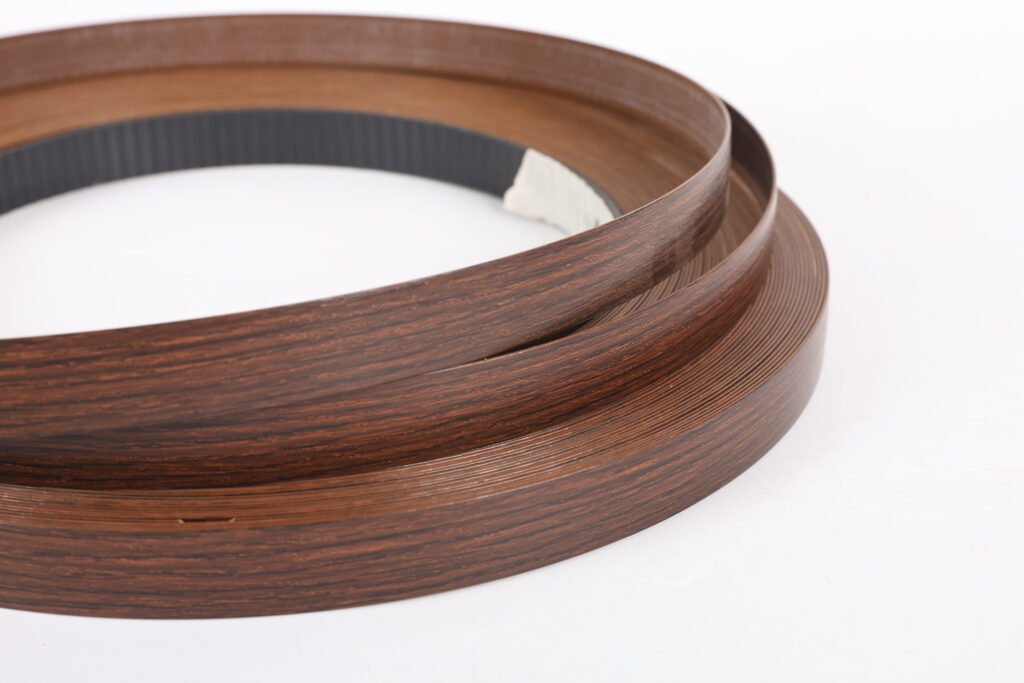
Laser edge banding, high-quality PVC, and ABS with enhanced durability are gaining popularity due to performance, sustainability, and aesthetics.
Dive Deeper
Material Comparison
| Material | Durability | Cost | Popularity Trend |
|---|---|---|---|
| PVC | Medium | Low | Stable |
| ABS | High | Medium | Rising |
| Laser-Ready | High | High | Rapid Growth |
Technology Trends
- Laser edge banding enables precise, glue-free finishes.
- Quick-curing adhesives are improving efficiency.
- Automated coating machines reduce defects, increasing appeal for large orders.
Distributors who align inventory with these trends gain a competitive advantage.
How Are Regional Markets Shaping Opportunities for Distributors and Wholesalers?
Regional demand varies due to local furniture production, regulations, and consumer preference. Ignoring these differences risks inventory mismatches.
North America and Europe prioritize sustainable, high-quality edge banding, while Asia focuses on cost-effective materials and high-volume supply.

Dive Deeper
North America & Europe
- Eco-friendly edge banding is growing.
- Distributors must provide consistent quality and fast delivery.
Asia-Pacific
- Price sensitivity is high.
- Bulk orders dominate.
- Manufacturing hubs allow quick sourcing.
Middle East & Latin America
- Growth driven by urban development and furniture imports.
- Demand for mid-range, reliable edge banding is rising.
What Pricing Trends and Profit Margins Can Distributors Expect in 2026?
Pricing fluctuations affect profitability. Distributors must balance cost, margin, and competitive pricing to succeed.
PVC remains cost-effective, ABS offers better durability, and laser edge banding commands higher prices. Profit margins vary by material and order size.

Dive Deeper
Cost vs Margin Table
| Material | Average Wholesale Cost | Typical Margin | Notes |
|---|---|---|---|
| PVC | $0.25/m | 20-25% | High volume orders reduce cost |
| ABS | $0.35/m | 25-30% | Popular for premium furniture |
| Laser Edge | $0.55/m | 30-40% | Niche market, high ROI |
Insights
- Bulk orders lower per-unit cost.
- Quick delivery reduces stock holding costs.
- Premium products provide higher margins but require marketing to justify pricing.
How Can Distributors Position Themselves to Capture Emerging Opportunities?
Distributors must adapt to trends and align operations for market growth. Doing nothing risks losing share to more agile competitors.
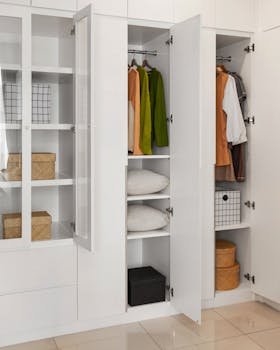
Strategies include stocking trending materials, offering faster delivery, targeting high-growth regions, and investing in customer relationships.
Dive Deeper
Key Strategies
- Stock Alignment – Focus on PVC, ABS, and laser-ready materials.
- Fast Delivery – Maintain ready-to-ship inventory to win urgent orders.
- Market Focus – Expand in high-growth regions like Asia-Pacific and Europe.
- Customer Engagement – Provide technical advice, sample support, and loyalty incentives.
- Sustainability Focus – Offer eco-certified materials to meet regulatory and client demand.
Distributors executing these strategies can capture growth while minimizing risk and inventory waste.
Conclusion
2026 offers strong opportunities for edge banding distributors who understand market drivers, materials, regions, pricing, and operational strategy. Acting early secures growth and profitability.
Data Sources:
- Smithers Pira, Wood Coatings & Edge Banding Market Report 2026, https://www.smithers.com
- Grand View Research, Edge Banding Market Analysis 2026, https://www.grandviewresearch.com
- Woodworking Network, Trends in Edge Banding Materials, https://www.woodworkingnetwork.com