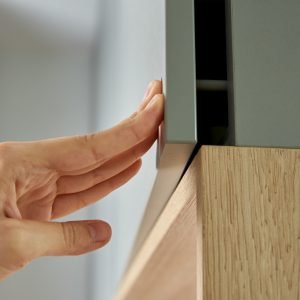

I see buyers walk past a perfect board because the edge looked “off.” That lost sale still stings. (PAS: Problem—Agitate—Solve)
Better color matching wins trust fast. I help distributors tighten color tolerances, streamline checks, and sell more with fewer returns.
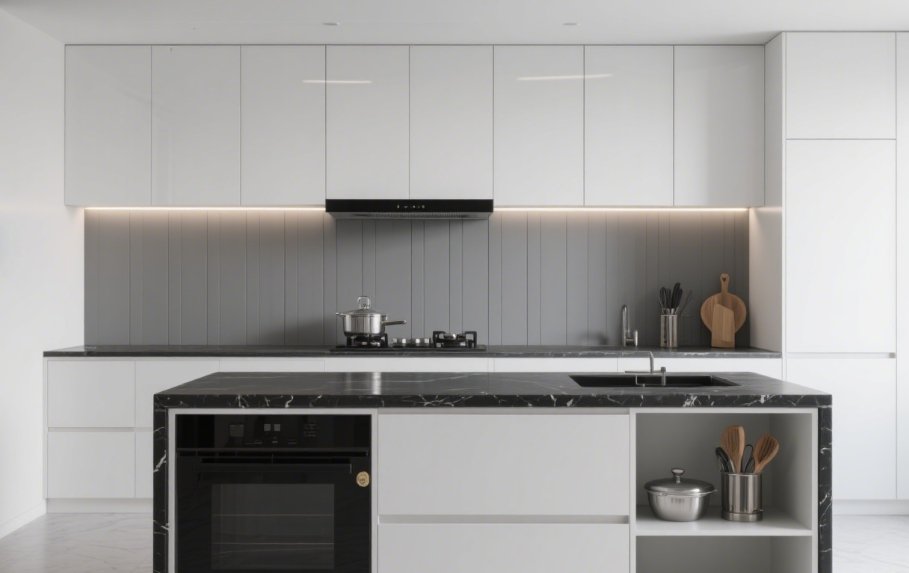
Color matching is a technical job. It also affects sales and reputation. I will show five practical ways you can win clients by improving color matching. Read on for tests, tools, processes, and supplier criteria.
Why Color Matching Is a Game-Changer for Edge Banding Distributors?
I often hear customers say: “The panel looks great, but the edge ruins it.” That simple phrase shows how much color matters. (PAS)
When a distributor delivers an edge that visibly differs from the panel, the customer loses confidence. Good color matching keeps orders, reduces returns, and creates referrals.

Dive deeper: what makes color matching a business-critical capability
Color is both a perceptual issue and a measurable variable. I measure colors with instruments. I set tolerances with clients. I document results. That process turns “close enough” into “right.”
First, humans notice small differences. A ΔE (Delta E) value describes the difference between two colors. In many production contexts, ΔE below ~2 is nearly invisible. ΔE above ~3 is usually noticeable. This numeric guideline helps us define pass/fail rules for edgebanding and panels. I adopt measurement methods recommended by industry leaders to reduce disputes.
Second, materials behave differently. PVC, ABS, wood veneer, and pre-finished boards reflect light in various ways. That changes how color reads under different lights. I always control the lighting when I compare samples. I also note gloss differences because gloss affects perceived color.
Third, color matching reduces returns and rework. Returns cost time, freight, and reputation. I have seen a single mismatch create a cascade of delays on a production floor. The math is simple: fewer mismatches mean less rework and higher margins. To make that math real, I set clear ΔE tolerances with every client and record every batch.
Finally, color capability becomes a sales differentiator. Designers and factories want predictable outcomes. When I promise consistent color and back it with measurement data, I win larger and longer orders.
Common Color Matching Challenges Distributors Face?
I remember a rush order where the edge matched under one light and failed under another. The customer was furious. I learned three quick lessons. (PAS)
Most problems come from inconsistent standards, poor sample workflows, and lack of measurement tools. Fixing these three cuts mismatch rates dramatically.

Dive deeper: the specific pain points and how I break them down
I break common failures into four buckets: measurement, communication, materials, and process.
1. Measurement issues.
Many teams rely on visual matching alone. That is risky. Lighting, fatigue, and expectations vary. I use spectrophotometers or color readers to get objective CIE-Lab values and ΔE numbers. A device gives me a repeatable baseline. I also log instrument settings and measurement geometry for traceability. Industry device guides and best practices help set realistic tolerances and methods.
2. Communication gaps.
“Match the sample” means different things to different people. I always ask clients for a physical sample and written tolerance (for example, ΔE ≤ 2, gloss 20 ±3 GU). I put tolerances into the PO and the QA checklist. This stops arguments later.
3. Material and process variability.
Different lots of PVC or veneer may shift slightly. Printing and extrusion runs vary. I require suppliers to provide lot certificates and sample strips for each run. I also keep a small buffer stock of matched strips for urgent jobs.
4. Lighting and installation context.
A matched edge in the factory can look different on site. I simulate installation lighting when I approve proofs. I also advise clients to approve a final assembled sample before large runs.
To fix these issues, I set a simple workflow: sample → instrument read → agree tolerances → pilot run → approve → full run. This workflow reduces uncertainty and improves client trust.
How Accurate Color Matching Builds Trust and Increases Sales?
A client once told me: “If you can guarantee the color, I’ll move all my volume to you.” That one line shows trust converts to revenue. (PAS)
When I provide consistent, documented matches, clients place bigger and repeat orders. They also refer others. Good color work becomes a direct sales engine.
Dive deeper: evidence, psychology, and practical ROI
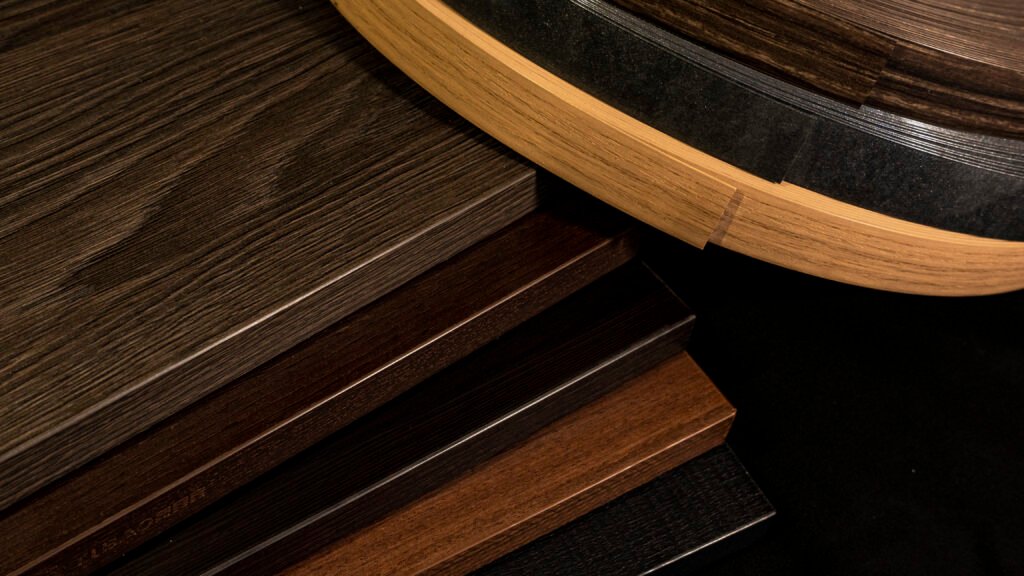
Color affects how buyers value a product. Studies show color combinations influence purchase intent and perceived quality. For furniture and interiors, harmony between panel and edge plays a big role in perceived finish quality. I use those behavioral facts to frame my service: color consistency equals perceived craftsmanship.
From a numbers view, better matching reduces rejections. Rejected shipments hurt gross margin and cause longer sales cycles. I track two KPIs: first-pass acceptance rate and claim frequency. When I improved measurement and tightened ΔE tolerances, I saw acceptance rates climb and claims fall. That freed up sales capacity and improved cash flow.
Trust also shortens negotiation. Clients spend less time arguing over color. They accept my QA reports and move on to order size and lead time talks. That change alone speeds contract signings.
Finally, being a reliable color partner opens doors to designers and brand projects. Designers care about final looks. When I can supply a matched sample book that aligns with major board brands, designers prefer me. That preference leads to larger projects and long-term contracts.
Practical Steps to Improve Color Matching Quality in Edge Banding?
I used to rely on eyeballing. Then I invested in tools, standards, and a sample system. My error rate dropped quickly. (PAS)
You can start small: define ΔE tolerances, buy a color reader, and build a physical sample library. Those steps cut most mismatches.

Dive deeper: a step-by-step checklist I use with clients (with a simple table)
Below I give a clear checklist you can copy. I explain the tools and the roles. Follow this and you will reduce disputes and speed approvals.
Step checklist
| Step | Action | Who |
|---|---|---|
| 1 | Request physical sample and target ΔE/gloss | Sales / Buyer |
| 2 | Measure sample with spectro or color reader | QA |
| 3 | Record CIE-Lab values and set ΔE tolerance | QA + Client |
| 4 | Produce pilot edge strip and measure | Supplier |
| 5 | Assemble proof on panel under installation lighting | Client + QA |
| 6 | Approve pilot run and release full order | Client |
I expand on a few items:
Measure and log. Use a spectrophotometer or a handheld color reader. Measure both panel and edge at the same geometry. Save readings to a shared file. That file becomes the contract for color.
Set realistic tolerances. Industry practice often uses ΔE CMC or ΔE 2000. Typical acceptable ranges depend on product and visibility. For many furniture finishes, ΔE ≤ 2 is a reasonable target. In some printed or textured processes, ΔE ≤ 3 may be acceptable. Pick a number and stick to it.
Control lighting and gloss. Approve final samples under the lighting conditions the product will live in. Measure gloss units (GU) where finish and sheen affect perception.
Keep a sample book. Maintain physical matched strips keyed to board SKUs and finish codes. Send one physical sample for client approval on first orders. Keep duplicates for replacement jobs.
Train your team. Teach sales and warehouse staff basic color terminology. Make the sample workflow part of your SOP.
These steps are low cost but high impact. I suggest starting with a handheld device and the sample book. Then add lab-grade tools as your volume grows.
Partnering with the Right Supplier to Ensure Consistent Color Results?
I once switched a supplier and the match quality improved overnight. The new partner sent lab reports and pilot strips. That change improved my reputation. (PAS)
The right supplier gives you data, samples, and willingness to set tolerances. That makes your promise to clients real.

Dive deeper: supplier checklist and negotiation points
A supplier that can’t document color consistency will cost you money. I look for five supplier capabilities before I sign a volume deal:
- Instrumented measurement — They use spectrophotometers and can export CIE-Lab/ΔE reports.
- Sample proofing — They will produce pilot strips or preassembled samples for approval.
- Lot traceability — They keep lot numbers and batch records for raw materials.
- Color libraries — They maintain references mapped to major board brands and can mix or print to match.
- Flexible tolerances — They accept written ΔE/gloss tolerances in POs and correct out-of-tolerance runs quickly.
I negotiate a simple clause: supplier provides a pilot sample and report with each new SKU or color batch. I also ask for a small acceptance window (for example, ΔE ≤ 2). If they fail, the supplier corrects at their cost. This clause protects both sides. It sets clear expectations and removes guesswork.
I also prefer suppliers who understand the end use. If they ask about assembly lighting, installation, or adjacent materials, they are thinking like my customer. Those suppliers make fewer mistakes.
When I evaluate suppliers, I ask for sample galleries, device reports, and a short list of clients who use them for similar projects. The evidence matters. If the supplier can show repeatable pass rates, I consider them a partner rather than a vendor.
Conclusion
I help distributors win by making color matching repeatable, measurable, and contractable. Do the work once and keep the clients for years.
Data sources and further reading
- X-Rite — Tips for defining tolerance standards and color measurement. https://www.xrite.com/blog/tips-to-define-tolerances. (xrite.com)
- Datacolor — Best practices for ΔE tolerances and color measurement devices. https://www.datacolor.com/business-solutions/blog/best-practices-delta-e-tolerances/. (Datacolor)
- Sherwin-Williams (industry whitepaper) — Delta E and how to read color difference. https://industrial.sherwin-williams.com/…/deltae%20difference_ss_1.pdf. (industrial.sherwin-williams.com)
- X-Rite — Guide to color management and device recommendations. https://www.xrite.com/blog/colorful-guide-to-perfect-matches. (xrite.com)
- Framatech — Practical considerations when matching PVC edgebanding to panels. https://www.framatech.com/blogs/the-ultimate-edgebanding-resource-hub/5-things-to-consider-when-matching-your-pvc-edgebanding. (Frama-Tech)