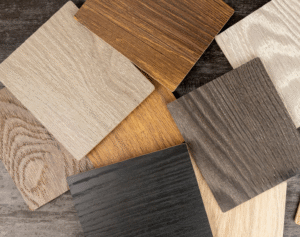

Buying edge banding in China can be risky. Low prices hide quality issues. I show a clear, step-by-step way to buy with confidence.
To buy edge banding in China, focus on material choice, color match, supplier verification, sample testing, and clear contracts. Use B2B platforms, factory checks, and small trial orders to reduce risk.
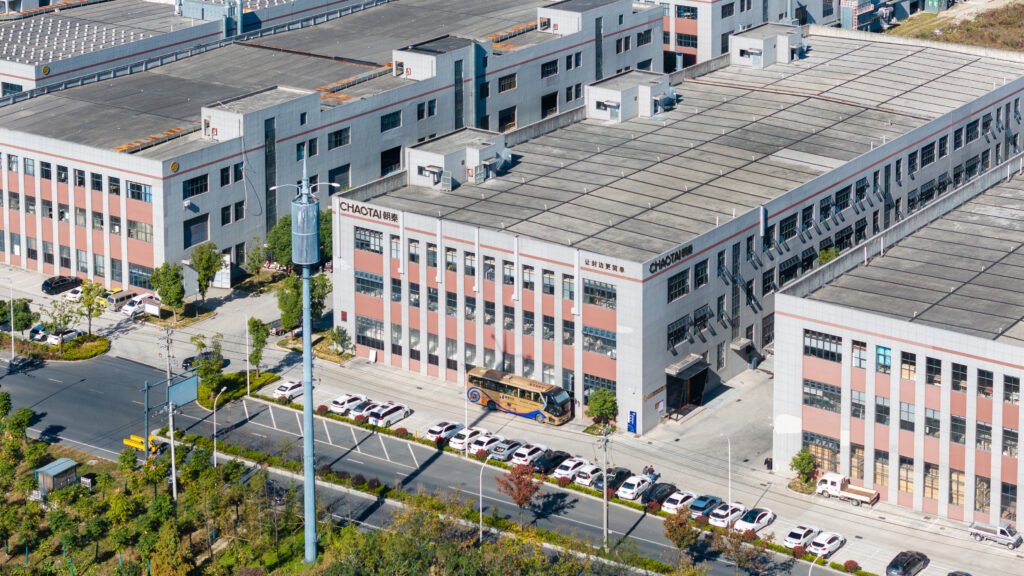
I will walk you through the market, the key checks, where to find suppliers, negotiation tactics, and common mistakes. I write from hands-on sourcing work. Read to the end for practical checklists.
Understanding the Edge Banding Market in China?
Buying from China starts with the market. If I know the market, I make better choices. The problem is noisy data and many seller claims.
China is a major producer of edge banding. The global edge banding materials market was about USD 1.6 billion in 2024 and is expected to grow strongly. Asia-Pacific held a large share of that market.

Dive deeper: market structure, materials, and price signals
I check three things first: market size and growth, dominant materials, and price signals. These facts shape my supplier choices.
Market size and region. The edge banding materials market sits around USD 1.5–1.6 billion in the mid-2020s and shows strong CAGR projections. Asia-Pacific is a leading region in production and demand. This means many factories and many offers, both good and bad.
Materials you will meet. The most common materials are PVC and ABS. Acrylic and PET or veneer banding also appear for higher-end jobs. PVC is cheap and wide-ranging in finish. ABS is stronger and gaining traction for environmental and durability reasons. Manufacturers advertise all of these.
Price signals and MOQs. Price varies by material, finish, thickness, and order size. On Chinese B2B listings, FOB prices for PVC/ABS range widely—typical offers often show low-cent-per-meter numbers for large MOQ, and slightly higher prices for small custom runs. Expect listed FOB ranges from about US$0.01 to US$0.30 per meter depending on specs and order quantity. MOQs often sit at several thousand meters for low-cost listings.
Quick comparison table: common materials
| Material | Strengths | Typical use | Typical FOB price range (per meter) |
|---|---|---|---|
| PVC | Cheap, many finishes | Standard kitchen cabinets, economy furniture | $0.01–$0.20 |
| ABS | More impact resistant, recyclable | Higher-use furniture, edges with stress | $0.03–$0.30 |
| Acrylic | High gloss, premium look | High-end cabinets, retail fixtures | $0.05–$0.50 |
| Veneer / wood tape | Natural look | Solid wood furniture edges | Varies widely, premium pricing |
I treat market facts as guidance, not rules. Prices change by color, embossing, glue type, and volume. I always confirm with samples.
Key Factors to Consider Before Purchasing Edge Banding?
I often see buyers focus only on price. That causes problems. I want you to think wider. The right checks save time and money.
Choose material, verify color match, confirm adhesive type, check tolerances, and validate compliance and tests before ordering.

Dive deeper: the technical checklist that matters
When I evaluate edge banding, I follow a short technical checklist. I use this checklist for samples and for contract clauses.
1. Color and pattern matching. Color is the top complaint. Photos deceive. The human eye in different lights sees differences. I ask for physical samples or color cards. I also ask suppliers to print batch codes and provide a color tolerance spec (e.g., ΔE). If the job must match a specific board brand (like Egger or other collections), I send the actual board sample. Sellers often claim “perfect match” but only samples prove it.
2. Thickness and dimensional tolerance. Edge banding must fit the machine and board thickness. I confirm thickness (e.g., 0.4mm, 1mm) and width (e.g., 19mm, 22mm). I ask for tolerance +/- values. Bad tolerance leads to wasted parts.
3. Adhesive type and application. Decide between pre-glued (hot melt) and non-glued rolls. For pre-glued, check glue temperature range and bond test data. For post-glue processes, ask for recommendations on hot-melt adhesive grade. Wrong glue causes delamination.
4. Durability tests. Request basic test reports: peel strength, heat resistance, water resistance, and abrasion. Use third-party labs when needed (SGS/Intertek). Many factories will cooperate for a fee.
5. Environmental and compliance checks. For export to the EU or other regulated markets, ask for RoHS, REACH, or other certificate evidence if relevant. Some buyers also prefer low-VOC or phthalate-free PVC.
Table: minimum sample & test checklist I use
| Item | Why I ask | My minimum acceptance |
|---|---|---|
| Physical sample | Real color and finish | Full 200–500 mm sample strip |
| Peel test | Adhesion reliability | > 2.5 N/cm (example threshold) |
| Heat test | No bubbling at use temp | No deformation at 60–80°C |
| Dimensional report | Fit and machine compatibility | Tolerance within ±0.05 mm |
| Certification | Regulatory safety | SGS / ISO documents if needed |
I do small paid lab tests when the order is large. I also keep a fixed checklist in every PO.
How to Find Reliable Edge Banding Suppliers in China?
Finding a supplier is noisy. Many listings, few reliable vendors. I avoid the wild offers and focus my search.
Use verified B2B platforms, ask for factory photos and audits, get references, and visit or hire inspections when volume justifies it.
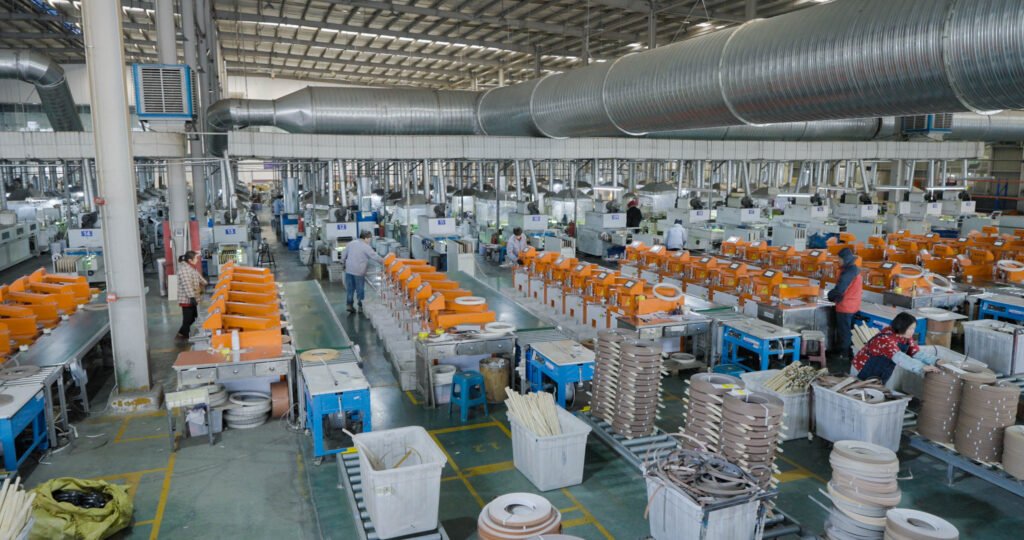
Dive deeper: channels, verification steps, and selection matrix
I use a staged approach: shortlist, verify, sample, audit.
Channels I use.
- B2B platforms (Alibaba, Made-in-China). Good for initial contact and price checks.
- Trade shows and exhibitions. Useful for meeting reps and inspecting products in person.
- Sourcing agents and local networks. They help with language and visits.
- Direct factory websites and industry directories. Some factories keep up-to-date catalogs and show capacity.
Verification steps I take.
- Check company registration and export history.
- Ask for ISO 9001 or equivalent quality system proof.
- Request recent SGS or third-party test reports for the exact product.
- Ask for sample photos under standard light or in situ with your board.
- Request client references and small trial orders.
Why visits matter. A factory visit quickly shows capacity, raw material storage, and production lines. If I cannot visit, I hire a local inspector for an audio-visual inspection and pre-shipment check.
Supplier selection pros and cons table
| Channel | Pros | Cons |
|---|---|---|
| Alibaba / Made-in-China | Fast quotes, many choices | Many trading companies, mixed quality. Verify factory. |
| Trade show | See products, meet reps | Time and travel cost |
| Local sourcing agent | Saves language/time | Agent fee; choose agent carefully |
| Direct factory contact | Fewer middlemen | Harder to find good factories without leads |
I treat initial chats with suppliers as tests. Good suppliers answer specific technical questions fast. Slow or vague replies are red flags.
Tips for Negotiating Prices and Ensuring Product Quality?
I used to chase the lowest quote. That lost me money. Now I trade price for guarantees. I expect clear terms.
Negotiate on MOQ, lead time, and payment terms. Require samples, tests, and clear quality clauses in contracts. Use third-party inspections for large orders.

Dive deeper: practical negotiation levers and quality enforcement
When I negotiate, I separate price from risk.
Price levers I use.
- Order volume. Larger volumes reduce unit cost. I decide target volume and breakpoints.
- Standardization. Use fewer SKUs to lower tooling and color setup costs.
- Lead time. Longer lead time can lower price, but I balance cash flow needs.
- Packaging. Simplify packaging to reduce cost.
Quality levers and enforcement.
- Paid samples: I pay for production samples, not only prototypes. These show mass-production quality.
- Contract clauses: I include acceptance criteria, penalties for out-of-spec, and rework timelines. I list test methods and labs.
- Third-party inspection: I hire inspection for pre-shipment checks for major orders. Inspectors verify quantity, labeling, and basic tests.
- Lab testing: For big or critical orders, I send samples to SGS or Intertek for peel, heat, and chemical checks. This costs more but protects me.
Negotiation checklist and sample sizes
| Topic | My request | Why |
|---|---|---|
| Sample type | Production sample, 200–500 mm | Real finish and glue result |
| Payment terms | 30% deposit, 70% on BL or after inspection | Balances risk |
| Inspection | Third-party pre-shipment check | Catch defects before shipping |
| Penalty | Replace or refund for failures | Enforces supplier responsibility |
I never accept vague promises. I write clear specs into the PO. I attach sample IDs and photos.
Common Mistakes to Avoid When Sourcing Edge Banding in China?
I have seen the same mistakes many times. Cheap price without checks causes the most damage. I want you to avoid these mistakes.
Don’t buy the cheapest quote without samples. Don’t skip color tests. Don’t forget to clarify glue and tolerance. Don’t ignore shipping and Incoterms.
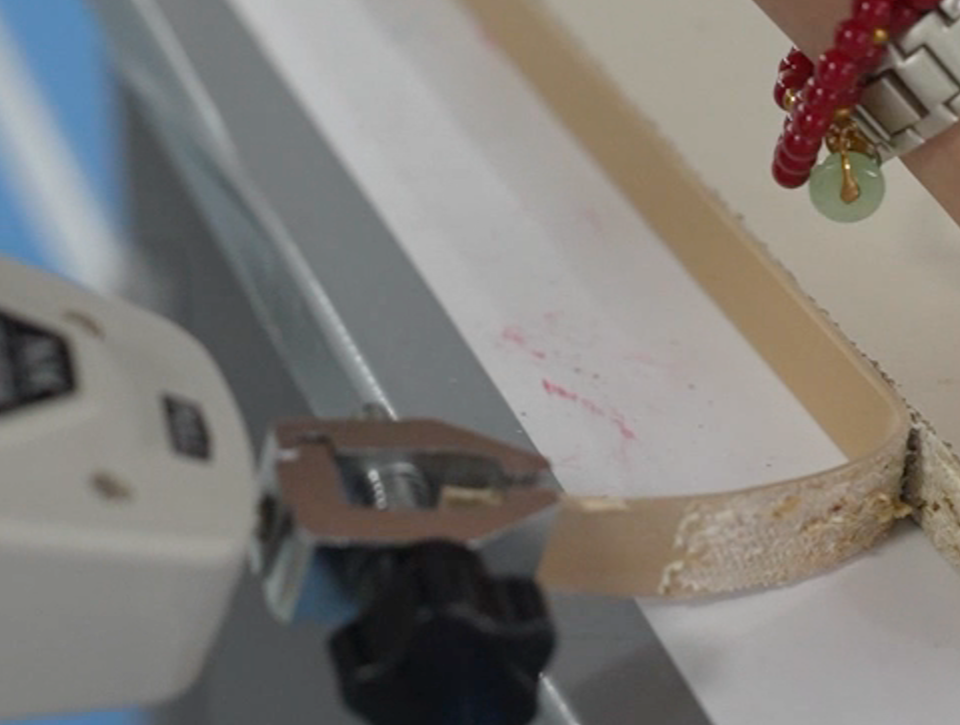
Dive deeper: mistakes, causes, and my fixes
Here are the common traps and how I fix them.
Mistake 1 — Chasing lowest price only. Cause: pressure to lower cost. Result: color mismatch, weak glue, or wrong size. Fix: ask for production samples, test them, and compare total landed cost (unit + shipping + rework).
Mistake 2 — Ignoring color tolerances. Cause: trusting photos. Result: mismatched furniture runs. Fix: supply physical samples or send your board; request ΔE tolerance or color card proof.
Mistake 3 — Not confirming glue and heat specs. Cause: assuming “pre-glued is pre-glued.” Result: delamination in production. Fix: include glue type and melt range in the order.
Mistake 4 — Skipping QC and inspections. Cause: saving small sums on inspection. Result: bulk defects. Fix: require third-party checks for larger shipments.
Mistake 5 — Poor contract terms. Cause: casual exchange via chat. Result: weak recourse. Fix: put technical specs, sample IDs, test methods, payment terms, and penalties in the PO or sales contract.
Mistake vs fix table
| Mistake | Why it happens | My fix |
|---|---|---|
| Lowest price only | Cost pressure | Test samples, compute landed cost |
| Skipping samples | Time saving | Always order paid production sample |
| Vague specs | Informal chat | Put specs in PO, attach photos |
| No inspection | Save money | Hire third-party inspector for large loads |
| No penalties | Trusting handshake | Add clear penalties for out-of-spec |
I learned these by losing orders that had to be reworked. Now I budget a small percent of the order for sample and inspection. It saves me more later.
Conclusion
I recommend samples, clear specs, verified suppliers, and inspections to buy edge banding from China safely.
Data sources (names and links)
- IMARC Group — Edge Banding Materials Market Size, 2024 report. https://www.imarcgroup.com/edge-banding-materials-market (IMARC Group)
- Coherent Market Insights — Edge Banding Materials Market, 2025–2032 forecast. https://www.coherentmarketinsights.com/industry-reports/edge-banding-materials-market (Coherent Market Insights)
- Made-in-China — Edge banding manufacturers and listings. https://www.made-in-china.com/manufacturers/edge-banding.html (中国制造网)
- MM (Made-in-China hot products) — Wholesale PVC Edgebanding price examples and MOQs. https://mm.made-in-china.com/hot-china-products/Wholesale_Pvc_Edgebanding.html (中国制造网)
- Alibaba — PVC edge banding listings and price signals. https://www.alibaba.com/countrysearch/CN/pvc-edge-banding.html (Alibaba)
- Bestingroup / Ultimate Guide — Practical sourcing guide for buying edge banding from China. https://www.bestingroup.com/buy-edge-banding-from-china-ultimate-guide/ (bestingroup.com)
- LinkedIn article — Step-by-step importing and sourcing guide. https://www.linkedin.com/pulse/buy-edge-banding-from-china-ultimate-guide-stephen-zhang-4cwdc (领英)