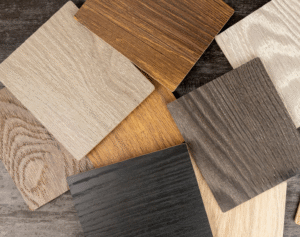
Edges peel, colors drift, and customers complain. That wastes time and money. I will explain ABS composition and the production steps so you can avoid those mistakes.
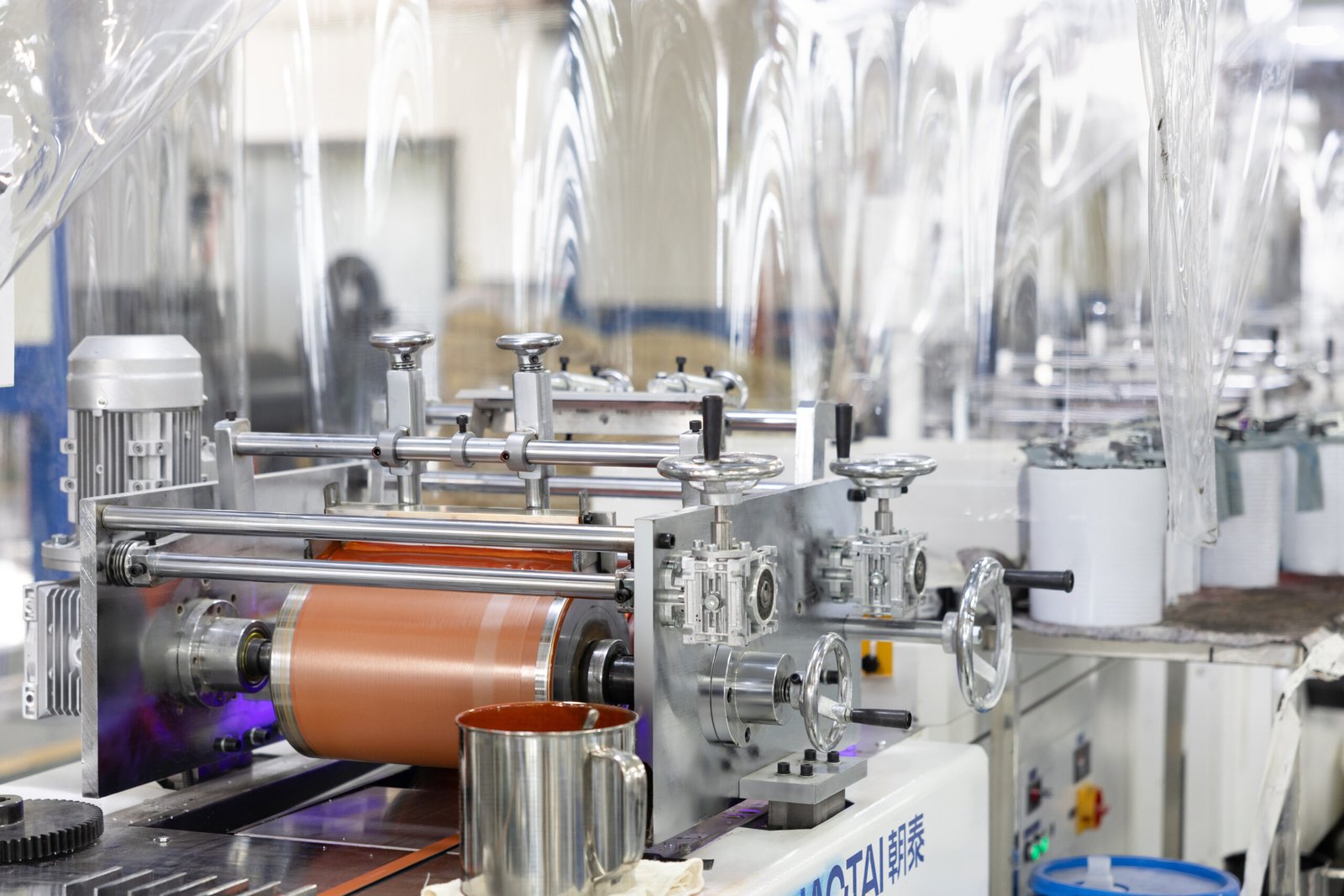
ABS edge banding is a thermoplastic strip made from acrylonitrile, butadiene and styrene. Producers compound the resin, extrude it into tapes, add color or texture, emboss or print the surface, then rewind rolls for quality checks and shipment.
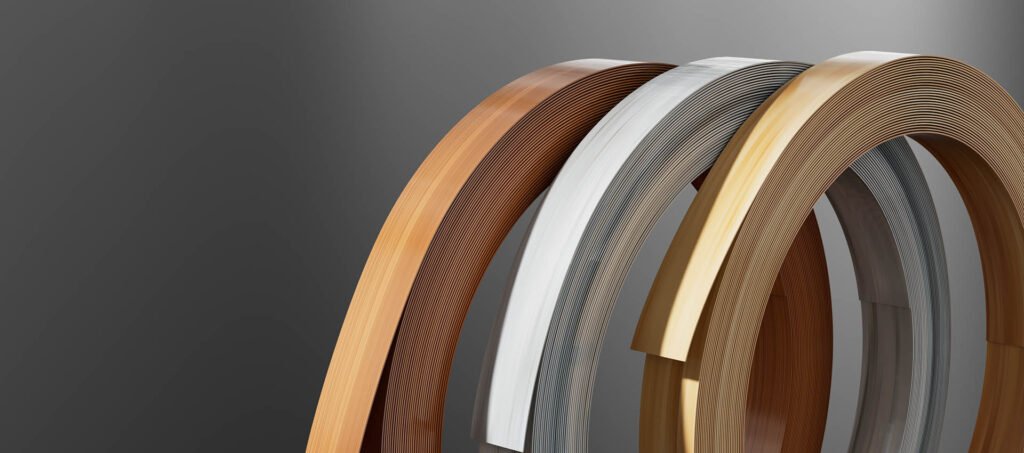
Now I will walk you step by step. I break down materials, key properties, the production line, finishing methods, and how I check quality and compliance. Read on so you can make better product or buying decisions.
What Is ABS Edge Banding Made Of?
Edges peel, panels look cheap, and clients lose trust. The problem often starts with not knowing what the strip is made of. I explain the raw ingredients and why they matter.
ABS edge banding is made from a terpolymer of acrylonitrile, butadiene and styrene. Typical formulations vary, but common ranges are about 40–60% styrene, 15–35% acrylonitrile and 5–30% butadiene. These ratios control strength, toughness and surface finish.
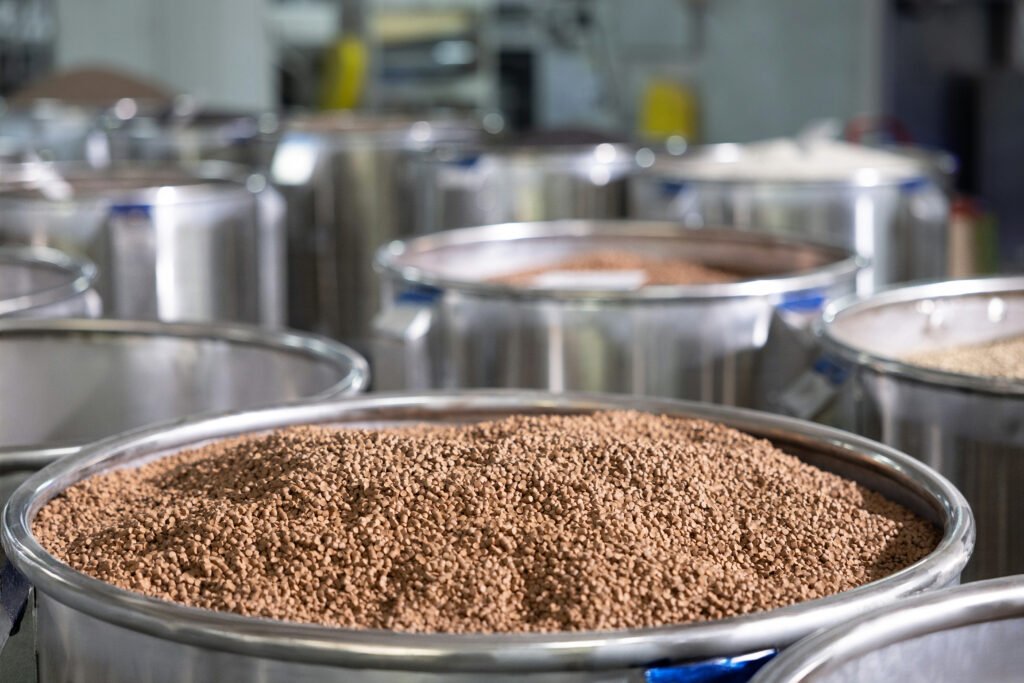
Dive deeper: raw materials, role of each monomer, and common additives
I start with each ingredient and its job.
Acrylonitrile adds chemical resistance and raises heat deflection. Butadiene adds impact toughness and flexibility. Styrene gives processability and a smooth surface. Producers adjust ratios to get the properties they need. I once consulted on a kitchen project where the wrong ratio caused cracking after edge bending. That taught me to always check technical sheets.
Common additives are stabilizers, UV inhibitors, pigments and impact modifiers. Additives change color, prevent yellowing, and help extrusion. Some grades include flame retardants or plasticizers for special needs. Manufacturers often compound ABS with pigments and texture agents in an internal mixer before extrusion.
Key material facts (table)
| Component | Typical function | Typical range |
|---|---|---|
| Styrene | Surface hardness, shine, processability | 40–60% |
| Acrylonitrile | Heat resistance, chemical resistance | 15–35% |
| Butadiene | Impact toughness, flexibility | 5–30% |
| Additives | UV stabilizers, pigments, flame retardants | Varies |
Knowing the exact grade helps you pick the right edgeband. Ask suppliers for a TDS (technical data sheet) or SDS (safety data sheet). Those documents show the formulation and limits.
Key Properties That Make ABS Ideal for Edge Banding?
You need edges that resist knocks, heat and moisture. ABS often meets those demands. I list the main performance traits and what they mean in the workshop.
ABS is tough, has good impact resistance, and bonds well with hot-melt adhesives. It also offers acceptable heat stability for furniture use and can be recycled. These traits make ABS a common choice for commercial and residential furniture edges.

Dive deeper: measurable properties, test values, and selection tips
I will break down the test data you should read. I keep this short and practical.
Impact resistance. ABS has high toughness. On datasheets you will see Izod or notched impact values. High impact means less chipping on corners. Heat deflection temperature (HDT) for typical ABS ranges in the 80–90°C area depending on grade. That tells you how the strip holds shape near hot processes or in hot rooms. Bondability. ABS bonds well to EVA and PUR hot-melt adhesives used on edgebanders. Adhesive choice affects peel strength and heat resistance.
Quick reference table: property and why it matters
| Property | Why it matters in production |
|---|---|
| Izod impact | Resists chips and shock |
| HDT (~80–90°C) | Holds shape under heat |
| Flexibility | Wraps around curves |
| Bondability | Ensures lasting adhesion |
I recommend always asking suppliers for specific TDS numbers. I also check supplier samples with a simple bend and peel test in my shop. If a strip cracks at a tight radius or peels at common processing temps, it is not acceptable. Use test data and a short shop test before bulk buying.
Step-by-Step: How ABS Edge Banding Is Manufactured?
You want to know where defects appear. The process steps are where problems start or get fixed. I walk through each production stage and what to watch for.
The common production flow is: compounding (mixing resin and additives), extrusion (forming the strip), cooling and sizing, surface finishing (embossing or printing), slitting/rewinding, and final quality checks. Producers use continuous extrusion lines for high volume.

Dive deeper: machine settings, critical control points, and a production checklist
I break the line into clear stages and point out critical checks.
1. Compounding. Resin pellets, pigments and stabilizers are mixed to uniform color. Poor mixing causes streaks. 2. Extrusion. Melted ABS exits an extruder die as a tape. Control melt temperature and screw speed. Bad control creates bubbles or inconsistent thickness. 3. Cooling and sizing. The warm tape runs across chill rollers to set dimensions. Uneven cooling warps the strip. 4. Surface finishing. This includes embossing for texture, gravure or flexo printing for woodgrains, and lacquering for gloss or matte finish. Choose a finishing that matches your panel surface. 5. Slitting and rewinding. The tape is cut to widths and wound. Poor winding leads to edge curl or telescoping. 6. Quality control. Inline thickness gauges, visual inspection, and adhesion tests keep batches consistent.
Production control table
| Stage | Main risk | What I check |
|---|---|---|
| Compounding | Color streaks | Homogeneity of mix |
| Extrusion | Bubbles, thickness error | Melt temp, pressure |
| Cooling | Warp | Roller temp, tension |
| Finishing | Poor texture/color match | Emboss pattern, ink density |
| Rewind | Curl, telescoping | Tension control |
| QC | Adhesion failures | Peel and heat tests |
I prefer suppliers who publish process tolerances and offer sample runs. When I visit a plant, I watch the extruder and the embossing station. Small differences in line speed or roller gap make big visual changes. If you plan to order custom colors, ask for a press proof and a short-run sample before full orders.
Color Matching and Surface Finishing Techniques?
Bad color match kills perceived quality. Customers see mismatch before they see price. I explain the tools and methods to get close matches and consistent textures.
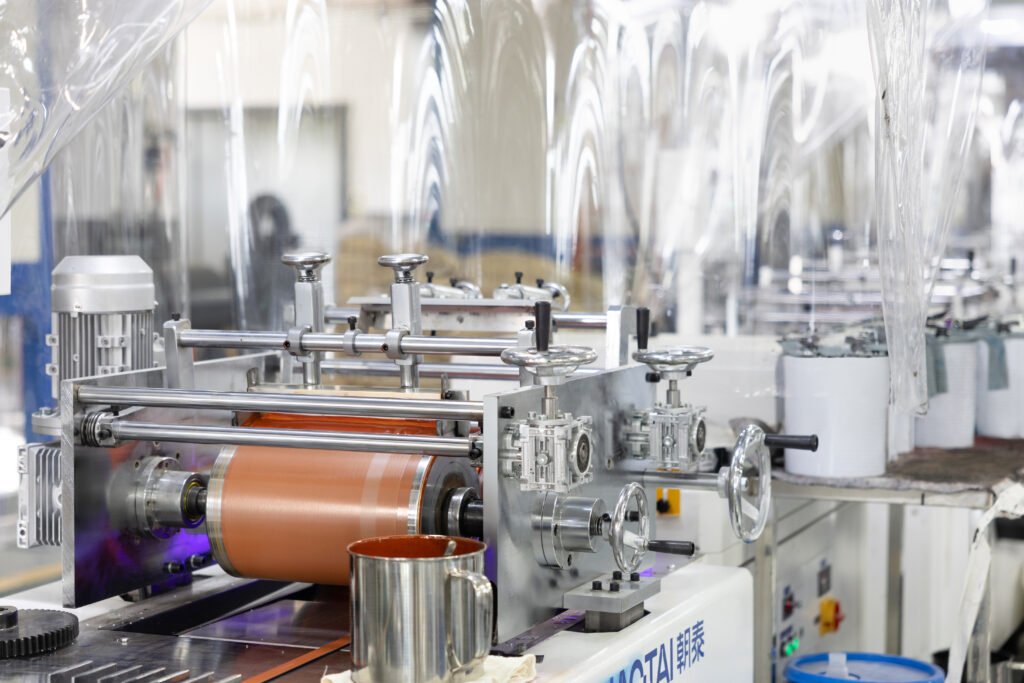
Manufacturers use pigment compounding, gravure printing, and embossing rollers to create woodgrain, matte and gloss finishes. Controlled ink density and matched emboss patterns create a convincing match to panel surfaces. Digital color measurement tools (spectrophotometers) help keep tolerances tight.
Dive deeper: color workflow, tools, and a matching checklist
I give a practical workflow you can follow.
Step A — Reference standard. Start with the panel sample. Use a spectrophotometer to record Lab values. Step B — Supplier proof. Ask for a printed or extruded sample and request the same measurement. Compare numbers and visual appearance under common light. Step C — Emboss and gloss control. Texture affects perceived color. A matte finish absorbs light and looks darker. A gloss finish reflects light and looks lighter. Match both color and gloss level. Step D — Tolerance and acceptance. Set a ∆E tolerance. Typical commercial tolerances are ∆E ≤ 3 for many projects; luxury projects may require ∆E ≤ 2. If you need tighter control, pre-approve press proofs.
Color and finish comparison table
| Factor | Effect on match | How I measure |
|---|---|---|
| Color (Lab) | Direct color difference | Spectrophotometer |
| Gloss | Changes perceived shade | Gloss meter (60° or 85°) |
| Texture | Alters light scattering | Visual proof, emboss sample |
| Lighting | Affects appearance | Inspect in standard light box |
I always ask suppliers for a matching report and the measurement files. Then I run a small on-site test with my CNC and edge bander. This step often reveals how the strip behaves during gluing and trimming. That is where many matches fail.
Quality Control and Environmental Considerations in ABS Production?
You must avoid bad batches and regulatory trouble. I cover the QC tests and the common environmental points to check before buying.
Producers run thickness checks, peel tests, impact tests and visual inspections. On the regulatory side, ABS contains styrene and may be subject to chemical management rules (REACH). Many edgeband makers advertise low emissions and compliance with regional standards. Ask for TDS, SDS and any compliance certificates.

Dive deeper: standard tests, certification to request, and handling risks
I list the tests I require and the documents I ask suppliers to provide.
Key QC tests I want to see:
- Peel test (adhesive bond at room and elevated temp).
- Thickness and width tolerance measured with inline gauges.
- Impact and bend test for edge toughness.
- Visual inspection for streaks, bubbles, or emboss defects.
Environmental and health checks. ABS contains styrene monomer. Styrene is regulated and has handling guidance under REACH. Producers should follow safety and emission controls. Ask for SDS and any REACH or RoHS-related declarations. Also check for VOC emissions and any recycling claims. Some suppliers advertise that ABS edgebands are chlorine-free and more favorable than PVC in emissions during processing. I verify those claims with supplier documents.
QC and compliance table
| Check | Why it matters | Document to request |
|---|---|---|
| Peel test | Ensures enduring bond | Lab report or internal test |
| Thickness tolerance | Prevents trimming errors | TDS / spec sheet |
| Impact resistance | Reduces chipping | TDS / test report |
| SDS / REACH info | Regulatory and safety | SDS, REACH declaration |
If a supplier cannot provide TDS, SDS and simple lab tests, I treat the batch as high risk. I also prefer suppliers who run third-party tests. When shipping internationally, ask for export documentation and any local compliance declarations (for example CARB for panel wood in the US or REACH in the EU). These steps lower the chance of a costly return or rejection.
Conclusion
I covered materials, properties, production steps, finishing and QC to help you choose and inspect ABS edgeband correctly.
Data sources and links
- Acrylonitrile butadiene styrene — Wikipedia. https://en.wikipedia.org/wiki/Acrylonitrile_butadiene_styrene.
- ABS Technical Data Sheet — Curbell Plastics (ABS datasheet PDF). https://www.curbellplastics.com/wp-content/uploads/2022/11/Curbell-Plastics-ABS-Data-Sheet.pdf. (Curbell Plastics)
- Edge Banding Completed Guide — BESTIN (edge banding production overview). https://www.bestingroup.com/edge-banding-completed-guide/.
- The Ultimate Guide to Edge Banding — PRI Edge Banding. https://priedgebanding.com/the-ultimate-guide-to-edge-banding/. (PRI Edgebanding)
- Edgebanding Processing Information — Doellken North America. https://na.doellken.com/resources/processing-information/. (na.doellken.com)
- Low-temperature Hot Melt Adhesives for Edgebanding — Jowat. https://www.jowat.com/en/adhesives/hot-melt-adhesives/jowathermr-eva/low-temperature-hot-melt-adhesives-for-edgebanding/. (jowat.com)
- Hot melt adhesives overview — Hotmelt.com. https://www.hotmelt.com/collections/application-edgebanding. (Hotmelt.com)
- ABS Edgebanding product page — Doellken / Surteco. https://na.doellken.com/products/abs-edgebanding/ and https://www.surteco.com/en/products/edgebands/thermoplastic-edgebands/edgeband-materials/abs-edgebands/. (na.doellken.com)
- Styrene substance information and REACH documents — ECHA. https://echa.europa.eu/substance-information/-/substanceinfo/100.002.592.