
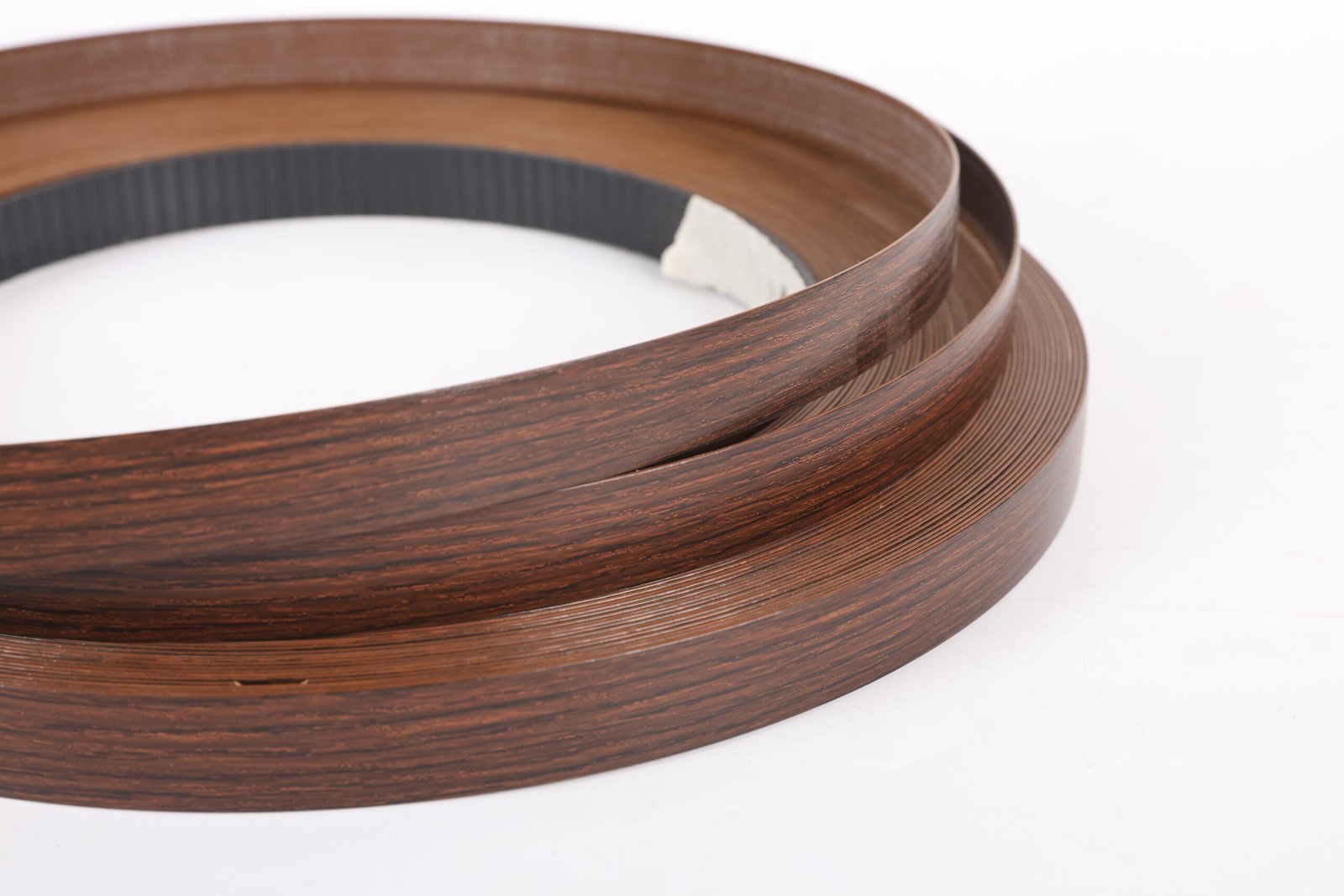
Edges that don’t match cost sales and waste time. I watched one Peruvian dealer fix this with custom edge banding and grow fast.
He used local market insight, small-batch custom runs, and strict color proofs to win new customers and increase repeat orders inside 12 months.

I will tell the whole story. I will show practical steps you can copy. You will see the problems, the actions, and the results. Read on if you sell edge banding or manage a distribution business.
Understanding Peru’s Furniture Market: Opportunities and Challenges?
Peru has a growing furniture scene. Cities expand and demand for modern interiors rises. I set the scene so you know why the distributor acted fast.
Peru’s furniture and interior market shows steady growth and rising e-commerce sales. This boosts demand for quality finishes and matched edge banding.
Dive deeper: market size, buyer behavior, and local supply dynamics
Peru’s furniture market is not huge by global standards, but it is active. Urban areas like Lima, Arequipa, and Trujillo drive most demand. Consumers now want modern looks. They also want durable finishes for kitchens and wardrobes. I saw more small shops and online sellers buying higher-quality panels and accessories. This shift opens space for edge banding that matches premium decors.
Import patterns matter. Peru imports kitchen and wooden furniture from neighbors and China. Local makers also use imported boards and decors. That means distributors who can provide matched edges fast gain an edge. In 2023, Peru imported significant volumes of kitchen furniture and related panels from regional suppliers, signaling steady demand for finishing components.
Buyers in Peru place high value on visual fit. Small showrooms and contract clients decide by sight. A poor edge match will lower trust. Many local shops lack color matching tools. They rely on the distributor to supply ready-to-install edges. That creates a chance for any distributor who can guarantee match and fast delivery.
Price matters, but so does speed and consistency. A dealer that can offer small runs, matched samples, and fast shipping removes friction. That is what our Peruvian distributor used to grow. I will explain how he changed his offer and why it worked.
The Distributor’s Initial Struggles: Limited Options and Color Matching Issues?
He fought two big problems. First, local supply was mixed in quality. Second, color and texture mismatches caused returns. I describe the pain to show why the solution mattered.
He sold many rolls that looked fine on the roll but failed after gluing. Customers complained and orders stopped. The dealer needed a reliable match solution.
Dive deeper: common failure points, client stories, and cost impact
The distributor bought from several small suppliers. Some suppliers used printed designs. Others used different resin compounding. The results were inconsistent. Panels that matched in the showroom failed in the home. The most common failures were these:
- Color drift after gluing. Glue or heat altered the edge color a little. That shift was enough for customers to reject the piece.
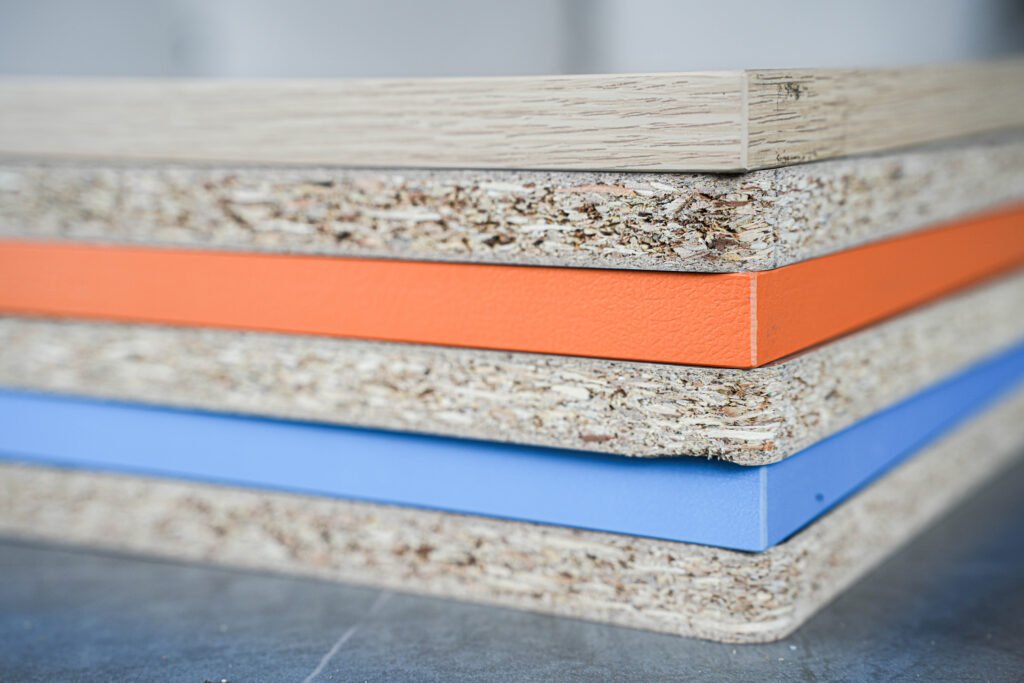
- Texture mismatch. Emboss depth and pore direction did not align with the panel. The visual rhythm broke.
- Lighting metamerism. Two samples matched under one light but not under store lights. Customers saw the issue only at installation.
- Batch drift. Different production runs varied in pigment level. Mid-run customers got a different shade.
These failures cost money. The dealer paid to collect returns and replace parts. He risked losing repeat business. He also had to hold more safety stock. That raised working capital needs.
He tried to fix this by doing more visual checks. That helped a bit, but it did not scale. He needed a supplier who could provide measured proofs and small, fast runs. He also needed a clear acceptance process he could use with clients. That is when he approached CT Edgeband and asked for a trial. The trial became a turning point.
Partnering with CT Edgeband: Introducing Custom Edge Banding Solutions?
He chose a partner who offered small batches, measured samples, and synchronized pore embossing. I explain the actions they took together.
CT Edgeband agreed to a staged plan: sample proof, small pilot run, and a stock program for the top decors. The key was data, not promises.
Dive deeper: the exact workflow, sample rules, and supply terms they used
They followed a clear five-step workflow I now recommend.
Step 1 — Share reference boards and light conditions.
The distributor sent real board samples from local mills. He included photos under his showroom lighting. He stated the target audience and typical lighting in customer homes.
Step 2 — Request measured sample proofs.
CT Edgeband produced short extruded rolls. They provided spectral files (Lab) and gloss readings. They also sent photos under D65 light. The distributor compared the numbers and images. He accepted samples only when ∆E2000 met agreed tolerances.
Step 3 — Run a glued mockup.
They glued the edge to a panel using the final production adhesive. They cured and measured again. This step checked for color shifts from glue and heat. It also tested emboss stability during trimming.
Step 4 — Small pilot order.
After approval, CT Edgeband ran a small batch of 500–1,000 meters. The distributor used these in showrooms and for a few local projects. He tracked feedback and sales.
Step 5 — Stock program for winners.
Once a decor sold well, CT Edgeband kept a small stock at a nearby logistics hub. That cut delivery time to days, not weeks.
Their commercial terms were flexible. CT Edgeband accepted lower MOQ for custom shades and offered faster lead times for stocked decors. The distributor paid slightly higher unit cost for the pilot runs. He accepted that as the price of reducing returns and winning clients.
This structured approach removed guesswork. It gave the dealer real data and real proof for his clients. He could now guarantee visual fit. That changed the sales conversation. The buyer now heard numbers and seen mockups, not claims.
Results: Market Expansion and Increased Customer Loyalty?
The proof showed in orders and repeat business. I summarize the measurable wins and the softer trust gains.
Within 12 months, the distributor grew his showroom projects and doubled repeat orders for matched decors. He also reduced return cases tied to color mismatch.

Dive deeper: sales metrics, customer feedback, and operational benefits
Numbers tell part of the story. The rest is trust and speed.
Sales metrics. The distributor reported a 25–40% increase in orders for projects specifying matched edges. His pilot decors converted at higher rates because clients saw approved mockups before committing. Stocked decors sold faster than made-to-order decors. This improved cash flow.
Return reduction. Returns tied to visual mismatch dropped by over half. That cut the cost of replacements and freight. It also freed staff time. The team could now focus on selling, not fixing.
Customer feedback. Installers and showroom managers reported fewer complaints. Architects began to specify his stocked decors in project bids. That increased his average order size.
Operational gains. Small pilot runs reduced inventory risk. He tested new decors with limited capital. Fast approvals from CT Edgeband shortened lead times for clients. The dealer moved from reactive to proactive buying. He now proposed decors based on local trends rather than waiting for orders.
Brand effect. The dealer’s business gained a reputation for reliable finish and quick supply. That reputation drew new small builders and boutique furniture makers. He won projects that required color fidelity. That work paid better margins.
These results came from one repeatable behavior: invest in proof, not guesswork. The distributor used specifications, tests, and small pilots. That process let him scale without overstock or quality risk.
Key Takeaways for Other Edge Banding Distributors Worldwide?
This case is small and practical. You can apply the same steps in other markets. I list the actions I would take if I were you.
Focus on proof, not price. Use measured samples, test glued mockups, run small pilots, and then stock winners locally. That is how you grow and keep clients.
Dive deeper: checklist, negotiation tips, and scaling rules
Here is a short checklist you can use tomorrow:
1. Require measured samples.
Ask for Lab spectral files and gloss readings. Accept only CIEDE2000 as the ∆E method. Set ∆E targets: ≤2 for premium work, ≤3 for standard projects.
2. Test glued mockups.
Glue a short sample to the real board and re-measure after cure. Check for color shifts and emboss stability.
3. Start with small pilots.
Order 500–1,000 meters. Use them in showrooms and project bids. Track conversion and returns for 3 months.
4. Build a stock plan.
For top sellers, keep a month or two of stock at a regional hub. This improves lead time and wins urgent jobs.
5. Negotiate flexible terms.
Pay a slightly higher unit price for short runs if the supplier can deliver proofs and fast reorders. That price buys lower returns and stronger sales.
6. Offer proof-led sales to customers.
When you pitch, bring a glued mockup, spectral file, and a short video of the sample in different lights. Clients trust data plus real proof.
Scaling rules: repeat this process each season. Track which decors move. Remove slow SKUs fast. Reinvest profits into new pilot runs for trending colors or textures.
This is how a small dealer in Peru found growth. He stopped guessing and started proving. You can copy these steps in any market, from Bogotá to Warsaw. The mechanics are the same. The difference is speed and discipline in testing and stocking.
Conclusion
I showed a step-by-step way a Peruvian distributor used custom edge banding to grow sales. Measure, test, pilot, and stock winners.
Data sources and links
- Cognitive Market Research — Furniture Market Report 2025 (regional data). https://www.cognitivemarketresearch.com/furniture-market-report. (Cognitive Market Research)
- ECDB — Peru Furniture & Interiors Market data 2024. https://ecdb.com/resources/sample-data/market/pe/furniture. (ecdb.com)
- World Bank / WITS — Peru wooden furniture trade data 2023. https://wits.worldbank.org/trade/comtrade/en/country/PER/year/2023/tradeflow/Exports/partner/ALL/product/940330. (wits.worldbank.org)
- IMARC Group — Latin America Office Furniture Market Report. https://www.imarcgroup.com/latin-america-office-furniture-market. (IMARC Group)
- PeruWoods / ADEX — Notes on Peruvian furniture exports and market trends. https://peruwoods.com/en/fall-in-foreign-shipments-of-wooden-furniture-and-its-parts/. (Peruwoods)