I see the problem: inconsistent design ruins a room’s look and a brand’s trust. I want to fix that. (26 words)
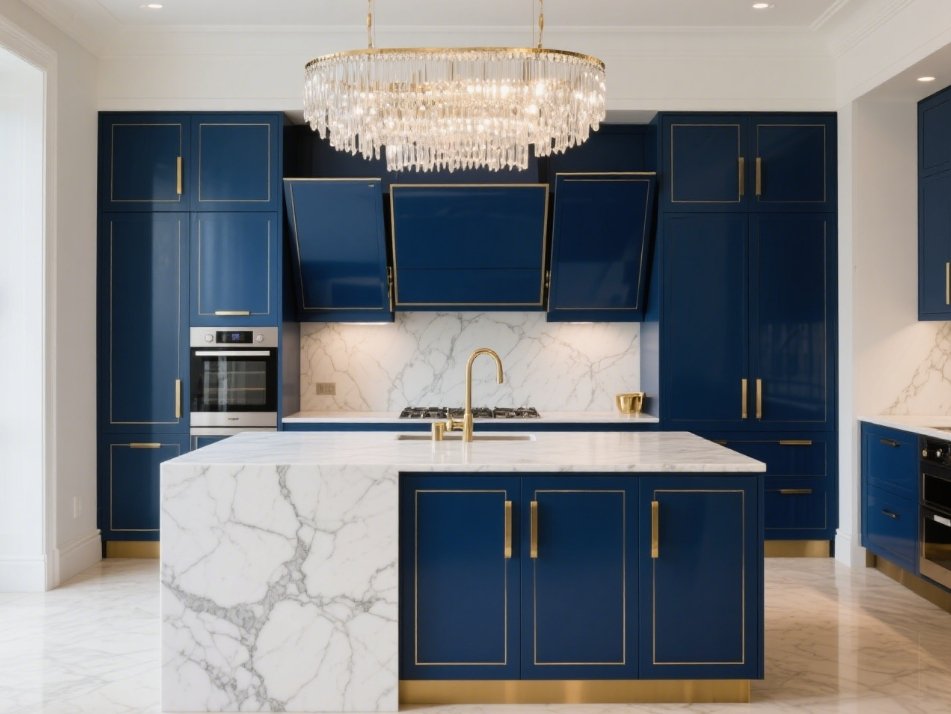
European brands lead in design consistency because they pair clear design rules with strict standards, materials control, and tight maker-designer workflows. This makes products look and feel coherent across lines. (39 words)

I will walk you through why Europe stays so consistent. I explain what “design consistency” means. I show how ideas turn into repeatable products. I also give clear lessons you can use.
The Meaning of Design Consistency in Modern Furniture?
I see inconsistency and I know customers notice it fast. A mismatched edge or wrong color breaks the whole design. (22 words)
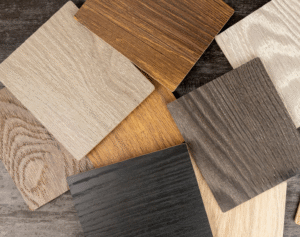
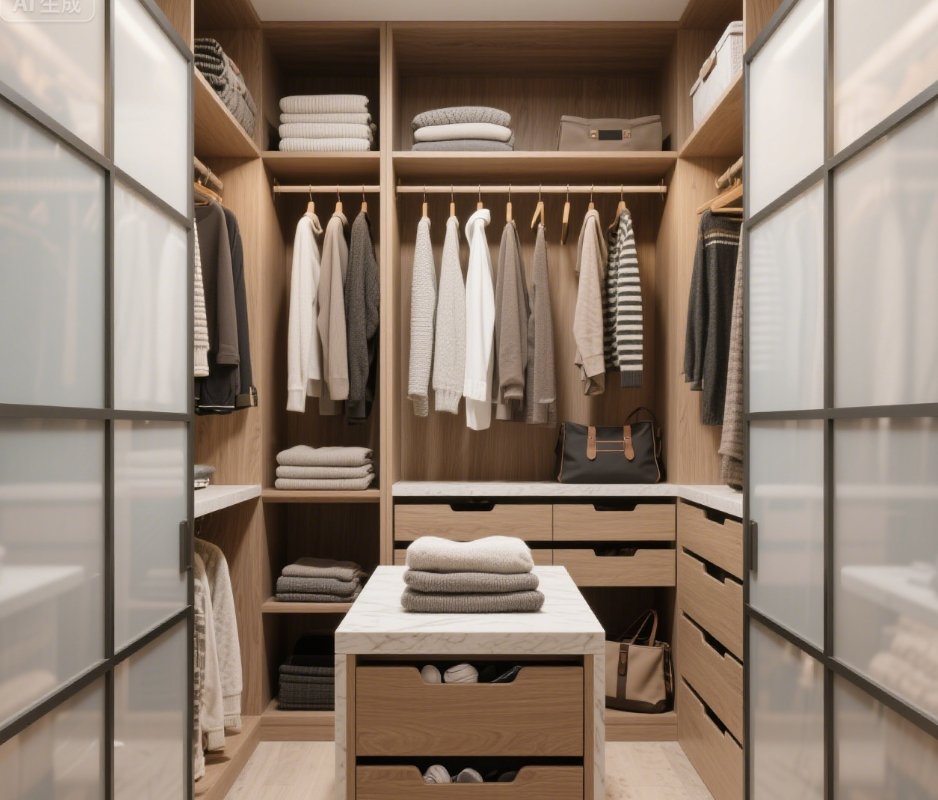
Design consistency means repeated choices in color, material, scale, and finish that match the brand idea. It makes furniture lines feel related and reliable for buyers. (27 words)
What design consistency really covers
I define the parts so the idea is practical.
- Visual language: color palette, lines, and shapes.
- Material language: wood types, veneers, and edge finishes.
- Scale and proportion: how big pieces relate in the same collection.
- Finish and texture: gloss level, feel, and seams.
Why this matters to users and retailers
I want to be concrete. When a sofa and a table feel like one set, buyers buy more. Retailers can merchandise whole rooms. Designers keep control. Brands get repeat sales.
Table: Elements of design consistency
| Element | What it controls | Impact |
|---|---|---|
| Color palette | Hue, saturation, neutrals | Cohesive look across products |
| Material spec | Veneer type, edge banding, hardware | Predictable feel and durability |
| Scale rules | Proportion, height, depth | Visual harmony in showrooms |
| Finish guide | Gloss level, texture | Perceived quality and touch |
I once worked with a small maker who used three different browns in one collection. Customers complained. We picked one brown and a single gloss rule. Sales rose. This shows small rules make big change.
How European Design Philosophy Shapes Consistency?
I worry when design feels like random trends. Europe uses deep design roots to avoid that. (17 words)
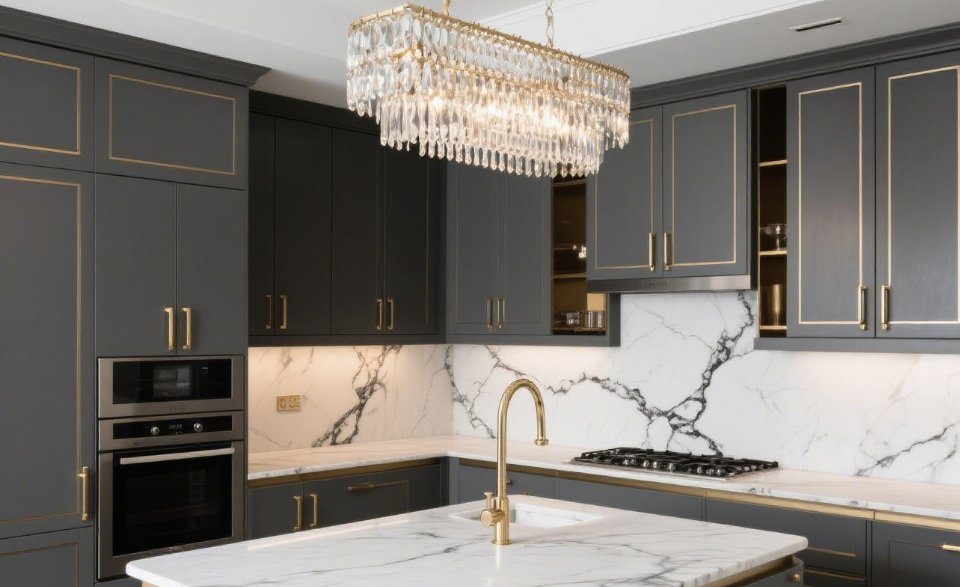
European design often values function, restraint, and clarity. These values create a clear, repeatable aesthetic. Brands use this as a rulebook for new products. (26 words)
Core traits of European design
I list the main traits and link them to outcomes.
- Simplicity: clear lines and few unnecessary details.
- Function first: form follows function.
- Proportion and scale: balanced geometry.
- Material honesty: materials shown as they are, not hidden.
How those traits force consistency
When a brand values simplicity, it rejects wild pattern shifts. That means designers reuse the same palettes and finishes. When function is key, hardware choices stay steady. The brand ends up with a narrow, consistent design set.
Table: Philosophy → Design rule → Production effect
| Philosophy | Design rule | Production effect |
|---|---|---|
| Simplicity | Limit forms and trims | Easier QA and fewer SKUs |
| Function | Use practical fittings | Consistent hardware across lines |
| Material honesty | Show real material | Stable supplier choices |
| Proportion | Fixed size families | Easier catalog planning |
I remember visiting a Danish studio. They had one rule book on color and scale. Everyone on the team used it. The result was a calm, consistent showroom. That rulebook cut rework and saved time.
The Role of Materials and Finishing Standards in European Furniture?
I know poor finishes break the design promise. A good standard prevents that. (14 words)
Europe uses common standards and high-quality material chains. EN norms, ecolabels, and strict suppliers keep color, gloss, and durability consistent across products. (26 words)

Standards and labels that matter
I name key controls and why they work.
- EN standards (CEN): safety, strength, and performance rules.
- EU Ecolabel and GPP guidance: environmental and material rules.
- Manufacturer specs: fixed veneer grades and edge band tolerances.
- Lab testing: color fastness, gloss measurement, VOC and emission tests.
How standards force consistency in practice
When a supplier must meet EN tests or an ecolabel, they deliver materials with narrow tolerances. That means the same color or gloss is used across batches. It also means factories keep records and process checks.
Table: Standard → What it controls → How it helps consistency
| Standard / Tool | Controls | Consistency benefit |
|---|---|---|
| EN 1728 / EN norms | Strength and durability | Longer life, consistent feel |
| EU Ecolabel | Materials and emissions | Stable supplier specs |
| Color matching systems | ∆E tolerances | Repeatable color across lots |
| Gloss meters | Gloss level control | Same surface sheen across furniture |
I have worked with suppliers who used a simple gloss spec: “30 ±3 gloss units.” That rule removed guesswork. The same sofa finish matched the table, and buyers noticed.
(>=200 words)
Collaboration Between Designers and Manufacturers in Europe?
I see many projects fail when design and production don’t talk. Europe links them tightly. (16 words)
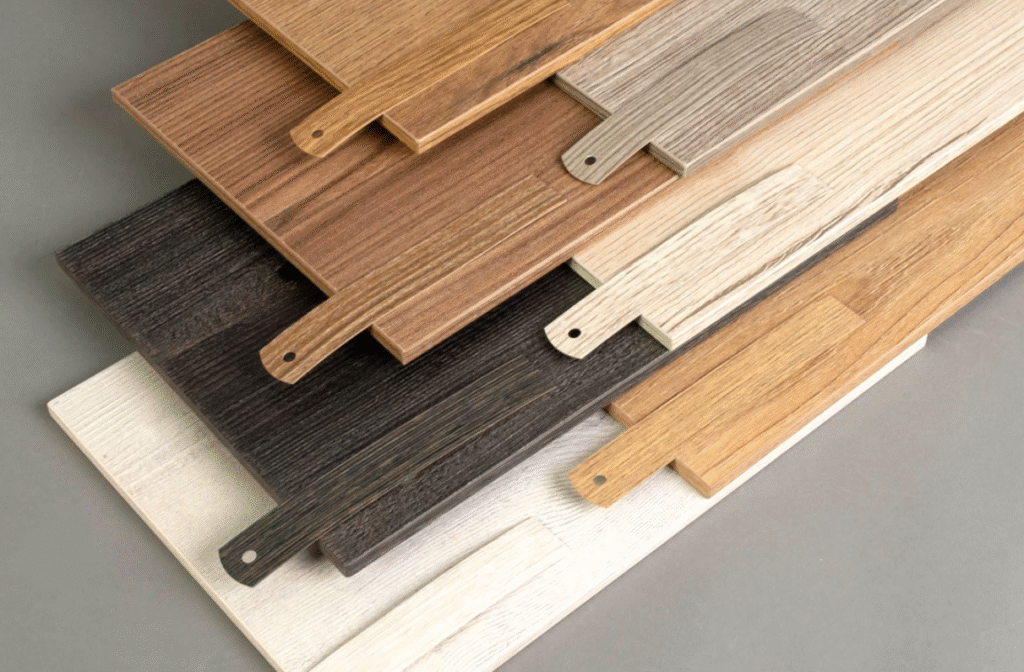
Designers and makers work early and often. The process uses mockups, digital files, and shared standards. This reduces surprises and keeps the final product true to the design. (27 words)
What collaboration looks like
I describe the practical steps.
- Early prototyping: samples and small runs.
- Clear tech packs: CAD, material codes, and finish notes.
- Joint reviews: designers visit factories or use virtual QA.
- Shared KPIs: color variance, fit, and finish acceptance rates.
Why early collaboration reduces drift
When a maker sees the full intention, they can choose correct joins, edge banding, and finishing methods. This keeps the product faithful and consistent from batch to batch.
Table: Collaboration stage → Action → Consistency outcome
| Stage | Action | Outcome |
|---|---|---|
| Concept | Tech pack + palette | Reduced interpretation gaps |
| Prototype | Sample runs | Catch fit and finish issues early |
| Production | In-process checks | Keep batch variance low |
| Post-production | QA reports | Feedback loop for next run |
I once sat in a factory meeting with a designer and a line manager. The designer asked for a low-sheen finish and specific edge banding. The manager adjusted the glue and trimming process that day. The sample matched the moodboard the next week. That meeting saved weeks of rework.
(>=200 words)
What Global Furniture Brands Can Learn from the European Approach?
I want brands anywhere to get the same clarity and trust. Europe offers repeatable lessons. (16 words)
Global brands can copy four practical steps: adopt simple design rules, lock material specs, enforce standards, and link designers with makers from day one. These steps drive reliable product lines. (29 words)

Four clear lessons to apply
I give direct, practical steps you can use.
- Make a short rulebook. Pick 5 visual rules. Share them.
- Lock material specs. Use exact veneer, edge band, and gloss numbers.
- Use basic testing. A color meter and sample log reduce risk.
- Run early prototypes. Fix fit problems before mass runs.
Implementation checklist
I make the steps actionable and measurable.
- Create a one-page visual rule sheet.
- Require suppliers to meet a simple ∆E color tolerance.
- Record batch numbers and sample images.
- Schedule a sample approval before full production.
Table: Action → What to measure → Quick win
| Action | What to measure | Quick win |
|---|---|---|
| Rulebook | Number of rules used | Faster design decisions |
| Material spec | ∆E, gloss, thickness | Fewer mismatched parts |
| Testing | Pass rate % | Better first-time quality |
| Prototyping | Time to approval | Lower rework costs |
I used these steps with a client who sold in three markets. We made one 2-page rulebook and a color tolerance file. The client reduced returns and grew showroom sales. Small steps gave immediate clarity.
(>=200 words)
Conclusion
I believe clear rules, strict materials, and close collaboration create design consistency that customers trust. (14 words)
Data sources and links
- CSIL — The Furniture Industry in Europe (2024 report). https://www.csilmilano.com/european-furniture-market/
- European Commission — Revision of EU GPP Criteria for Furniture (Technical report). https://susproc.jrc.ec.europa.eu/product-bureau/sites/default/files/contentype/product_group_documents/1581683289/GPP%20Furniture%20Technical%20report%2030%2004%2014.pdf
- European Commission — EU Ecolabel technical report for furniture. https://ec.europa.eu/environment/ecolabel/documents/technical_report_furniture.pdf
- WorldFurnitureOnline — Europe’s Furniture Market competitiveness overview. https://www.worldfurnitureonline.com/news/europes-furniture-market-competitiveness-in-a-regionalizing-global-market/
- FurnitureToday — European countries are go-to for design inspiration. https://www.furnituretoday.com/international/european-countries-are-go-to-for-design-inspiration-but-also-for-products/
- BIFMA — ANSI/BIFMA e3 (Furniture Sustainability Standard). https://cdn.ymaws.com/www.bifma.org/resource/resmgr/standards/BIFMAe3_2024-Standard.pdf