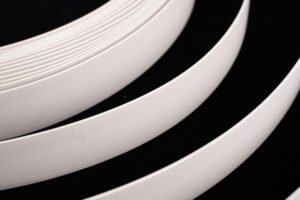
Pain: Scratches ruin a new office fit-out fast.
Agitate: High-traffic areas mean constant wear and costly repairs.
Solve: I pick and spec anti-scratch PVC edgeband that lasts and cuts maintenance.
Anti-scratch PVC edgeband protects edges in commercial furniture by combining hard surface lacquers, durable PVC formulas, and proper bonding. The right choice reduces visible wear and lowers life-cycle cost.
If you manage projects, read on. I will explain why scratch resistance matters, how PVC achieves it, how it compares with other options, what specs to demand, and how to keep edges looking new.
Understanding Why Scratch Resistance Matters in Commercial Furniture?
Pain: Offices, hotels, and retail see constant contact.
Agitate: Edges take knocks from carts, bags, and cleaning tools.
Solve: I explain the business case for anti-scratch edges.
Commercial furniture faces more abrasion than residential pieces. Scratches on edges make products look cheap. They also lead to faster replacement and higher warranty costs.
Commercial spaces have daily traffic. People lean, slide, and bump furniture. That stress focuses on corners and edges. A scratched edge becomes a visible defect. Buyers judge quality by small details. As a supplier, I try to reduce visible wear. That reduces complaints and protects brand value.
Scratch resistance matters for many reasons. It keeps the color and texture intact. It reduces cleaning work. It lowers long-term costs for building owners. It also affects warranty claims and repeat orders. I always include a scratch-resistance target in project specs.
I test sample doors and desks under abrasion methods before final approval. These tests show how coatings and surface hardness perform in simulated use. I use those results to pick the right product for each project. This step saves time and money over the life of the installation.
How Anti-Scratch PVC Edgeband Protects Surfaces in High-Traffic Environments?
Pain: Not all PVC is equally resistant.
Agitate: Some tapes scratch easily despite appearing good in catalogs.
Solve: I explain the construction and treatments that add real scratch resistance.
Most anti-scratch PVC edgebands combine a hard decorative surface (often UV-cured lacquer) with a tough PVC base. The surface layer takes the abrasion and hides fine marks.
A typical anti-scratch edgeband has three parts. The decorative print or foil sits under a clear surface lacquer. That lacquer is cured with UV to make a hard skin. The base film of PVC gives flexibility and edge protection. For higher abrasion areas, manufacturers increase lacquer hardness and optimize pigment systems.
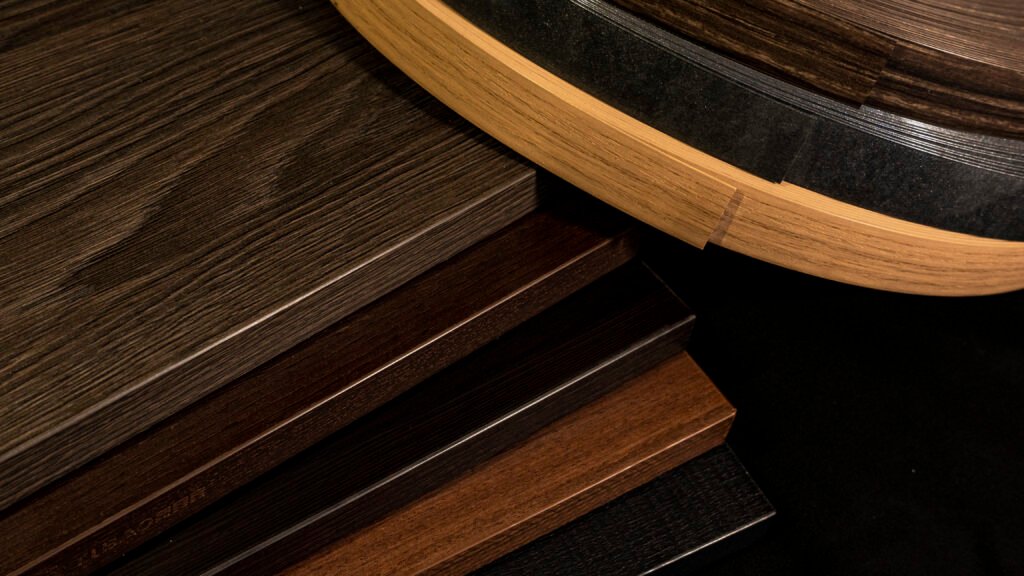
Manufacturers also control surface texture. Some micro-textures hide tiny scuffs better than glossy surfaces. I pick a finish based on use: high-gloss for premium look, textured matte for heavy use. I advise clients that matte hides wear better in public spaces.
Adhesion system matters too. A strong bond prevents micro-lifting that can worsen scratches. I use tested adhesives and primer systems. PUR adhesives often give a tighter bond and better heat and moisture resistance in commercial settings. Jowat and other adhesive makers publish edgebanding adhesives tuned for reliable bonds.
Finally, real-world abrasion is multi-factor. Cleaning chemicals, repeated contact, and sharp objects all play a role. I recommend combining a surface with proven test results and maintenance guidance to maximize lifetime.

Comparing Anti-Scratch PVC with Standard and Acrylic Edgebands?
Pain: Teams ask whether to choose PVC, ABS, or acrylic.
Agitate: Wrong choices lead to early failures or higher cost.
Solve: I compare options clearly so you pick by need.
PVC with a UV-hardened lacquer offers a strong balance of flexibility, moisture resistance, and scratch protection. Acrylic (PMMA) has higher surface hardness but costs more and can be brittle. ABS gives good impact resistance but often lower surface hardness than lacquered PVC.
I compare four attributes that matter for commercial projects: surface hardness, impact resistance, cost, and processing.
| Attribute | Anti-scratch PVC | Acrylic (PMMA) | ABS |
|---|---|---|---|
| Surface hardness (scratch) | High with UV lacquer | Very high | Medium |
| Impact resistance | Good | Lower (brittle) | High |
| Moisture resistance | High | Medium | Medium |
| Cost | Moderate | Higher | Moderate |
| Machine/process fit | Easy on standard edgebanders | Needs care | Works but may need settings |
Acrylic will give a glass-like finish and great scratch resistance for display cases or premium counters. But acrylic is more prone to shattering in heavy impact and is more expensive. For wardrobes, office desks, and reception counters, lacquered PVC often gives the best overall value. REHAU and other suppliers document abrasion properties and UV-lacquer protection on their technical data sheets.
I usually recommend lacquered PVC for heavy-use furniture unless the client specifically demands an acrylic finish for visual reasons.

Key Specifications to Consider When Selecting Anti-Scratch PVC Edgeband?
Pain: Product names are vague.
Agitate: “Scratch resistant” on a label is not a standard.
Solve: I list the exact specs and tests I require before I buy.
Require vendor data on surface hardness, abrasion test method and results (Taber or RCA), UV lacquer type, and warranty. Also ask for adhesion, chemical resistance, and VOC or safety compliance.
Here are the key items I capture in specs and purchase orders:
1) Abrasion test and result
Ask for Taber abrasion cycles or RCA/ASTM F2357 data. Taber gives mass-loss or wear index. RCA simulates rub and scuff tests. I accept supplier data but request a recent lab test on the exact decorative finish.
2) Surface hardness and lacquer type
Request information on UV-cured lacquer hardness and whether the finish is scratch-hardened. Harder lacquers resist micro-scratches. REHAU documents UV lacquer protection and abrasion resistance on RAUKANTEX lines.
3) Chemical and cleaning resistance
Ask for DIN or ISO chemical resistance results if the furniture will be cleaned often. Many commercial sites use stronger cleaners. The edgeband must survive recommended cleaners without losing finish.
4) Adhesion and bondline
Get peel strength numbers and recommended adhesive systems (EVA, PO, or PUR). For heavy use or high humidity, I specify PUR for stronger bonds and better heat resistance. Jowat and other adhesive makers publish guidance for suitable hot-melts.
5) Appearance and texture confirmation
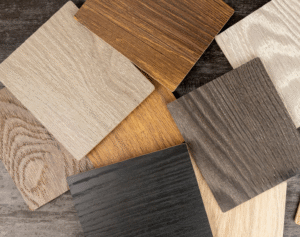
Require physical swatches and a signed sample approval from the buyer. Color, gloss, and texture influence perceived scratch resistance. Textured finishes hide fine abrasions better.
Quick spec checklist
| Spec item | Minimum ask |
|---|---|
| Abrasion test | Taber or RCA; include cycles and mass loss |
| Lacquer | UV-cured, lacquer hardness data |
| Adhesive | Recommended system and peel values |
| Chemical resistance | DIN/ISO data or test report |
| Sample approval | Signed by buyer |
I refuse to ship full orders without a signed sample and lab data for abrasion when a project requires “anti-scratch” performance.
Practical Applications and Maintenance Tips for Long-Lasting Performance?
Pain: Even the best surface fails with poor care.
Agitate: Clients often use wrong cleaners or tools.
Solve: I give real-world use and care rules to keep edges new.
Pick the right finish, train users, and use recommended cleaning regimes. Also plan for easy repair and documented warranty terms for heavy-use locations.
Installation and acceptance
I check edge adhesion during installation. I record adhesive batch and line settings. I keep a sample door for reference. I instruct installers to avoid sharp trimming tools that can nick the lacquer.
Daily cleaning
I recommend a soft cloth and mild detergent. Avoid abrasive pads, strong solvents, and bleach. Where aggressive cleaners are required, test on a spare sample first.
Preventive measures
Use edge guards in loading zones and protective films during transport. For reception counters, use desk pads in high-wear zones. These small steps extend service life.
Repair and warranty
For minor scuffs, I keep a touch-up kit: matching polish or micro-abrasive kits approved by the supplier. For deeper damage, replace the affected panel or edge. I include acceptable wear criteria in the warranty so clients know what counts as normal wear.
Example maintenance table
| Task | Frequency | Tool/Method |
|---|---|---|
| Visual check | Monthly | Soft cloth, inspect corners |
| Clean | Weekly | Mild soap, damp cloth |
| Test cleaner | When new product used | Apply on scrap first |
| Keep touch-up kit | Ongoing | Supplier-approved polish |
I set clear expectations with clients. I share the sample report, the abrasion data, and the cleaning guide. This reduces disputes and keeps furniture looking professional longer.
Conclusion
I specify lacquered PVC with proven abrasion data, test samples, and a maintenance plan. That gives commercial projects real scratch resistance and long-term value.
Data sources and references
- REHAU — RAUKANTEX PVC edgeband technical data (abrasion and UV lacquer information). (REHAU)
https://www.rehau.com/downloads/490388/raukantex-pvc.pdf - Taber Industries — Taber Abrasion test method overview (abrasion testing for plastics). (taberindustries.com)
https://www.taberindustries.com/test-method-taber-rotary-abraser - Norman Tool / RCA Abrasion — RCA abrasion tester and ASTM F2357 reference (coating abrasion tests). (Norman Tool)
https://www.normantool.com/rca-abrasion-wear-tester/ - Jowat — Hot-melt adhesives for edgebanding and recommendations (EVA/PUR guidance). (jowat.com)
https://www.jowat.com/en/adhesives/hot-melt-adhesives/jowathermr-eva/low-temperature-hot-melt-adhesives-for-edgebanding/ - Element Materials Technology — Abrasion testing explained (Taber and comparative methods). (Element)
https://www.element.com/nucleus/2016/abrasion-testing-explained