
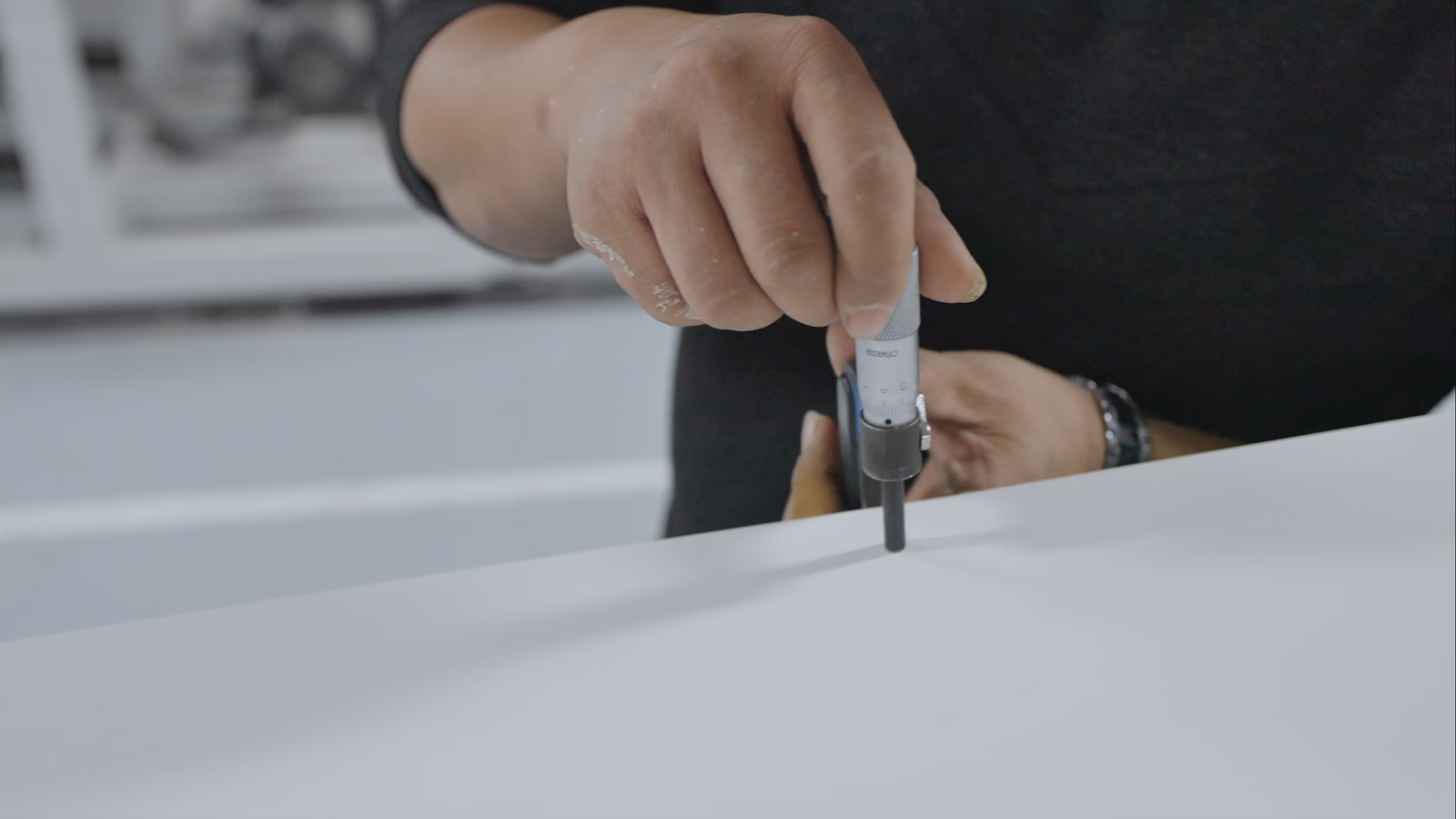
I see the pain: a near-perfect cabinet gets ruined by a mismatched edge. I explain a clear workflow that fixes color gaps fast.
Color matching in PVC edgeband factories means measuring a target, choosing the right pigments, running trials, and locking settings. Good instruments and simple checks keep batches consistent and repeatable.
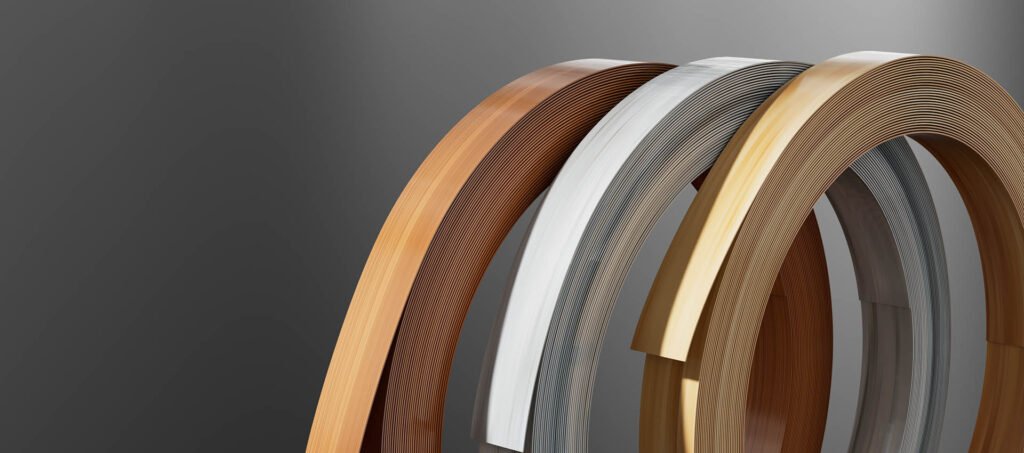
I will guide you step by step. I keep the language plain. I include tools, checks, and examples you can use on the shop floor. I also add what I learned in real runs.
Why Color Matching Matters in PVC Edgeband Production?
I know the cost: rework, returns, and angry buyers. I will show why color matters more than you think. (PAS — 20 words)
Color matching ensures the edgeband blends with panels. It protects brand reputation and reduces waste. Small ΔE changes can ruin visual match on large jobs.
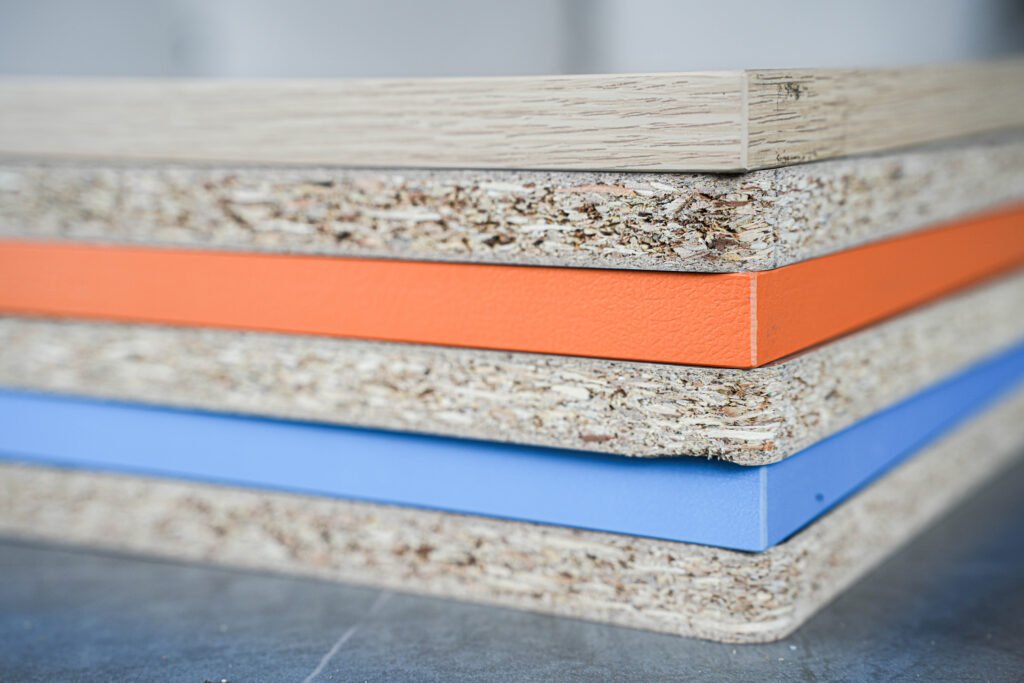
Dive deeper: the business and technical reasons I care about color control
I treat color control as both a technical job and a business rule. I start from why customers complain and move to how factories solve the problem.
First, the business side. A visible mismatch causes complaints. Clients reject whole batches. Rework costs money. Shipping and handling add time. Repeat customers leave. I learned this after a run where 5% of a customer’s order showed visible difference under showroom lights. That cost more than the extra pigments would have.
Second, the technical side. Color perceived by eye is not the same under all lights. A strip that looks right in a bright shop may fail under warm showroom lighting. We use ΔE (delta E) as a measurable tolerance. A common factory target is ΔE ≤ 1.5 to 2.0 for tight matches. Larger tolerances suit less critical uses. Using spectrophotometers helps move the decision from guesswork to numbers.
Third, the process economics. Accurate matching saves pellets and masterbatch trials. It reduces scrap. It speeds approval cycles. It also enables larger runs that are consistent across weeks.
Finally, the quality system. I recommend a written color standard for each SKU. The standard should include a physical sample, spectral data, and approved lightbox images. Use this standard in the lab and on the line. I keep a folder of “golden reels” for quick visual checks. This practice avoids arguments when color drifts.
(References on ΔE, light sources, and business impact: HunterLab, PlasticsToday, EdgebandCT.)
Key Factors That Influence Color Accuracy in PVC Compounding?
I often see teams blame the extruder when the real issue is the recipe. I break down the real variables you must control. (PAS — 22 words)
Key factors are resin base, pigment type, filler level, plasticizer, stabilizer, and dispersion. Processing temperature and mixing also change final shade.
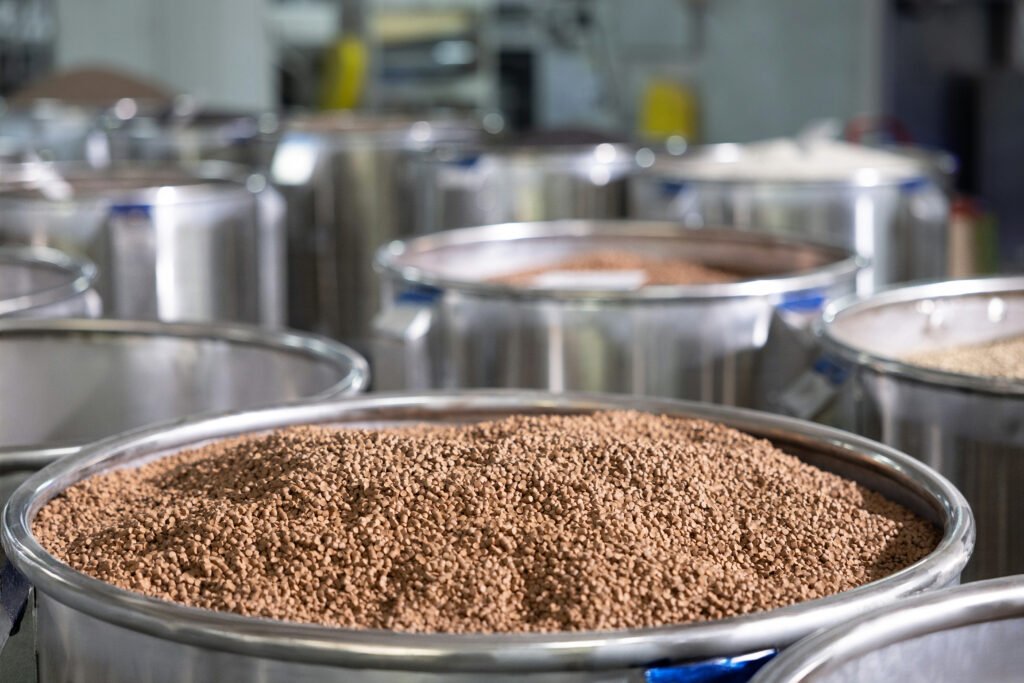
Dive deeper: ingredient effects, dispersion, and process links to color
I explain each factor and give clear checks you can run.
Resin and base tone. Different PVC grades have slightly different base hues. The base affects how pigments look. Always record the resin batch and supplier. If resin changes, recheck color.
Pigments and concentrates. Pigments differ in strength and undertone. Masterbatch or liquid colorants can help. Use the same supplier and lot for tight matches. I use pre-colored resins for large runs to cut risk.
Fillers (e.g., CaCO₃). Fillers change opacity and reflectance. More filler can dull a color. When a customer wants exact grain detail, reduce filler near the face layer. I mark filler % on the job ticket.
Plasticizers and stabilizers. These move the polymer and can affect gloss and hue. Too much plasticizer can make colors look less saturated. Stabilizers affect heat stability and can cause yellowing if wrong.
Dispersion and mixing in the extruder. Poor dispersion gives speckles or streaks. Use proper screw design and mixing zones. Add processing aids when needed. Measure torque and melt pressure; inconsistent values often mean dispersion issues.
Temperature and residence time. High temperatures or long residence time may degrade pigments. This can shift color or reduce gloss. Control barrel profile and ramp up throughput before changing pigments.
Surface texture and gloss. Texture changes perceived color. A matte embossed surface looks different than a high-gloss print. Decide target finish before matching.
Measurement geometry and lighting. How you measure matters. Use the same geometry (SPIN vs SPEX decisions) and light source when building standards. A measurement in specular-included mode reads gloss plus color; specular-excluded removes gloss influence. Pick one and be consistent.
I keep a short control table on the line:
| Variable | Effect on color | Quick check |
|---|---|---|
| Resin lot | Base change | Check spectral baseline |
| Pigment lot | Hue/strength | Compare masterbatch reading |
| Filler % | Dulling | Surface gloss test |
| Temp/time | Shift/yellow | Run small trial |
| Texture | Perceived shade | Lightbox visual check |
I use these checks before every production change. They stop most surprises.
(See technical notes on dispersion and coloration: SpecialChem, Uplastech.)
Step-by-Step Color Matching Workflow in Modern PVC Edgeband Factories?
You want a repeatable checklist. I give a concrete workflow you can use from sample to full run. (PAS — 19 words)
Workflow: receive target sample → lab spectro read → calculate formula → small-batch mixing → pilot extrude → approve → full production with inline checks. I include decision points and guardrails.
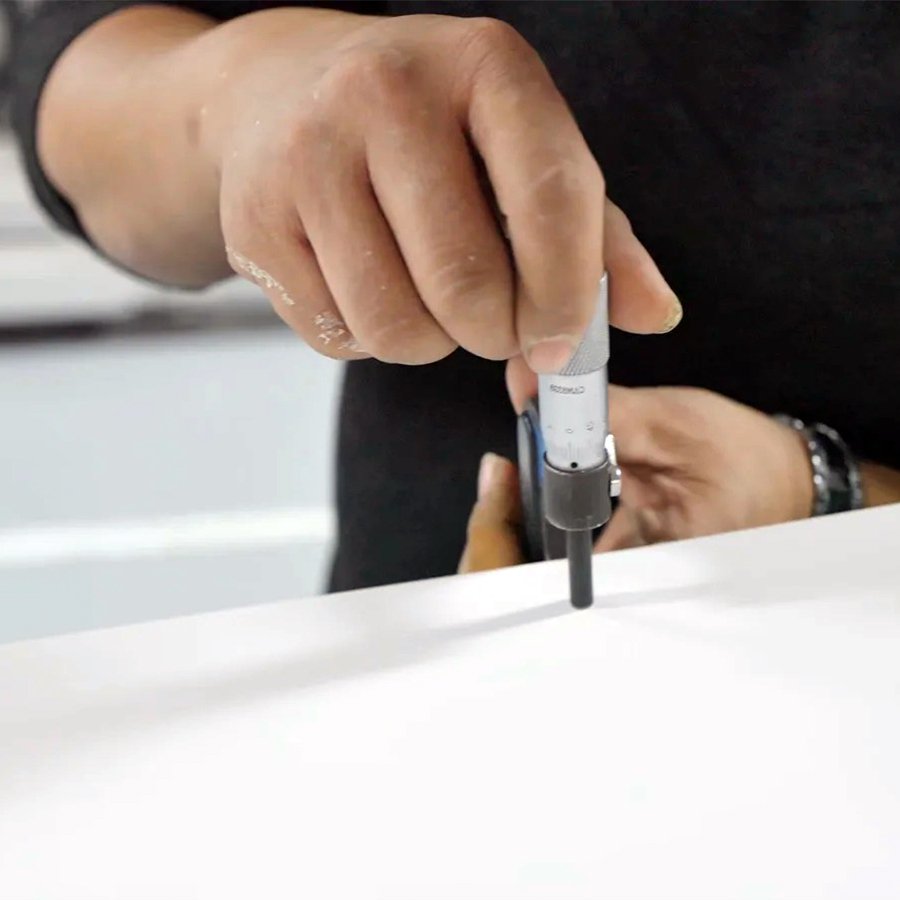
Dive deeper: detailed steps, tools to use, and acceptance criteria
I outline each action and what to log.
1. Receive and document the target.
Take a physical sample. Note finish, light conditions, and intended use. Place the sample in a lightbox and save images under D65 and A. Record the client’s ΔE tolerance.
2. Lab measurement.
Use a bench spectrophotometer to capture spectral curves. Save SPIN/SPEX settings. Store the spectral file in your color database. This gives you the numerical target to match.
3. Formula calculation.
Use color matching software or an experienced tech. The software suggests a formula using available masterbatches and pigments. I always review the suggested recipe and tweak for known line behavior.
4. Lab trial and small compounding.
Make a small batch, press or extrude a short sample strip. Measure and compare ΔE. If ΔE is within target, proceed. If not, adjust pigment ratios. Keep temperature and compounding steps identical to line practice.
5. Pilot extrusion.
Run a short reel on the actual line at planned speeds. Measure spectral values immediately after cooling and after 24 hours. Some pigments shift slightly as they cool and age. I keep one test reel for 48 hours to confirm stability.
6. Customer approval.
Send physical sample under the agreed lighting. Get sign-off in writing. The approval should reference spectral file and ΔE tolerance.
7. Full production with inline controls.
During the run, use inline colorimeters or frequent spectro checks. Log melt pressure, temperatures, and feeder rates. If any metric drifts, pause and recheck color vs the golden reel.
8. Post-run QA and traceability.
Keep spectral logs and retain a sample reel. Include batch numbers of resin, masterbatch, and additives. This traceability solves disputes quickly.
I use simple acceptance criteria: ΔE ≤ customer tolerance, no visible streaks, and matching gloss. If a batch fails, we stop and compare logs to find the root cause.
(References on workflow best practices: HunterLab, PlasticsToday, CraftedPlastics.)
Tools and Instruments Used for Precise Color Matching?
I list the must-have tools. I also tell when cheap tools are okay and when you must invest. (PAS — 21 words)
Essential tools: bench spectrophotometer, inline colorimeter, standardized light booth, color matching software, calibrated sample plates, and a database. These tools cut guesswork and speed approvals.

Dive deeper: pros, cons, and how to use each instrument on the line
I explain each tool, how I use it, and the common pitfalls.
Bench spectrophotometer.
This gives full spectral data and is the gold standard for lab matches. Use it to create the spectral target. Keep it calibrated with certified white tiles. Handle samples the same way each time.
Inline colorimeter.
This device measures color in real time on the running strip. It does not give full spectra but gives fast ΔE checks. I use it for process control and alarms. It helps catch drift before large waste occurs.
Light booth (color-viewing cabinet).
Use standardized light sources (D65, TL84, A). Visual checks under different lights reveal metamerism issues. I always include images from the booth with customer approvals.
Color matching software.
Software proposes formulas and corrects recipes. It speeds lab work. I still validate software results with a small trial. Software does not replace practical experience.
Sample holders and geometry.
Use consistent sample geometry. Measure in SPIN or SPEX mode as defined by your standard. Inconsistent geometry gives noisy data.
Maintenance and calibration.
All instruments need calibration routines. A miscalibrated spectro produces wrong targets. I keep calibration logs and schedule checks monthly.
Investment decision.
For small shops, a bench spectro and lightbox plus a colorimeter on critical lines may suffice. For large plants with many color SKUs, invest in inline closed-loop control and process automation. Automation pays off on big volumes.
(See tool guides: HunterLab, X-Rite, Torontech.)
Common Color Matching Challenges and How Factories Solve Them?
I call these the usual suspects. I list root causes and the straightforward fixes I use. (PAS — 20 words)
Common issues are metamerism, batch-to-batch shifts, poor dispersion, and light-source differences. Simple fixes are tighter specs, better mixing, and consistent lighting for approvals.
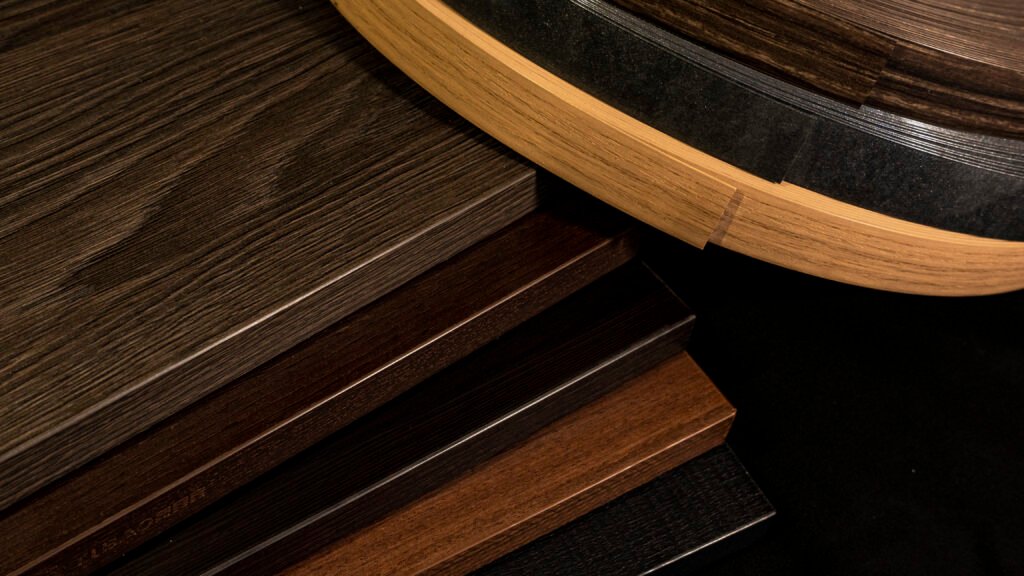
Dive deeper: root causes, corrective actions, and prevention plans
I break the common faults into cause, immediate fix, and long-term prevention.
Metamerism (colors match under one light but not another).
- Cause: pigments reflect differently at different wavelengths.
- Fix: show samples under multiple standard lights (D65, A, TL84). Get customer approval under agreed lights.
- Prevent: choose pigments with stable spectral behavior or use full spectral matching.
Batch-to-batch shifts.
- Cause: resin lot changes, masterbatch variance, filler percent drift.
- Fix: run a short trial and compare spectral data. Adjust formula.
- Prevent: lock suppliers, require certificates, and test incoming lots.
Poor dispersion / streaks.
- Cause: bad mixing, incorrect screw design, or wrong additives.
- Fix: reduce feed rate, clean die, rerun at adjusted temps.
- Prevent: schedule screw maintenance, use proper mixing screws, and log torque data.
Surface finish changes impact perceived color.
- Cause: embossing and gloss differences.
- Fix: match finishing process during sample production.
- Prevent: define finish in the color standard and produce the sample with the same embossing rollers.
Instrument drift and human error.
- Cause: uncalibrated devices or inconsistent sample handling.
- Fix: recalibrate instruments and retrain staff.
- Prevent: daily quick-checks with a control tile and standard operating procedures.
I keep a short corrective actions sheet near every line. When a problem appears, we follow the sheet step by step. That practice solves most issues before they grow.
(Technical references: Mobelkant, Uplastech, HunterLab.)
Conclusion
I gave a clear, step-by-step color matching workflow. Use instruments, log data, and standardize approvals to cut rejects and speed delivery. (28 words)
Data sources and links
- HunterLab — Guide to Color Spectrophotometers. https://www.hunterlab.com/blog/guide-to-color-spectrophotometers-what-tool-is-right-for-your-application/ (hunterlab.com)
- X-Rite — Color Measurement Devices (blog). https://www.xrite.com/blog/color-measurement-devices (xrite.com)
- PlasticsToday — How to measure color in plastics. https://www.ptonline.com/articles/in-depth-guide-on-how-to-measure-color-in-plastics (ptonline.com)
- Uplastech — Ensure proper mixing of colorants in the extruder. https://uplastech.com/ensure-proper-mixing-colorants-extruder/ (Uplastech)
- Mobelkant — Measuring color in edgebands (SPIN vs SPEX). https://www.mobelkant.com/en/measuring-color-in-edgebands-understanding-spin-vs-spex/ (MobelKant)