I see the risk: a cheap sample becomes a costly problem in mass production. I show a clear sourcing path to avoid that. (PAS — 21 words)
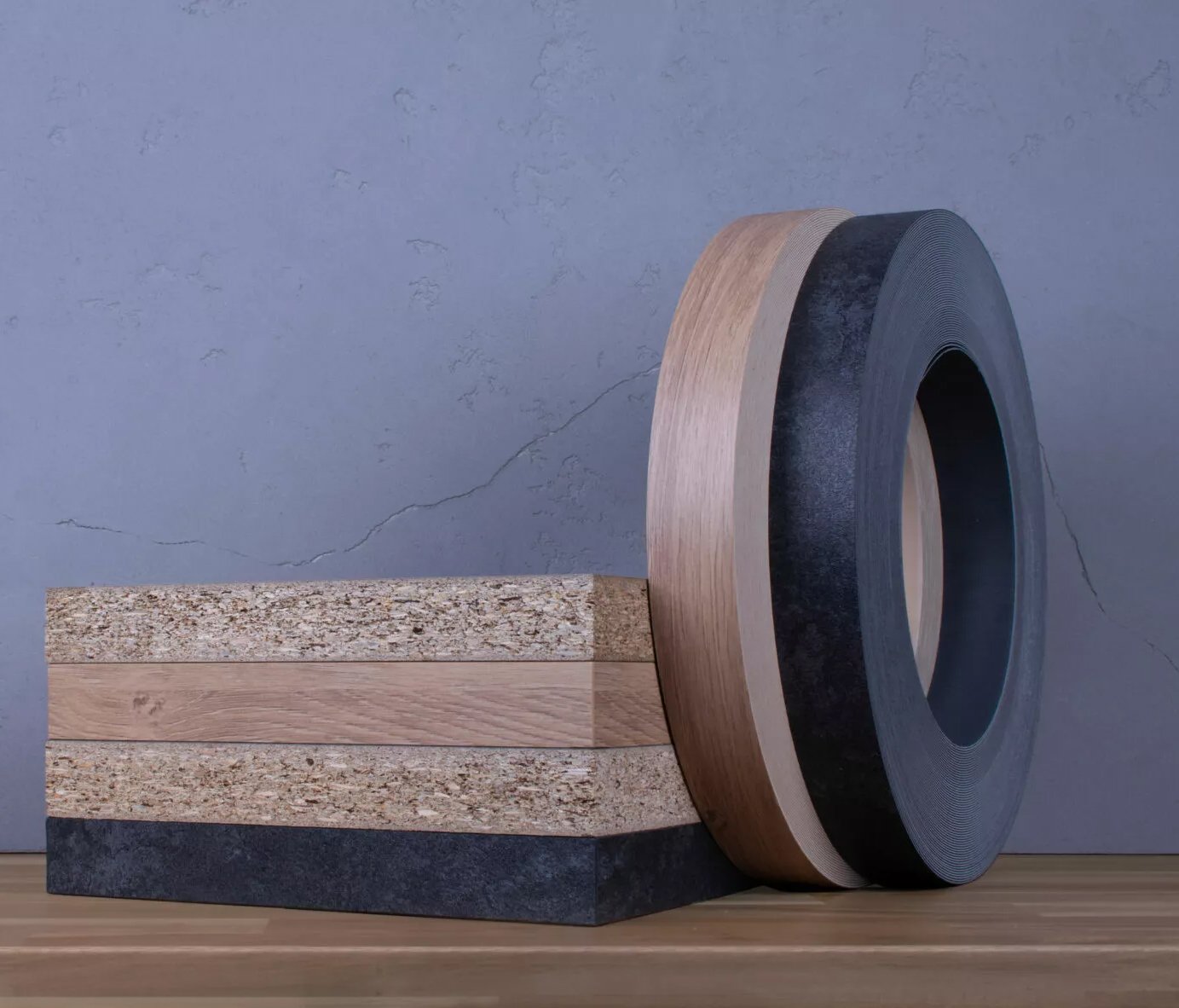
China supplies most PVC edgeband worldwide. I explain where to look, how to verify factories, and what checks cut risk. Follow this workflow to reduce surprises and get consistent reels.

I will walk you through the whole process. I keep the steps practical. I use checks I use in real sourcing. Read on and keep this as your quick checklist.
Why China Leads the Global PVC Edgeband Supply Market?
I have seen buyers assume local sourcing is simpler. That causes higher unit cost and slower iterations. (PAS — 20 words)
China has large production clusters and integrated supply chains for PVC edgeband. The region offers scale, many qualified suppliers, and export experience. This makes China a practical source for varied budgets and specs.

Dive deeper: scale, clusters, and why that matters to your order
China hosts clusters that combine resin suppliers, masterbatch makers, extrusion machinery, and finishing houses. This reduces lead time. It also lowers logistics cost inside the supply chain. When a factory needs a special pigment or additive fast, local availability speeds trials. When a mill needs to change die or embossing rollers, nearby vendors help. I use these local networks to run quick trials before full orders.
Market studies show Asia Pacific holds a large share of the edge-banding market and China is a major producer. The global edge banding materials market was valued around USD 1.6 billion in 2024 and Asia Pacific accounted for a big portion of that. China’s export data for PVC edgebanding show steady shipping volumes and many active exporters, which means options for buyers at different scale levels.
Scale also means variety. You can find low-cost, mid-range, and higher-end PVC formulations. You can also find specialized items such as fire-retardant grades, anti-scratch surfaces, or specific gloss levels. For me, cluster advantage lets me pick a partner that best matches the product spec and price target.
That said, scale brings variance. More suppliers means more quality spread. You must screen suppliers. You must ask for consistent samples. I always plan a small pilot run to confirm a chosen factory can repeat the result under production conditions.
Key Factors to Evaluate When Choosing a PVC Edgeband Manufacturer?
You may focus on price first. That usually causes problems later. I focus on capability, traceability, and consistency. (PAS — 22 words)
Evaluate production capacity, quality systems (ISO), testing, raw material sources, export experience, and references. Check recent export shipments and whether they handle your target markets. These points predict reliability better than a low quote.

Dive deeper: checklist of technical and commercial criteria with quick checks
I use a short checklist to screen factories. I share the items and practical checks.
Production capability
- What to ask: daily and monthly output for your SKU.
- Quick check: compare claimed capacity with photos or video of the line. Ask which machines they use and the screw types for extrusion.
Quality systems and certifications
- What to ask: ISO 9001, product test reports, and third-party inspection history.
- Quick check: request copies and verify the cert numbers. Some auditors publish verification info. SGS, Intertek, or Bureau Veritas checks add credibility.
Raw material traceability
- What to ask: resin supplier names, masterbatch sources, and filler specs.
- Quick check: ask for material certificates (CoA) and recent lab test results.
Export and compliance experience
- What to ask: export markets and familiarity with required standards (REACH, RoHS, etc.).
- Quick check: request recent shipment records or proforma invoices for similar destinations.
Quality control and testing
- What to ask: in-line QC steps, color control methods, and defect rates.
- Quick check: ask for sample test reports (tensile, peel adhesion, color ΔE). Ask how they handle nonconforming batches.
References and sample policy
- What to ask: references from distributors or factories in your market.
- Quick check: call or message references and ask about delivery, rework, and communication.
I prefer suppliers that allow short pilot production with clear acceptance criteria. I set a small initial order and make passing that trial a condition for larger orders. This reduces risk and forces the factory to prove repeatability.
How to Verify Factory Credibility and Production Capability?
A profile can be polished. I verify facts. I use documents, third-party audits, and on-site or video checks. (PAS — 20 words)
Verify the business license, check factory videos or live streams, run third-party audits, and do pre-shipment inspections. Use customs export data and shipment records for cross-checks.

Dive deeper: step-by-step verification methods and what each reveals
I use a layered approach. Each layer reduces risk.
1. Document check.
I ask for the Chinese business license and Unified Social Credit Code. I check registered address and business scope. This step proves legal status. It also shows whether the company is a trading firm or a manufacturer.
2. Online footprint and shipment records.
I check platforms like Alibaba, Made-in-China, and trade data portals to see shipment history. Tools like Zauba, Volza, or trade data services show recent export volumes and destinations. If export records match the supplier’s claims, that builds trust.
3. Video tour and live feed.
I ask for a live video of the production line. I request to see extrusion lines, QC stations, and packing areas. A live session tells me if the factory has the claimed machines and processes.
4. Third-party audits and inspections.
I use auditors like SGS, Intertek, or local inspection firms for factory audits. Audits check management systems, worker conditions, and real capacity. Pre-shipment inspections catch defects before sea freight. Many buyers treat audit reports as contract attachments.
5. Samples and pilot runs.
I order samples and then a pilot reel produced on the intended line. I test for color, thickness, adhesion, and surface finish. I measure and record values. A pilot run shows reproducibility.
6. References and trade credit checks.
I ask for buyer references. I check how long the supplier has exported to key markets. Long-term clients are a strong sign.
I combine these checks. No single check is enough. I prefer suppliers that accept a short audit and sample contract. That gives me control and good leverage to fix issues early.
Common Mistakes to Avoid When Sourcing from China?
Buyers repeat the same errors. I avoid them by using clear specs and staged approvals. (PAS — 15 words)
Common mistakes: buying only on price, skipping factory checks, not testing full production samples, and vague contracts. These lead to late rework and disputes. I set clear specs, test runs, and inspection steps in writing.

Dive deeper: real issues I saw and exact fixes to use
I list frequent problems, their impact, and my fixes.
Mistake 1 — Quoting only on unit price.
- Impact: you get lower quality or hidden costs from rework.
- Fix: ask for landed cost and include QC and testing in the quote. Require a pilot price and a production price.
Mistake 2 — No written acceptance criteria.
- Impact: disputes on color, thickness, or adhesion.
- Fix: use a spec sheet with measurements (ΔE, thickness tolerance, peel force). Attach pilot sample approval to PO.
Mistake 3 — Skipping audits or inspections.
- Impact: undetected capacity or compliance problems.
- Fix: budget for third-party audit and pre-shipment inspection. Use reputable firms for objective reports.
Mistake 4 — Poor communication on packaging and logistics.
- Impact: damage in transit and extra fees.
- Fix: define packaging standards and inspection points before shipment.
Mistake 5 — Not planning for long lead times on custom colors.
- Impact: delays and rushed fixes that reduce quality.
- Fix: build time for color matching, pilot runs, and customer approval into the schedule.
I write these fixes into my sourcing checklist. I share the checklist with factories at the RFQ stage. That simple step saves time and avoids arguments later.
Building Long-Term Partnerships with Reliable Chinese Suppliers?
A one-off win is fine. Long-term relations lower cost and improve quality. I show how to build them. (PAS — 17 words)
Be fair, pay on time, share forecasts, and invest in small trials and joint QC standards. Over time the supplier becomes a partner in problem solving. This reduces defects and shortens lead times.

Dive deeper: practical steps to move from vendor to partner
I use a phased plan to build trust.
Phase 1 — Trial and proof.
Start with clear POs, pilot runs, and small volume. Validate quality and delivery.
Phase 2 — Process alignment.
Share your QC checklists. Ask the factory to adopt your acceptance criteria. Agree on sampling frequency and reporting format.
Phase 3 — Forecasts and price stability.
Share realistic forecasts. This helps factories plan resin purchases and line time. Offer volume commitments for better pricing.
Phase 4 — Continuous improvement.
Schedule quarterly reviews. Share defect data and root cause analyses. Co-invest in tooling or color libraries if the volumes justify it.
Phase 5 — Formal agreements.
Move to contracts that include quality metrics, penalties for major defects, and bonuses for consistent performance.
I found that suppliers respond well to predictable demand and fair terms. Over time, they allocate better machines and material lots to your orders. That gives you better quality and priority on lead times.
Conclusion
I outlined a practical sourcing path: pick clusters, verify factories, test pilots, avoid common mistakes, and build long-term partnerships to secure consistent PVC edgeband supply. (28 words)
Data sources and links
- IMARC Group — Edge Banding Materials Market Report 2024–2025. (IMARC Group)
https://www.imarcgroup.com/edge-banding-materials-market - Volza / Trade data — PVC Edge Banding imports and exports. (Volza)
https://www.volza.com/p/pvc-edge-banding/import/coo-china/ - Zauba / India-China trade records — export samples and shipment logs. (Zauba)
https://www.zauba.com - SGS — Supplier Verification and Audit Services. (SGSCorp)
https://www.sgs.com/en-hk/services/supplier-verification-program - QCAdvisor / Factory audit guidance for China. (QCADVISOR)
https://www.qcadvisor.com/blog/factory-audit-china/ - EdgeBandCT — Practical guide to importing PVC edgeband from China. (Edge Band CT)
https://edgebandct.com/how-to-import-pvc-edgeband-from-china-a-distributors-step-by-step-guide/