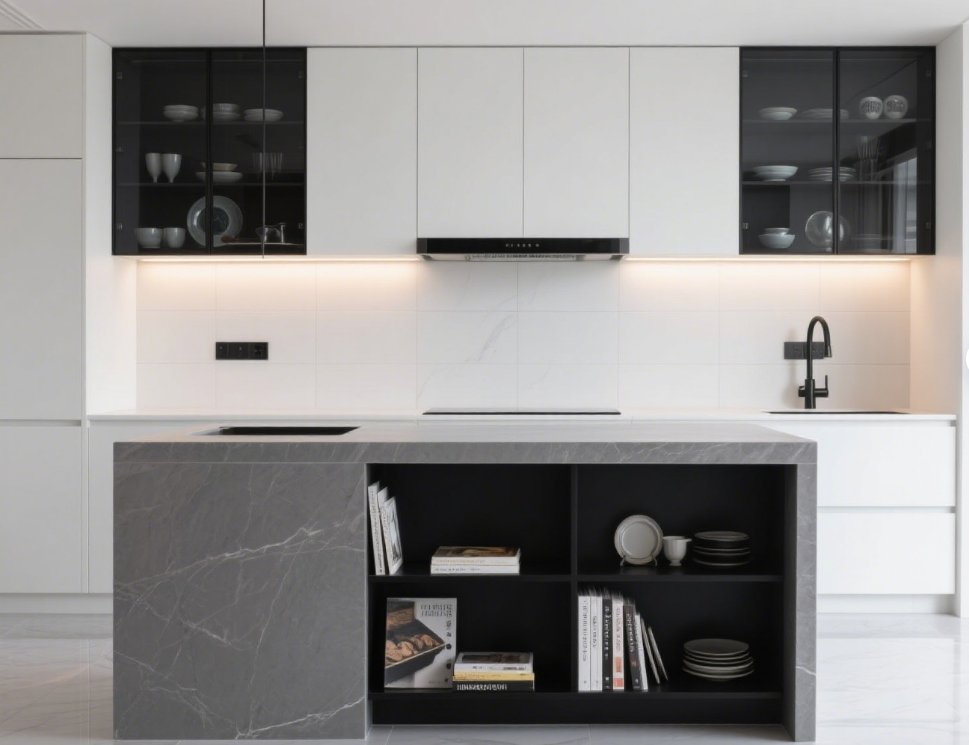
I have lost orders because edges dulled fast. That hurt reputation and margins. (PAS: problem, agitate, solve — short.)
Gloss retention defines the perceived quality of premium furniture. Good gloss keeps the look, value, and buyer trust over years.
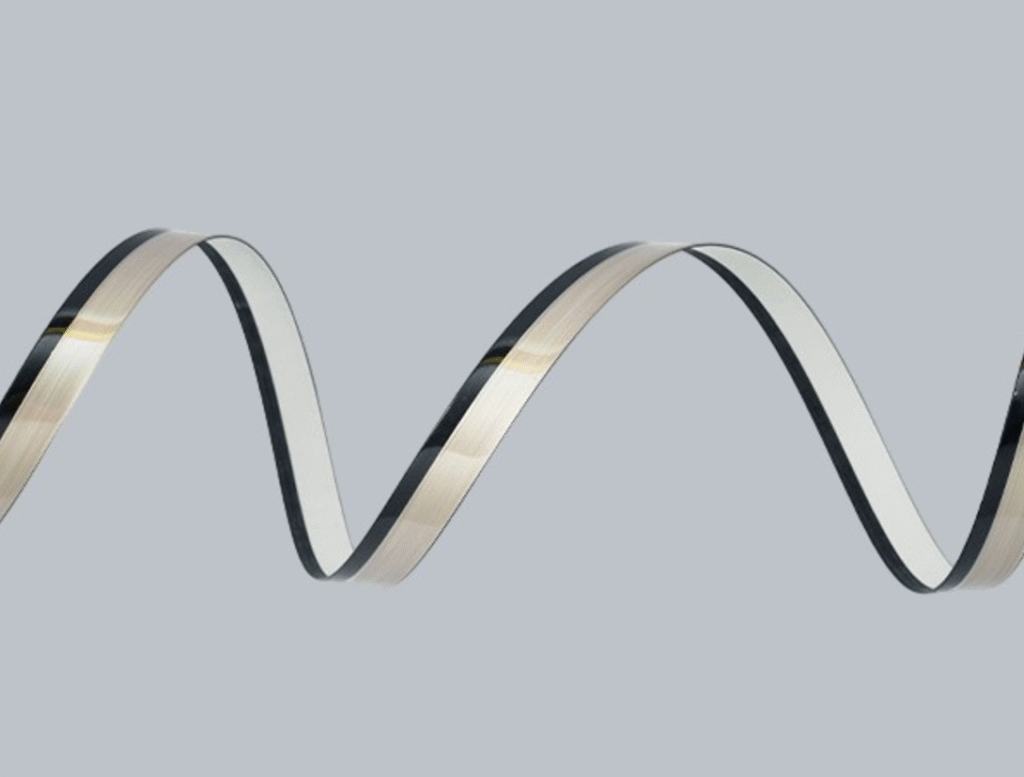
I will explain why gloss matters. I will show what causes loss. I will show how to measure it. I will give steps to protect gloss on PVC edgeband. I use simple language and shop-floor insights I learned the hard way.
What Is Gloss Retention and Why It Defines Premium Furniture Quality?
Gloss retention is how well a surface holds its shine over time. It measures the percent of original gloss left after wear, UV, cleaning, or aging.
High gloss retention means the piece keeps its original look. That makes furniture feel new and premium longer.

Dive deeper: the meaning of gloss, how we measure it, and why buyers notice
Gloss is a simple optical trait. A gloss meter shines light at a fixed angle and measures reflected light. The standard method uses 60° geometry for furniture surfaces (ISO 2813/DIN EN ISO 2813). That gives a numerical gloss value you can track. Premium furniture makers set a target gloss and a tolerance. They expect the edgeband and panel to match visually. If the edge dulls faster than the panel, the mismatch looks obvious even at a glance.
Gloss retention is reported as a percentage. You measure initial gloss, perform an aging test (abrasion, UV, or chemical), then measure final gloss. If a sample starts at 90 GU (gloss units) and ends at 72 GU after testing, gloss retention is 80%. High-end applications often demand ≥85% retention under defined tests. Some manufacturers publish targets like “≥85% after 1,000 hours UV” for high-gloss edge materials. That becomes a buying filter for premium furniture producers.
Human perception matters more than pure numbers. Research shows that consumers link high gloss and consistent reflection with luxury. Small gloss loss on visible edges signals aging earlier. I learned that buyers return whole batches when edges look tired even if panels still look fine. For that reason, gloss retention is a functional spec and a brand-protection metric.
How Gloss Loss Impacts Aesthetics, Product Value, and Customer Satisfaction?
Gloss loss changes how light plays on a surface. It hides depth in woodgrain and makes colors look flat. That affects perceived value and buyer happiness.
When gloss fades on edges, customers see wear first. That reduces perceived value and increases complaints and returns.
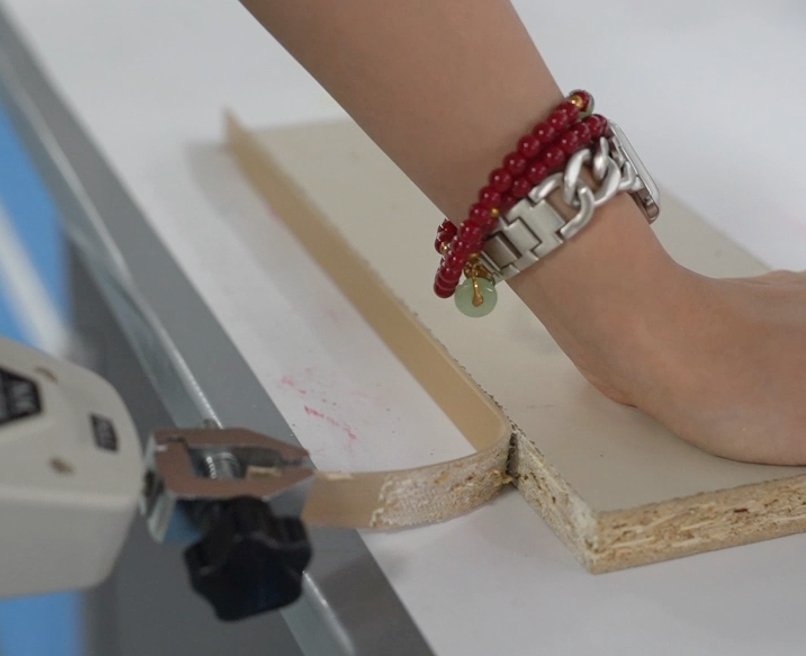
Dive deeper: aesthetic, economic, and brand impacts
Aesthetic impact is immediate. On a high-gloss cabinet, edges frame the face. If the face keeps shine and the edge dulls, the join looks poor. The eye notices edge contrast more than panel fade. This visual mismatch shortens the shelf-life of the product in the consumer’s mind. Buyers who pay premium expect a uniform look years after purchase. If gloss fades unevenly, perceived quality drops fast.
Economic impact follows. A returned or complained item costs manufacturing margins, logistics, and reputational capital. For me, a single large complaint triggered a safety stock hold and rework that cost more than the original benefit of using a cheaper edgeband. Premium buyers pay for consistency. They accept a slightly higher material cost if the edge preserves gloss and reduces returns. Product value is thus tied to surface longevity, not just initial appearance.
Customer satisfaction links to expectations. High-end customers compare their purchase to other luxury goods. A living room cabinet with dull edges fails their expectations. That leads to negative reviews and lower repeat purchase rates. In B2B channels, retailers may demand replacements or discounts. From my experience, investing in higher gloss-retention materials pays back through fewer complaints and stronger buyer relationships.
Key Factors That Cause Gloss Degradation in PVC Edgeband
Gloss disappears from abrasion, chemical attack, UV exposure, cleaning, and poor processing. Each factor reduces the smooth reflective film on the surface.
Abrasion and micro-scratches, chemical cleaners, UV aging, and poor adhesion or overheating during processing are the main causes of gloss loss.
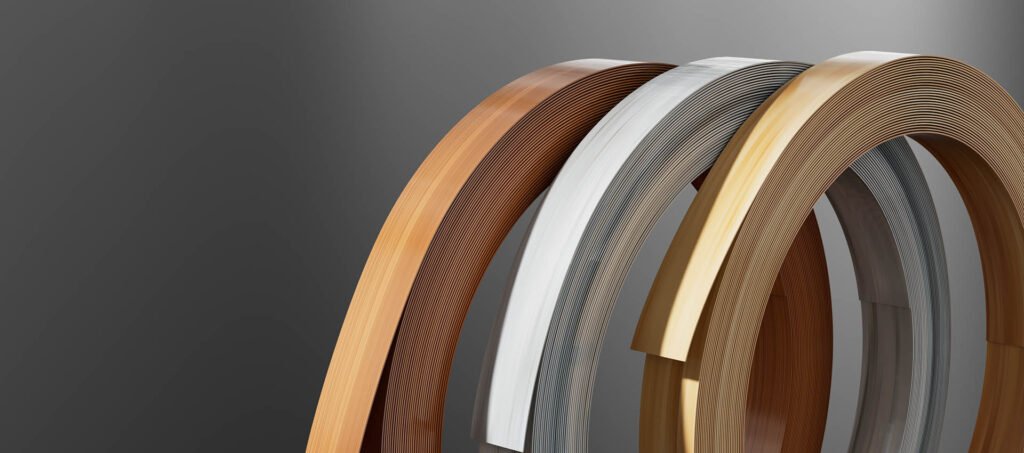
Dive deeper: break down causes, how they interact, and what to watch for
Abrasion is the top mechanical cause. Everyday contact, polishing, and shipping rubs the top film. The Taber Abraser test simulates this by rubbing samples under defined loads and cycles. Edgeband that loses gloss quickly in Taber tests will show worn edges in real life. Suppliers sometimes quote Taber cycles as a performance metric. I ask for abrasion numbers when I buy for high-traffic furniture.
Chemicals are another common cause. Some cleaners and solvents soften or etch PVC finishes. Manufacturer technical sheets often state chemical resistance per DIN standards. I test recommended cleaners on samples first. Using an aggressive cleaner can remove topcoat hardness and cause matte zones. Poor cleaning protocols cause many shop-floor gloss failures.
UV exposure and photodegradation change the polymer surface and coatings. UV can oxidize pigments and binders. The surface roughens microscopically and scatters light, lowering gloss. High-gloss edges on furniture near windows show this after months or years. Manufacturers sometimes publish UV test results (e.g., % gloss retention after X hours in a xenon or UVA chamber). I review these when selecting edgeband for sun-exposed products.
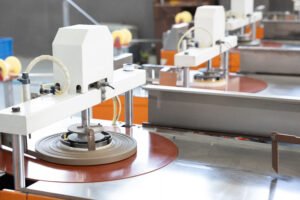
Processing errors also cause gloss loss. Overheating during hot-melt bonding, wrong roller pressure, or excessive trimming can scuff the surface. I train operators to use the lowest effective heat and to perform controlled trimming. That reduces micro-scratches and helps keep gloss.
Environmental factors like humidity and dust play a role too. Dust embeds in the top layer and abrades it during handling. Humidity can change curing behavior of coatings and adhesives, making surfaces less resistant. I control storage and line conditions to reduce these risks.
Performance Benchmarks: How to Measure Gloss Retention for High-End Applications
You need repeatable tests. Use a gloss meter, abrasion tests, UV exposure, and chemical rub tests. Set pass/fail criteria that match end-use.
Common benchmarks: ISO 2813 gloss measurement, Taber abrasion cycles, and UV exposure tests with reported percent gloss retention.

Dive deeper: practical testing protocol and acceptance levels
Start with baseline measurement. Use a calibrated gloss meter at 60° for typical high-gloss surfaces. Record initial GU (gloss units). Then run one or more of the following accelerated tests to simulate long-term use:
- Abrasion (Taber): Choose abrasive wheels and load to match expected traffic. Report cycles to a target loss, or report % gloss retention after fixed cycles. For premium edgeband, I look for high cycle counts before reaching 15% loss. Suppliers sometimes quote ≥500 cycles or more for high-grade materials.
- UV / Weathering: Use xenon or UV chamber tests to simulate sunlight. Report gloss retention after hours of exposure (e.g., % retention after 1,000 hours). Good materials aim for ≥80–85% retention depending on initial gloss. I compare these numbers when choosing materials for sunlit rooms.
- Chemical and Rub Tests: Use standardized rub testers (e.g., RT4) to measure rub resistance and color/finish transfer. Test with common cleaners and household chemicals. A pass means no visible dulling or loss greater than your tolerance.
Set acceptance criteria before buying. For visible, high-use pieces I set stricter limits: starting gloss within spec ± tolerance, and ≥85% gloss retention after defined abrasion and UV cycles. For lower-use decorative pieces, I accept a lower retention.
Finally, match lab tests to field trials. I run small runs and monitor customer feedback for the first 6–12 months. Lab tests reduce risk, but real use validates longevity.
Proven Tips to Maintain Long-Term Gloss Stability in Premium PVC Edgeband
Material choice, surface hardcoats, cautious processing, and proper care combine to deliver long life. You must manage the whole chain.
Pick edgeband with tested gloss retention, use protective topcoats or hardcoats where needed, control processing, and advise customers on cleaning.
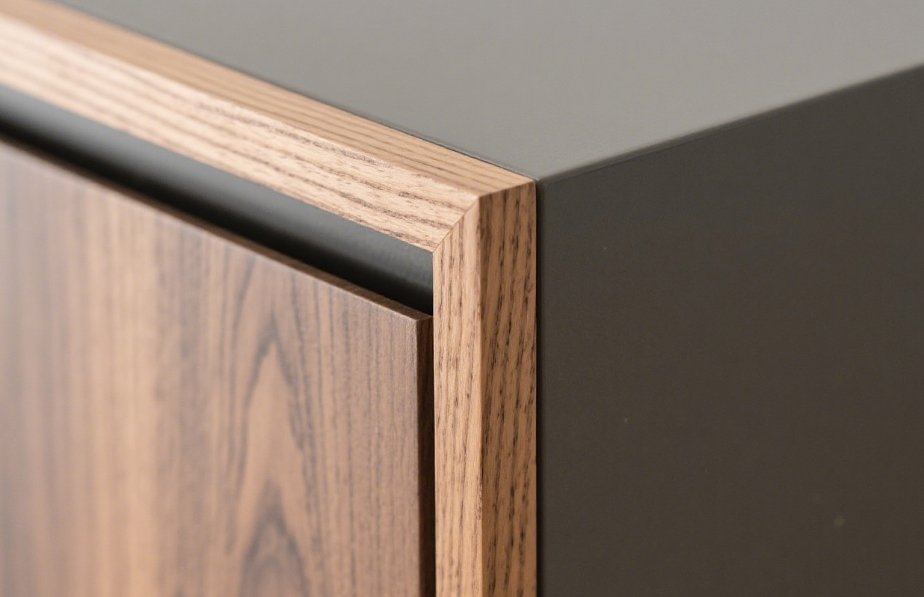
Dive deeper: actionable steps for sourcing, production, and aftercare
Sourcing: Ask suppliers for ISO 2813 gloss numbers, Taber abrasion data, UV test results, and chemical resistance specs. Prefer suppliers who publish these metrics in technical data sheets. High-end brands like REHAU publish recommended processing parameters and resistance classes. I avoid suppliers who cannot produce test data.
Surface protection: Some edgebands come with hardcoats or scratch-resistant layers. These layers improve abrasion resistance and slow gloss loss. Nano-coatings and advanced topcoats can increase scratch resistance and gloss retention. For premium lines, I sometimes specify a hardcoat finish or choose edgeband with higher initial gloss and a protective layer. Market studies show nano-finishes can improve gloss retention and scratch resistance measurably.
Processing control: Use the lowest effective glue temperature and moderate roller pressure. Avoid overheating which can soften and dull the PVC face. Train operators to trim carefully with sharp tools and finish with gentle buffing rather than heavy sanding. For laser or zero-joint processes, follow supplier settings to avoid local overheating that dulls the face. I keep processing sheets next to each machine to ensure repeatability.
Quality checks: Implement incoming inspections and simple lab checks. Measure initial gloss on new lots. Run a 100–300 cycle Taber test sample and check retention. Keep records and accept lots only if they meet defined targets. This avoids surprises in production.
Customer care: Provide cleaning guides. Recommend mild cleaners and soft cloths. Warn against abrasive pads, harsh solvents, and aggressive polishes. Small care steps keep gloss longer and reduce complaints.
Cost vs benefit: Higher-spec edgeband costs more. I weigh that against fewer returns, stronger brand value, and less rework. For premium furniture, I prefer the safer choice. That decision protects margins in the long run.
Conclusion
Gloss retention defines perceived quality, reduces complaints, and protects value. Test, buy the right material, control processing, and instruct customers on care.
Data sources and links
- DIN EN ISO 2813 / ISO 2813 — Determination of gloss value (gloss meter method). https://www.iso.org/standard/56807.html.
- REHAU — Edgeband technical data (gloss measurement and processing guidance). https://www.rehau.com/downloads/886866/edgeband-technical-data-sheet.pdf. (REHAU)
- Taber Industries — Taber Abraser test method and ASTM references for abrasion resistance. https://www.taberindustries.com/test-method-taber-rotary-abraser. (Taber Industries)
- Research on gloss perception and coated wood surfaces. MDPI Coatings — Glossiness evaluation. https://www.mdpi.com/2079-6412/11/5/558. (MDPI)
- Hanatek / Rhopoint — Rub & abrasion testers and rub resistance methods for inks and coatings. https://www.rhopointinstruments.com/product/rub-tester-abrasion-tester-rt4/. (Rhopoint Instruments)