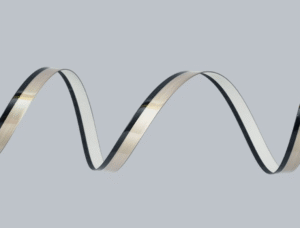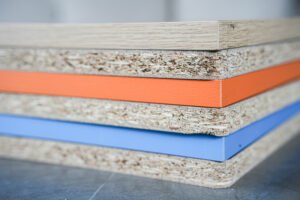
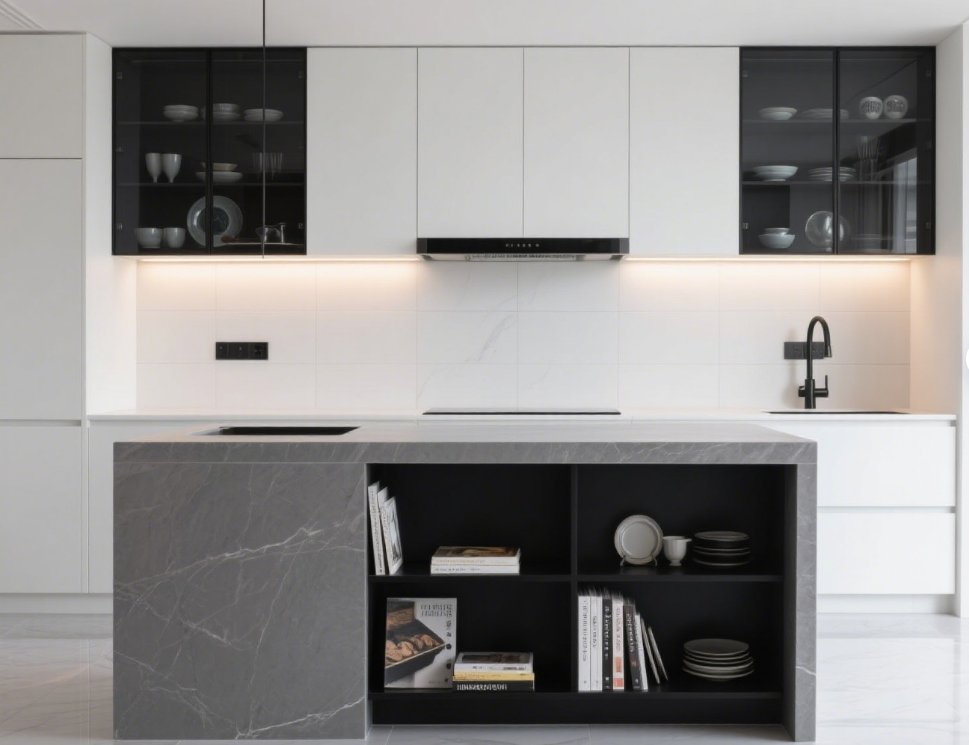
I notice many kitchens fail fast. Moisture, knocks, and cleaning break edges. I felt the same, so I learned what works. I chose PVC edgeband.
PVC edgeband is a top pick for modern kitchen cabinets because it balances cost, moisture resistance, durability, and design flexibility. It prevents edge swelling, resists daily cleaners, and pairs well with common adhesives and production lines.
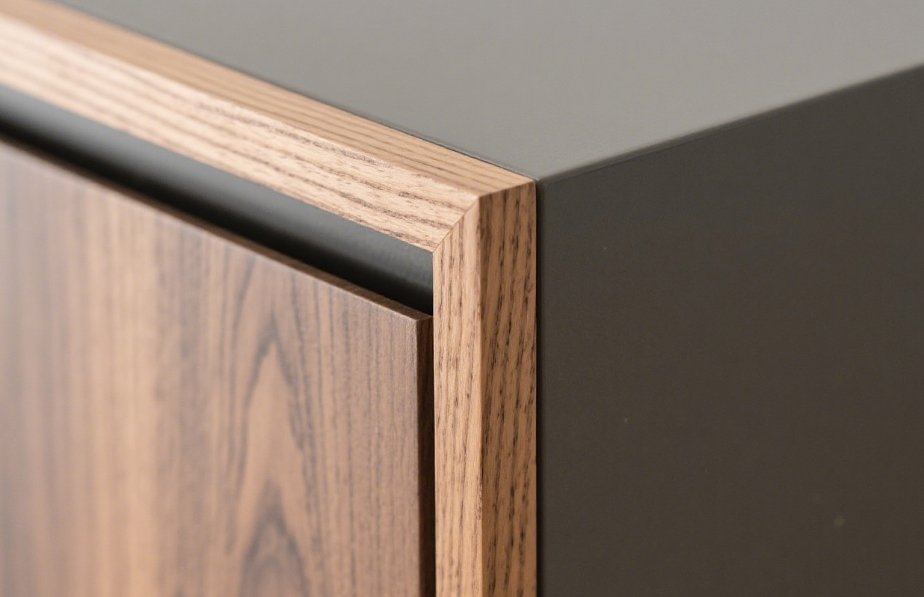
I want you to keep reading. I will walk you step by step. I will show facts, trade-offs, and practical tips you can use now.
How PVC Edgeband Meets the Functional Needs of Modern Kitchen Design?
I saw cabinets fail where edges met water and heat. That problem pushed me to test materials and adhesives. I found PVC often solved it.
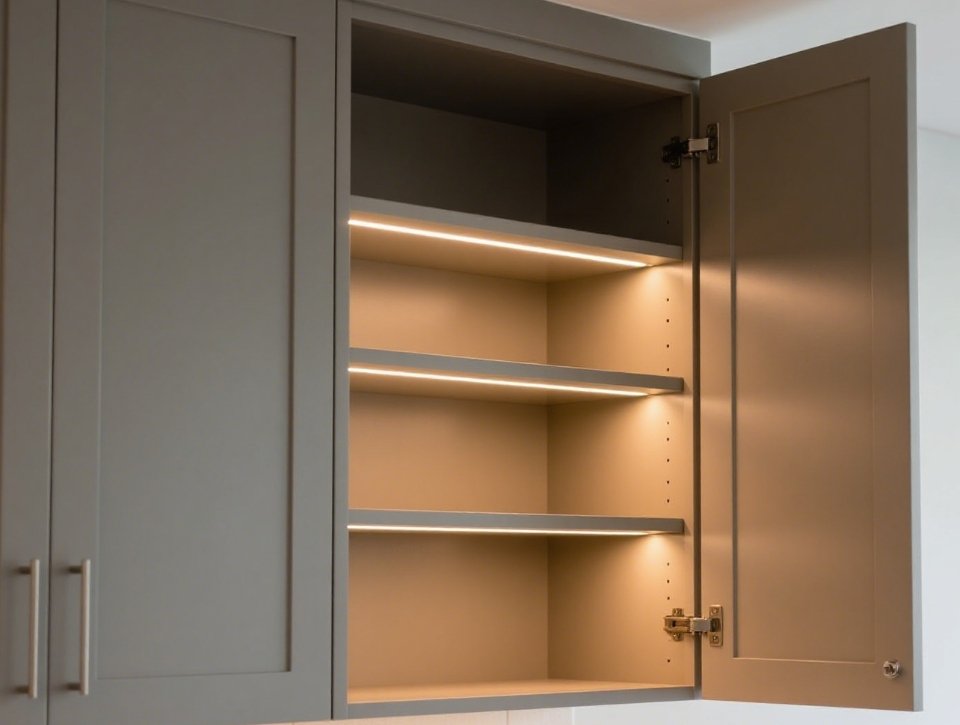
PVC meets modern kitchen needs by forming a sealed, non-porous edge that resists humidity, withstands common cleaning chemicals, and tolerates daily knocks. It also comes in many colors and finishes, so it fits modern aesthetics while protecting the substrate.
Dive deeper: How functional needs translate to material choices
Modern kitchens demand edges that do four main things:
- Resist moisture and steam.
- Withstand abrasion and impacts.
- Hold up under heat from appliances.
- Match the look of the cabinet face.
I break the problem down and show how PVC addresses each need.
1) Moisture resistance and edge integrity
PVC is a non-porous polymer. When applied correctly with the right adhesive, it creates a continuous barrier. This barrier reduces water ingress at the board edge. Less water means less swelling and fewer delamination issues. Industry guides and manufacturer data show PVC performs well in humid environments and in kitchens where steam and spills are common.
2) Impact and abrasion resistance
PVC formulations often include impact modifiers. They make the band less likely to chip or crack from bumps. For kitchens that see heavy use, that matters. ABS can be tougher in some impacts, but PVC still gives a reliable wear profile at lower cost.
3) Heat and chemical tolerance
PVC tolerates normal indoor temperature swings and many household cleaners. It can discolor under strong UV for very long outdoor exposure, but in indoor kitchens it keeps its finish. PVC’s chemical makeup also helps it resist many cleaning products used in kitchens.
4) Design flexibility
PVC is available in matte, gloss, woodgrain, and metallic looks. It can be matched closely to laminate faces. That lets designers keep consistent aesthetics while avoiding the cost and moisture risk of real wood veneers.
Quick comparison table
| Functional Need | PVC Edge Banding | ABS | Wood Veneer |
|---|---|---|---|
| Moisture resistance | High. Non-porous, good with proper adhesive. | Medium-high. Good, but formulation dependent. | Low. Sensitive to moisture if finish fails. |
| Impact resistance | Good with modifiers. | Very good. | Moderate. Can chip. |
| Cost | Low – cost-effective. | Higher. | High. |
| Design range | Very wide (colors, textures). | Wide but fewer patterns. | Natural look only. |
| Production ease | Easy to apply with hot-melt. | Easy but costlier. | Requires more care and finishing. |
These points explain why I and many manufacturers pick PVC for busy kitchens.
Key Material Advantages That Make PVC Edgeband a Smart Choice for Cabinets?
I compared data and shop floor experience. PVC showed consistent advantages. I list them clearly so you can decide fast.
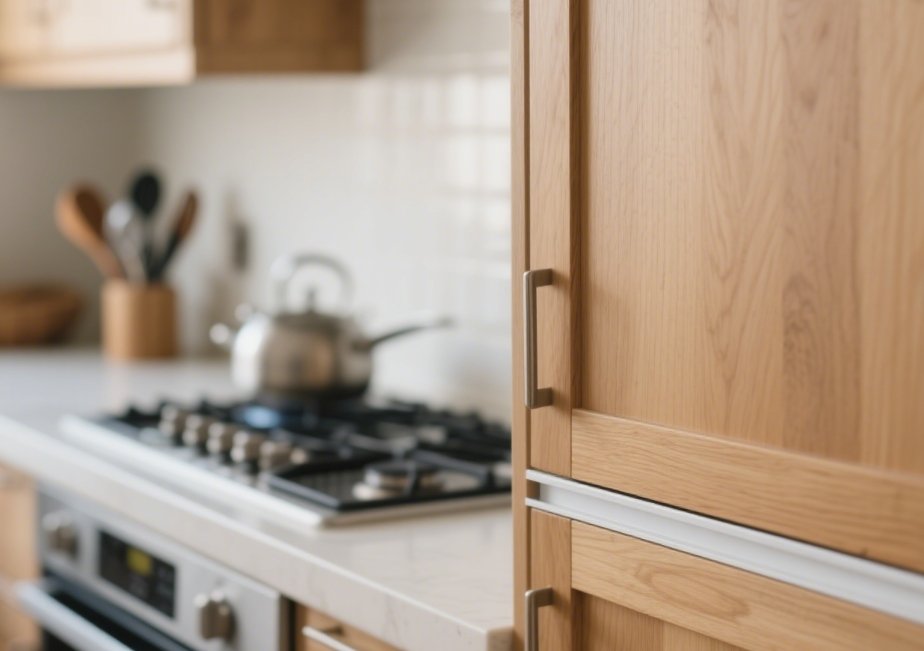
PVC offers low cost, easy processing, a wide range of finishes, and strong resistance to moisture and cleaning agents. These traits make it a practical choice for large runs and bespoke kitchens alike.
Dive deeper: The material science and factory realities
Why cost matters in real projects
PVC raw material costs are lower than ABS and much lower than wood veneer. For a cabinet line or wholesale production, saving on edge banding adds up quickly. I checked market data showing strong market share for PVC in edge-banding materials and steady growth in demand for cost-effective options.
Processing and production benefits
PVC bonds well with common hot-melt adhesives. It runs smoothly on automatic edgebanders. That reduces scrap and rework. Faster cycles mean lower labor per unit. For me, that means more predictable output and lower unit cost.
Finish options and color matching
PVC manufacturers offer many decors and finishes. They also produce thin, flexible rolls that conform to curved edges. This flexibility is especially useful in modern kitchen designs that favor rounded islands or curved cabinet faces. Manufacturers like REHAU showcase large ranges of uPVC edgebands for interior applications.
Environmental and regulatory notes
PVC has critics due to additives and chlorine content. ABS is often promoted as more recyclable. If sustainability is a top priority, ABS or veneer may be better despite higher cost. I always weigh environmental goals against budget and performance needs.
Performance Benefits: Durability, Moisture Resistance, and Long-Term Stability?
I track failure modes in cabinets. Edges peel, crack, or swell. PVC reduces those failures in my experience. I want to show how and why that happens.
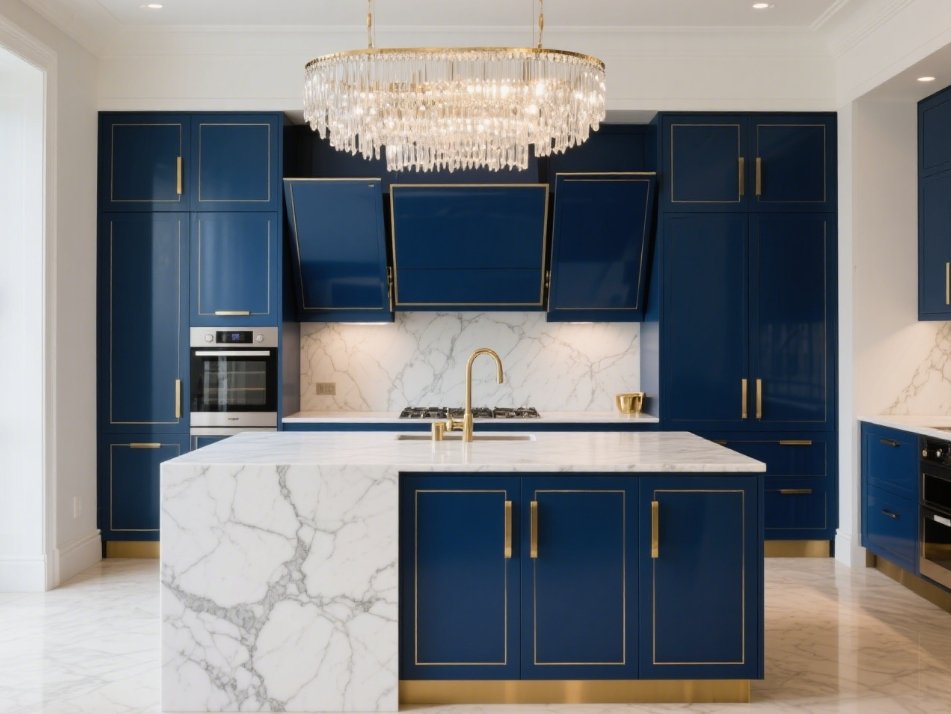
PVC provides strong long-term stability when applied with correct adhesives and process controls. It resists daily wear and moisture-related decay better than many alternatives in kitchen environments.
Dive deeper: Tests, real-world performance, and maintenance
Adhesion and peeling strength
Peeling is the most common edge failure. Research on process optimization shows peeling strength depends on adhesive type, temperature, feed speed, and material. PVC works well when the process is tuned. A study on process parameters confirmed that material, glue amount, and temperature are all critical for long-term peel strength. This means PVC’s excellent performance depends on good production control.
Moisture and long-term stability
PVC’s non-porous surface stops water from reaching the core. That prevents core swelling and delamination. Long-term, this keeps cabinets tight and looking new. Manufacturer tech notes and industry guides support that PVC has strong moisture resistance when properly applied.
Real-world maintenance
For homeowners, PVC edges need little special care. I clean them with mild detergents. Avoid strong solvents and abrasive pads. With proper cleaning and occasional checks on joint integrity, PVC edges last many years in kitchens.
Practical checklist for long-term performance
- Use compatible hot-melt adhesives and follow adhesive temp guidance.
- Keep edgebander speed and temperature within recommended ranges.
- Inspect edges on final QC for gaps or under-bonded areas.
- Specify PVC grade suitable for kitchen use (ask supplier for moisture, heat, and abrasion specs).
Following this checklist helped me reduce edge failures dramatically in my projects.
Comparing PVC Edgeband with ABS, Acrylic, and Wood Veneer Options?
I weighed trade-offs on cost, performance, and look. I want to give you a clear comparison so you can pick the right material for your goals.
PVC is the best all-rounder for kitchens. ABS gives extra impact and temperature resistance at higher cost. Acrylic (high gloss) is great for aesthetics but is costlier and can crack. Wood veneer looks premium, but it needs perfect sealing and costs more.

Dive deeper: Head-to-head comparisons and decision guide
ABS vs PVC
- ABS often resists impact slightly better. It also has a better eco-profile in some supply chains. But ABS costs more. For heavy-use commercial kitchens or high-temperature projects, ABS can be justified. For most standard kitchens, PVC gives a better cost-performance mix.
Acrylic vs PVC
- Acrylic offers a very high-gloss, seamless look that designers love. It is more rigid and can crack if forced around tight curves. Acrylic edges are more expensive and need careful handling. If your priority is a flawless glossy finish, acrylic may be right. For everyday kitchens where resilience matters, PVC is safer.
Wood veneer vs PVC
- Veneer gives an authentic wood look and is prized in premium builds. However, veneer edges are thin and rely on the substrate and finish to stay sealed. Moisture makes veneered edges riskier in wet kitchens. Use veneer only when you are ready to accept higher cost and stricter maintenance.
Decision flow (short)
- Want lowest cost + good durability → PVC.
- Want top impact/temperature resistance → ABS.
- Want glossy, premium look → Acrylic.
- Want natural wood appearance → Veneer (accept higher cost and care).
This guide matches what I use in real projects and what manufacturers recommend.
Why PVC Provides the Best Balance of Cost, Quality, and Design Flexibility?
I often must deliver value under budget and to a deadline. PVC helps me meet both. It balances price, performance, and finishes in a way few alternatives do.
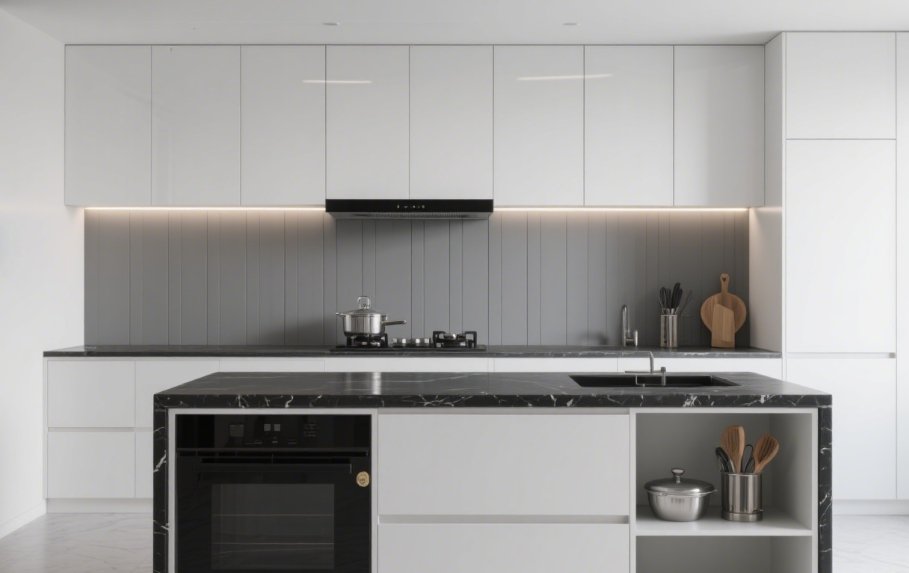
PVC gives strong protection for cabinet edges, broad design choices, and low production cost. For most modern kitchen builds, this balance is the primary reason teams and factories choose PVC.
Dive deeper: Business case and practical ROI
Unit-cost and production ROI
When I calculate cost-per-cabinet, PVC edge banding cuts material and labor expenses. Its ease of application on automatic lines reduces rework and saves hours. Market reports show the edge-banding materials sector values affordability and scalability, which explains PVC’s market leadership.
Design and customization benefits
PVC suppliers keep adding decors and surface effects. That lets me deliver trend-led designs without switching material types. I can match a laminate or produce a custom metallic finish while keeping costs low.
Risk and warranty considerations
Many manufacturers offer PVC grades with warranties for indoor use. When I work with reputable suppliers and control production, I can offer clients a strong warranty with confidence. That lowers perceived risk for buyers and helps sales.
Conclusion
I find PVC edgeband offers the best mix of price, durability, and design for most modern kitchen cabinets.
Data sources and links
- REHAU — uPVC edgebands product info. https://www.rehau.com/in-en/interiors-edges-edgebands. (rehau.com)
- PRI Edge Banding — Ultimate guide and material comparisons. https://priedgebanding.com/the-ultimate-guide-to-edge-banding/. (PRI Edgebanding)
- NC State / Bioresources — Optimization of edge-banding process parameters (peeling strength). https://bioresources.cnr.ncsu.edu/resources/optimization-of-edge-banding-process-parameters-used-for-particle-board-and-medium-density-fiberboard/. (Bioresources)
- Custom Market Insights — Edge banding materials market size and growth. https://www.custommarketinsights.com/report/edge-banding-materials-market/. (custommarketinsights.com)
- Industry comparisons and manufacturer notes (PVC vs ABS, acrylic, veneer). Representative pages: https://e3edgeband.com/pvc-vs-acrylic-vs-wood-edge-band-tape-which-one-to-choose/ and https://demeterdeco.com/news/abs-vs-pvc-edge-banding-understanding-the-differences-for-your-perfect-edgebanding-solutions/. (e3edgeband.com)