Problem: inconsistent edges ruin furniture reputations fast. I see factories struggle with color mismatch, delamination, and rework.
Solution: a professional PVC edge banding supplier fixes these issues with standards, testing, and steady supply.
Answer (snippet): A professional PVC edge banding supplier brings consistent color control, reliable adhesives, predictable lead times, and technical support. These factors let factories reduce defects, speed production, and keep quality uniform across product lines.

Transition: Below I break the topic into five clear questions and answer each. I use concrete steps and examples so you can apply them tomorrow.
Why Quality Standardization Matters for Modern Furniture Production?
Problem: Customers expect identical cabinets, not one-off pieces. I’ve missed orders because of small edge mismatches.
Agitate: One bad batch costs returns, delays, and brand trust. Rework adds hours and money.
Solve: Standardization cuts those risks and keeps product specs stable.
Short answer: Standardization sets measurable tolerances for color, adhesion, gloss, and dimensions. This reduces variation on the line, lowers rejects, and helps factories deliver consistent quality every run.
Dive deeper
I define quality standardization as the documented limits and tests a factory uses to approve materials and finished parts. For edge banding this usually covers:
- Color tolerance (ΔE) and measurement method.
- Bond strength with specified adhesives.
- Dimensional tolerances for width and thickness.
- Surface gloss and texture acceptance.
Why each item matters
- Color tolerance (ΔE): Even small shifts are visible on matte or solid colors. Luxury lines often require ΔE ≤ 1, while standard ranges accept ΔE 2–3. Setting this prevents disputes and returns.
- Bond strength: Weak bonds mean peeling in shipping or use. Specifying adhesive types and test methods avoids field failures.
- Dimensional tolerances: Wrong widths cause extra trimming and machine jams. Consistent sizes speed line setup.
- Surface finish: The same gloss level prevents visible differences between panels.
| Standard element | Typical metric | Why it helps |
|---|---|---|
| Color tolerance | ΔE00 ≤ 1–3 | Reduces visible mismatch |
| Adhesion test | Peel/withdrawal strength in N/mm² | Reduces delamination |
| Width tolerance | ±0.2 mm | Easier machine setup |
| Gloss level | 60° gloss units ±5 | Visual consistency |
When a factory and supplier agree on these numbers, the supplier can measure every roll before shipping. That keeps production predictable. I learned this after a single mis-matched batch cost us two production days. After we required ΔE reports and adhesion results, rejects dropped. Reliable suppliers often provide test reports and certificates, which speeds QA acceptance.
Key Ways a Professional PVC Edge Banding Supplier Ensures Consistent Color, Texture, and Finish?
Problem: My shop used to get batches with different woodgrain patterns.
Agitate: Designers reject mismatched runs. Clients complain about visual streaks and seams.
Solve: Suppliers who control printing, embossing, and coatings make the look repeatable.
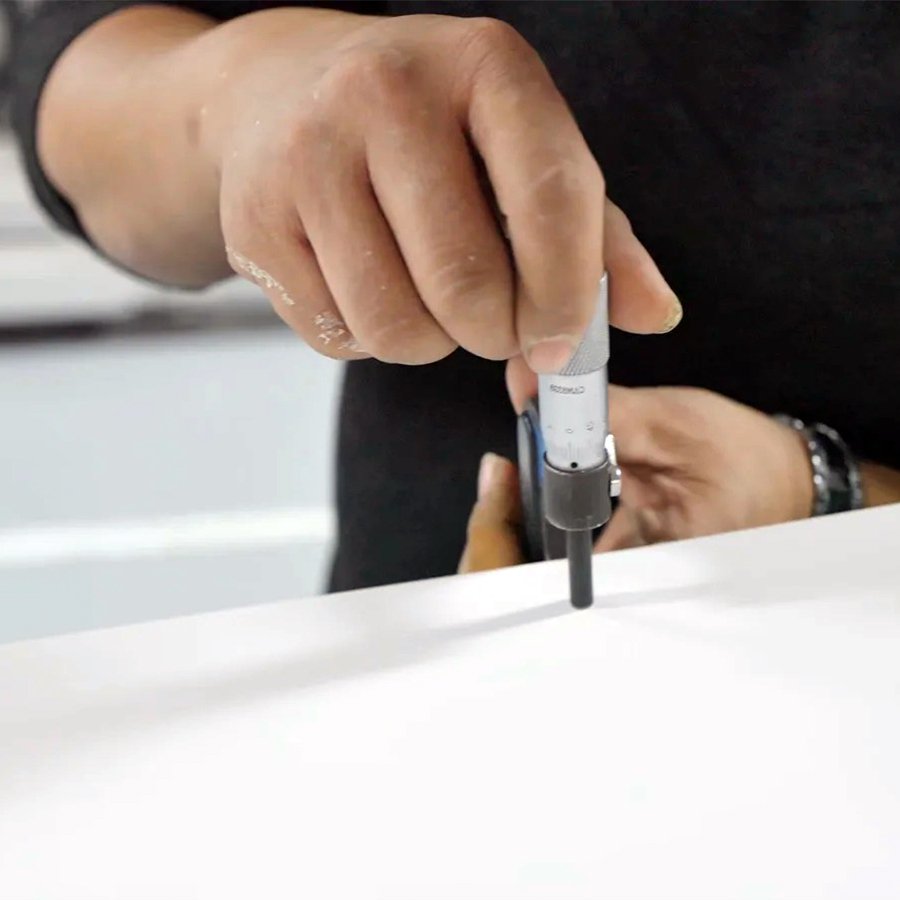
Short answer: Pro suppliers control raw pigments, printing plates, embossing rollers, and UV coatings. They run spectrophotometer tests, keep master samples, and issue color reports so factories get repeatable texture and gloss.
Dive deeper
Color and texture repeatability depends on production controls. A professional supplier uses these practices:
1) Raw material control
They buy consistent PVC resin and pigment batches. A small pigment change alters tone. Good suppliers log batch numbers and link them to production lots.
2) Printing and embossing controls
- Printing plates: maintain master artwork for each color/woodgrain.
- Embossing rollers: keep pattern depth and repeat consistent.
- Coating: same UV coating formula keeps gloss stable.
3) Measurement and acceptance
- Use a spectrophotometer to measure ΔE with agreed standards (e.g., ΔE00, D65 illuminant, 2° observer).
- Record gloss at 60° or 20° as needed.
4) Documentation and sample retention
Suppliers keep physical master samples and test reports for each production run. This makes disputes factual, not emotional.
Example table: color control workflow
| Step | Supplier action | Factory action |
|---|---|---|
| Pre-production | Approve artwork & master sample | Sign off sample |
| Production | Record pigment & resin lot numbers | Request lab report |
| Post-production | Provide ΔE and gloss report | QA compares report to acceptance |
Practically, this means my QA can accept shipments faster. I don’t have to run full in-house tests on each roll. I can sample and compare to the supplier’s certificate. That saves time and reduces downtime on the line. Brands like REHAU advertise ΔE <1 for some edgebands, showing the level top suppliers can reach.
How Reliable PVC Edge Banding Supply Reduces Defects, Rework, and Production Delays?
Problem: Late deliveries force us to rush jobs and accept lower quality.
Agitate: Rushed bonding and wrong adhesives cause delamination. Rework kills margin.
Solve: Reliable supply reduces these risks by guaranteeing MOQ, lead time, and product quality.
Short answer: A dependable supplier keeps steady stock, meets lead times, and delivers materials pre-tested. This lowers defects, avoids emergency purchases, and shortens production cycles.

Dive deeper
A reliable supplier affects the factory in four direct ways:
1) Predictable inventory and delivery
They publish realistic lead times and hit them. That means fewer rush air shipments. We schedule production with confidence.
2) Fewer material-related defects
When edge banding meets the agreed specs, the glue lines set correctly and edge trims go smoothly. Fewer peeled edges and less sanding.
3) Reduced rework cost
Rework often requires stripping and re-banding. That uses labor and adhesive and often leads to scrap. Consistent banding avoids this.
4) Faster line setup
When incoming rolls are the right width and thickness, machine settings don’t need constant tweaks. This increases uptime.
Cost impact example (simple model)
- Average rework cost per defective cabinet: $25
- If a supplier change reduces defect rate from 5% to 1% on a 1,000-unit run, rework savings = (5%−1%) × 1000 × $25 = $1,000.
Beyond the numbers, I’ve seen morale improve when teams stop firefighting material issues. Quality-focused suppliers often share best practices and process parameters (temperature, pressure, glue type). This reduces the time to find a root cause when problems appear. Studies comparing adhesives show PUR can deliver higher withdrawal/peel strength than standard PVAc or traditional hot melts, which matters for durability in heavy-use furniture.
Technical Support and Custom Specifications That Help Factories Maintain Unified Quality Standards?
Problem: We once tried a new profile and the supplier gave no setup help. We spent days tuning machines.
Agitate: Lack of supplier technical support leads to trial-and-error on the line. That wastes time and material.
Solve: Good suppliers provide technical specs, glue recommendations, and on-call troubleshooting.
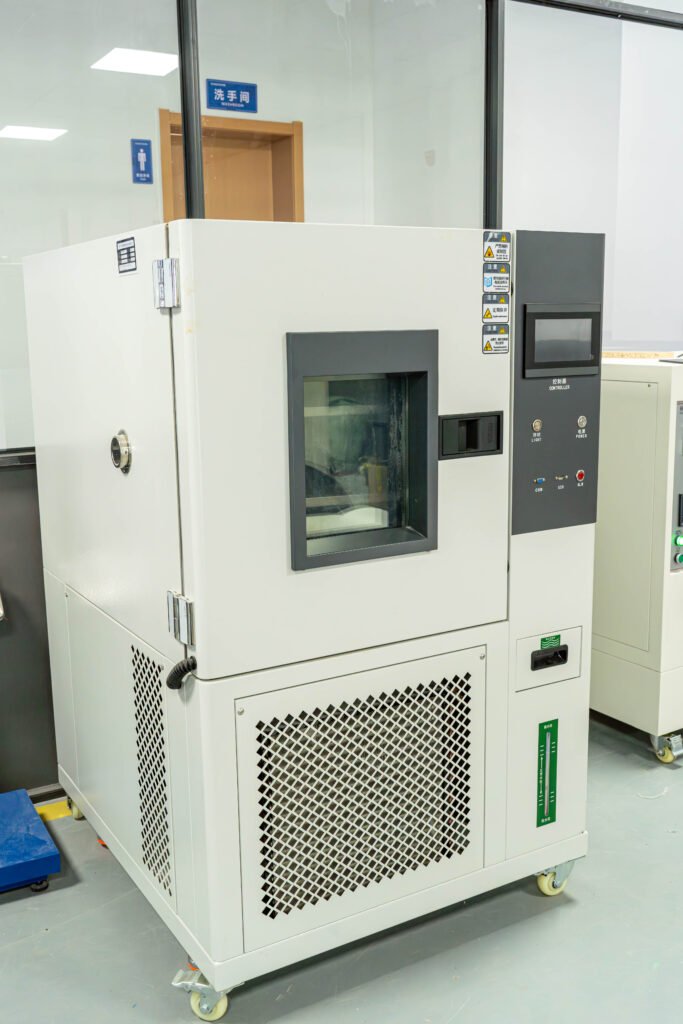
Short answer: Professional suppliers offer processing parameters (temperature, pressure, glue type), sample run sheets, and sometimes on-site training. These inputs let factories reproduce quality reliably across shifts and locations.
Dive deeper
Technical support is where a supplier moves from vendor to partner. Useful elements include:
Supplier deliverables
- Processing datasheets: recommended glue type (hot melt or PUR), glue application temperature, edge-banding machine speed ranges, and trimming blade types.
- Sample run protocols: how to run first 10 panels, inspection checklist, and acceptance criteria.
- Failure-mode guidance: common causes for peeling, bubbling, or color shift and immediate fixes.
Training and troubleshooting
- Remote or on-site training shortens the learning curve for new profiles.
- A supplier that offers quick root-cause analysis can prevent repeated failures.
Table: Example technical spec excerpt
| Parameter | Recommended value | Purpose |
|---|---|---|
| Hot-melt temp | 160–200°C (or follow adhesive datasheet) | Proper wetting of PVC |
| PUR adhesive | Use PUR for high-frequency use | Higher bond strength |
| Machine speed | 6–20 m/min (depends on thickness) | Balances bond and production |
For example, when switching from traditional EVA hot melt to PUR adhesive, suppliers often provide the correct adhesive grade and curing advice. PUR can improve long-term bond performance, but it needs correct machine setup. Suppliers that guide this change avoid costly mistakes. This technical partnership reduces learning cycles and stabilizes quality across product lines.
Long-Term Benefits for Furniture Brands When Partnering with a Certified PVC Edge Banding Manufacturer?
Problem: Brand reputations erode slowly but surely with quality drift.
Agitate: If you chase the cheapest supplier, you may lose premium accounts. Quality failures compound over time.
Solve: A certified, stable supplier supports brand growth, fewer complaints, and easier certification for export markets.
Short answer: Long-term partnerships deliver consistent product quality, easier compliance with export standards, lower total cost of ownership, and stronger brand trust. Certification and traceability help in audits and large contracts.

Dive deeper
When I look ahead five years, partnering with a certified manufacturer pays in several measurable ways:
1) Lower total cost of ownership
You pay slightly more per meter sometimes. But fewer returns, less rework, and lower warranty claims reduce overall cost.
2) Easier market access
Certified suppliers and documented test reports help you pass buyer audits and meet export standards. This is essential when entering regulated markets.
3) Innovation and co-development
Long partners invest in new textures, anti-scratch layers, or special UV coatings. I’ve co-developed a matte finish that gave us a competitive SKU.
4) Brand protection
Consistent finish and fit maintain perceived quality. End customers rarely forgive visual mismatch on cabinets.
Example benefit table
| Benefit | Business impact |
|---|---|
| Fewer returns | Lower logistic & warranty costs |
| Faster audits | Easier new customer wins |
| Joint innovation | New SKUs & margin expansion |
| Traceability | Faster recall control if needed |
Finally, standards like ISO 9001 give a framework for quality management. Working with suppliers who understand these standards makes audits smoother. Over time, this raises your factory’s quality baseline and helps you win larger, stable contracts.
Conclusion
I recommend treating your PVC edge banding supplier as a long-term quality partner. Standardization, testing, and technical support cut defects and grow your brand.
Data sources and useful links
- Why Color Tolerance (ΔE) Matters in PVC Edgeband Production — EdgeBandCT. https://edgebandct.com/why-color-tolerance-%CE%B4e-matters-in-pvc-edgeband-production/ (Edgeband CT)
- REHAU — Edgeband color stability (ΔE < 1). https://www.rehau.com/us-en/millwork/edging (REHAU)
- Effect of Edge Banding Thickness, Dowels, and Adhesive Types — Bioresources / NCSU study. https://bioresources.cnr.ncsu.edu/resources/effect-of-edge-banding-thickness-dowels-and-adhesive-types-on-withdrawal-strength-in-oriented-strand-board/
- How Does a Plastic Edge Banding Extrusion Line Work? — JWELL / industry overview. https://www.jwellmachine.com/how-does-a-plastic-edge-banding-extrusion-line-work/ (杰威尔机械)
- What to know about edgeband before color matching — Woodworking Network. https://www.woodworkingnetwork.com/best-practices-guide/gluing-laminating-veneering/what-know-about-edgeband-color-matching
- Traditional Hot Melt vs. PUR Hot Melt Adhesive — adhesive industry summary. https://www.kaisun-adhesives.com/traditional-hot-melt-vs-pur-hot-melt-adhesive/ (www.kaisun-adhesives.com)
- The True Benefits of Supplier Quality — ProductivityTeam. https://productivityteam.com/2025/03/the-true-benefits-of-supplier-quality/ (The Productivity Team)
- ISO 9000 / ISO 9001 overview — Investopedia. https://www.investopedia.com/terms/i/iso-9000.asp (Investopedia)