
I have seen buyers lose time and money by choosing the wrong maker. The wrong choice causes delays and returns.
This guide compares PVC edgeband makers on quality, price, and delivery reliability so you can pick the right partner for large orders.

Choosing a maker is more than price. You must test samples, check production data, and verify certificates. I will show you the steps I use to compare suppliers.
When you read on, you will learn what to check, how to test, and how to decide.
What Defines Quality in PVC Edgeband Manufacturing and Why It Matters?
Poor edgeband quality ruins a finished product. I faced this problem early in my career.
Quality means raw material, surface finish, adhesion, thickness control, and color match. A bad batch raises waste and costs.

Raw materials and formulation
I check if the factory uses good PVC resin and proper additives. Additives change flexibility and heat resistance. I ask for a technical data sheet. I also ask for third-party test reports when possible.
Surface and finish
I inspect gloss, texture, and print clarity. Small defects are easy to spot. I reject any roll with visible pinholes, bubbles, or uneven print.
Adhesion and primer
Good edgeband has uniform primer on the back. I perform peel tests and hot-melt trials. I want consistent peel strength across the roll.
Color consistency and ΔE
Color drift between batches kills the look of a furniture run. I check ΔE values if the supplier can provide them. I also match samples to my panels under the same light.
| Quality Aspect | Why it matters | How I check |
|---|---|---|
| Raw material | Affects durability | Request TDS, ask for resin brand |
| Surface finish | Visual appeal | Visual check, sample polish test |
| Adhesion | Production yield | Peel test, hot-melt trial |
| Thickness | Fit and bond | Micrometer checks every 50m |
| Color match | Final product look | ΔE value or spectrophotometer test |
I use small lab tests first. Then I place a pilot run. The pilot shows real-world results. I only scale up when the pilot passes.
How Pricing Structures Differ Among PVC Edgeband Manufacturers?
Price looks simple, but it hides many parts. I once chose the cheapest quote and paid more later.
Price depends on resin cost, additives, production scale, surface treatments, and logistics. You must break the quote down.
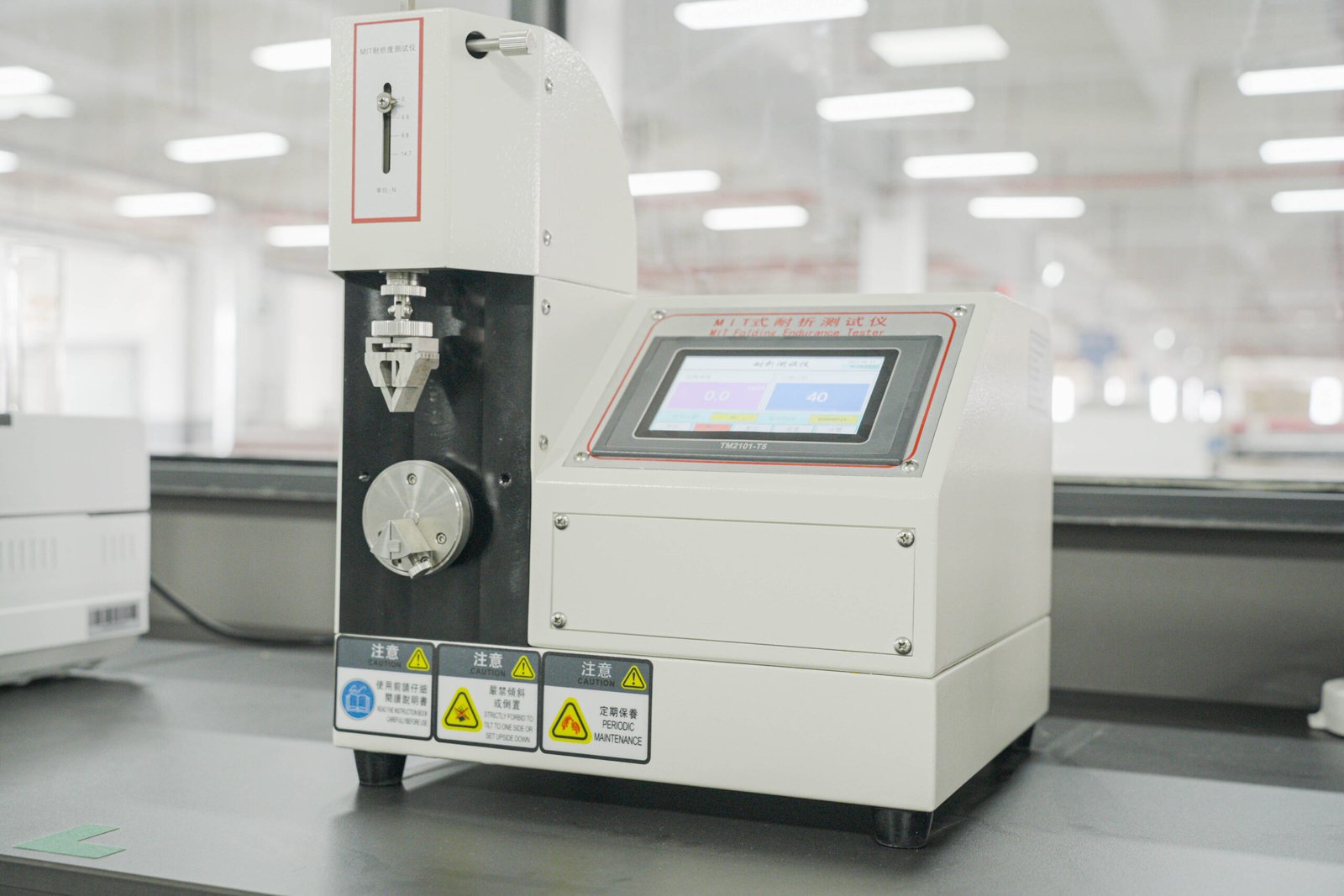
Cost components I ask for
I ask suppliers to list raw material cost, extrusion cost, primer/printing cost, and packaging cost. I also ask about minimum order quantity (MOQ). MOQ affects unit price a lot.
Volume and scale effects
Large factories get resin at lower prices. They can offer better per-meter rates. But lower price alone does not mean lower total cost. I calculate total landed cost, not just unit price.
Hidden costs
I check for extra costs. These include quality failures, rework, freight delays, and customs handling. I add contingency to the budget for these items.
| Price Factor | How it changes price | My check |
|---|---|---|
| Resin market | Fluctuates with oil and supply | Ask for resin type and price index |
| Additives | Better additives cost more | Compare TDS and performance data |
| Production scale | Bigger scale lowers unit cost | Compare monthly output vs demand |
| Custom prints | Increase setup costs | Ask for artwork and plate fees |
| Logistics | Freight and duties add cost | Request FOB and CIF quotes |
I prefer a clear quote with line items. I compare total landed cost for a 6–12 month plan. That gives me a realistic view.
Why Delivery Reliability Affects Large-Scale Furniture Production?
A delayed roll of edgeband can stop an entire line. I learned this after a missed shipment caused a factory to pause for days.
Delivery reliability means on-time shipments, stable lead times, and buffer stock. It keeps your production on schedule.
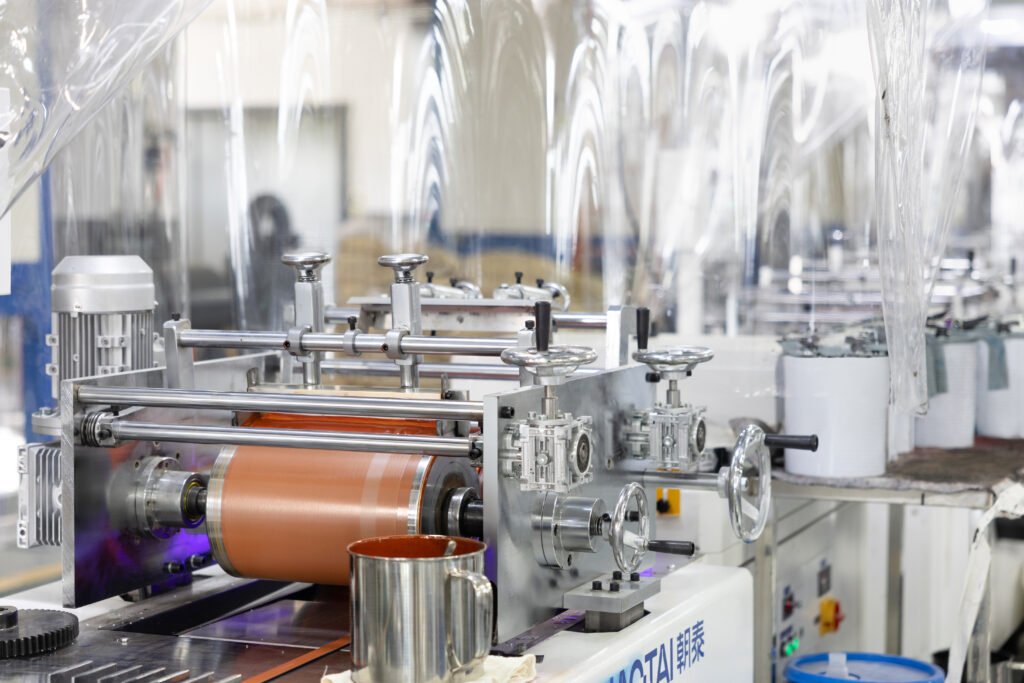
Evaluate lead times and variance
I ask each supplier for average lead time and the standard deviation. A factory that says “30 days” but often takes 45 is risky. I prefer suppliers with documented lead-time records.
Capacity and backup
I check monthly capacity and peak capacity. I ask about spare lines, overtime, and alternative shifts. I also learn if the factory keeps safety stock for key products.
Logistics and planning
I ask how they handle urgent jobs. Do they keep raw material safety stock? Do they work with multiple freight forwarders? I also check their export experience and past performance on big orders.
| Delivery Metric | Why it matters | What I request |
|---|---|---|
| Avg lead time | Plan production | Lead-time history for 12 months |
| On-time rate | Reliability measure | % on-time deliveries last year |
| Safety stock | Buffer for delays | Safety stock policy |
| Production slots | Handling spikes | Max single-order capacity |
| Export experience | Fewer delays at customs | References and export docs |
I build contracts with lead time clauses. I include penalties for late delivery in critical cases. This helps keep partners accountable.
Comparing Performance Across Different Types of Manufacturers?
Not all makers are the same. I compare large manufacturers, small plants, and trading companies.
Each type has strengths and limits. Your choice depends on volume, customization, and risk tolerance.
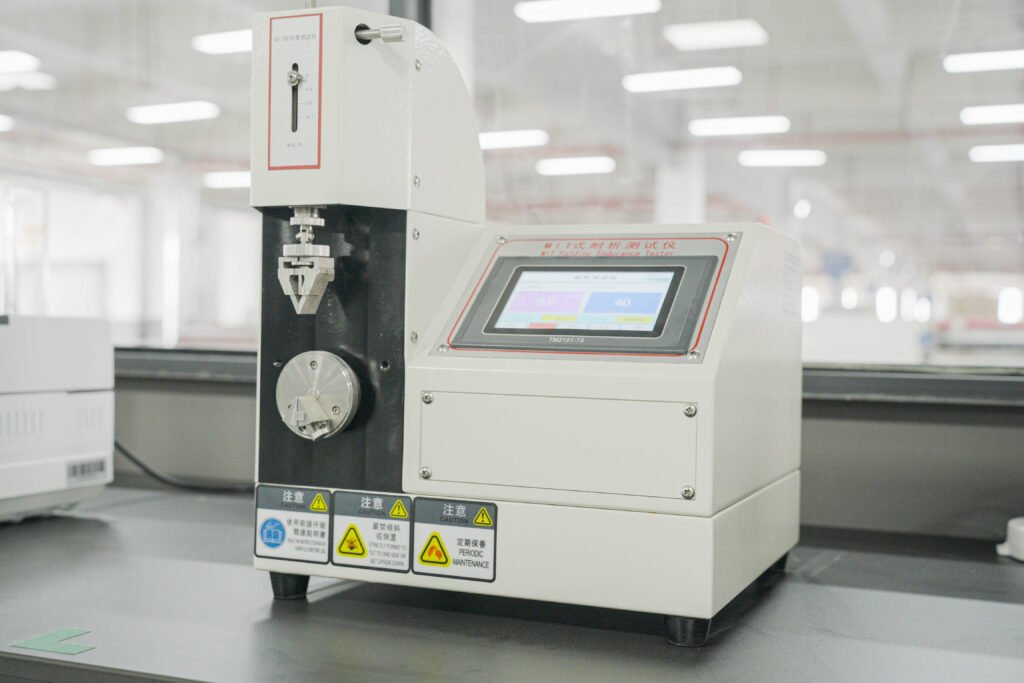
Large manufacturers
Large makers offer scale. They have big ovens, many extruders, and strong QA teams. They usually have lower unit costs for big orders. They may have less flexibility on tiny custom runs.
Small plants
Small plants can be nimble. They accept small MOQs and tweak formulations fast. Their risk is capacity. They may not meet big monthly volume needs.
Trading companies and brokers
Traders can source many products fast. They can solve one-off needs. They do not control production. You depend on their supplier network. I use traders for sampling or small, varied orders.
| Manufacturer Type | Strengths | Weaknesses |
|---|---|---|
| Large manufacturer | Scale, stability, lower unit cost | Less flexible for tiny runs |
| Small manufacturer | Flexible, faster customization | Limited monthly output |
| Trading company | Wide product choice | Less control, potential middle margin |
I rank suppliers by fit. For long-term large runs, I prefer large manufacturers with proven QA. For prototypes, I use small plants or traders.
Key Criteria to Choose the Right PVC Edgeband Manufacturer?
At last, I pick based on data and tests. I follow a checklist for final selection.
The right maker meets quality specs, offers fair price, and can deliver reliably. I also value good communication.

My final checklist
- Quality: sample tests and third-party reports.
- Price: total landed cost for a 6–12 month plan.
- Delivery: documented lead times and on-time rate.
- Capacity: monthly output vs my demand.
- Certifications: ISO 9001, SGS reports when relevant.
- Communication: clear project owner and quick response.
- References: get client names and visit if possible.
Sample contract terms I include
- Agreed lead times and penalty clauses.
- Acceptance criteria and test methods.
- Batch traceability and recall steps.
- Price review clause for resin cost swings.
| Decision Item | Minimum Acceptable | Why it matters |
|---|---|---|
| Sample pass | Yes, pilot run success | Shows real performance |
| MOQ | Matches production need | Avoids frequent small orders |
| On-time rate | >90% preferred | Keeps schedules steady |
| Certifications | ISO 9001 or 3rd party tests | Builds trust |
| Price terms | Clear FOB/CIF and review | Prevents surprise costs |
I use a scoring matrix to compare finalists. I score quality, price, and delivery separately. The highest total wins.
Conclusion
I choose suppliers by testing samples, comparing full costs, and verifying delivery records. The right partner saves time and money.
Data Sources:
- Grand View Research — Polyvinyl Chloride Market Report. https://www.grandviewresearch.com/industry-analysis/polyvinyl-chloride-pvc-market.
- SGS — Mechanical Testing and Adhesive/Material Testing Services. https://www.sgs.com/en-us/services/mechanical-testing.
- ISO — ISO 9001: Quality Management Systems. https://www.iso.org/standard/62085.html.
- EGGER Technical Datasheet — PVC Edgebanding. https://static.richelieu.com/documents/docsGr/163/252/3/1632523/2616939.pdf.
- EdgeBandCT — How to Evaluate PVC Edgeband Quality Before Bulk Orders. https://edgebandct.com/how-to-evaluate-pvc-edgeband-quality-before-placing-bulk-orders/