跳到内容
跳到内容 
Struggling to trust a new supplier? I felt the same before my first big order—so I built a checklist that works.
I’ll show you how to check material, color match, capacity, compliance, and commercial terms. Follow these steps to avoid costly surprises and pick a reliable PVC edgeband partner.

Before you dive in, know this: color match and formaldehyde/compliance are the two biggest risk areas when you work with European boards like Egger. I learned that a short sample test and basic document checks stop most problems.
Keep reading. I’ll walk you through the exact checks I run, in the order I do them. You can copy this checklist for your procurement file.
How to Assess Material Quality, Color Accuracy, and Production Standards?
Troubled by inconsistent samples? I was. Bad samples mean rework and angry clients.
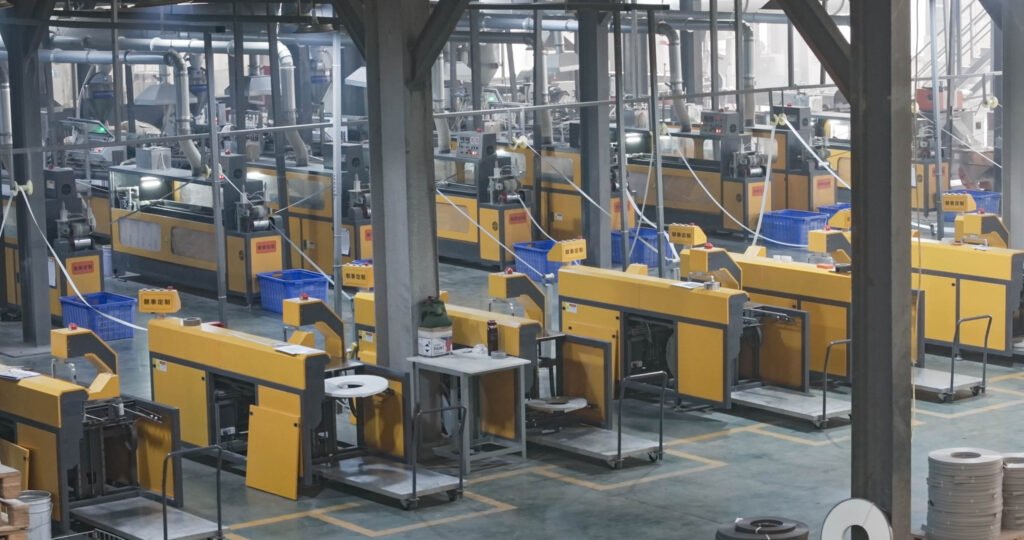
Start with a clear sample plan. Ask for material spec sheets, production photos, and a finished-sample under your lighting conditions. A good supplier will share them fast.
Dive deeper
I break quality and color checks into three parts: material spec, visual/color, and physical performance.
Material specification
- Ask for the PVC formulation sheet. Look for indicators like PVC type, fillers, and additives. These affect flexibility and heat resistance.
- Request the thickness tolerance and density figures. Typical PVC edgebands are 0.4–3 mm thick; tolerance matters for machine feeding. If a supplier can’t provide numbers, that’s a red flag.
Color and finish
- Color is the biggest practical problem. For major board brands like Egger, matching is possible but only on original physical samples. Egger notes that decor reproductions may not match on-screen, and color matching is best done with original samples. Always request a physical sample from the board maker or a certified color chain.
- Ask for samples in the exact gloss and texture (matte, silk, high-gloss, ST/UT textures). Texture changes perceived color.
Testing under your conditions
- I test samples under three lights: daylight (~6500K), warm office light (~3000K), and shop fluorescent. Take photos and note differences. If the sample looks different in any of these, you must flag it.
- Do a hot-bending test and an adhesion test with the glue system you plan to use. PVC must withstand your edgebander temperature without shrinking or softening. If the supplier claims heat-stable PVC but fails the test, ask for the thermal softening point data.
Physical performance checks
- Scratch resistance: run a simple fingernail and metal-scrape test. Premium PVC resists light scratching.
- Tensile/flex test: bend the strip around a mandrel like your machine will. If it cracks at your radius, it won’t survive production runs.
Red flags
- No spec sheet.
- Color samples only as photos.
- Supplier refuses to run a short adhesion or heat test.
If you do these checks and document results, you remove most early-stage risk. I always keep a folder with sample photos, test notes, and a signed acceptance form before the first order.
Key Challenges in Matching Edge Banding with Egger 2025 Boards?
Matching Egger decors can feel impossible at first. I found that working with original Egger samples and using their decor codes makes it simple.
Use the Egger decor match system and ask the supplier if they stock Egger-matched edgebands or can custom match to Egger codes. Always verify with a real sample.
Dive deeper
Egger publishes an integrated decor system and explicitly states that color-matching selections should be confirmed on original samples. This is a core rule I follow. When a buyer asks “can you match Egger 2025 boards?”, here’s how I approach it step by step.
1. Use official decor codes
- Ask your supplier to reference the Egger decor code (for example H1180 ST37). A code ties to a specific surface texture and color. Suppliers who stock Egger-matched lines can often quote by that code rather than vague names.
2. Get an Egger original sample
- Never rely on digital images. Egger warns that on-screen reproductions are only approximations. I send my supplier an original chip or order the official Egger edge banding sample chain for direct comparison.
3. Check texture and gloss, not just color
- Egger decors include specific textures (e.g., ST37). A match in color but not texture will still look wrong. Ask for the same texture level.
4. Tolerances and batch consistency
- Even with a perfect first sample, I set an acceptance tolerance for subsequent production (e.g., ΔE ≤ 1.5 under D65 lighting for color, or supplier-provided tolerance). If the supplier cannot commit, plan on tighter incoming inspection.
5. Inventory and lead time alignment
- Egger often updates collections. I check if the supplier stocks the current Egger Decorative Collection for the region (they release periodic collections). If the supplier only makes small-batch custom matches, this may increase lead times and MOQ.
6. Ask for a sample chain or tamper-proof sample
- If you will buy many decors, request a full sample chain from the supplier that lists codes and thicknesses. This speeds approval on multiple projects.
Working this way prevents site rework. In my experience, the buyers who treat Egger matches as a code-and-sample process have the fewest complaints.
What Production Capacity and Lead Times Reveal About a Supplier’s Reliability?
Short lead times that later stretch into months are a major cause of project failure. I always verify real capacity, not marketing claims.
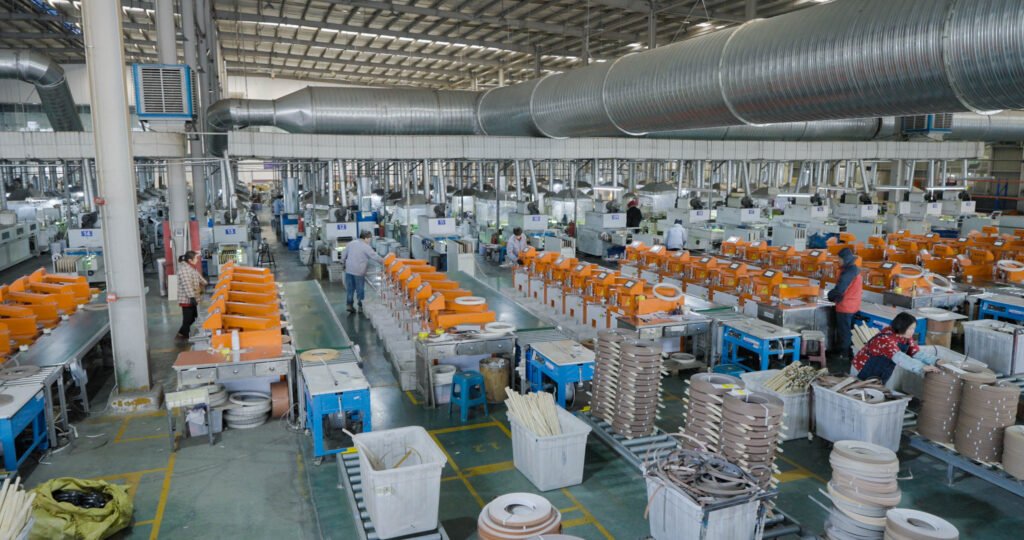
Ask for machine counts, shift patterns, and recent order examples. Cross-check by asking for recent order references. A reliable supplier shares this openly.

Dive deeper
When I vet capacity, I look at three measurable items: installed production capability, demonstrated throughput, and buffer stock practices.
Installed production capability
- Ask how many extrusion lines and coating/printing lines they run. Brands and models matter less than uptime and output per shift. A single line can produce X meters per day; confirm the actual meters produced in recent months. Suppliers should share recent throughput figures.
Demonstrated throughput and order examples
- Request examples of completed orders similar to yours in scale. I ask for dates, volumes, and lead times. If a supplier claims a 10-day lead time but provided real orders with 40–60 days, that’s a warning sign.
Shift patterns and workforce
- Learn whether they run one, two, or three shifts. More shifts indicate higher capacity. Ask about seasonal staffing. Many factories run reduced shifts around holidays and this can double lead times.
Buffer stock and safety stock
- Reliable suppliers keep buffer rolls of standard colors and common glue grades. Check how many meters of stock they keep per SKU. If they claim “stock available” but cannot show inventory photos or stock reports, push for proof.
Flexibility for rush orders
- I test flexibility by proposing a small rush sample order. A supplier’s willingness to expedite for a modest fee says a lot about their service model.
How I verify claims
- I ask for machine photos and recent production logs. I also ask for one or two client references who can confirm delivery records. For large buyers, I conduct an on-site audit or hire a third party for a capacity audit.
Practical rule: if your supplier can’t prove they handled orders like yours in the last 90 days, assume lead times will be longer than quoted.
How to Verify Certifications, Compliance, and Factory Audits?
Compliance is non-negotiable. I check safety, emissions, and social audits before any large order. Certificates that matter include CARB/TSCA (US), EN/ISO standards, and social audits like SMETA or Sedex.

Dive deeper
I treat compliance as three buckets: chemical / emissions, quality management, and social / ethical audits.
Chemical and emissions compliance
- For products used on furniture sold in the US, CARB Phase 2 and TSCA Title VI compliance for composite wood is critical. These regulate formaldehyde emissions from composite wood and related products. Ask for formaldehyde emission test reports if the supplier glues PVC to wood panels or supplies panels.
- In Europe and elsewhere, EN 16516 and related German limits set expectations for low formaldehyde emissions. If your product will be sold in Germany or the EU, check test reports to EN 16516 or equivalent.
Quality and management systems
- ISO 9001 shows a quality management system is in place. But a certificate alone is not a guarantee. I ask for recent audit reports or corrective action records to see how the system works in practice.
Social and ethical audits
- For European and large retail customers, Sedex/SMETA, BSCI, or equivalent audits are often required. These audits cover labor, safety, and environmental practices. I request the latest audit report and look at corrective actions and dates. A current SMETA report is a sign of acceptable social compliance.
How I validate documents
- Check issue dates and scope. A certificate for a sister factory is not the same as certification for the factory producing your goods. I verify certificate numbers with issuing bodies when possible.
- For on-the-ground truth, I either do a remote video factory tour or hire a third-party auditor. If I can’t audit, I require a recent full report from a recognized auditor (e.g., Intertek, SGS).
Red flags
- Expired certificates.
- Inconsistent scopes across documents.
- No evidence of corrective actions after audit findings.
When I require compliance for a brand project, I make documentation a contractual condition. That keeps everyone honest.
The Best Ways to Review Pricing Structure, MOQs, Samples, and After-Sales Support?
Price is important, but hidden costs kill margins. I always map out total landed cost, MOQ risk, and the supplier’s sample and after-sales policies before signing.
Ask for a clear price sheet: EXW unit price, sample fees, tooling or color-match setup fees, MOQ, and rework/claim policies. Good suppliers give this in writing.

Dive deeper
I divide commercial review into four parts: pricing transparency, MOQ & inventory options, sample policy, and after-sales support.
Pricing transparency
- Request a quote that breaks down costs: raw material surcharge (if any), printing/texture setup, printing repeat length, slitting/rewind fees, and packaging. Beware of quotes that show only a final net price without cost drivers.
- Ask about resin and pigment surcharges. PVC and pigment costs can vary with global resin markets. A supplier who locks prices for a short term or provides a formula for adjustments reduces surprises.
MOQ and lot sizing
- MOQ affects inventory risk. If MOQ is high, negotiate staggered deliveries or smaller trial batches with a higher per-unit price. Many suppliers will agree to an initial small production run if you accept a slightly higher price or agree to cover setup costs.
Sample policy and lead time
- Insist on pre-production samples (PPS) and first-article inspection (FAI) samples. Define acceptance criteria in writing. A typical sample charge is refundable after PO. If a supplier refuses a PPS, don’t proceed.
- Confirm who pays for shipping and customs on samples. I prefer suppliers that pay or share sample costs for serious trials.
After-sales support and claims
- Define claim windows (e.g., 30 days from receipt) and the process: inspection photos, return samples, and root-cause analysis. Agree on remedies (refund, replace, or credit). Put these in the contract.
- Ask if the supplier supports rework or offers replacement options for visible defects. Some suppliers will re-run colored lots at a discount if the color is out of tolerance.
Practical negotiation tips
- Use a small pilot PO to test pricing and logistics. I often do a 1–2 pallet trial before long-term agreements.
- Ask for stock keeping for your main SKUs. Suppliers with stock programs help shorten lead times.
If you nail these commercial terms before ordering, you will avoid many common disputes.
Conclusion
Do the checks in order: materials, Egger matching, capacity, compliance, and commercial terms. This prevents costly mistakes.
Data sources and links
- EGGER — Decor Match System / Edge Banding pages. https://www.egger.com/en/decorative-collection/decor-match-system. (egger.com)
- EGGER — Edge Banding overview. https://www.egger.com/edge-banding. (egger.com)
- U.S. EPA — Formaldehyde emission standards for composite wood products. https://www.epa.gov/formaldehyde/formaldehyde-emission-standards-composite-wood-products.
- California Air Resources Board (CARB) — Composite Wood Products ATCM (see CARB/TSCA references). https://ww2.arb.ca.gov/sites/default/files/2022-01/HealthyBuilding-presentation-Jan-2022.pdf. (ww2.arb.ca.gov)
- EN 16516 / Formaldehyde testing overview (Berkeley Analytical summary). https://www.berkeleyanalytical.com/news/berkeley-analytical-tests-wood-products-by-en-16516-compliance-with-new-german-formaldehyde-emission-ordinance. (berkeleyanalytical.com)
- Sedex / SMETA audit overview. https://www.sedex.com/solutions/smeta-audit/. (Sedex)
- Intertek — Sedex/SMETA services. https://www.intertek.com/assurance/smeta/. (Intertek)
- BSI — Supplier audit services. https://www.bsigroup.com/en-US/products-and-services/supplier-audit/. (BSI)
- Edge banding color match tools / lookup examples. https://edgecoinc.com/edge-banding/edgebanding-color-match-lookup/. (EdgeCo, Inc.)