
Problem: a near-match color still looks wrong on the final cabinet.
Agitate: bad matches cause rework, rejects, and lost trust.
Solve: I show how factories match color, lock formulas, and approve samples to avoid mistakes.
Edge banding factories use instruments, lab samples, and strict process steps to hit and keep color targets. I explain the tools, the tests, and what you should require before you order.
I work with suppliers and inspect lines. I want you to know what a proper color service looks like. Read on to learn the steps I use when I approve a match.
Why Custom Color Matching Matters for Edge Banding Buyers?
Problem: small color shifts break a product family.
Agitate: mismatched trims make the whole piece look cheap.
Solve: buyers must demand measurable color targets and approval steps.
Custom color matters when a brand needs consistent looks across parts. Edge banding joins with panels, doors, and trims. Even a slight ΔE can show up as off-color under showroom lights. For tight matches, factories aim for low ΔE targets and use spectrophotometers to prove it.
Dive deeper
I break why color matters into three clear points: visual fit, brand integrity, and production cost.
First, visual fit. Edge banding sits next to larger panels. The human eye notices small differences on large, flat surfaces. A match that looks right on a tiny strip can look wrong on a full door. This is why factories test under standard light boxes and not just by eye.
Second, brand integrity. Brands sell a look. If trims shift, customers see a lower quality product. That can hurt repeat sales. I ask suppliers to show color records and past match cases. A factory that tracks ΔE over time shows they value the brand match.
Third, cost and waste. A failed run means more cost. Factories must rework or scrap rolls that are out of spec. For buyers, this causes delays and extra cost. A strict matching process reduces this risk.
I check for these signs when I audit a supplier: a documented ΔE target, a lab with a spectrophotometer, and light booths for visual checks. Those controls cut subjective judgement from the process and keep batch-to-batch shifts small. Datacolor and other color labs recommend specific ΔE practices and targets by product type.
How Edge Banding Factories Analyze Buyer Color Samples and Requirements?
Problem: buyers send vague or poor samples.
Agitate: a bad sample leads to wrong batches and delays.
Solve: factories must follow a clear sample intake and analysis flow.
A factory should accept physical samples, digital codes, and reference samples on panels. They should record the sample source, light conditions, and target ΔE. The factory needs to run lab dips and a PP sample to confirm the match before bulk production.
Dive deeper
I map the intake and analysis steps I expect from a professional supplier.
- Sample intake and documentation.
The factory logs who sent the sample. They note the part number and the intended use. They record the lighting used when the sample was measured. This creates traceability. I always ask for a sample intake form. - Physical and instrument measurement.
The lab uses a spectrophotometer to get spectral data. The lab records the measured values and compares them to the target. The lab also uses a light booth to check how the sample looks under multiple light sources. These checks catch metamerism — the problem when two colors match under one light but not another. Modern facilities record both instrument data and visual notes. - Lab dip and small batch trial.
The factory runs a lab dip or small production trial using the exact materials and process planned for mass production. This step tests whether the formula and process produce the intended color on the actual material and finish. I require a PP sample after the lab dip. The PP sample is the final sign-off before bulk runs. It should use the same adhesive, print, texture, and gloss as the final product. - Approval and records.
After approval, the factory locks the formula and the machine settings. They store the sample and the measurement file. This record lets them repeat the run later. I demand these records for every SKU I place in volume orders.
I avoid suppliers that accept only photos or vague color codes. Photos lie. A proper lab and a PP sample are the only reliable ways to confirm a match.
What Color-Matching Technologies Modern Factories Use to Reduce Deviations?
Problem: old shops rely on eye matching and guesswork.
Agitate: this creates hidden variation and failed lots.
Solve: factories use spectrophotometers, inline color control, and color management software.
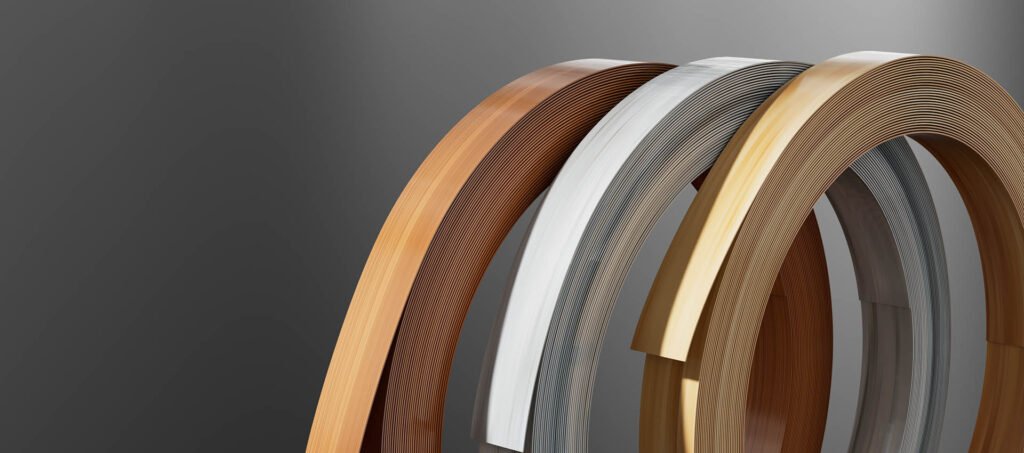
Modern factories use bench spectrophotometers for lab checks and inline spectrophotometers for real-time control on the printing line. They run color formulas in software and store data for each batch. These tools cut the chance of a whole roll being off-color.
Dive deeper
I describe the key tech and how it helps.
Spectrophotometers.
These measure spectral data, not just RGB. They give precise color numbers and a ΔE value. I use spectro reports to compare a sample to a target. Labs store the file so the factory can replay the match later. Instruments need regular calibration and a stable environment to give reliable results. Datacolor, X-Rite, and HunterLab provide best practices for calibration and maintenance.
Inline color control.
For printed edge banding, inline spectrophotometers scan the web continuously. They alert the operator if the color drifts. This reduces long runs of bad product. Techkon and other vendors supply inline systems that tie into press control. When an alarm hits, the line can stop or auto-adjust ink feed. This saves time and reduces scrap.
Color management software.
Software stores recipes and color libraries. It suggests ink or pigment mixes to hit the target. It also computes the right ΔE tolerance and flags risks like metamerism. A factory that uses software can reproduce a color faster and with fewer trials.
Lighting booths and visual standard.
Even with instruments, human checks matter. Light booths show samples under D65, TL84, and warm incandescent. Visual checks catch texture and gloss effects that meters might miss. Combining instrument data and visual checks gives the best result.
I ask suppliers what instruments they use, how often they calibrate them, and how they record the data. If they cannot answer, I treat that as a warning.
How Factories Control Formulation and Production to Keep Colors Stable in Every Batch?
Problem: the same formula behaves differently on different runs.
Agitate: uncontrolled variables like melt temp and pigment lot cause drift.
Solve: factories must lock formulas, control feeders, and log process settings.
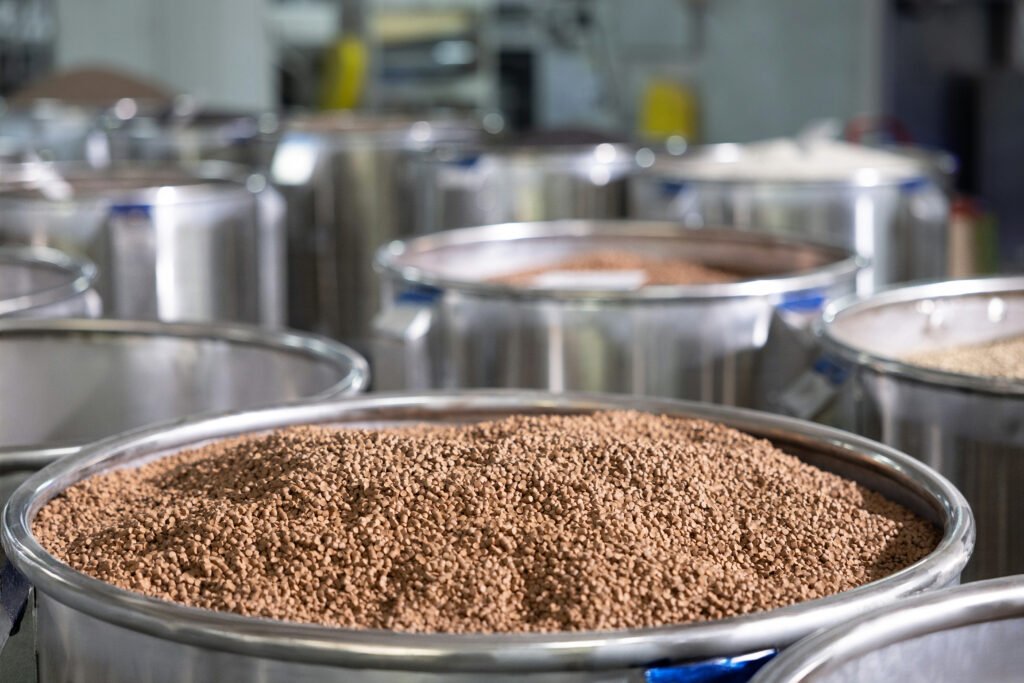
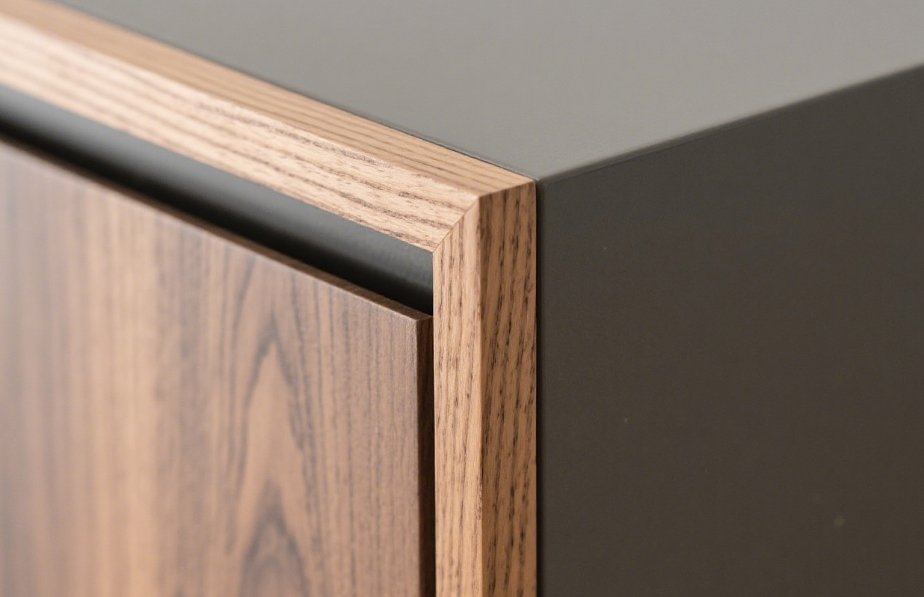
Good factories keep a formula sheet with exact percentages, resin grade, pigment lot, and additives. They use weight feeders for batching and log temperatures, screw speed, and die settings during extrusion. They also keep retained samples for every batch. These practices make repeats reliable.
Dive deeper
I list the controls and why they work.
Formula lock and COA.
The factory documents the exact recipe. They get a Certificate of Analysis (COA) for incoming resin and pigments. This ensures the base materials match the specs. If a raw lot differs, the COA alerts the team before they run a bad batch.
Automated feeders and dosing.
Automated weight feeders dose pigments and additives to tight tolerances. Manual weighing creates human error. I check photos of feeder setups and ask for tolerances. Good setups dose to within small fractions of a percent.
Machine setting logs.
Extrusion and print settings influence color and gloss. The factory should record melt temperature, screw speed, die gap, oven temperature, and UV lamp power. If a run drifts, these logs show what changed. I expect logs stored with the batch number.
Pigment lot control and spectro records.
Pigment lots vary in strength and undertone. The factory tests each pigment lot. They record the spectro readings for the lot. When they run a batch, they compare the mix to the stored lot file. This step reduces surprises.
Retained samples and sample bank.
The factory keeps a physical sample and the spectro file for each approved batch. If a buyer reports a deviation, the factory compares the new run to the retained sample. This makes root-cause work fast.
Process control reduces variation. I insist on these items before I approve volume orders. They turn a good PP sample into a repeatable production result.
What OEM Buyers Can Expect From Professional Color Approval and Pre-Production Checks?
Problem: buyers sign off too quickly on poor samples.
Agitate: a weak approval process leads to mismatched bulk orders.
Solve: require a formal approval flow: lab dip → PP sample → sign-off → locked run.
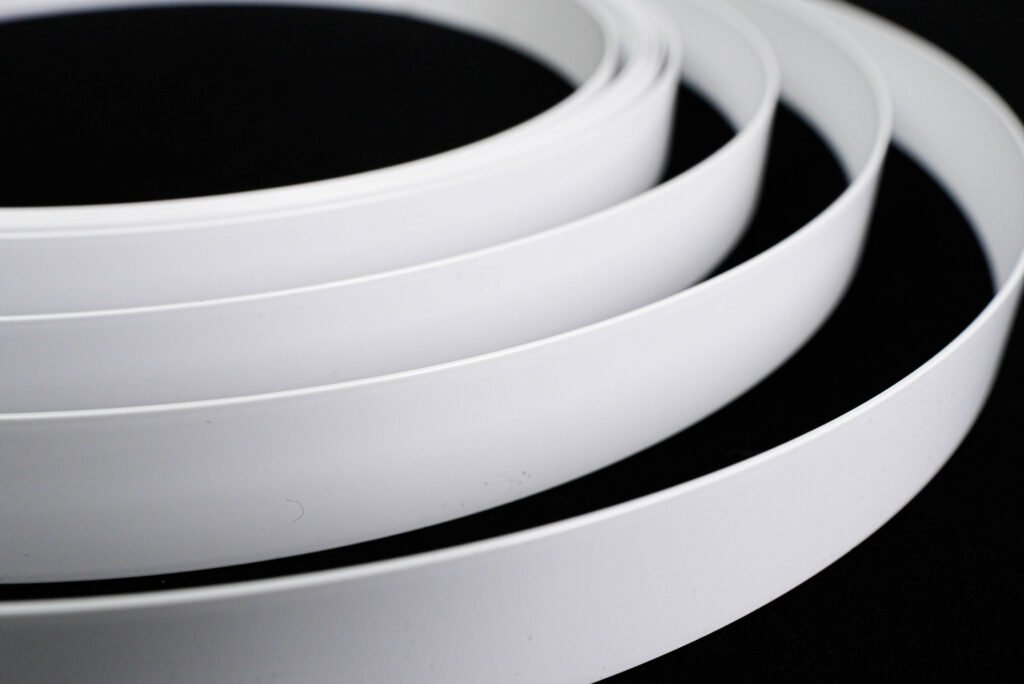
A proper approval flow includes instrument reports, photos under controlled light, signed PP sample approval, and a formula lock. The factory should provide a pre-production report and retain the sample for later comparison.
Dive deeper
I explain the approval steps I use when I manage an OEM order.
- Lab dip report.
The factory runs a lab dip and measures the result. They send the spectro file and photos in a light booth. I review the ΔE and the images. If the lab dip meets the target, we move to PP. - Pre-Production (PP) sample.
The factory produces a PP sample on the actual line. This sample uses the production machine, the intended adhesive, and the final finish. I treat the PP sample as the golden sample. I sign off only after I see the sample and the batch reports. - Approval form and formula lock.
After I sign the PP sample, the factory locks the formula and stores the machine settings. They issue an approval form that both sides sign. This becomes the production reference. - Pre-shipment checks.
Before loading, the factory runs spot checks on finished rolls. They send photos, spectro readings, and QC logs. I review these and release the payment if things look correct. - Dispute handling and retained samples.
If a buyer claims mismatch later, the factory compares the disputed roll to the retained sample and the original spectro file. This record speeds up problem solving and avoids long disputes.
I insist on written PP approval and sample retention. These steps protect both buyer and supplier.
Conclusion
I only work with suppliers who measure, record, and lock color. That protects quality and reduces risk.
Data sources and links
- Datacolor — Best practices for Delta E tolerances and spectrophotometer use. (Datacolor)
https://www.datacolor.com/business-solutions/blog/best-practices-delta-e-tolerances/
https://www.datacolor.com/business-solutions/blog/using-a-spectrophotometer-color-measurement-instrument/ - Techkon — Understanding inline spectrophotometers in print production. (Techkon USA)
https://techkonusa.com/understanding-spectrophotometers-in-print-production/ - JWELL — How a plastic edge banding extrusion line works (process and control items).
https://www.jwellmachine.com/how-does-a-plastic-edge-banding-extrusion-line-work/
https://www.jwell-group.com/blog/PVC-edge-banding-extrusion-line/ - SCM / Techpacker / Hem Apparel — Pre-Production Sample (PP sample) procedures and importance.
https://scm-solution.com/pp-samples-pre-production-samples/
https://techpacker.com/blog/manufacturing/pre-production-sample-order-terms-a-complete-guide/