
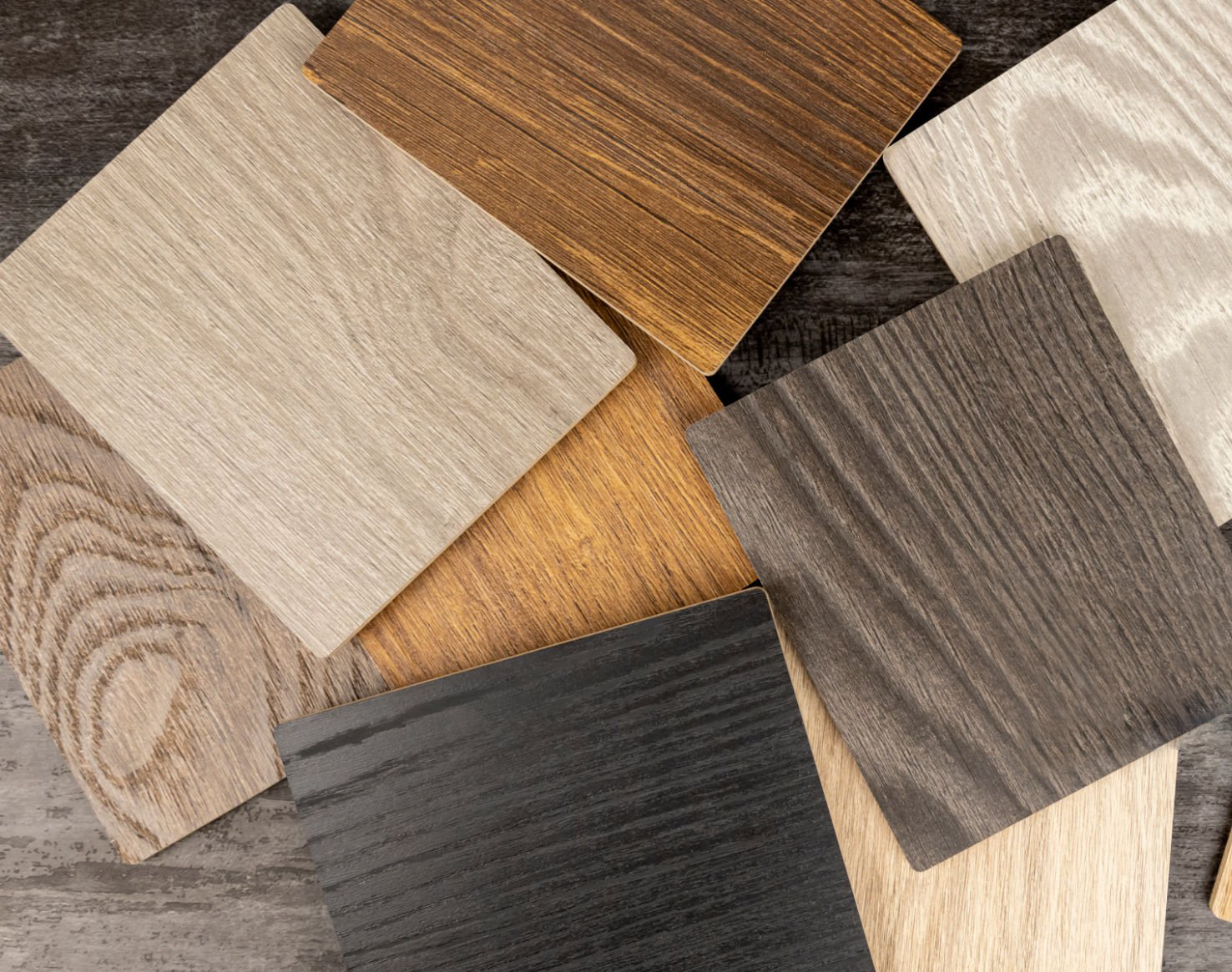
I lost a big order once because the edge did not match the board. I learned hard how matching matters and how to avoid that mistake.
The right supplier can match Egger, Kronospan, Finsa and other global boards. They deliver rolls that fit color, texture, and production needs. This prevents rework, saves money, and keeps clients happy.
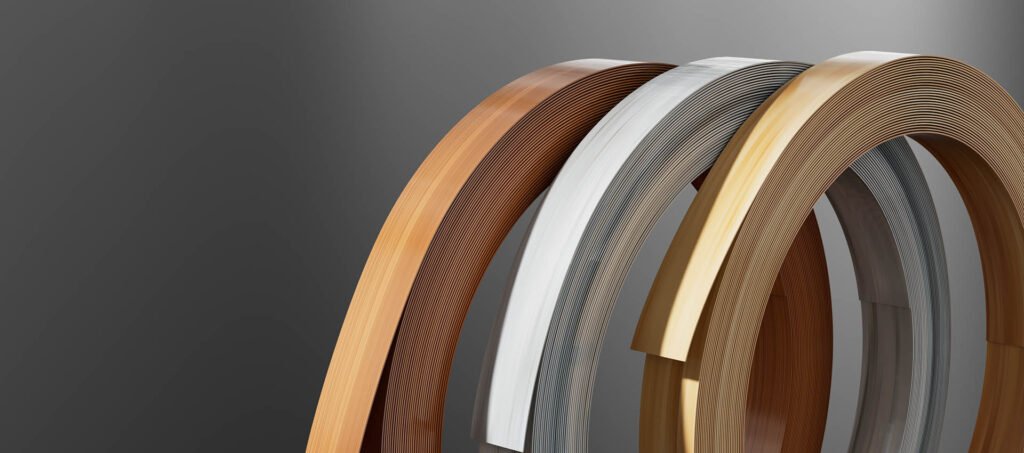
I will show what I check when I pick a supplier. I give steps and checklists I use. I share the tests I run and the proof I ask for. Read on to make better supplier choices and avoid costly mismatches.
Why Matching Global Board Brands Matters for Furniture Manufacturers?
I once shipped a case that looked right in photos. In the showroom the edge stood out. The client returned the batch. I lost time and trust.
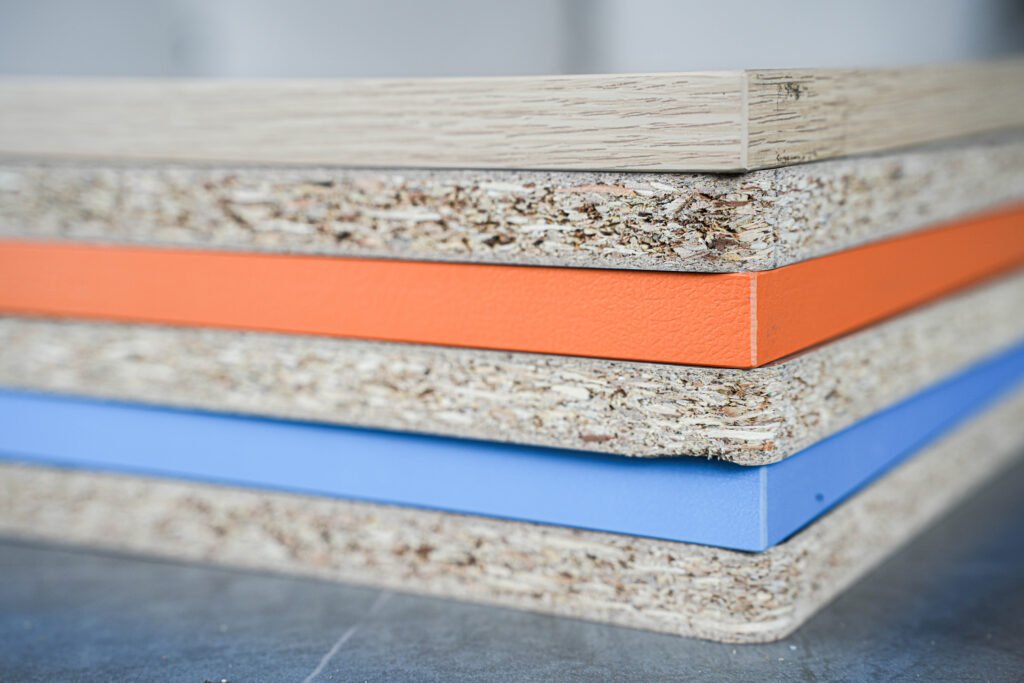
Matching global board brands keeps your product consistent across markets. It prevents visible mismatches and customer complaints. It also protects your brand reputation and reduces returns.
Dive deeper: what “matching” really means and the business risks of poor matches
Matching is more than a similar color. It covers color, gloss, grain scale, and how light plays on the surface. Panels come from big brands like Egger, Kronospan, and Finsa. Each brand has many patterns and finishes. A supplier must reproduce those looks on a narrow PVC or ABS strip. That is hard.
I break the risk into three business areas:
1) Visual risk
If the edge looks off, buyers see it first. They judge quality by small details. One mismatch can kill a sale.
2) Operational risk
Bad matches cause rework. Rework means more labor and delayed shipments. It raises cost per unit.
3) Contract risk
Large buyers often require brand-level matches. Failure can mean penalties or canceled orders.
| Risk type | What happens | My action |
|---|---|---|
| Visual | Customers reject product | Insist trial samples |
| Operational | Delays and waste | Set reorder points |
| Contractual | Penalties or returns | Use supplier SLA clauses |
I look for suppliers who show matches to big board brands. I prefer those who keep a large color library and who have lab equipment. Market reports show the edge banding market is growing. That means more suppliers now focus on matching services. This gives me better leverage when I negotiate.
What Technical Capabilities a Supplier Needs for Accurate Color and Texture Matching?
A supplier once told me “close is fine.” It was not. I now only work with suppliers who measure color and document the result.
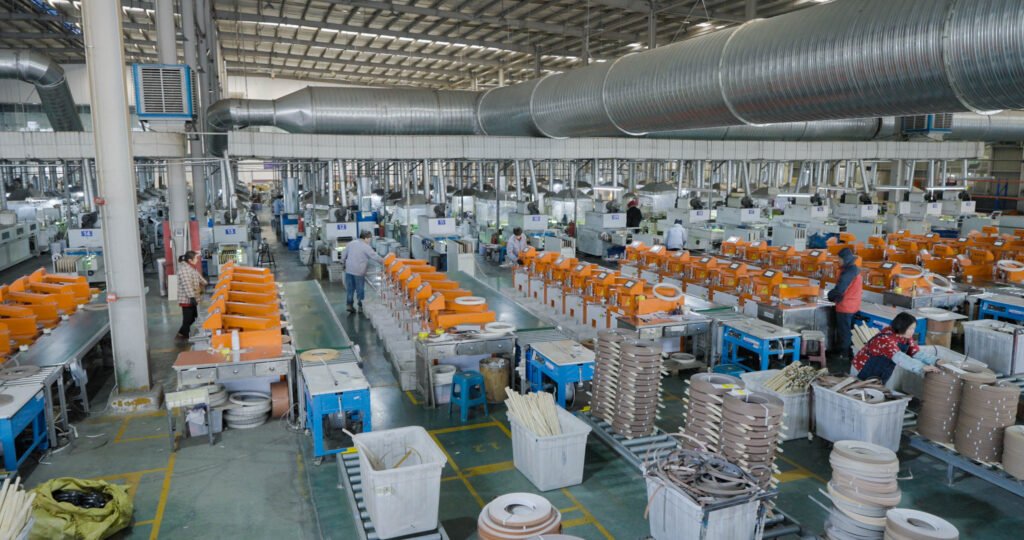
Suppliers need spectrophotometers, stable printing/extrusion lines, embossing tools, and color management software. These tools let them hit ΔE targets and repeat results.
Dive deeper: the lab tools, process controls, and acceptance metrics I demand
Color matching needs science. I use a clear workflow. I ask suppliers for numeric proof. I also check how they control texture and embossing depth.
Key tools and why they matter
- Spectrophotometer: It gives color numbers. I use ΔE to judge difference. Industry practice treats ΔE ≤ 1 as nearly perfect; ΔE ≤ 2 is usually acceptable for many furniture lines.
- Stable extrusion and printing: Machines must hold the same color over long runs. I check sample consistency across batches.
- Embossing rollers: Texture affects perceived color. Grain size and sheen change how color reads in light.
- Color management software: It links target values to machine settings. This reduces trial-and-error.
My acceptance metrics and tests
- I ask for a trial roll and a lab ΔE report.
- I set ΔE target based on product tier. For premium lines I ask ΔE ≤ 1. For standard lines I accept ΔE ≤ 2.
- I view samples in different light: showroom, daylight, and warehouse light. Metamerism can fool you. Some pairs match under one light and fail under another. I warn suppliers about this.
| Capability | Why I check it | Acceptance action |
|---|---|---|
| Spectrophotometer | Objective color data | Require ΔE report |
| Print stability | Repeatability | Ask for batch records |
| Embossing control | Texture match | Inspect physical grain |
| Software | Faster setup | Request machine recipes |
I also check for QA routines. Suppliers must log batch numbers and measurements. That helps trace issues. I prefer partners who run small pilot runs that match full production specs. That keeps scale risks low.
How Suppliers Build and Maintain a Large Global Board Color Database?
At first I thought suppliers guessed matches by eye. Good ones do more. They capture real board references and store numeric values.
Suppliers build libraries by scanning board samples, keeping master rolls, and recording ΔE and texture parameters. They map those to board brand codes for fast lookup.

Dive deeper: the practical steps suppliers use to cover Egger, Kronospan, Finsa and other brands
Suppliers that match global brands treat the work like cataloging. They collect brand boards and make reference swatches. Then they test, record, and store the data.
Steps to build a color database
- Collect samples: Suppliers gather official board samples from major mills.
- Measure and record: They use spectrophotometers to log LAB or LCH values.
- Create master rolls: They produce master rolls for each reference. These serve as production targets.
- Document texture: Embossing depth, gloss level, and pattern repeat are recorded.
- Tag by brand and code: Each entry links to Egger/ Kronospan/ Finsa codes and common names.
What I expect from suppliers
- A searchable digital library.
- Sample swatch cards with batch numbers.
- Clear mapping to board brand codes.
- A process to update the library when brands release new colors.
| Database item | Why it matters | Example |
|---|---|---|
| Measured color value | Objective match | LAB/ΔE data |
| Master roll | Production target | Roll ID + batch |
| Embossing spec | Texture match | Roller number + depth |
| Brand mapping | Fast lookup | Egger Kxxxx = roll ID |
I test suppliers by asking them to match specific popular boards. Good suppliers provide samples quickly. They can also show past matches for major brands. This saves me time when a buyer names a board code in an RFQ.
What Proof You Should Request Before Approving a Supplier’s Matching Ability?
I once approved a supplier on a photo. That was a mistake. I now make approval conditional on clear proof.
Ask for trial rolls, ΔE reports, photos under multiple lights, and small pilot runs. Also request batch traceability and a sample retention policy.

Dive deeper: the exact documents, samples, and tests I require before greenlighting a supplier
I set a checklist. I only approve a supplier after they pass every item. This saves money later.
My pre-approval checklist
- Trial roll: 5–20 meters depending on project size. I check color and texture on my actual panels.
- ΔE report: From a calibrated spectrophotometer. It must show values against my sample.
- Photos under multiple lights: Daylight, showroom LED, and fluorescent. This checks metamerism.
- Pilot production run: A short run that uses the same machines and settings as full production.
- Adhesion and durability tests: Peel strength and flexibility tests. I reference methods like ASTM D3330 and academic peel studies.
- Traceability documents: Batch numbers, machine settings, and QC logs.
- Sample retention: Supplier keeps master rolls for a set time. This allows re-runs that match earlier batches.
| Proof item | Why I need it | Pass/fail rule |
|---|---|---|
| Trial roll | Real visual check | Pass if ΔE ≤ target |
| ΔE report | Objective measure | Pass if within agreed ΔE |
| Pilot run | Confirms repeatability | Pass if consistent samples |
| Peel test | Durability check | Pass if meets threshold |
| Traceability | Root cause analysis | Required |
I also set contractual terms. These include acceptance criteria, re-run terms, and penalties for large mismatches. That keeps both sides accountable. I find suppliers more careful when the rules are clear.
How to Evaluate a Supplier’s Long-Term Stability for Global Board Matching Projects?
I once had a great match that stopped after one year. The supplier had closed a line. I now vet long-term stability before signing multi-year deals.
Check production capacity, spare lines, inventory for popular codes, financial stability, and ability to update the color library. Also check lead times and contingency plans.
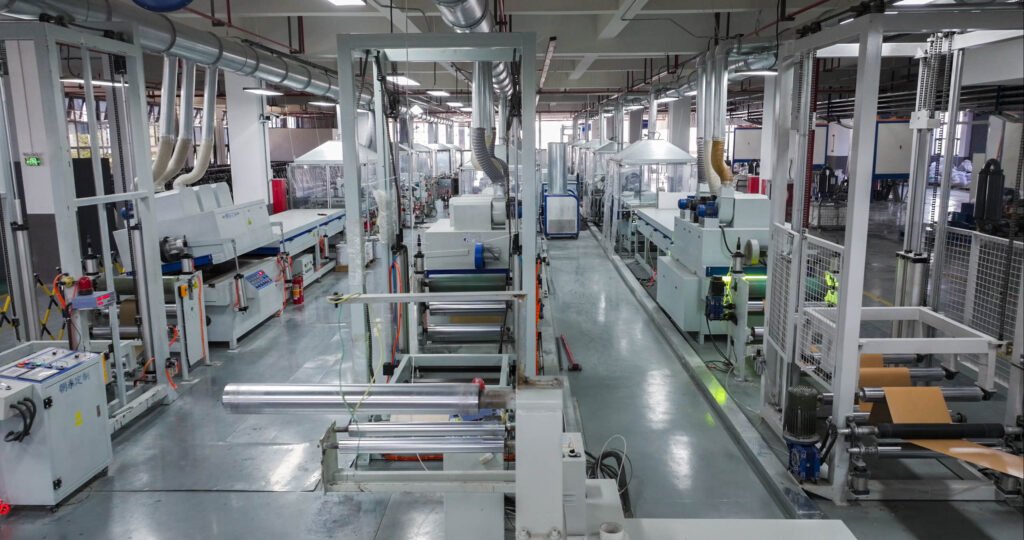
Dive deeper: the metrics and questions I use to judge whether a supplier can support long projects
Long projects need steady supply. I inspect their operations and ask direct questions.
Metrics I check
- Number of extrusion lines: More lines mean redundancy.
- Average uptime: I ask for historical uptime data.
- Safety stock levels: How many meters they keep for key board codes.
- Minimum run sizes and ramp time: Can they scale up quickly?
- Client references: Do they serve large brands consistently?
Contract and commercial checks
I ask for proof of financial health. I also look for export experience and customs handling. For global board projects, delays at customs or transport can break timelines.
| Stability area | What I ask | Why it matters |
|---|---|---|
| Capacity | Number of lines, max monthly meters | Avoid single-line risk |
| Inventory | Safety stock for key codes | Avoid stockouts |
| Uptime | Historical performance | Predictable deliveries |
| Financials | Basic proof of stability | Reduce supplier failure risk |
| References | Long-term clients | Real-world proof |
I also insist on contingency clauses. These cover split shipments, second-source options, and change-over lead times. If a supplier cannot answer these questions, I treat them as high risk.
Conclusion
I pick suppliers who prove color, texture, and stability with trials, data, and clear processes.
Data sources and links:
- IMARC Group — Edge Banding Materials Market Size, 2024. https://www.imarcgroup.com/edge-banding-materials-market. (IMARC Group)
- Coherent Market Insights — Edge Banding Market overview (2025). https://www.coherentmarketinsights.com/industry-reports/edge-banding-materials-market. (Coherent Market Insights)
- Market Research Future — Edge Banding Materials Market forecast. https://www.marketresearchfuture.com/reports/edge-banding-materials-market-10525. (marketresearchfuture.com)
- NCSU / BioResources — Optimization of Edge-Banding Process Parameters. https://bioresources.cnr.ncsu.edu/resources/optimization-of-edge-banding-process-parameters-used-for-particle-board-and-medium-density-fiberboard/. (BioResources)
- ASTM D3330 — Standard Test Methods for Peel Adhesion of Pressure-Sensitive Tape. https://www.instron.com/en/testing-solutions/astm-standards/astm-d3330/. (Instron)
- LEDGEBAND / vendor examples showing brand matches (Egger, Arauco, Kronospan examples). https://ledgeband.com/; https://ledgeband.com/products/arauco-prism-wf433-argento-edge-banding-match. (LEDGEBAND)