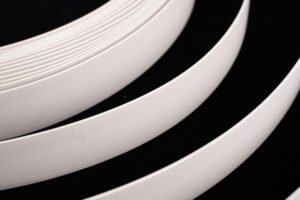

I used to scramble for reliable edge banding for custom runs. Deadlines, color mismatches, and low volume chaos kept me up. (PAS — problem, agitation, solution.)
I choose OEM factories because they solve scale, color control, and repeatability for brand-specific needs, so I can launch faster with fewer surprises.

I know you want practical answers. Below I walk through what brands need, why OEMs win, how they match color and texture, the capacity realities, and how partnerships cut risk and speed launches. Keep reading — I break this into clear steps so you can act.
What Furniture Brands Really Need From Custom Edge Banding Projects?
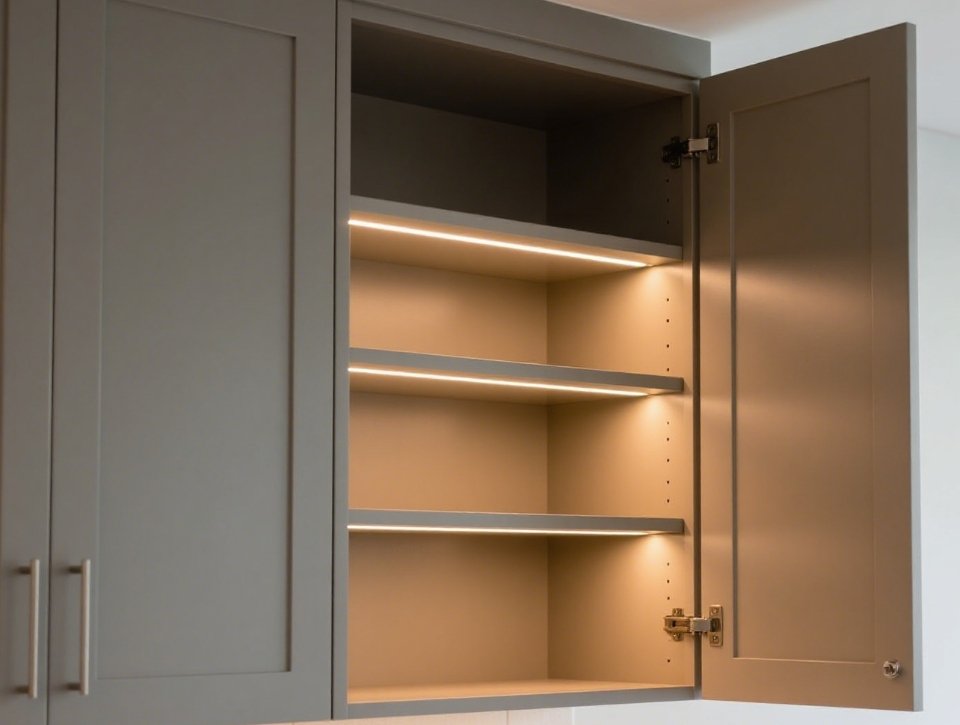
I see three clear needs: consistent color and finish, reliable lead times for production runs, and options for custom sizes or edge profiles. Miss any one of these and the whole cabinet line looks off.
Brands need edge banding that matches the board face across production lots. They also need a partner who can hit volume targets and keep lead times steady. OEMs typically deliver on these because they control material sourcing and production parameters.
Dive deeper
Why consistency is non-negotiable
I learned this the hard way. A one-off sample looked perfect. Then a second resin batch shifted slightly. Customers notice. Color shifts, texture differences, and small profile changes break visual continuity across a product line. Edge banding is not just trim. It ties the whole piece together. Good OEMs log resin lot numbers, pigment batches, and color references to avoid surprises. The industry guidance warns that resin batch variation can cause color differences beyond a supplier’s immediate control, so traceability is essential.
Lead time and volume realities
I plan production calendars down to the week. An OEM usually offers multiple extrusion lines and higher hourly output. Typical extrusion lines can push hundreds of kilograms per hour and thousands of meters per day, which lets me schedule large orders without repeated setup delays. That kind of throughput matters when I scale from prototypes to thousands of units.
Table — Core brand needs vs OEM responses
| Brand Need | What Fails If Missing | How OEMs Respond |
|---|---|---|
| Color match across lots | Visible mismatch across product runs | Pigment control, lab matching, batch traceability. |
| Stable lead times | Missed launch windows | Multiple lines, higher capacity, scheduled production slots. |
| Custom sizes & profiles | Design compromises or rejects | Custom tooling, die sets, and finish processes. |
When I pick a partner, I test for these three things up front.
Why OEM Edge Banding Manufacturers Offer Advantages Standard Suppliers Can’t Match?
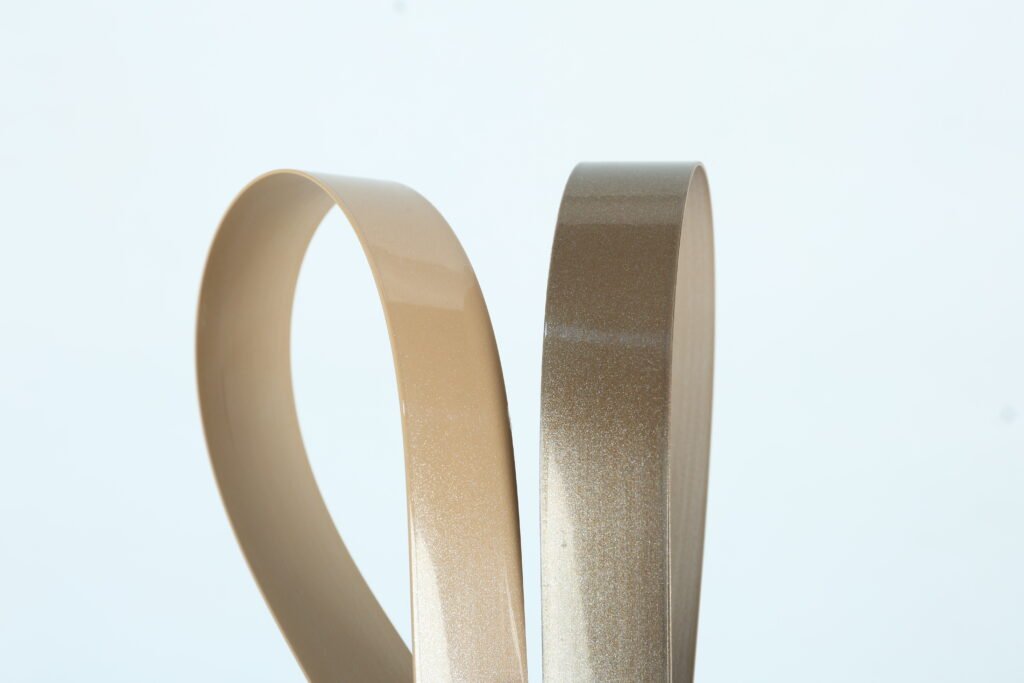
I used standard suppliers for samples. They are good for small runs. But for brand consistency and cost at scale, OEMs out-perform them. OEMs invest in process control and often offer private label or low-minimum OEM services.
OEMs bring integrated quality systems, stricter batch controls, and the ability to lock pigment lots. That reduces the risk of subtle shifts between production runs. They also help brands with packaging, labeling, and private-label options, which saves time when launching under a brand name.
Dive deeper
Cost structure and scale
I compare per-meter costs. Small suppliers charge more for low-volume runs. OEMs lower per-unit cost by running longer extrusions and tighter setups. They amortize tooling and color set-ups over larger volumes. The market data shows rising demand for edge banding materials and growing volumes worldwide, which supports OEM investment in scale. Choosing OEMs often means I can afford better pigments and finishes within the same price target.
Technical controls and QA
OEM plants usually run controlled processes: fixed screw profiles, temperature control, inline thickness gauges, and spectrophotometers for color checks. I insist on initial color approvals using ΔE tolerances. That practice reduces claim rates later. Suppliers without these systems rely on visual checks and simple tolerances. I avoid those for brand projects.
Private label and confidentiality
I treat design patterns as IP. OEMs commonly offer NDA and private-label programs. That protects my designs and lets me offer exclusive finishes. Standard suppliers may lack the contract structure and scale to guarantee exclusivity or to prioritize my runs.
Table — Features comparison
| Feature | Standard Supplier | OEM Manufacturer |
|---|---|---|
| Batch traceability | Limited | Full, with resin lot logging. |
| Volume economics | Poor for scale | Good; lower per-meter cost. |
| Quality control | Basic | Advanced inline QC and lab testing. |
| Private label | Rare | Typical, with NDA options. |
I pick OEMs when I care about long-term product fidelity and cost predictability.
How OEM Factories Customize Colors, Textures, and Sizes for Brand-Specific Requirements?
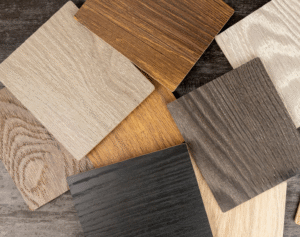
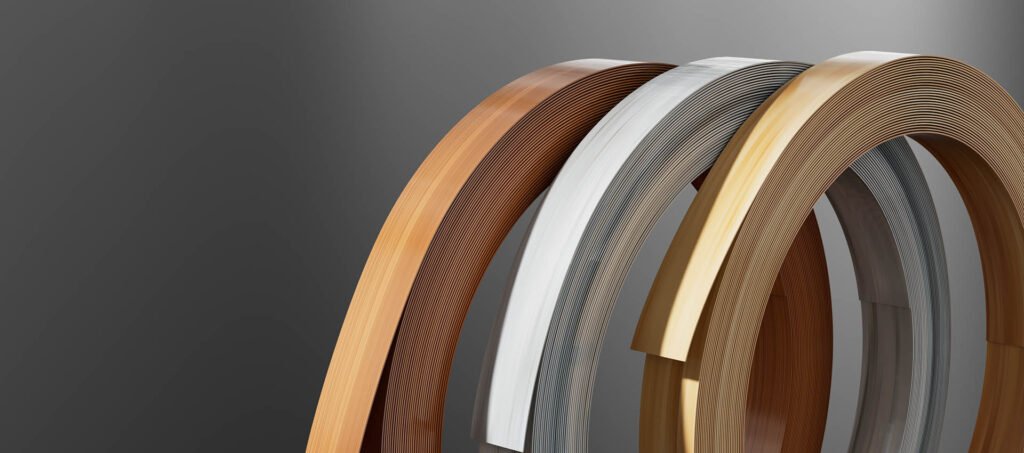
Customization is where I get creative control. OEMs can match complex woodgrains, create new surface textures, and produce non-standard widths or thicknesses for signature product lines.
They do this with lab color matching, gravure printing or digital printing for patterns, calendering for surface finish, and custom die tooling for profiles. When I supply a sample, they run lab trials, produce approval samples, then log the recipe so future runs match. This reduces surprises later.
Dive deeper
Color matching workflow
I always ask for a formal color match process. A solid OEM process looks like this:
- I send a sample or color code.
- The factory runs lab batches and measures using a spectrophotometer.
- They return color chips and ΔE data.
- After my approval, they lock the pigment formula and log resin lot numbers.
That traceable process is key. The industry warns that resin batch changes can still cause variation, so some OEMs add a “color reserve” policy to keep pigment and resin for future runs. I ask if they do that.
Texture and printing techniques
For woodgrain or matte textures, OEMs use printing rollers or digital printing lines followed by a finishing mill. I check for sample durability tests like abrasion resistance and lightfastness. These tests show whether the printed pattern will hold during processing and in the field.
Custom sizes and tool changes
When I need 3 mm or unique profile shapes, OEMs create or adjust dies. I expect a tooling lead time and a small setup charge. Good OEMs amortize tooling cost across repeat orders or offer tool-ownership options. That makes sense when I plan repeated seasonal collections.
Table — Customization checklist (what I verify)
| Item | What I ask the OEM |
|---|---|
| Color match method | Spectrophotometer reports and ΔE values. |
| Pattern durability | Abrasion & lightfastness test results. |
| Size tolerance | +/– specified mm per order. |
| Tooling policy | Tool lead time, cost, and ownership options. |
I only move forward after seeing lab reports and an agreed traceability plan.
The Production Capabilities That Make OEM Edge Banding Reliable for Large-Scale Orders?
I need predictable output. OEMs invest in extrusion capacity, multiple lines, automated winding, and finishing. That investment reduces variability and gives me backup capacity when demand spikes.
A modern extrusion line can run at high throughput measured in kg/hr or meters/day. OEMs also schedule production runs to reduce color-changeovers. This helps me meet seasonal demand without quality drift.

Dive deeper
Throughput and scheduling
I plan orders against line capacity. An OEM with several extrusion lines can dedicate one line to my colors. That minimizes changeovers and reduces scrap. Data from machine manufacturers show production rates that support thousands of meters per day. This means OEMs can fill big orders with stable quality, unlike small shops that must batch multiple small runs.
Redundancy and risk mitigation
I always ask about backup plans: what if a line fails or a resin shipment is delayed? OEMs usually have redundant lines and multiple resin sources. I require lead-time buffers and a contingency clause. That reduces supply risk for my launch windows.
Automation and finishing
Automation—inline thickness gauges, automatic spooling, and vision systems—keeps tolerances tight. Finishing steps, such as lacquering or matte embossing, are controlled with set recipes. I verify that the OEM can repeat the exact finishing parameters before finalizing contracts.
Table — Production capability scorecard
| Capability | Why it matters | What I check |
|---|---|---|
| Number of extrusion lines | Reduces downtime risk | Line count, dedicated line options. |
| Throughput (m/day) | Meets large orders | Typical output rates from vendor specs. |
| Automation level | Consistent tolerances | Inline QC tools and automation description. |
| Contingency plans | Avoid launch delays | Redundancy, second-source resin options. |
I treat these as non-negotiable for any product launch over several thousand units.
How OEM Partnerships Reduce Risks, Improve Consistency, and Speed Up Market Launches?
An OEM partner turns edge banding from a headache into a predictable process. They lower risk through traceability, better QA, and scalable capacity. They speed launches by handling private-label work, packaging, and scheduled slots.
OEMs often work with brands to shorten lead times through priority scheduling. That helps me get seasonal collections to market faster. Market reports show growing edge banding demand, which explains why larger factories now offer tailored OEM services to meet brand timelines.

Dive deeper
Risk reduction through contracts and processes
I use contracts that require batch traceability, acceptance tests, and holdback samples. OEMs that agree to this protect me from color or adhesion failures. I also require lab certificates and defined ΔE limits for color. These contracts reduce disputes and speed claims resolution if needed.
Consistency via locked recipes
When an OEM locks a pigment formula and resin lot, I get consistent results across years. I ask them to maintain a “color reserve” or to notify me of any material change in advance. That practice prevents sudden shifts that can kill a product line’s look.
Faster market launches
A reliable OEM offers private-label packing, labeling, and just-in-time deliveries. That removes coordination work from my team. Some partners even run pilot assembly runs or pre-pack components for easy drop-in to my assembly line. That speed helps me react to market trends faster than brands that build in-house capability.
Table — How OEMs impact timelines
| Impact area | OEM role | Result for my brand |
|---|---|---|
| Time to market | Priority scheduling, JIT packing | Faster launches, fewer delays. |
| Claims & quality | Lab certificates, traceability | Lower claim rate, faster resolution. |
| Cost management | Scale economies | Predictable margins on large runs. |
When I factor in these benefits, OEMs often pay back the extra diligence they require in upfront checks.
Conclusion
I choose OEM edge banding partners because they give me repeatable color, scalable capacity, and faster, lower-risk launches. They turn uncertainty into control.
Data sources
- IMARC Group — Edge Banding Materials Market Size, Share Report 2025-33. https://www.imarcgroup.com/edge-banding-materials-market. (IMARC Group)
- REHAU — What are edgebands and why are they used in Furniture?. https://www.rehau.com/in-en/blog/what-is-edgebanding-uses-in-furniture-design. (REHAU)
- Technic Machines — PVC Edge Band Extrusion Line. https://www.technicmachines.com/edge-band-extrusion-machine-line/. (Technic Machines)
- EdgeCo (PDF) — PVC Edgebanding General Information and Specifications. https://www.edgecoinc.com/wp-content/uploads/2014/06/pvc_edge_spec.pdf. (EdgeCo, Inc.)
- DeepGreen — OEM and ODM Influence in Long-Term Success of Your Furniture Business. https://deepgreen.hk/oem-and-odm-influence-in-long-term-success-of-your-furniture-business/. (DeepGreen)