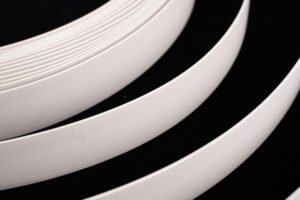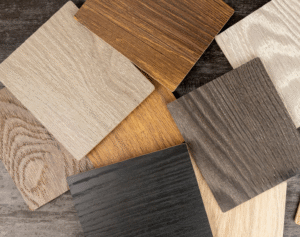
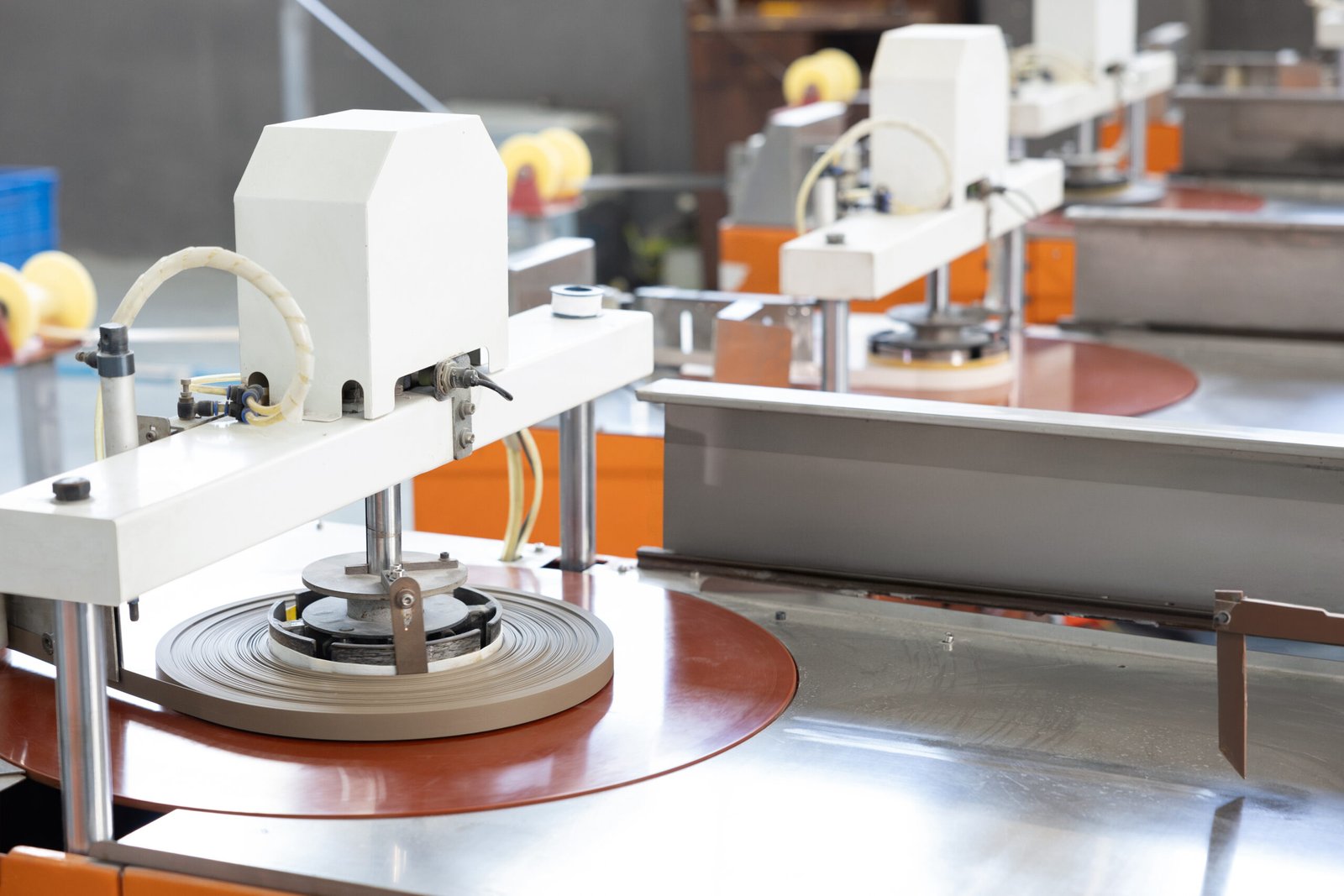
A launch failed when trims didn’t match. Customers returned parts. OEM edge banding fixed color, scale, and timing.
OEM production lets factories deliver private-label lines fast. They give exact color matches, repeatable textures, scalable output, and packaged rolls ready for retail or assembly. This reduces risk and speeds launches.
I break this into five clear parts. I show what brands need. I explain customization steps. I show how OEM systems lock consistency. I list the key capabilities. I end with how partnerships cut risk and boost growth. Read the checklist and apply it to your next project.
Why Private Label Furniture Brands Depend on OEM Edge Banding Production?
A wrong trim can kill a brand launch. I have seen it happen. Brands need reliable partners.
Private label brands depend on OEMs for scale, color control, and confidentiality. OEMs let brands keep unique designs while avoiding big capex. They handle recipes, tooling, and repeat orders that retail and contract customers demand.

Dive deeper
The business problem OEMs solve
I build product lines. I need repeatable parts. Small suppliers give samples. They often fail at scale. OEMs make long runs with the same recipe. That protects brand look. Market reports show edge banding demand is growing, so scale matters when you plan private-label collections.
Cost and speed trade-offs
I compare costs per meter. Small runs cost more. OEMs lower per-unit cost by running longer extrusions and optimized setups. They spread tooling and color charges across volume. This makes private label margins predictable. It also reduces the need for in-house tooling and inventory.
Brand control and IP protection
I protect patterns and woodgrains. OEMs offer NDA and private-label programs. That keeps my designs confidential. They can also print custom labels and pack to retail specs. This reduces my work and speeds shelf-ready delivery.
| Brand need | OEM role | Result |
|---|---|---|
| Low unit cost at scale | Long runs and shared tooling | Predictable margins |
| Repeatable look | Locked color recipes | Consistent product lines |
| Confidentiality | NDA and private-label service | Protected IP and exclusivity |
When I plan private-label runs, I treat OEMs as an extension of my factory.
How OEM Edge Banding Manufacturers Customize Colors, Textures, and Sizes for Private Label Needs?
Custom looks sell. I need exact colors and textures that match boards and brand identity.
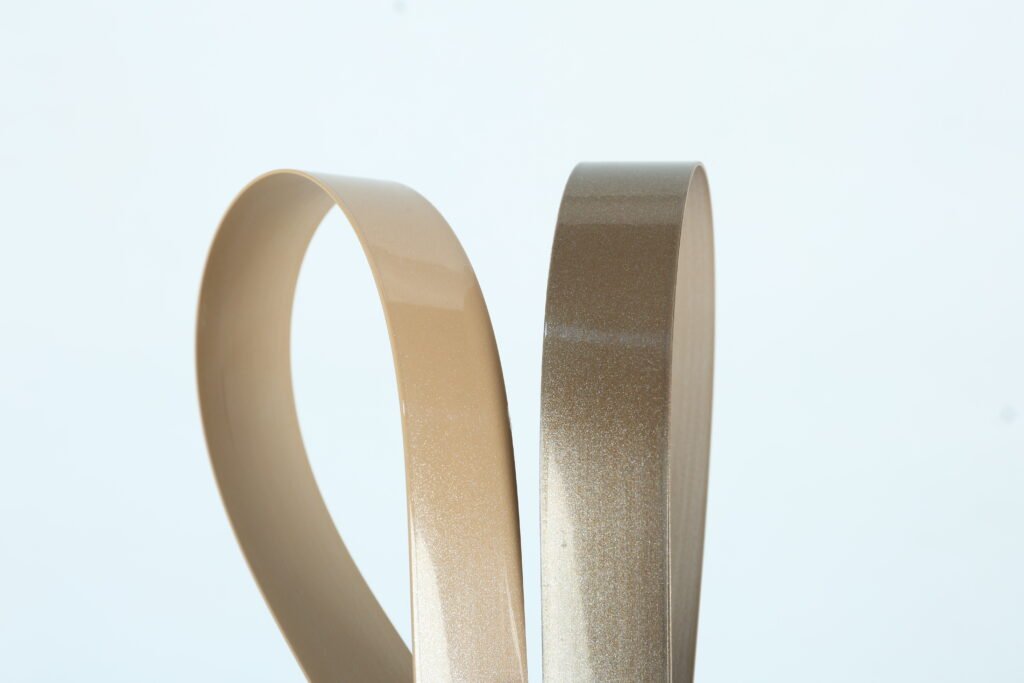
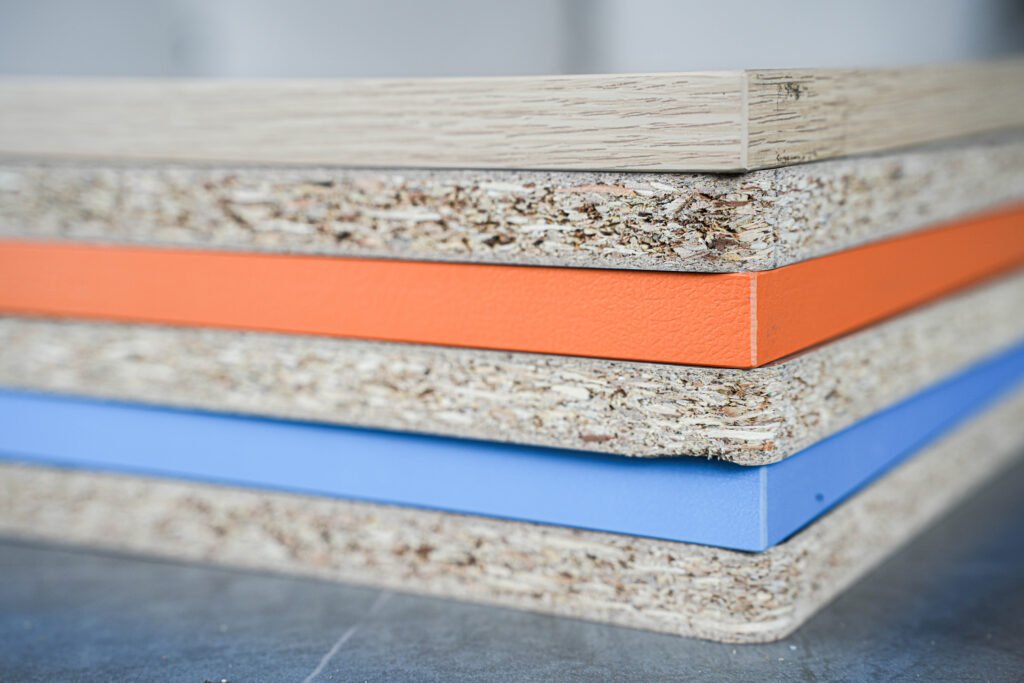
OEMs offer lab color matching, gravure or digital printing, embossing for texture, and custom die tooling for special widths and profiles. They run trials, produce master samples, and lock the recipe for future batches. This process turns a concept into a repeatable product.
Dive deeper
Color matching process I require
I send a sample or an RAL/CMYK code. The factory runs lab trials. They measure with spectrophotometers. They return ΔE data and sample chips. I sign off on a master sample. Then they log the pigment and resin lot. Datacolor guidance shows that ΔE targets must be set by application; for interiors I often use ΔE ≤ 2.0, and for premium lines ΔE ≤ 1.0. This numeric control removes subjectivity.
Textures and embossing choices
I pick emboss-before-print or emboss-after-print based on look and durability. OEMs use rollers and calendering to produce woodgrain or matte hands. They can run durability tests like Taber abrasion for surface wear. I ask for abrasion cycles and lightfastness reports before approval. This avoids returns after a season in the field.
Custom sizes and tooling
I need unusual widths or thin gauges for some profiles. OEMs create or adapt dies. There is a tooling lead time and cost. Good OEMs amortize tooling over repeat orders or offer tool-ownership options. That saves me money when I plan recurring seasonal drops.
| Custom step | What I require from OEM |
|---|---|
| Color match | Lab reports, ΔE printouts, locked recipe. |
| Texture | Emboss method, abrasion & lightfastness tests. |
| Size/profile | Die drawing, tooling lead time, MOQ plan. |
I only approve samples after I get lab evidence and a logged recipe.
How OEM Production Systems Ensure Consistency Across Large Private Label Orders?
Consistency is everything. I need every roll to match the master sample.
OEMs use process controls, inline sensors, and batch logging. They set ΔE tolerances and compare live readings to the master. They also schedule runs to minimize color changeovers. These practices keep acceptance rates high and returns low.
Dive deeper
Production controls I look for
I check temperature control, screw profile stability, and line speed settings. I want inline color sensors and thickness gauges. I want automated winding and vision inspection. These systems catch drift early. They stop a bad run fast. Machine specs show extrusion lines capable of running continuous meters per day at industrial speeds. That lets me schedule large orders with confidence.
Batch traceability and holdbacks
I require resin and pigment lot logging per batch. I also require holdback samples from each lot. Holdbacks prove acceptance if a dispute appears later. OEMs that keep a “color reserve” make future repeats easier. I put these rules into contracts to reduce risk.
Scheduling and changeover strategy
I prefer factories that can dedicate a line or block of production to my colors. That reduces start/stop and scrap. OEMs that plan changeovers by color families save time and money. They also provide a clear QC checkpoint at the first 100 meters and at fixed intervals. I put those checkpoints in the PO.
| System | Why it matters | My check |
|---|---|---|
| Inline color sensors | Catch drift early | See sensor spec and frequency. |
| Holdback samples | Evidence for disputes | One sample per lot. |
| Dedicated line option | Reduce changeovers | Confirm on scheduling calendar. |
These controls let me scale private label runs without surprises.
What Manufacturing Capabilities Matter Most When Building a Private Label Edge Banding Line?
The right machines matter. I need stable extrusion, printing, embossing, and finishing.
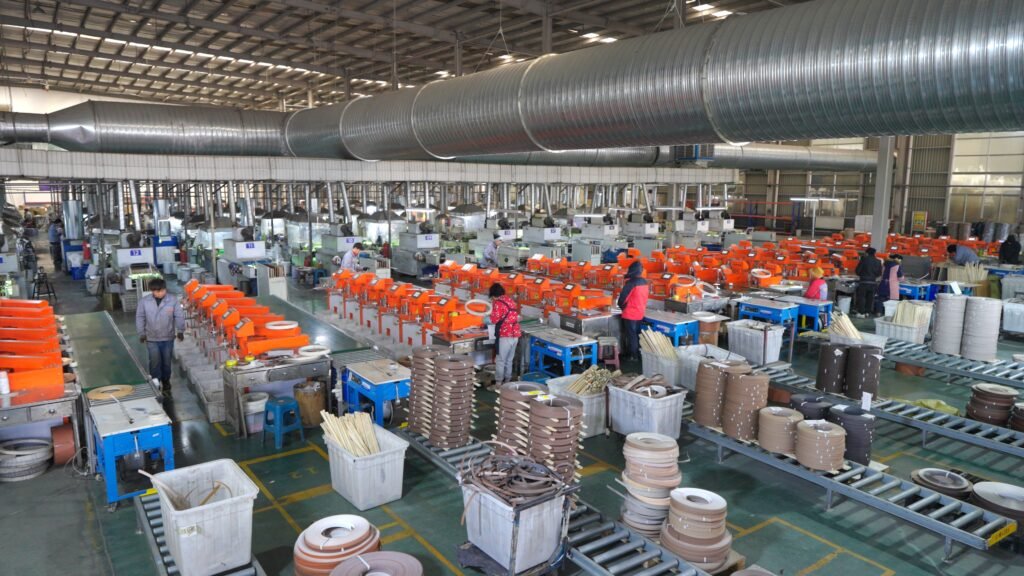
Key capabilities include multiple extrusion lines, a reliable printing/gravure or digital line, embossing/calendering units, inline QC, and proper finishing. I also check the supplier’s testing lab for abrasion and lightfastness. These capabilities determine lead time, quality, and cost.
Dive deeper
Core equipment and what it delivers
I list machines I require:
- Extruders with stable screw design for consistent melt and thickness.
- Printing units (gravure or digital) for precise patterns.
- Embossing/Calendering for texture control.
- Inline gauges for thickness and color.
- Automated winding and packaging stations for consistent coils.
Manufacturers publish output ranges. Some extruders report 50–100+ kg/hr depending on the model and product. That translates into thousands of meters per day on a well-run line. I use that metric to plan production windows and MOQs.
Lab and testing capability
I require an onsite lab or access to a certified lab. I ask for Taber abrasion cycles, adhesion tests, and lightfastness data. ASTM D4060 describes standard abrasion testing for coatings, which I use as a reference when I review reports. This evidence informs my acceptance criteria before I sign off.
Supply chain and raw material sourcing
I check the OEM’s resin supply and backup sources. I ask how they handle resin lot changes and what notice they give for substitutions. I also check minimum order quantities and lead times for special pigments and additives. This planning avoids mid-season surprises.
| Capability | What I verify |
|---|---|
| Extrusion throughput | kg/hr or m/day specs. |
| Printing accuracy | Sample registration limits. |
| Testing lab | Taber abrasion and lightfastness reports. |
| Packaging automation | Coil winding, core protection. |
These capabilities decide whether an OEM can support my private-label roadmap.
How OEM Partnerships Help Private Label Brands Grow Faster With Lower Risk?
I want speed and predictability. OEM partnerships deliver both.
OEMs reduce risk with traceability, QA, and redundancy. They provide private-label packaging and labeling. They also help brands lower per-unit costs and avoid heavy capex. This combination helps me grow faster and respond to market shifts.

Dive deeper
Contract terms that protect both sides
I use contracts with ΔE tolerances, holdback sample rules, and defined remediation steps. I include agreed inspection points and replacement lead times. OEMs that accept these terms show they can operate at brand standards. This reduces disputes and keeps launches on schedule.
Logistics and packing as a service
I often ask my OEM to deliver retail-ready packs or labeled coils. They add edge protectors, moisture liners, and palletized layouts for safer transport. Proper packing reduces damage rates in transit and saves rework time at my warehouse. Packaging specialists note edge protectors and moisture barriers as critical for sea freight.
Commercial upside
Private label offers better margins and brand control. OEMs allow me to test SKUs and then scale winners. They help with seasonal allocations and priority scheduling when needed. This partnership model is how I expand product lines with less capital and lower operational risk.
| Partnership element | Benefit for my brand |
|---|---|
| Contracted ΔE and holdbacks | Faster dispute resolution |
| Private-label packing | Shelf-ready deliveries |
| Priority scheduling | Faster scale-up for winners |
Good OEM partners make private label a growth engine, not a headache.
Conclusion
OEM edge banding gives private-label brands repeatable color, scalable production, and lower launch risk.
Data sources and links
- IMARC Group — Edge Banding Materials Market Size, Share Report 2025-33. https://www.imarcgroup.com/edge-banding-materials-market. (IMARC Group)
- Technic Machines — PVC Edge Band Extrusion Line. https://www.technicmachines.com/edge-band-extrusion-machine-line/. (Technic Machines)
- Datacolor — Best Practices for Delta E Tolerance Standards / Color differences & tolerances (pdf). https://www.datacolor.com/business-solutions/blog/best-practices-delta-e-tolerances/ and https://www.datacolor.com/wp-content/uploads/2022/03/color_differencestolerances.pdf. (Datacolor)
- Alibaba / Manufacturer listings — PVC edge band extrusion machine specs and capacity examples. https://www.alibaba.com/showroom/pvc-edge-band-extrusion-line.html. (Alibaba)
- ASTM / Taber abrasion reference — Abrasion Resistance of Organic Coatings (ASTM D4060). https://www.galvanizeit.com/uploads/resources/ASTM-D-4060-yr-10.pdf. (galvanizeit.com)
- Packaging & edge protector guidance — Imperial Dade / Prime Packaging resources on edge protectors and pallet protection. https://www.imperialdade.com/blog/edge-protectors and https://primepackaging.com/resources/protect-your-products-with-edge-protectors-pallet-protection-solutions. (imperialdade.com)
- Private label / OEM guidance — Sourcy / SupplierWiki articles on OEM vs private label benefits. https://www.sourcy.ai/blogs/oem-vs-private-label and https://supplierwiki.supplypike.com/articles/the-benefits-of-private-label-brands. (Sourcy)