I once missed a delivery because I underestimated lead time. That cost me a client and a week of panic.
Custom edgeband production combines design, compounding, tooling, and finishing. Lead times vary by material, process, and order size. Costs break down into tooling, setup waste, materials, and labor.
I will walk you through the full process. I will show which steps take time. I will explain the cost drivers. Read on to plan smarter orders and avoid surprises.
How the Custom Edgeband Manufacturing Process Works From Start to Finish?
I used to assume edgeband was simple. It is not. Small steps add time and cost.
The process starts with specs and samples, moves to color match and tooling, then to production, QC, and packing. Each step has clear outputs and costs.
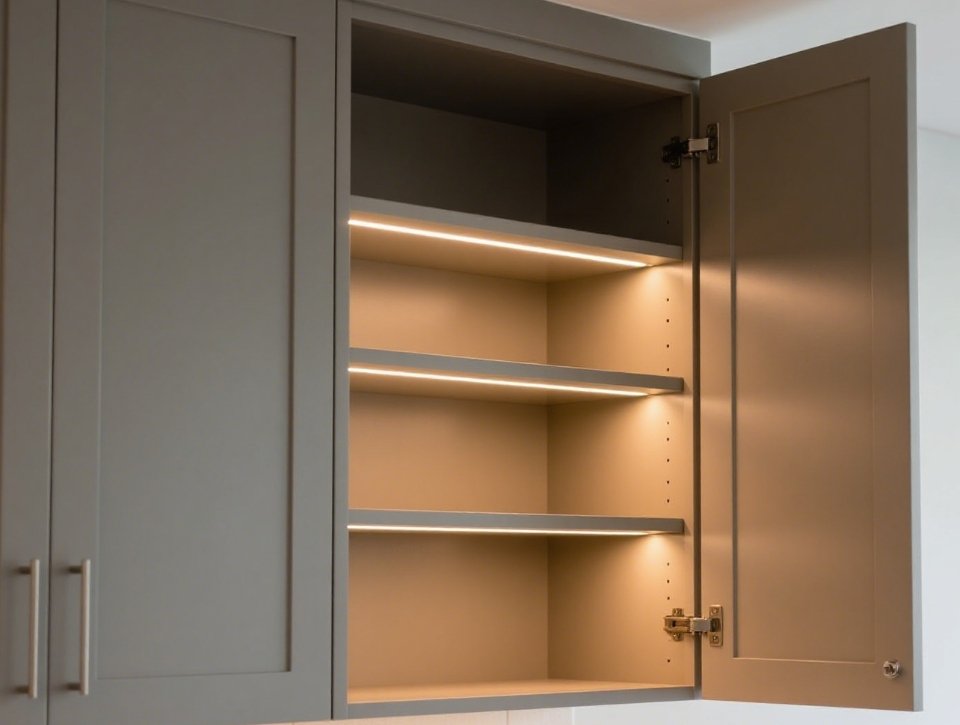
Dive deeper: step-by-step production workflow and who does what
I break the process into clear stages. I list what each stage needs and how long it usually takes.
1. Inquiry and specification (1–3 days)
You send dimensions, color, gloss, texture, and target meters. I confirm width, thickness, roll length, adhesive type (EVA or PUR), and edge profile. This step looks simple. It prevents costly errors later.
2. Sample and color matching (3–14 days)
If you need a custom color, the mill measures your sample with a spectrophotometer. They produce a pilot roll or lab sample. Digital samples may be quicker. Gravure or compound trials take longer. Typical sample lead time ranges from a week to two weeks, depending on workload and whether a cylinder or compound batch is needed. I always ask for a ΔE value and a photographed sample under D65 lighting.
3. Tooling and compounding (5–20 days)
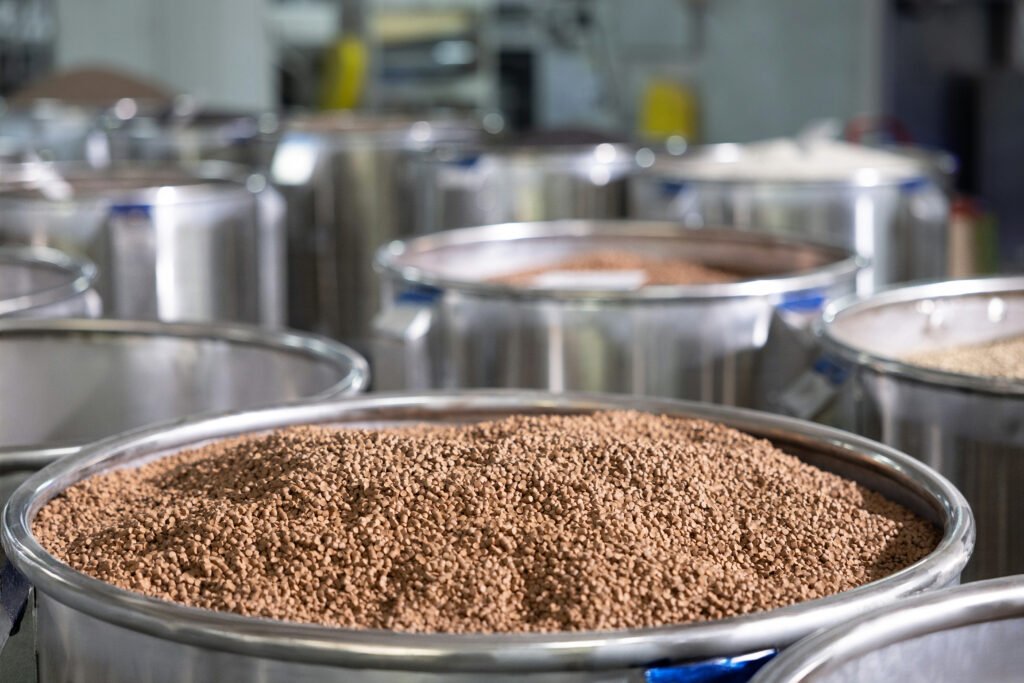
For printed designs, gravure cylinders must be engraved. A cylinder can cost hundreds to a few thousand dollars. For extruded PVC/ABS, a compound (masterbatch) must be mixed in minimum quantities. Tooling and compound runs are the primary fixed costs. They also set minimum order quantities. This stage can be the longest.
4. Production run (7–30 days)
Once tooling and sample approval are complete, the mill schedules the run. Lead time depends on order size, current factory load, and season. Small digital runs can ship in under 7 days. Gravure and large extrusions often need 2–4 weeks.
5. Quality control and finishing (1–7 days)
Mills measure color, thickness, adhesive coat, and embossing. They issue batch certificates with ΔE results. They trim, roll, and pack. If issues appear, rework or a re-run adds days.
6. Shipping and customs (varies)
International shipping time adds to lead time. Air freight is faster but expensive. Ocean freight is economical but slow. I always add shipping buffer to my schedule.
| Stage | Typical time | Key deliverable |
|---|---|---|
| Specs & quote | 1–3 days | Written spec |
| Sample & match | 3–14 days | Pilot sample + ΔE |
| Tooling/compound | 5–20 days | Cylinder / masterbatch |
| Production | 7–30 days | Bulk rolls |
| QC & packing | 1–7 days | Batch certificate |
| Shipping | depends | Arrival date |
I plan orders by adding buffers for tooling and peak season. This simple plan saved me from scramble more than once.
What Affects Lead Times for Different Edgeband Materials and Colors?
I learned that material and color choices change schedules fast.
Lead time depends on the process (extrusion, gravure, digital), material (PVC, ABS, acrylic), and whether a new color or cylinder is needed. Seasonal demand also matters.
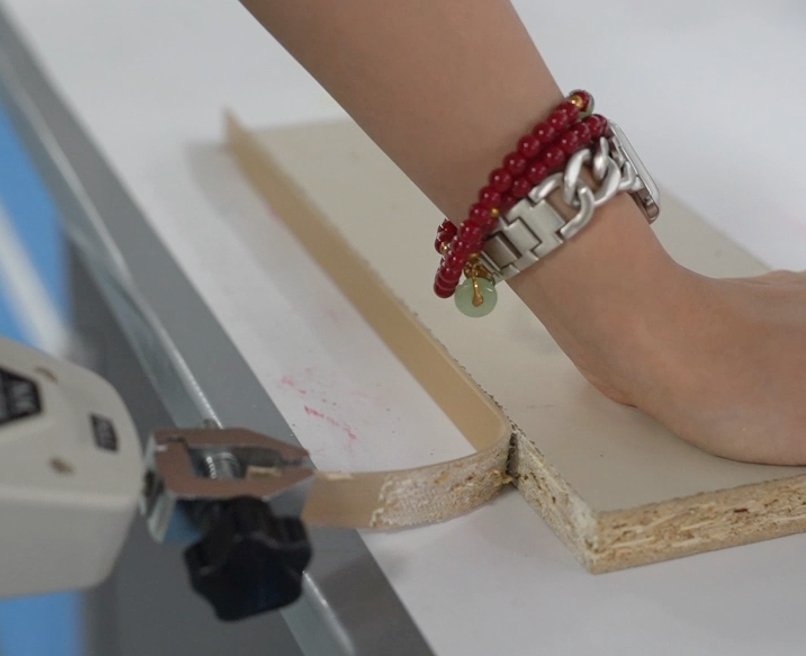
Dive deeper: how each factor stretches or shortens lead time
I list the main variables and explain how they affect the calendar.
Process type: extrusion vs. gravure vs. digital
- Extrusion (PVC/ABS): Continuous process. If color is standard, lead times are shorter. If a custom compound is needed, compounding and stabilization add days. Typical bulk lead time is 2–4 weeks after sample approval.
- Gravure printed tape: Cylinder engraving and plate setup add time. For a new design, expect cylinder making plus trial runs. That often pushes lead time to 3–6 weeks before shipment.
- Digital printing: Little tooling. File-driven. Shortest lead time for custom graphics. Many digital mills quote 3–10 days for small runs.
Material constraints: PVC, ABS, acrylic
- PVC: Most common. Raw materials are widely available. Lead times are moderate. Compounding can be done in medium batches.
- ABS: Often used for higher-temperature resistance. Some pigments or UV stabilizers have longer procurement lead times. This can extend schedules by a few days.
- Acrylic and specialty polymers: They may need special compounding or supplier schedules. These can add one to three weeks, depending on availability.
Color and pattern complexity
- Standard colors in a mill’s stock run fastest.
- Custom colors require masterbatch and trials. This step often adds one to three weeks.
- Complex multi-color patterns need precise gravure settings. They add both cylinder and press setup time.
Order size and factory load
- Large orders need more production time.
- Peak seasons cause queues. Many suppliers report longer lead times during Q3–Q4. I always check factory calendars and ask for capacity windows.
| Factor | Typical lead time impact |
|---|---|
| Digital print | – Fast (days) |
| Extrusion with stock color | – Moderate (1–3 weeks) |
| Custom compound / new cylinder | – Longer (2–6 weeks) |
| Specialty polymer | – Variable (+1–3 weeks) |
| Peak season | – Adds weeks |
I always ask the supplier for a written lead time by stage. That helps me schedule shipments and production.
Key Cost Components Buyers Should Understand Before Custom Production?
Price per meter hides many fixed costs. I learned to separate them.
Major cost items are tooling (cylinders, dies), masterbatch and raw material, setup waste, labor and QC, and freight. Tooling and compound runs create the biggest fixed cost.

Dive deeper: itemized cost breakdown and how to read a quote
I unpack each cost component and show how it affects unit price at different order sizes.
Tooling and plates (fixed cost)
- Gravure cylinders or engraving plates. Price per cylinder can range from a few hundred to a few thousand dollars depending on size and quality. This cost is independent of meters and must be amortized over the run. Gravure tooling explains why MOQs often start in the thousands of meters.
Masterbatch, pigments, and polymer (semi-fixed)
- Custom pigments or polymer blends have minimum batch sizes in kilograms. The cost converts to meters based on tape thickness and width. If you need a rare pigment, lead time and cost rise.
Setup waste and run-in meters (variable but initial)
- First meters may be outside spec during machine stabilization. Mills factor this into the price. Frequent changeovers raise the effective unit cost.
Labor, QC, and color matching (project fees)
- Color matching uses spectrophotometers and lab time. Mills may charge for lab work or include it as a one-time fee. Quality control for custom orders also adds labor.
Finishing and adhesive (per meter)
- Embossing, gloss control, and adhesive application add material and time. Different adhesives (EVA vs. PUR) have cost and performance differences.
Packaging and freight (per order)
- Packaging format (100 m rolls vs. 200 m) affects carton count and freight cost. Shipping mode (air vs. sea) changes landed cost dramatically.
| Cost item | Typical behavior |
|---|---|
| Tooling | Fixed; high impact on small runs |
| Masterbatch | Semi-fixed; depends on compound lot |
| Setup waste | One-time variable; reduces with run length |
| QC & lab | Project fee or embedded |
| Finishing | Per meter |
| Freight | Per order, dependent on mode |
I always build a break-even spreadsheet. I include tooling amortized, variable cost per meter, and carrying cost. That gives the real unit price for each run size.
How Order Volume, Color Matching, and Tooling Impact Final Pricing?
I calculate before I buy. The numbers tell the truth.
Higher volumes dilute tooling and setup costs. Precise color matching raises one-time fees. Tool sharing, forecasting, and digital options change the math.

Dive deeper: simple break-even math and negotiating levers
I use a compact formula to test options. I show how to negotiate based on numbers.
Break-even example (simplified)
- Tooling cost = $2,000
- Variable cost = $0.10 / m
- If you run 1,000 m: unit cost = (2000 + 0.10×1000) / 1000 = $2.10 / m
- If you run 10,000 m: unit cost = (2000 + 0.10×10000) / 10000 = $0.30 / m
This shows tooling dominates small orders. For big brands, tooling quickly pays off.
Negotiation levers I use
- Offer to share tooling cost or pay a tooling fee.
- Commit to a reorder schedule or forecast.
- Use digital print for small or test runs.
- Consolidate similar colors across SKUs to reduce unique toolings.
When to choose digital vs. gravure/extrusion
- Use digital for low-volume, fast-turn, or many small SKUs.
- Use gravure/extrusion for long runs or when unit cost must be low.
| Run size | Best option | Why |
|---|---|---|
| < 500–1,000 m | Digital | No tooling |
| 1,000–5,000 m | Depends | Compare amortized tooling |
| > 5,000–10,000 m | Gravure / extrusion | Lower unit cost |
I always ask the supplier to show me the tooling cost and how it amortizes at different runs. That data gives me real leverage in negotiation.
What Buyers Can Do to Speed Up Production and Reduce Overall Costs?
I learned tactics that cut lead time and cost without losing quality.
Plan early, use stock colors, pick digital for small runs, consolidate SKUs, share tooling costs, and give clear specs. These steps shorten lead time and lower total cost.

Dive deeper: practical checklist I use before I place an order
I give the exact actions that save time and money.
- Finalize specs before requesting samples. Clear specs reduce back-and-forth.
- Ask for stock-color options first. Stock colors skip compounding time.
- Use digital print for prototypes and limited editions. It removes cylinder time.
- Consolidate color families across product lines. Fewer unique colors means fewer toolings.
- Offer forecasts or a small prepayment to secure capacity. Mills prioritize committed business.
- Request batch certificates and ΔE reports upfront. That avoids hold-ups at QC stages.
- Ask for lead-time by stage in writing. That helps internal scheduling.
- Discuss packaging and roll length to optimize freight. Larger rolls often reduce cartons and freight cost.
| Action | Result |
|---|---|
| Clear specs | Fewer sample rounds |
| Stock color | Faster production |
| Digital for samples | Quick validation |
| Forecast commit | Better scheduling |
| Batch certs | Faster acceptance |
I use these moves on every order. They helped me cut average lead time by days and reduce per-meter landed cost.
Conclusion
I plan tooling, choose the right process, and run the numbers. That saves time, cost, and stress.
Data sources and links
- EdgeBandCT — The extrusion process and lead time notes.
https://edgebandct.com/the-extrusion-process-behind-every-pvc-edgeband-roll/ - Alibaba product and supplier pages — Typical MOQ and lead time examples for PVC and ABS edgeband.
https://www.alibaba.com/product-detail/WQ-PVC-Edge-Strips-For-MDF_1600338934112.html
https://www.alibaba.com/product-detail/Waterproof-Flexible-Plastic-ABS-PVC-Strip_1600304584134.html - Frametech — Digital printed PVC edgebanding lead time and use cases.
https://www.framatech.com/collections/digitally-printed-pvc-edgebanding - Kanodia Gravure — Gravure cylinder cost estimator and cylinder cost context.
https://kanodiagravure.com/cylinder-costs/ - Supplier guidance on lead times and bulk production estimates (Alibaba price comparison).
https://www.alibaba.com/price-comparison/pvc-edge-banding-producer