

Pain: I lost days of production waiting for edge-banding that never came on time.
Agitate: My line sat idle while costs and stress climbed.
Solution: This guide fixes that by showing what really makes a supplier reliable.
Choosing a wholesale edgeband supplier who can deliver consistently means focusing on delivery history, clear capacity data, and real quality checks rather than cheap quotes or marketing claims.

Before we jump in, let me make one thing clear—delivery problems in edgeband supply don’t just delay projects. They stop production lines, spike rush freight costs, and damage customer trust. I’ve lived this, and I want you to avoid the same mistakes. Read on to learn how to make smarter supplier choices.
What “Consistent Delivery” Really Means in the Wholesale Edgeband Industry
Pain: You’ve ordered edgeband in bulk, but shipments arrive late or at variable dates.
Agitate: One late shipment stops your board production line.
Solution: Understand what “consistent delivery” really means before you choose a supplier.
Reliable delivery isn’t just “sometimes on time.” It means predictable lead times, clear production schedules, and documented delivery rates you can verify before signing a contract. A good benchmark is above 95% on-time delivery and low lead-time variance.
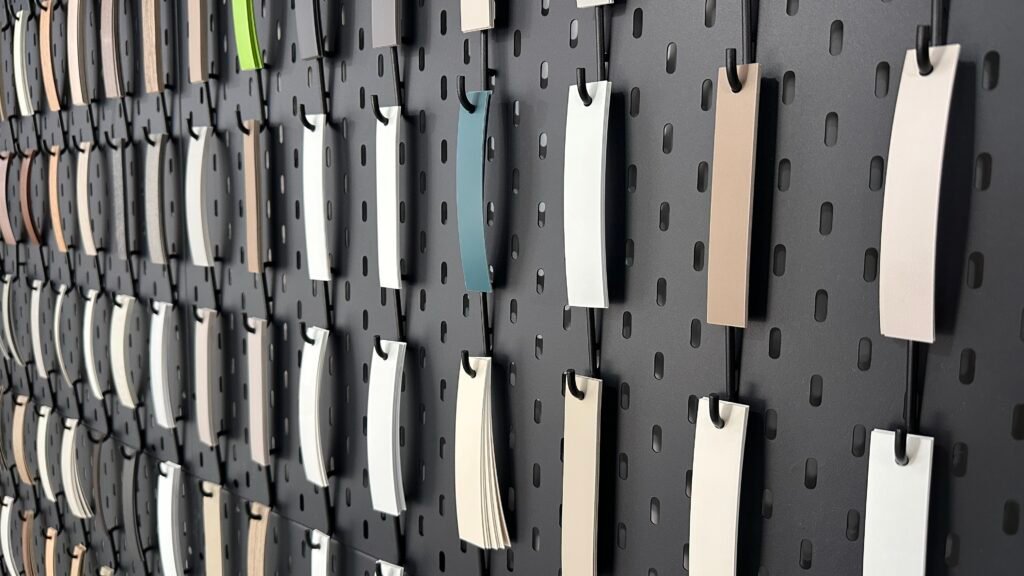
What “consistent delivery” really involves
In manufacturing supply chains like edgeband, consistent delivery covers:
• Predictable lead times
A supplier who always fluctuates between 15 and 45 days is unreliable. I ask for average lead time and deviation data.
• Order fulfillment track record
You should request on-time delivery rates for the past 12 months. A rate above 95% suggests stability.
• Logistics transparency
A reliable supplier shows how they prep finished rolls, package, and ship them, especially for export orders. Logistics partners and export docs matter.
Why this matters
Consistency protects your production schedule. If edgeband arrives on time, your CNC cutters and panel saws keep running. Delay means lost labor hours, expedited fees, and unhappy customers.
In my experience, measuring delivery performance before you order (not after) saves at least one production crisis per year. Predictability beats price every time.
Why Most Wholesale Edgeband Suppliers Fail to Deliver on Time
Pain: You compare quotes and go with the cheapest.
Agitate: Then shipments arrive late or quality slips.
Solution: Understand why delivery fails so you can avoid those suppliers.
Most suppliers fail on delivery for predictable reasons tied to poor transparency and weak processes rather than intentional bad faith. The top issues include unclear capacity claims, weak quality control, and unstable manufacturing operations.

Common reasons delivery fails
Here’s how I break down delivery failure causes:
1. Unverified capacity claims
Some companies claim high monthly output without data. If they can’t show number of extrusion lines, daily meters output, or production logs, their claims are suspect.
2. Poor quality control
Without a robust QC system, batches can be rejected internally, causing delays. A supplier who can’t explain their QC process is a delivery risk.
3. No transparency or documentation
If the supplier refuses to share basic documents like production schedules, QC reports, or delivery history, they’re likely hiding instability.
4. Trading company vs manufacture
Trading companies resell stock, but they depend on third parties. This often causes inconsistent supply and longer delivery times. Ask for live factory proof to avoid this.
The real delivery failure pattern
Here’s a simple view showing why delivery fails and what it costs:
| Failure Cause | What Happens | Cost to You |
|---|---|---|
| Inflated capacity claims | Supplier accepts more orders than they can handle | Delayed orders, frustrated customers |
| Weak QC | Defects found late in production | Rework or cancellation |
| Poor documentation | No clear shipment dates | Planning chaos |
| Trading dependency | Supplier doesn’t control production | Hidden lead time risks |
In my sourcing practice, any supplier that can’t pass a basic verification call fails my test. I always ask for data, not promises.
The 5 Core Capabilities a Reliable Edgeband Supplier Must Have
Pain: You don’t know what to ask suppliers.
Agitate: You choose random vendors and still face delays.
Solution: Focus on 5 core capabilities that truly matter.
A wholesale edgeband supplier who can deliver consistently must demonstrate operational strength, quality discipline, and logistical competence. From my experience, these five capabilities separate reliable partners from headaches.

1) Real production capacity
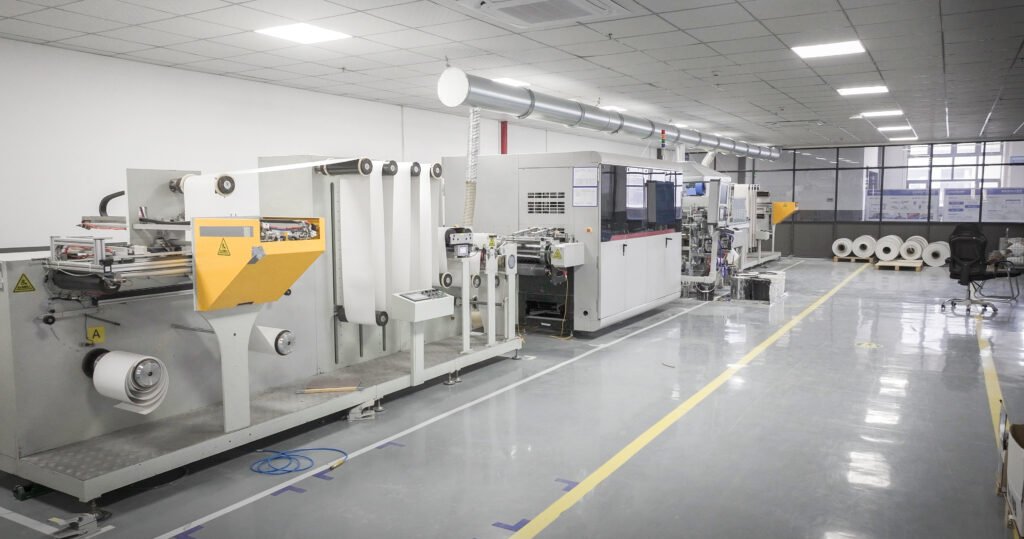
A great supplier shows their factory layout, number of lines, and daily output potential. Look for facilities, staff counts, and equipment age/capacity.
2) Proven quality systems
They must have documented QC steps—inline checks, peel strength tests, and color tolerance logs. If they can share a typical QC report, that’s a strong signal.
3) Delivery performance metrics
Ask for documented delivery rates and lead-time variance. Reliable factories often share 12-month performance summaries.
4) Traceable inventory practices
True manufacturers keep track of batch codes, raw materials, and finished goods. This reduces surprises and helps you plan.
5) Responsive communication
Quick response times (under 4 hours) correlate with coordination strength. Many top suppliers respond far faster, showing they prioritize customer projects.
How these capabilities work together
| Capability | What It Ensures |
|---|---|
| Production capacity | Scalability and order fulfillment |
| Quality systems | Fewer rejects, smoother acceptance |
| Delivery data | Predictability and planning |
| Inventory practices | Ready stock for immediate needs |
| Communication | Fast problem resolution |
In my work, if a supplier lacks even one of these, I red-flag them or pilot test with strict benchmarks before scaling orders.
How to Verify a Supplier’s Real Production and Inventory Capacity
Pain: A supplier sends glossy photos and big numbers.
Agitate: But their deliveries still fail.
Solution: Verify claims with real checks before you commit.
I learned that written claims mean little without proof. Here’s a set of practical verification steps I use to confirm a supplier’s real capacity and stock strength.

Ask for concrete data
Start with basics:
- Number of operational extrusion lines and trimming machines.
- Daily and monthly output in meters.
- Recent production logs or ERP screenshots showing orders processed.
Use sample testing
Don’t accept photos. Request samples from current production rather than staged specimens. Check thickness, adhesive performance, and color match against standards.
Check inventory visibility
A reliable supplier tracks raw materials and finished stock. Ask:
- Do they keep minimum safety stock for core SKUs?
- Can they share current inventory numbers?
Good suppliers treat inventory as a shared planning asset.
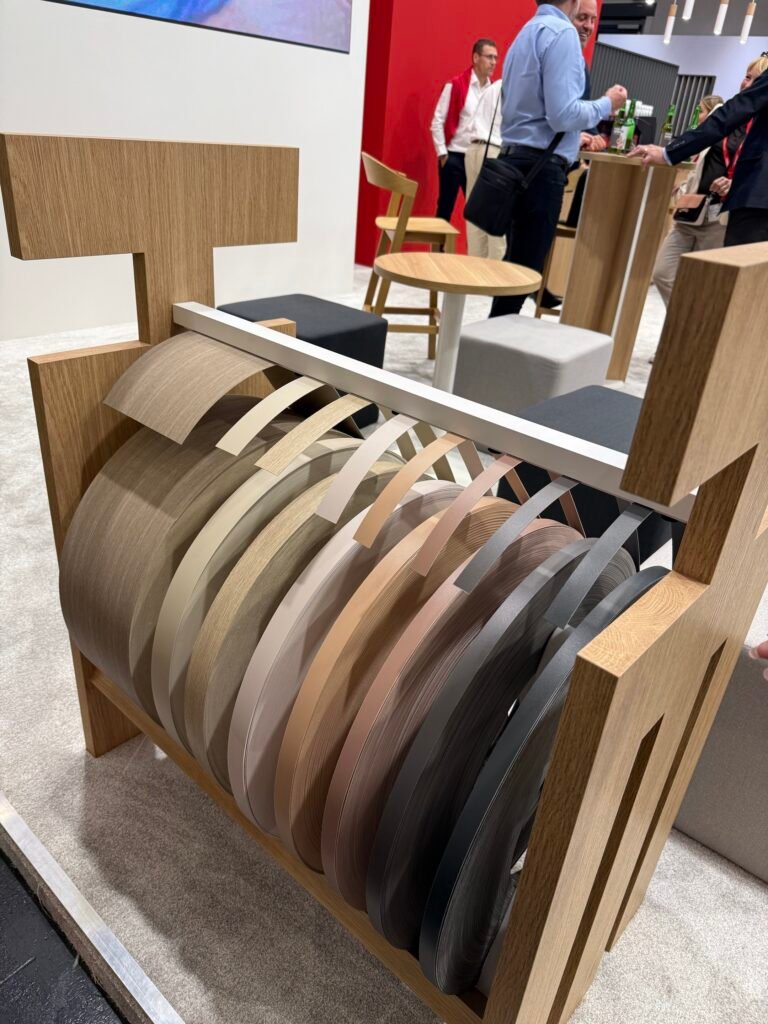
On-site or live verification
If possible, do a video call from the factory floor. Ask them to show actual machines at work and rolls with production date stamps.
Here’s a simple verification checklist:
| Check | What to Ask |
|---|---|
| Factory equipment | Number of lines, machine types |
| Production logs | Last 3 months of output data |
| Sample quality | Physical samples from production |
| Inventory status | Current stock levels with batch codes |
These checks save you from believing polished brochures and marketing photos. I never skip them, even with long-term inquiries.
How Smart Furniture Brands Build Long-Term Supply Chains With One Edgeband Factory
Pain: You juggle multiple suppliers and still get gaps.
Agitate: You waste time chasing deliveries.
Solution: Smart brands build stable long-term relationships with a core manufacturer.
Top furniture makers don’t just shop around. They pick one reliable factory and grow together. This reduces complexity and improves predictability.

Why choose one core partner
A long-term partner:
- Understands your quality needs intimately.
- Plans capacity for your peaks.
- Holds stock for you.
- Prioritizes your orders during busy seasons.
This model pays dividends in delivery performance.
How to structure the relationship
First, start with a pilot order with clear acceptance criteria like delivery dates, quality specs, and penalties for late delivery. Next, move to rolling forecasts so the supplier can plan raw materials and production ahead of time. Finally, build in performance reviews every quarter to adjust terms.
Here’s how I track progress with one supplier:
| Stage | Focus |
|---|---|
| Pilot | Delivery & quality verification |
| Forecast | Future planning & stock allocation |
| Review | Performance metrics & improvements |
This approach turns a transactional buyer–seller interaction into a reliable supply chain partnership.
Conclusion
Consistent delivery comes from verified data, real capacity checks, and strong partnership practices.
Data sources:
– Accio supplier data on on-time delivery and response metrics: https://www.accio.com/supplier/edge-banding-suppliers (Accio)
– Wholesale criteria and delivery benchmarks: https://www.alibaba.com/price-comparison/edge-glued-panels-suppliers (Alibaba)
– Industry vetting and QC guidelines from PVC edgeband sourcing guides: https://edgebandct.com/key-red-flags-that-indicate-a-pvc-edge-banding-supplier-is-not-reliable/