Leading paragraph
Many furniture brands lose orders because their edge banding finish looks wrong, feels cheap, or ages badly, even when the board itself is high quality.
Snippet paragraph
High gloss edge banding gives a shiny, premium look, while matte edge banding offers a soft, modern feel. The right choice depends on brand image, use case, durability needs, and production cost.
Transition paragraph
I have worked with many furniture factories and distributors, and I have seen how one wrong surface choice can ruin a full cabinet line. So we need to look deeper than just “shiny or not.”
What Is the Real Difference Between High Gloss and Matte Edge Banding?
Many buyers think the difference is only how the surface looks, but that mistake leads to bad matching, more rejects, and unhappy customers.
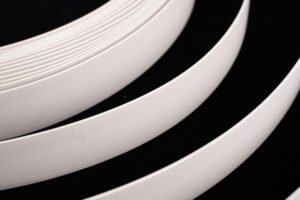
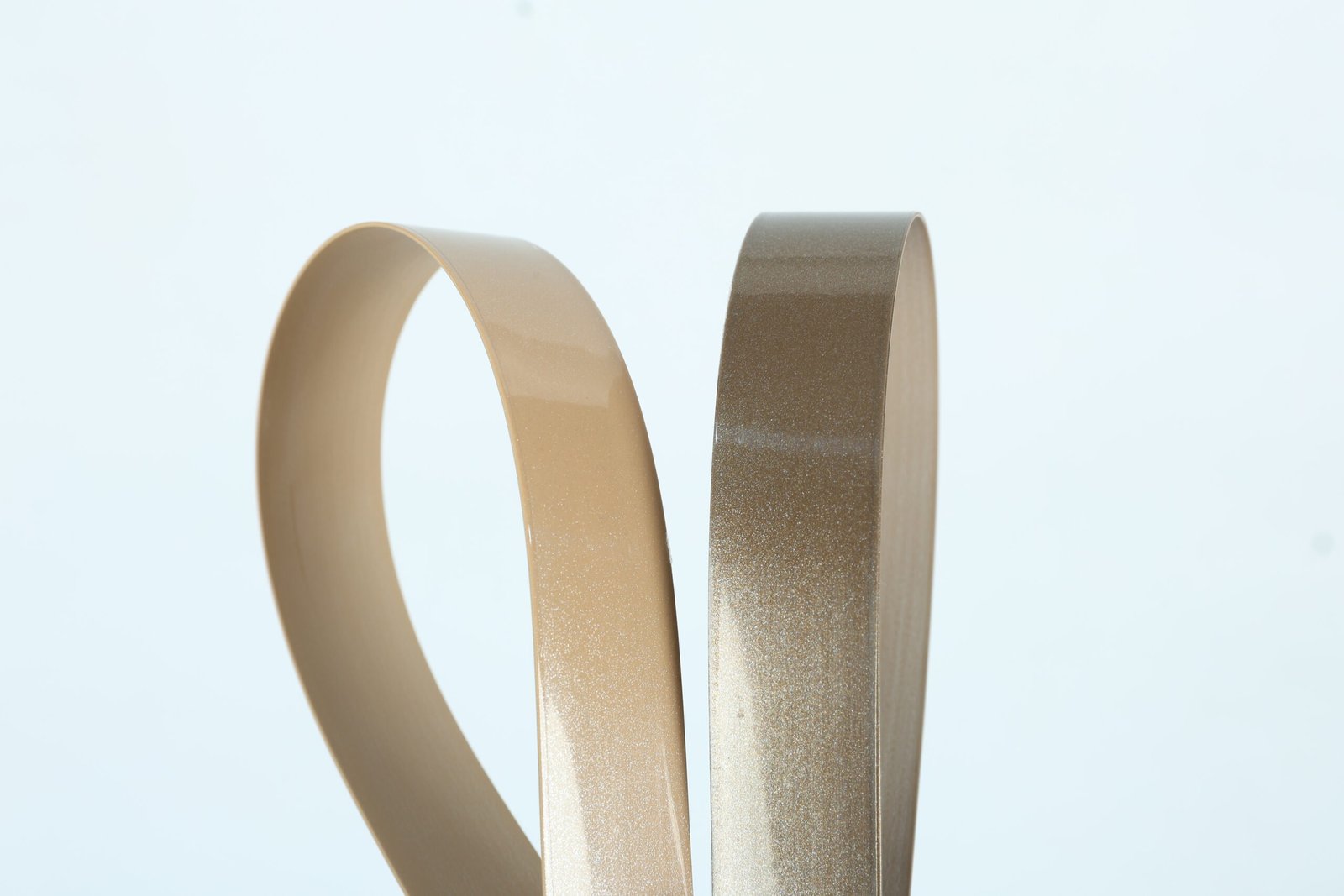
High gloss edge banding uses a smooth, reflective top layer. Matte edge banding uses a micro-textured or dull layer that spreads light instead of reflecting it.
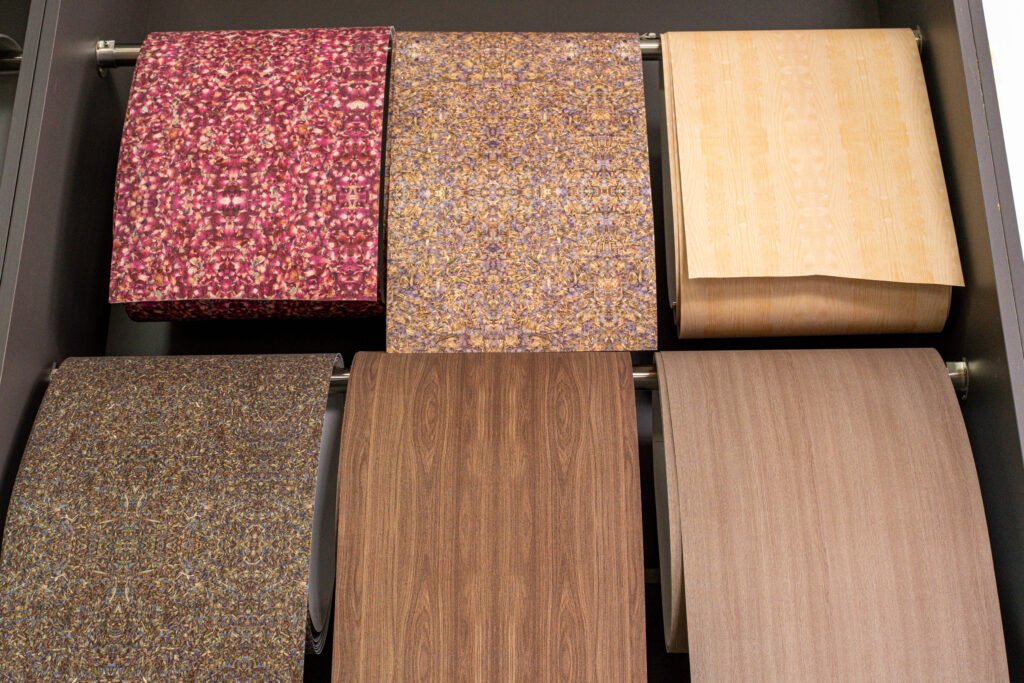
Dive deeper
The real difference between high gloss and matte edge banding is not just shine. It is how light, touch, and wear interact with the surface. I always explain this to new furniture brands because this choice affects design, cost, and even customer complaints.
Surface structure
High gloss edge banding has a very smooth top film. This film reflects light in a direct way. Matte edge banding uses a textured or chemically treated surface that breaks light.
| Feature | High Gloss Edge Banding | Matte Edge Banding |
|---|---|---|
| Surface | Very smooth | Micro-textured |
| Light | Strong reflection | Soft diffusion |
| Touch | Slippery | Soft and dry |
| Look | Bright and bold | Calm and modern |
High gloss makes edges stand out. Matte makes edges blend in.
Material and coating
Most high gloss and matte edge banding both use PVC, ABS, or acrylic layers. The big change is the top coating.
High gloss uses UV coating or polished acrylic. Matte uses anti-glare or anti-fingerprint coating.
These coatings change how the edge reacts to scratches, oil, and light.
What I see in factories
In real production, I see that high gloss edges show every dust mark and every tiny defect. Matte hides small errors. This is why some factories prefer matte when their cutting or gluing is not perfect.
This difference matters when brands scale production.
How Do High Gloss and Matte Finishes Affect Furniture Appearance and Brand Image?
Many brands lose their visual identity because their edge banding does not match their design story.
High gloss gives a luxury and bold look. Matte gives a clean and modern look that feels more calm.

Dive deeper
Edge banding is a small part of a cabinet, but it controls how the whole panel looks. When I visit showrooms, I often see buyers touch the edges first. That touch changes how they feel about the brand.
High gloss and brand feeling
High gloss edges reflect light. This makes furniture look bright and expensive. This style fits:
- Modern kitchens
- Luxury wardrobes
- High-end retail displays
Brands that sell premium lines often use high gloss to show value.
Matte and brand feeling
Matte edges absorb light. This makes furniture look soft and calm. This style fits:
- Scandinavian furniture
- Office furniture
- Minimalist home designs
Brands that sell large volumes often use matte because it looks clean and hides wear.
| Brand goal | Better choice |
|---|---|
| Luxury look | High gloss |
| Soft and modern | Matte |
| Showroom impact | High gloss |
| Mass market | Matte |
What customers feel
High gloss feels cold and smooth. Matte feels warm and soft. These feelings change how people judge quality.
I once saw two cabinets with the same board and same size. The high gloss edge version sold for 15% more because buyers felt it looked more premium.
Which Performs Better in Daily Use: High Gloss or Matte Edge Banding?
Many furniture returns come from scratches, fingerprints, and edge damage, not from the board itself.
Matte edge banding hides daily wear better. High gloss looks better when new but shows damage faster.

Dive deeper
Performance matters more than looks after the furniture leaves the factory. I always tell brands to think about how the customer will live with the product.
Scratch and wear
High gloss has a hard and smooth surface. Small scratches reflect light and become very visible. Matte has texture that hides small marks.
| Test | High Gloss | Matte |
|---|---|---|
| Light scratch | Very visible | Hard to see |
| Deep scratch | Visible | Visible |
| Fingerprints | High | Low |
| Dust | Easy to see | Hard to see |
Cleaning and maintenance
High gloss needs more cleaning. Oil and dust stay on the surface. Matte coatings often include anti-fingerprint layers.
This matters in kitchens and offices where people touch edges many times each day.
Aging over time
UV light makes some high gloss coatings yellow. Matte coatings are more stable in color.
From my own projects, I see matte edges keep their look longer in rental furniture and office furniture.
Cost, Production, and Matching: Which Finish Is More Practical for Manufacturers?
Many factories lose money because they choose the wrong finish for their production level.
Matte edge banding is easier and cheaper to run. High gloss needs better machines and more control.
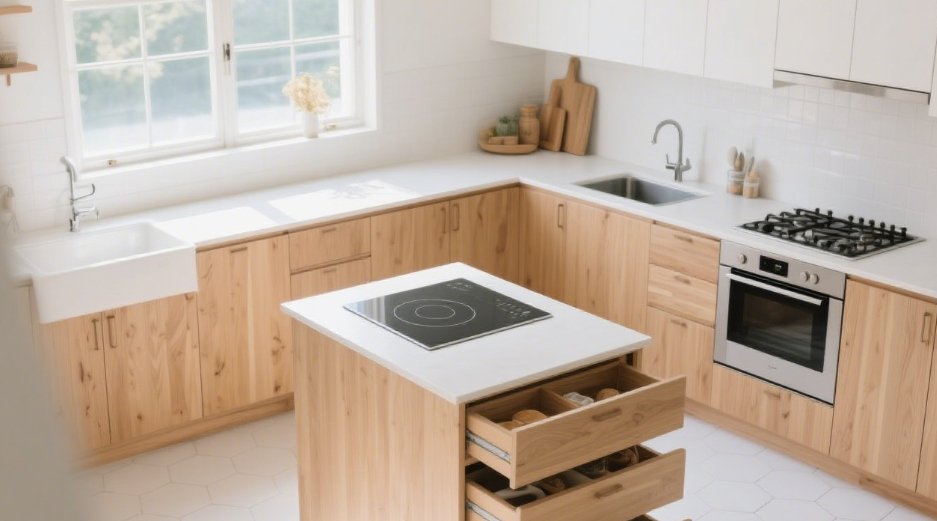
Dive deeper
When I talk with factory owners, this is the part they care about most. Finish choice changes scrap rate, speed, and stock cost.
Production tolerance
High gloss shows glue lines, cutting marks, and edge mismatch. Matte hides them.
| Production factor | High Gloss | Matte |
|---|---|---|
| Glue line | Very visible | Hidden |
| Edge mismatch | Easy to see | Hard to see |
| Machine demand | High | Medium |
| Reject rate | Higher | Lower |
Stock and matching
High gloss boards need high gloss edges that match color and shine. This is hard and expensive. Matte is more forgiving.
This is why many OEM and private label factories choose matte for mass production.
Cost difference
High gloss edge banding often costs 20% to 50% more than matte, because of coating and quality control.
For large orders, this changes profit a lot.
How Should Furniture Brands Choose Between High Gloss and Matte Edge Banding?
Many brands copy others instead of choosing what fits their product and customer.
The right choice depends on brand position, customer use, and factory ability.

Dive deeper
I always tell brands to answer three simple questions.
1. Who is your customer?
Luxury buyers accept care and cleaning. Mass buyers want low trouble.
| Customer type | Best finish |
|---|---|
| High-end home | High gloss |
| Rental | Matte |
| Office | Matte |
| Retail display | High gloss |
2. How will the furniture be used?
Kitchen doors get touched a lot. Wardrobes less.
High touch = matte.
Low touch = high gloss.
3. What can your factory handle?
If your machines and workers are not very stable, high gloss will cause waste. Matte is safer.
I have seen brands grow faster after they switched from high gloss to matte because their defect rate dropped.
Conclusion
High gloss sells style. Matte sells stability. The best brands choose based on customer use, not just looks.
Data Sources
- European Panel Federation – Surface finish and furniture use
https://europanels.org - PlasticsEurope – PVC and surface coating performance
https://plasticseurope.org - Woodworking Network – Edge banding performance and trends
https://www.woodworkingnetwork.com - Schattdecor – Surface finish and furniture design trends
https://www.schattdecor.com