
Prices for PVC edge banding can look confusing and unpredictable. Many distributors feel stuck with low quotes that lead to big problems later.
Bulk pricing has real rules behind it. If you know the key cost drivers, you can buy smarter, save money, and avoid quality traps.
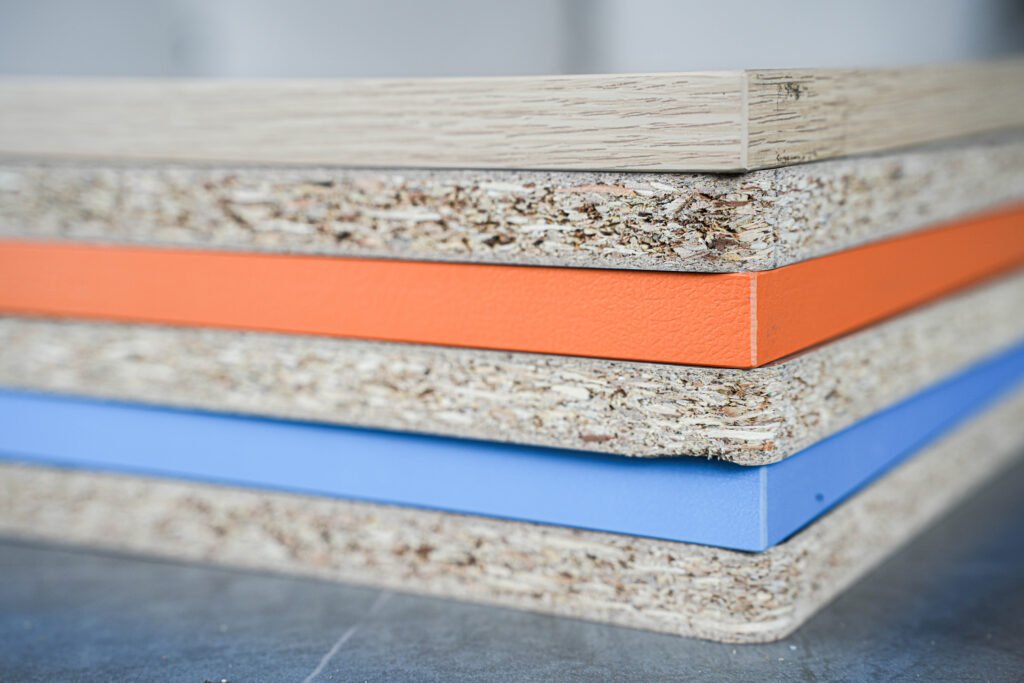
I will explain what really determines bulk pricing for distributors and how to negotiate fair deals with factories.
What Really Determines Bulk PVC Edge Banding Prices for Distributors?
Confused by price differences between suppliers? You are not the only one. Some quotes are low, some are high, and they seem random.
Bulk PVC edge banding pricing depends on real cost factors like raw materials, finish, order size, and factory structure. Understanding these factors helps you avoid bad deals.
Price Drivers You Must Know
1. Raw Material Cost
PVC resin and additives make up a large portion of the cost. When PVC resin prices rise, the final product price also increases. Industry reports show raw materials can account for more than half of total production cost.
- PVC resin price volatility influences edge banding pricing.
- Resin suppliers set prices based on petrochemical feedstock markets.
2. Thickness and Width
Thicker and wider banding uses more PVC. That increases material cost per meter. Standard thickness ranges from 0.4mm to 2mm and wider widths above 40mm cost more.
3. Production Complexity
Special finishes like gloss, matte, or wood-grain textures require extra process steps. These steps raise production cost. Custom patterns or premium design often have higher factory charges.
4. Volume Discounts
Larger order quantities spread fixed costs over more meters, lowering per-meter cost. Many factories offer volume tier pricing with notable discounts for big orders.
Here is a simplified view:
| Cost Factor | Impact on Price |
|---|---|
| Raw Material | High |
| Thickness/Width | Medium |
| Surface Pattern/Finish | Medium-High |
| Order Volume | High (reduces price) |
Real price quotes must reflect these elements. Simple low price per meter might ignore cost drivers and mean quality or tolerance issues.
How Raw Materials, Color, and Surface Finish Change Your Cost?
You saw base pricing factors. Now let’s see how materials and finish shape actual costs you pay.
Some distributors chase cheap quotes. Low prices often mean cheap materials and limited finishes. That leads to customer complaints and returns.

How Material Choice Affects Price
Material Quality
PVC resin quality varies. Premium PVC resins with better flexibility, wear resistance, and adhesion cost more than lower-grade variants. Buying inferior resin saves money upfront but can cause edge chipping, peeling, and defects.
Surface Color and Pattern
Standard colors like white or brown cost less. Custom colors and complex wood-grain patterns need special dies and printing. Those extra steps raise cost. Woodgrain also uses extra quality control to match customer specs.
Finish Types
- Matte finish usually costs less.
- Glossy or textured finishes add process steps.
- High-definition patterns need precision calibration.
This table shows typical cost behavior:
| Feature | Price Impact |
|---|---|
| Standard color | Lower |
| Custom color | Higher |
| Matte finish | Low |
| Gloss/textured | Medium-High |
| High complexity pattern | High |
I once bought a bulk order of woodgrain banding that seemed cheap. When it arrived, the color did not match my panels. We had to rework 20% of boards, which cost more than the price difference. That taught me not to chase cheap quotes without material and color details.
How Order Volume and MOQ Affect Your Per-Meter Pricing?
Many “low” quotes are tied to unrealistic order sizes. If you order below the MOQ, the factory charges extra per meter.
Volume matters. Larger orders unlock lower per-unit cost. Many factories show tiered pricing where the price drops as you push past certain volume thresholds.

Order Size and Tier Pricing
Factories often segment pricing:
| Order Size | Typical Price per m |
|---|---|
| < 3,000m | Higher |
| 3,000–10,000m | Mid-range |
| > 10,000m | Low-range |
For example, many raw PVC offers in the market show pricing of $0.01–$0.04 per meter only when volume is over tens of thousands of meters.
MOQ also drives price risk:
- Low MOQ often has higher unit cost.
- High MOQ means you must commit large inventory but get lower price.
Ask factories for their MOQ tiers and exact price breaks. It helps you forecast margins and negotiate better.
In my first year as a distributor, I ordered 3,000 meters at a low bulk price only to find the price dropped another 20% at 5,000 meters. That taught me to always check pricing tiers before ordering.
Why Two PVC Edge Banding Quotes Can Look the Same but Cost Very Different?
Seeing two quotes with close numbers doesn’t always mean they are equal. Hidden differences in specs change total cost significantly.
A $0.05/m quote might look better than $0.06/m. But if the first uses low-quality PVC with poor pigment control, your hidden cost from rejects, rework, and returns can be much higher.

What to Compare in Quotes
| Quote Item | Meaning |
|---|---|
| Raw material grade | Affects durability and defects |
| Color tolerance | Tight tolerance reduces mismatches |
| Batch traceability | Consistency over time |
| MOQ and lead time | Affects cash flow |
A quote without raw material details usually hides quality shortcuts. Always ask for:
- Material certificates
- Color Delta E tolerance
- Batch control records
A factory that does not provide these is often cutting cost in ways that will hurt you later.
How Distributors Can Negotiate Fair and Stable Bulk Pricing with Factories?
Negotiation is a skill. A smart distributor asks specifics, not just prices.

Negotiation Tips
Ask for Tiered Pricing
Get clear tiers by volume. This helps you see exactly when price drops and plan orders accordingly.
Include Quality Terms
Negotiate quality guarantees with measurable indicators like ΔE color limits or thickness tolerance. It protects you from factory shortcuts.
Lock Prices for Period
Ask for price validity for 30–90 days. Some factories tie prices to raw material market indexes, so clarity helps avoid surprises.
Consider Long-Term Contracts
Offering predictable volume can justify lower pricing from the factory. They see security and reward you with better terms.
Understand Incoterms
Know whether prices are FOB, CIF, or DDP. Freight and insurance affect your final landed cost.
In my practice, locking a 90-day price with quarterly review tied to resin market indexes balanced risk and fairness for both sides.
Conclusion
Bulk PVC edge banding pricing depends on materials, finish, volume, and contract terms. Smart distributors compare full specs, not just unit prices.
Data Sources:
– Edge banding price ranges and discount effects, Alibaba SmartBuy edge banding guide. (SmartBuy)
– Bulk order pricing and MOQs for PVC edge banding products. (Accio)
– Material, finish, and cost drivers for PVC edge banding pricing. (Tomine)