

Many edgeband distributors struggle with inventory pressure. Stock builds up on slow colors, while fast-moving SKUs suddenly run out. This creates stress, cash flow risk, and lost trust.
Past order data already contains the answer. When used correctly, it helps me see real demand patterns and make better stocking decisions with less guesswork.
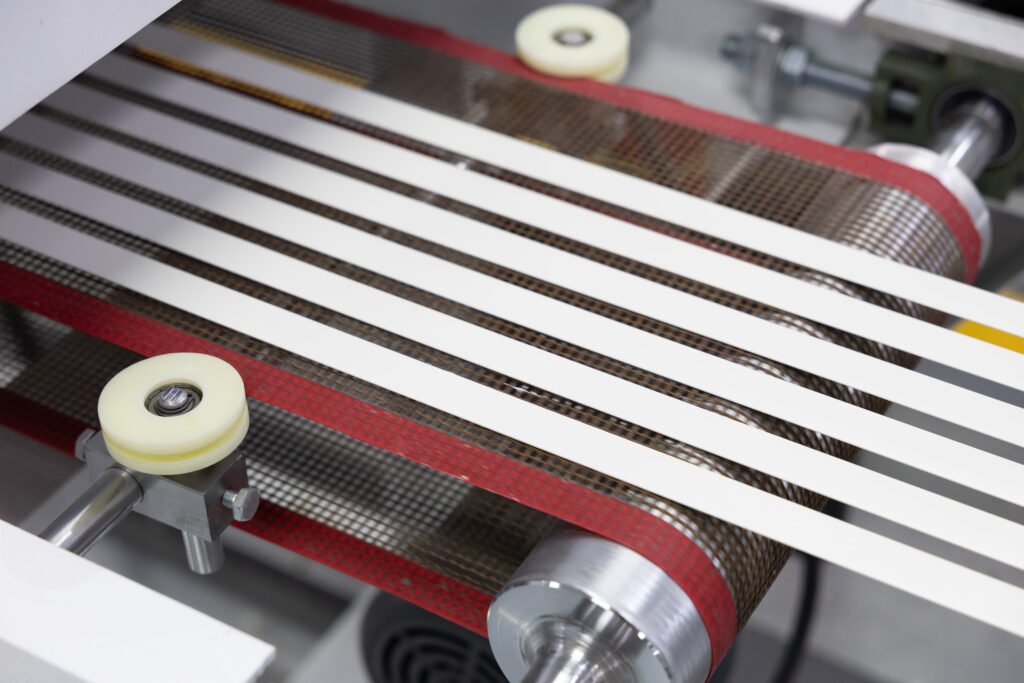
I have seen many distributors treat forecasting as guesswork. I believe it should be a simple data habit. If I understand what happened before, I can prepare better for what comes next.
Why Demand Forecasting Is Difficult for Edgeband Distributors?
Most edgeband distributors feel that demand forecasting never works. Orders look random, customers change colors often, and small batches make trends hard to see.
Forecasting feels hard because edgeband demand is fragmented. I deal with many SKUs, many colors, and many thicknesses. Each one moves at a different speed.

The real problem is not the lack of data. The problem is how the data is viewed.
Too Many SKUs Hide Real Demand
Most distributors look at total sales volume. That hides useful signals.
| Issue | Result |
|---|---|
| Hundreds of colors | Demand looks random |
| Small order quantities | Trends seem unstable |
| Custom finishes | Data feels unusable |
When I group everything together, forecasting always fails. Each SKU behaves differently.
Customer Orders Are Not Truly Random
Many buyers repeat the same choices. They may change quantities, but colors and sizes stay stable.
| Customer Type | Order Behavior |
|---|---|
| Cabinet factories | Repeat core colors |
| Project buyers | Short-term spikes |
| Retail workshops | Small but steady |
Once I separate customers by type, demand becomes easier to read.
Emotional Decisions Replace Data Decisions
Without structure, I rely on feeling.
I stock more because I fear shortages. I delay orders because I fear slow sales. Both decisions create risk.
Forecasting becomes difficult only when I do not trust my own data.
What Past Order Data Really Tells You About Customer Buying Patterns?
Past order data is not just history. It shows habits, preferences, and stability in customer behavior.
When I started reading data at SKU level, patterns became clear.

Order data answers one key question. Which demand is stable, and which demand is noise?
Frequency Is More Important Than Volume
Large orders attract attention. Small repeat orders create predictability.
| Data Signal | Meaning |
|---|---|
| High frequency | Stable demand |
| Low frequency | Risky stock |
| Consistent gaps | Reorder cycle |
I learned to focus on how often a SKU appears, not how big each order is.
Customers Repeat More Than They Think
Most customers believe their needs change often. Data shows otherwise.
| Observation | Reality |
|---|---|
| Color switching | Limited to few SKUs |
| Size changes | Within narrow range |
| Finish variation | Mostly cosmetic |
This means forecasting is possible if I track correctly.
Data Shows Buying Intent, Not Just History
Orders reflect production plans. They reflect sales confidence.
When a customer repeats the same SKU for months, that SKU earns space in my warehouse.
Past data helps me say no to emotional stocking and yes to proven demand.
How to Identify Repeat SKUs and Stable Demand from Historical Orders?
Stable demand is hidden inside messy order lists. My job is to extract it using simple rules.
I do not need advanced software. I need discipline.

The goal is to separate predictable SKUs from risky SKUs.
Step One: Sort Orders by SKU, Not by Date
Most people read orders chronologically. I read them vertically.
| SKU | Orders in 12 Months | Active Months |
|---|---|---|
| White 22x1mm | 18 | 9 |
| Oak Grain 22x2mm | 4 | 3 |
| Custom Gray | 1 | 1 |
Frequency matters more than volume.
Step Two: Define What “Repeat” Means
I set simple rules.
| Rule | Threshold |
|---|---|
| Repeat SKU | ≥ 3 orders |
| Stable SKU | ≥ 6 active months |
| Risk SKU | ≤ 2 orders |
This removes emotion from decisions.
Step Three: Connect SKUs to Customer Types
A repeat SKU for one customer may still be risky.
| Customer Type | Forecast Value |
|---|---|
| Long-term factory | High |
| Project buyer | Medium |
| One-time buyer | Low |
Stable demand exists when SKU repeat and customer stability overlap.
Once I apply this logic, forecasting becomes structured instead of emotional.
Using Simple Data Segmentation to Forecast Short-Term Edgeband Demand?
Short-term forecasting does not need complex models. It needs clear segmentation.
I focus on the next 30 to 90 days.

Segmentation turns raw data into action.
Segment by Time Window
Not all history matters equally.
| Time Range | Use |
|---|---|
| Last 30 days | Immediate replenishment |
| Last 90 days | Short-term forecast |
| Older than 6 months | Background reference |
Recent data carries more weight.
Segment by SKU Behavior
Each SKU behaves differently.
| SKU Type | Action |
|---|---|
| Fast repeat | Keep safety stock |
| Medium repeat | Order on cycle |
| Slow or one-time | Avoid stocking |
This avoids blanket decisions.
Segment by Customer Reliability
Some customers are predictable. Some are not.
| Customer | Forecast Trust |
|---|---|
| Contract factories | High |
| Export project buyers | Low |
| Local workshops | Medium |
Forecasting becomes realistic when I accept these differences.
Simple segmentation reduces errors without adding complexity.
How Accurate Demand Prediction Reduces Inventory Risk Without Losing Sales?
Many distributors fear that lower inventory means lost sales. My experience shows the opposite.
Accuracy protects both cash and service.

When I predict better, I stock smarter.
Lower Inventory Does Not Mean Lower Availability
Availability depends on the right SKUs, not more SKUs.
| Approach | Result |
|---|---|
| Broad stocking | High dead stock |
| Focused stocking | Faster turnover |
Customers care about core colors being available.
Cash Flow Improves Before Sales Drop
Dead inventory consumes cash quietly.
| Inventory Type | Cash Impact |
|---|---|
| Fast-moving | Positive |
| Slow-moving | Negative |
| Obsolete | Locked |
Better prediction frees working capital.
Trust Improves When Delivery Becomes Stable
Customers trust consistency.
| Outcome | Effect |
|---|---|
| Fewer stockouts | Higher loyalty |
| Fewer substitutions | Fewer complaints |
Accurate forecasting is not about perfection. It is about fewer bad decisions.
Conclusion
Past order data turns guessing into planning. When I trust simple data rules, I reduce risk, protect cash, and serve customers better.
Data Sources
- Harvard Business Review – Predictive Analytics and Demand Forecasting
https://hbr.org - McKinsey & Company – Demand Forecasting and Inventory Management
https://www.mckinsey.com - Investopedia – Inventory Turnover and Demand Planning
https://www.investopedia.com - APICS / ASCM – Demand Planning Fundamentals
https://www.ascm.org