Many furniture factories lose customers because of small edge banding problems. Peeling, cracking, and glue lines can quickly damage product quality and customer trust.
Edge banding problems usually come from poor material quality, wrong machine settings, unstable glue performance, or low-temperature resistance. Choosing reliable edge banding and using proper production settings can reduce defects, customer complaints, and long-term production costs.

Good edge banding does more than improve appearance. It protects furniture panels, improves durability, and helps furniture brands reduce after-sales issues. I have seen many factories focus only on price. In the end, they spend more money handling complaints, replacing products, and losing customers. That is why understanding common edge banding problems is important for both distributors and furniture manufacturers.
Why Edge Banding Problems Happen in Furniture Production?
Many factories blame machines for edge banding defects. In reality, most problems start much earlier with material quality, glue selection, or unstable production conditions.
Edge banding problems happen because of poor raw materials, incorrect machine settings, unstable temperatures, low-quality adhesive, or inconsistent production standards. Small issues during production can quickly become visible defects after furniture reaches the market.
Poor Material Quality Creates Long-Term Problems
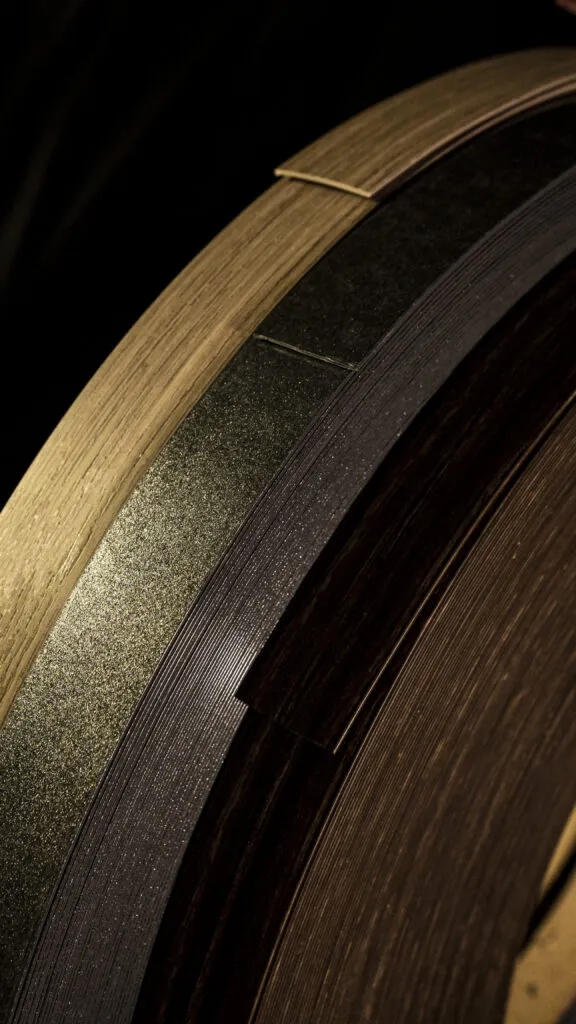
I often see factories choose low-cost edge banding to reduce purchasing costs. This usually creates bigger problems later. Cheap materials often contain too much calcium powder or recycled plastic. The flexibility becomes weak. The edge banding becomes brittle in winter. Peeling and cracking appear much faster.
Good edge banding needs stable raw materials. Thickness consistency is also important. If thickness changes too much, machines cannot apply stable pressure during production.
Machine Settings Are Often Ignored
Many operators focus only on speed. They ignore temperature, pressure, and feeding speed. This creates unstable bonding results.
Here are several common production mistakes:
| Production Factor | Common Problem | Result |
|---|---|---|
| Low temperature | Glue does not fully melt | Peeling |
| Excessive pressure | Surface damage | Whitening |
| High feeding speed | Weak bonding | Edge lifting |
| Poor trimming settings | Rough edges | Customer complaints |
Even good edge banding cannot perform well under unstable machine conditions.
Environmental Conditions Also Matter
Temperature and humidity can strongly affect edge banding performance. Winter production often creates more complaints because cold materials become less flexible.
I once worked with a customer from Eastern Europe. Their edge banding cracked badly during winter transportation. Later, we found the problem came from low-temperature resistance. After switching to better PVC materials, the complaint rate dropped significantly.
Glue Compatibility Is Critical
Some factories use glue that does not match their edge banding material. This creates weak adhesion and visible glue lines.
Factories should always test:
- EVA glue compatibility
- PUR glue performance
- Heat resistance
- Bonding strength
Stable production depends on the combination of materials, glue, machines, and working conditions.
Edge Banding Peeling Off: Causes and Effective Solutions?
Peeling edge banding quickly destroys furniture quality. Customers often think the whole cabinet is low quality after seeing only one peeling corner.
Edge banding peeling usually comes from weak adhesive bonding, incorrect machine temperature, poor pressure control, dust contamination, or low-quality edge banding materials. Stable glue performance and proper machine adjustment can prevent most peeling problems.
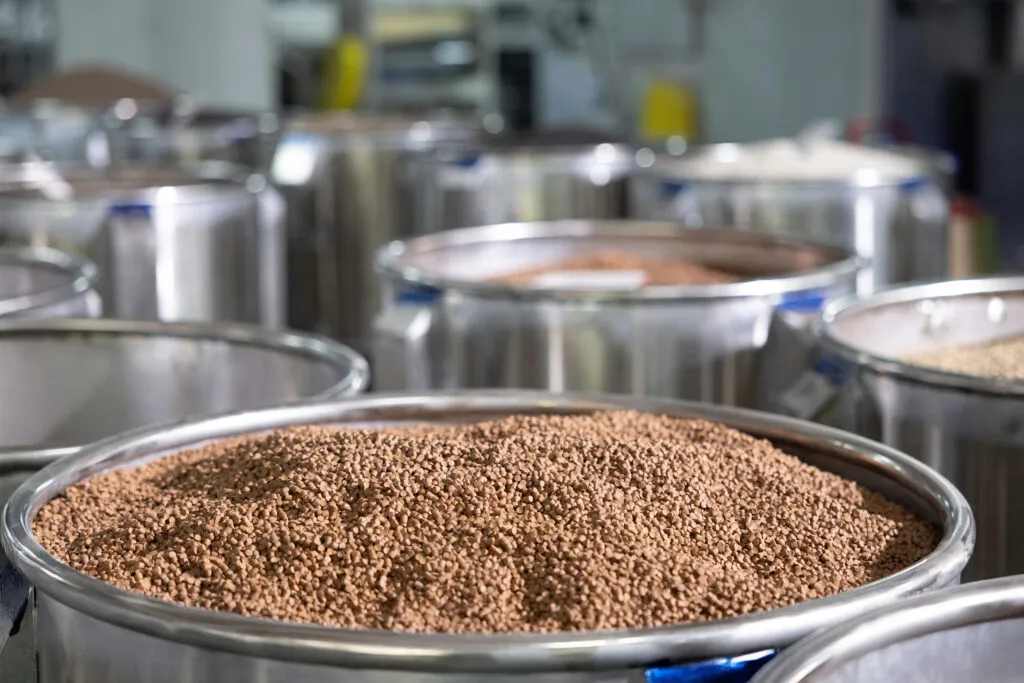
Weak Bonding Is the Main Cause
Many factories think stronger glue will solve peeling problems. That is not always true. The real issue is usually unstable bonding conditions.
Glue needs:
- Correct melting temperature
- Proper pressure
- Enough curing time
- Clean board surfaces
If one part becomes unstable, peeling may happen later during transportation or customer use.
Dirty Panels Reduce Adhesion
Dust and oil contamination are common problems in furniture factories. Small particles reduce contact between glue and board surfaces.
I have seen factories improve bonding strength simply by improving cleaning procedures before edge banding application.
Wrong Temperature Settings Cause Serious Problems
Temperature affects glue performance directly. If temperature becomes too low:
- Glue does not fully activate
- Bonding becomes weak
- Corners peel easily
If temperature becomes too high:
- Glue burns
- Surface becomes unstable
- Glue lines become visible
| Temperature Condition | Possible Result |
|---|---|
| Too low | Weak adhesion |
| Too high | Glue burning |
| Unstable temperature | Inconsistent bonding |
| Correct temperature | Strong bonding |
Low-Quality Edge Banding Increases Risk
Cheap edge banding often has unstable backing surfaces. Glue cannot bond evenly. Some suppliers also use recycled materials that reduce flexibility and bonding stability.
This becomes more obvious during transportation. Furniture may look fine in the factory but fail after shipping.
Effective Solutions
Factories can reduce peeling problems by:
- Using stable edge banding materials
- Keeping machine temperatures stable
- Cleaning panel surfaces properly
- Testing glue compatibility regularly
- Reducing excessive production speed
Most peeling problems are preventable when production standards remain stable.
How to Prevent Edge Banding Cracking and Whitening?
Cracking and whitening often appear during winter or after furniture transportation. These problems make furniture look old and low quality very quickly.
Edge banding cracking and whitening usually happen because of low flexibility, excessive calcium powder, poor raw materials, or incorrect trimming pressure. High-quality edge banding with better flexibility can reduce these problems significantly.
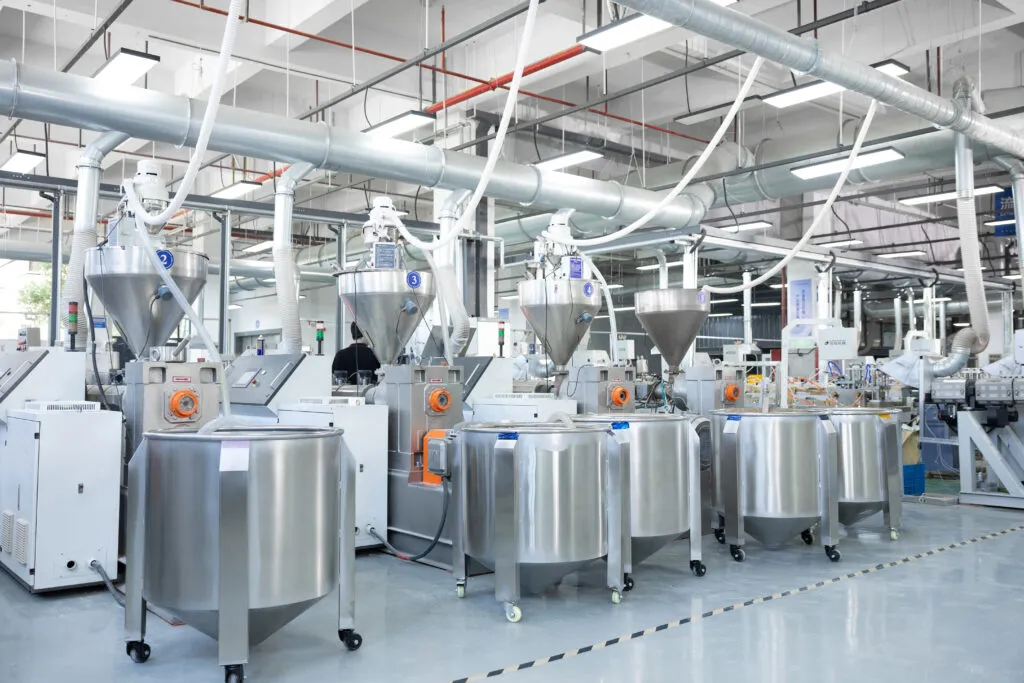
Why Cracking Happens
PVC edge banding needs flexibility. If the material becomes too hard, cracks appear easily during bending or trimming.
Low-cost suppliers sometimes add excessive calcium carbonate filler to reduce costs. This lowers flexibility and increases brittleness.
Common cracking areas include:
- Corners
- Curved panels
- Cold storage environments
- Transportation during winter
Whitening Is Often Misunderstood
Many people think whitening only comes from scratching. Actually, whitening often appears because the material structure becomes damaged during trimming or bending.
Excessive pressure during processing can create stress marks on the surface.
Temperature Resistance Is Important
Cold environments make weak edge banding more brittle. This is why some products fail only during export shipping.
I remember one customer who shipped furniture to Canada. The cabinets looked perfect before shipping. After arrival, several corners cracked badly because the material could not handle low temperatures.
Material Composition Matters
Good edge banding usually has:
- Better PVC resin quality
- Lower recycled material ratio
- Better flexibility
- More stable color layers
| Material Quality | Performance Result |
|---|---|
| High recycled content | More cracking |
| Excess calcium powder | Brittleness |
| Stable PVC formula | Better flexibility |
| Better surface layer | Less whitening |
Prevention Methods
Factories can reduce cracking and whitening by:
- Choosing flexible edge banding
- Reducing trimming pressure
- Improving low-temperature resistance
- Testing materials during winter
- Avoiding excessive recycled content
Stable quality becomes especially important for export furniture markets.
Common Edge Banding Glue Line Problems and How to Fix Them?
Visible glue lines can make expensive furniture look cheap. Many customers judge furniture quality immediately by checking edge finishing details.
Glue line problems usually come from incorrect glue amount, unstable temperature, poor edge banding quality, or machine adjustment issues. Better glue control and stable material quality can greatly improve edge appearance.
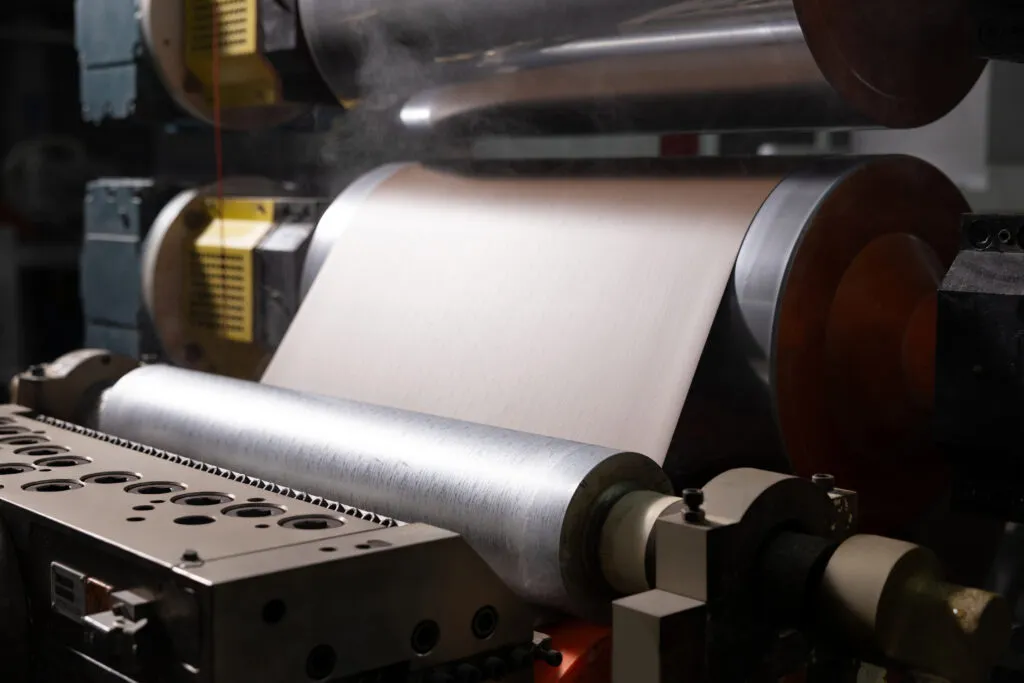
Why Glue Lines Become Visible
Glue lines appear when bonding is uneven or excessive glue remains visible after application.
Several factors can create this issue:
- Glue temperature instability
- Excess glue application
- Poor trimming accuracy
- Color mismatch between glue and edge banding
High-gloss furniture makes glue lines even more visible.
Glue Quality Also Affects Appearance
Some low-cost glue products become yellow after heating. Others create unstable viscosity during long production runs.
Factories should test glue performance under continuous production conditions.
Machine Calibration Is Often Overlooked
Many factories focus only on materials. Machine calibration is equally important.
Incorrect pressure roller settings can create:
- Uneven glue spreading
- Air gaps
- Surface marks
- Weak edge bonding
Color Matching Is Important
Transparent or light-colored edge banding usually shows glue lines more clearly.
Factories should choose:
- Matching glue color
- Stable trimming systems
- Better polishing quality
| Glue Line Cause | Solution |
|---|---|
| Excess glue | Reduce glue amount |
| Wrong temperature | Stabilize heating |
| Poor trimming | Adjust trimming tools |
| Color mismatch | Use matching glue |
Better Production Control Reduces Complaints
Furniture buyers often inspect edge details closely. Even small glue lines can affect brand image.
Factories that improve glue line quality usually experience:
- Fewer complaints
- Better product appearance
- Higher customer trust
- Stronger brand reputation
Small production improvements can create major quality differences.
How to Choose High-Quality Edge Banding to Reduce Customer Complaints?
Cheap edge banding may lower purchasing costs today. Later, it often creates expensive after-sales problems and customer complaints.
High-quality edge banding should provide stable color, strong flexibility, reliable bonding, low-temperature resistance, and consistent production quality. Reliable suppliers help furniture factories reduce complaints and improve long-term customer satisfaction.
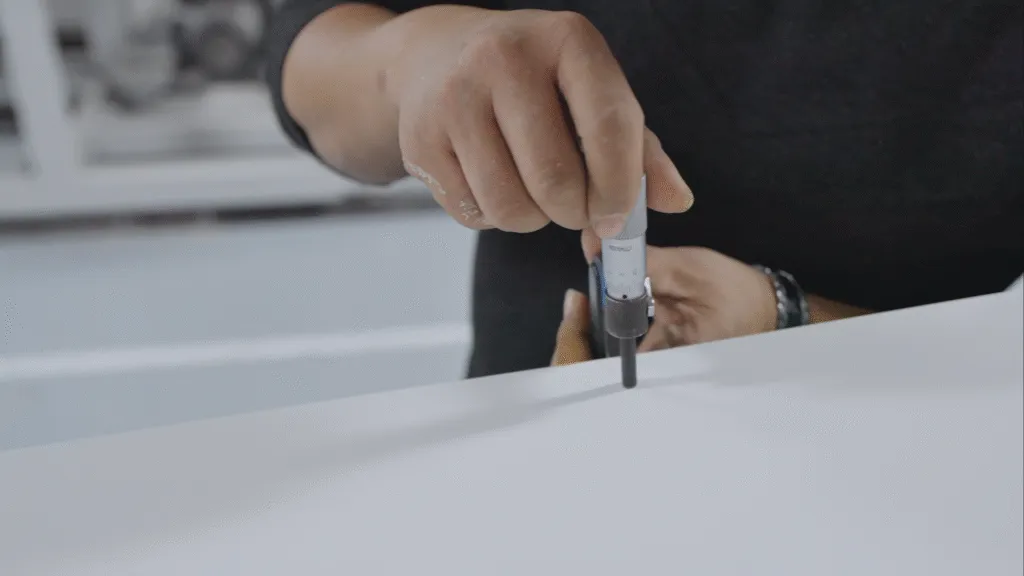
Stable Quality Is More Important Than Low Price
Many buyers compare suppliers only by price. I understand this because market competition is intense. Still, unstable quality often creates larger hidden costs.
Common complaint costs include:
- Product replacement
- Shipping losses
- Customer compensation
- Brand damage
- Production delays
Good edge banding helps reduce these risks.
Important Factors When Choosing a Supplier
Factories should evaluate suppliers carefully.
Key areas include:
| Evaluation Area | Why It Matters |
|---|---|
| Color consistency | Better furniture appearance |
| Flexibility | Less cracking |
| Glue compatibility | Strong bonding |
| Delivery stability | Reliable production |
| Sample matching speed | Faster customer service |
Testing Is Necessary
I always suggest testing edge banding under real production conditions.
Factories should test:
- Hot weather performance
- Cold weather resistance
- Bending strength
- Glue compatibility
- Surface durability
Real testing gives more accurate results than catalog descriptions.
Long-Term Cooperation Creates Better Stability
Reliable suppliers usually provide:
- Stable formulations
- Better technical support
- Faster problem solving
- Consistent production standards
This becomes very important for distributors who serve furniture factories regularly.
Customer Experience Depends on Small Details
Most end users never think about edge banding directly. Still, they quickly notice defects like peeling, cracking, or visible glue lines.
Good edge banding improves:
- Furniture durability
- Product appearance
- Customer trust
- Brand reputation
Small details often decide whether customers reorder again.
Conclusion
Stable edge banding quality reduces production risks, improves furniture appearance, and helps factories avoid costly customer complaints and long-term brand damage.
Sources
- European Panel Federation
https://europanels.org/ - HOMAG Group Edge Banding Technology
https://www.homag.com/ - REHAU Edge Banding Solutions
https://www.rehau.com/ - Furniture Production Magazine
https://www.furnitureproduction.net/ - Woodworking Network
https://www.woodworkingnetwork.com/ - Biesse Edge Banding Technology Guide
https://www.biesse.com/