

Many furniture factories face serious customer complaints every winter. Small cracks on edge banding can quickly damage the appearance and value of finished furniture.
Edge banding cracks more easily in winter because low temperatures reduce material flexibility. Poor raw materials, excessive calcium powder, unstable PVC formulas, and incorrect storage conditions also increase cracking risks.
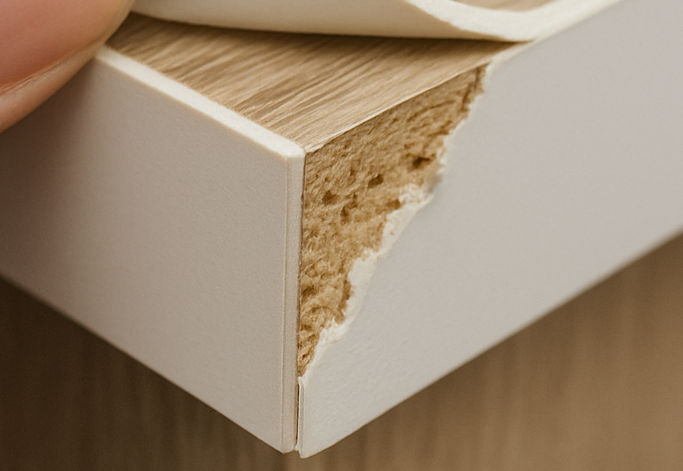
Winter cracking is one of the most common problems in the furniture industry. I have seen factories lose long-term customers because of small edge banding failures during cold weather shipping. Many buyers think the problem only comes from low temperature. In reality, the root causes are much more complex. Material quality, production standards, transportation conditions, and supplier stability all affect winter performance. Understanding these factors can help distributors and furniture manufacturers reduce complaints and protect their reputation.
Why Does Edge Banding Crack More Easily in Winter?
Many factories believe winter cracking is unavoidable. In reality, most cracking problems start with poor material flexibility and unstable production quality.
Edge banding cracks more easily in winter because cold temperatures reduce PVC flexibility. Weak materials become brittle faster, especially when exposed to transportation pressure, trimming stress, or sudden temperature changes.
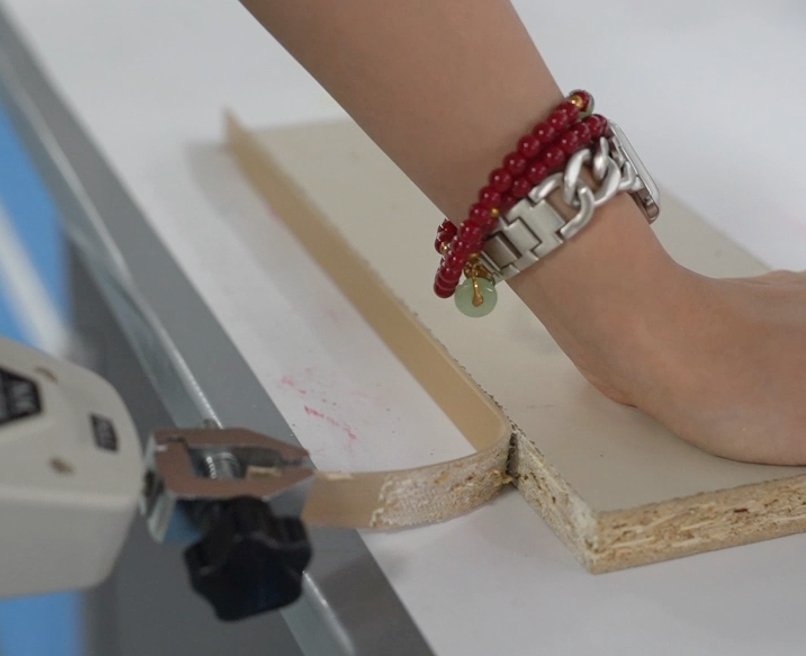
Low Temperature Changes Material Performance
PVC edge banding reacts strongly to temperature changes. When the temperature drops, the material becomes harder and less flexible. Weak edge banding cannot handle bending pressure during furniture production or transportation.
This problem becomes more serious in:
- Russia
- Canada
- Northern Europe
- Mountain regions
I once worked with a distributor who exported cabinets to Eastern Europe. The furniture looked perfect inside the factory. After shipping, several corners cracked badly during unloading. The problem came from poor low-temperature resistance.
Brittleness Increases During Winter
Low-quality PVC formulas often contain:
- Excess calcium powder
- Recycled plastic
- Low-grade additives
These materials reduce production cost. At the same time, they increase brittleness in cold environments.
Stress Concentration Causes Cracks
Edge banding corners face strong pressure during:
- Trimming
- Bending
- Transportation
- Installation
Cold temperatures make these stress points weaker. Small invisible damage can later become visible cracks.
| Winter Factor | Impact on Edge Banding |
|---|---|
| Low temperature | Reduced flexibility |
| Dry air | Increased brittleness |
| Transportation vibration | Corner damage |
| Fast temperature change | Material stress |
Winter Transportation Creates Additional Risks
Long-distance shipping creates repeated temperature changes. Furniture may move from warm factories to freezing containers within hours.
Cheap edge banding cannot handle this stress well. Better materials maintain flexibility under low temperatures.
Factories Often Ignore Winter Testing
Many factories only test edge banding at room temperature. This creates misleading results. Real winter conditions are much harsher.
I always suggest cold-weather testing before large export orders. This helps factories identify risks early and reduce customer complaints later.
How Low-Quality Raw Materials Increase Winter Cracking Risks?
Cheap raw materials may reduce purchasing costs for a short time. Later, they often create serious quality problems during winter production and shipping.
Low-quality raw materials increase winter cracking risks because they reduce flexibility and structural stability. Excess recycled content and calcium powder make edge banding brittle under cold conditions.

Excess Calcium Powder Is a Common Problem
Many low-cost suppliers add excessive calcium carbonate filler to lower production costs. This improves short-term pricing competitiveness. Still, it weakens the material structure.
High calcium content usually causes:
- Poor flexibility
- Easier cracking
- Weak impact resistance
- Surface whitening
The problem becomes more obvious during winter.
Recycled Materials Reduce Stability
Recycled PVC can help reduce material waste. Still, excessive recycled content often creates unstable quality.
Poor recycled materials may contain:
- Impurities
- Inconsistent formulas
- Degraded polymers
These issues make edge banding less reliable in cold weather.
Additives Affect Cold Resistance
Good PVC edge banding needs proper stabilizers and plasticizers. These additives help maintain flexibility under low temperatures.
Cheap materials often reduce additive quality to lower costs.
| Raw Material Quality | Winter Performance |
|---|---|
| High recycled content | More brittle |
| Excess calcium powder | Easier cracking |
| Better plasticizers | Higher flexibility |
| Stable PVC resin | Better durability |
Surface Layers Also Matter
Some suppliers focus only on the inner material structure. The surface decorative layer is equally important.
Weak surface layers may:
- Crack during trimming
- Turn white under stress
- Lose gloss in cold weather
Cheap Pricing Often Creates Higher Long-Term Costs
I understand why many factories compare suppliers mainly by price. Market competition is intense. Still, low-cost edge banding often creates hidden losses later.
These losses include:
- Product replacement
- Shipping damage
- Customer compensation
- Brand reputation damage
Stable material quality becomes much more valuable during winter export seasons.
What Production and Storage Mistakes Cause Edge Banding to Crack?
Good materials can still fail when factories use poor storage conditions or unstable production settings during winter.
Edge banding may crack because of cold storage, incorrect machine temperature, improper transportation, or excessive trimming pressure. Production and storage conditions strongly affect winter durability.

Cold Storage Creates Material Stress
Many factories store edge banding rolls inside unheated warehouses during winter. This makes the material extremely hard before production starts.
Cold edge banding becomes less flexible during:
- Feeding
- Trimming
- Bending
Factories should allow materials to reach room temperature before production.
Machine Temperature Is Critical
Low workshop temperature affects glue and edge banding performance at the same time.
If machine temperature becomes unstable:
- Bonding strength decreases
- Edge banding becomes harder
- Corners crack more easily
Excessive Trimming Pressure Damages the Surface
Trimming units create strong mechanical pressure. During winter, brittle materials cannot absorb this pressure well.
This often causes:
- Fine corner cracks
- Surface whitening
- Edge lifting
Transportation Conditions Matter
Long-distance winter transportation creates additional pressure.
Common risks include:
- Freezing containers
- Repeated loading vibration
- Sudden temperature changes
| Production Mistake | Possible Result |
|---|---|
| Cold storage | Material hardening |
| Low machine temperature | Weak flexibility |
| Excess trimming pressure | Corner cracking |
| Poor transportation protection | Surface damage |
Factories Often Ignore Small Production Details
I have seen factories spend large amounts on new machinery while ignoring simple storage problems.
Sometimes small improvements create major quality improvements:
- Heated storage areas
- Stable workshop temperatures
- Slower winter production speed
- Better packaging protection
Winter production needs more control than summer production.
How to Improve Edge Banding Flexibility and Cold Resistance?
Winter cracking can be greatly reduced when factories use better materials and more stable production standards.
Factories can improve edge banding flexibility and cold resistance by using better PVC formulas, reducing recycled material ratios, improving additives, and controlling production conditions carefully.
Better PVC Formulas Improve Flexibility
High-quality PVC formulas maintain flexibility under lower temperatures. Good suppliers usually control:
- Resin quality
- Plasticizer ratios
- Stabilizer performance
- Filler content
This helps edge banding remain flexible during winter transportation and installation.
Lower Calcium Content Improves Durability
Reducing calcium powder improves:
- Bending strength
- Impact resistance
- Cold flexibility
The production cost becomes slightly higher. Still, long-term performance improves significantly.
Production Control Is Also Important
Even good materials need stable production.
Factories should monitor:
- Extrusion temperature
- Cooling speed
- Thickness consistency
- Surface treatment quality
Small inconsistencies can affect winter performance later.
Low-Temperature Testing Helps Prevent Complaints
I strongly recommend winter simulation testing before export orders.
Good testing methods include:
- Cold storage testing
- Bending tests under low temperature
- Transportation vibration testing
- Surface impact testing
| Improvement Method | Benefit |
|---|---|
| Better PVC resin | Higher flexibility |
| Improved additives | Better cold resistance |
| Lower filler ratio | Less brittleness |
| Winter testing | Reduced complaints |
Reliable Suppliers Usually Offer Better Stability
Stable suppliers often invest more in:
- Formula development
- Quality control
- Cold-weather testing
- Production consistency
This becomes very important for distributors serving cold-region furniture markets.
How to Choose Winter-Resistant Edge Banding for Export Furniture?
Export furniture faces much harsher winter conditions than local furniture production. Weak edge banding often fails during transportation before products even reach customers.
Winter-resistant edge banding should provide strong flexibility, stable bonding, low-temperature durability, and consistent material quality. Reliable suppliers help reduce export risks and customer complaints.

Export Markets Require Higher Standards
Furniture exported to cold regions faces:
- Freezing transportation
- Long shipping periods
- Warehouse temperature changes
- Installation pressure
Cheap edge banding may perform well locally but fail during export shipping.
Cold Resistance Testing Is Necessary
Factories should ask suppliers for:
- Low-temperature testing reports
- Material flexibility data
- Bending performance results
- Impact resistance information
Testing becomes especially important for:
- Russia
- Canada
- Northern Europe
- Central Asia
Supplier Stability Matters
Reliable suppliers usually provide:
- Stable raw materials
- Consistent thickness
- Better color stability
- Technical support
This helps distributors reduce long-term complaint risks.
Long-Term Cooperation Improves Quality Stability
I always believe stable cooperation creates better quality control.
Experienced suppliers understand:
- Winter transportation risks
- Different regional climates
- Furniture factory requirements
- Export quality standards
| Supplier Evaluation Area | Why It Matters |
|---|---|
| Cold resistance testing | Better winter performance |
| Material consistency | Stable production |
| Technical support | Faster problem solving |
| Export experience | Reduced shipping risks |
Customer Complaints Often Start from Small Details
Most end users never ask about edge banding directly. Still, they notice peeling or cracking immediately.
Good winter-resistant edge banding helps:
- Protect furniture appearance
- Improve durability
- Reduce after-sales costs
- Build customer trust
Winter quality problems can damage a furniture brand very quickly.
Conclusion
Winter edge banding cracking usually comes from weak materials, unstable production, and poor cold resistance. Better quality control and reliable suppliers help reduce long-term customer complaints.
Sources
- European Panel Federation
https://europanels.org/ - REHAU Edge Banding Solutions
https://www.rehau.com/ - HOMAG Edge Processing Technology
https://www.homag.com/ - Furniture Production Magazine
https://www.furnitureproduction.net/ - Woodworking Network
https://www.woodworkingnetwork.com/ - Biesse Edge Banding Technology
https://www.biesse.com/