Customer complaints can damage trust, delay projects, and increase costs. Many edge banding issues start small but quickly become expensive problems.
The most common edge banding complaints include peeling, poor adhesion, color mismatch, cracking, scratches, and thickness inconsistencies. Most of these issues can be prevented through proper material selection, production control, supplier management, and quality inspection.

I have worked with furniture manufacturers, distributors, and importers from different countries. I often notice that the same complaints appear repeatedly. The good news is that most edge banding problems are preventable when the root causes are understood.
What Are the Most Common Edge Banding Complaints from Customers?
Many customers only notice edge banding when something goes wrong. One defect can quickly affect the appearance and perceived quality of an entire furniture piece.
The most common customer complaints include edge banding peeling off, weak adhesion, color mismatches, cracking, scratches, and inconsistent thickness. These issues directly affect product appearance, durability, and customer satisfaction.
Edge Banding Peeling Off
Peeling remains one of the most frequent complaints.
Customers often report that the edge banding separates from the board after transportation, installation, or daily use.
This issue immediately creates concerns about product quality.
Poor Adhesion
Some edge banding stays attached but does not bond strongly enough.
Weak adhesion can lead to:
- Lifting edges
- Corner separation
- Reduced durability
- Moisture penetration
Color Matching Problems
Color consistency has become more important than ever.
Even small color differences between decorative panels and edge banding can generate customer complaints.
I have seen projects rejected because the color mismatch was visible under showroom lighting.
Cracking and Brittleness
Low temperatures, poor materials, or improper processing can cause edge banding to crack.
This problem often appears during transportation or installation.
Surface Defects
Customers also complain about:
- Scratches
- Dents
- Gloss inconsistencies
- Printing defects
These issues reduce the perceived value of furniture products.
| Complaint Type | Customer Impact |
|---|---|
| Peeling | Product rejection |
| Poor adhesion | Durability concerns |
| Color mismatch | Appearance issues |
| Cracking | Structural concerns |
| Scratches | Reduced visual quality |
| Thickness variation | Processing difficulties |
Why Complaints Matter
Every complaint represents more than a product issue.
A complaint can lead to:
- Returns
- Replacements
- Delayed projects
- Lost customers
- Damage to brand reputation
This is why understanding common complaints is the first step toward preventing them.
What Causes Edge Banding Quality Problems in Furniture Production?
Many manufacturers focus on the finished product. Yet most quality problems begin much earlier in the process.
Edge banding quality issues often result from poor materials, incorrect machine settings, environmental conditions, and inconsistent production control.
Low-Quality Raw Materials
Material quality affects every stage of production.
Inferior PVC, ABS, pigments, or additives may cause:
- Brittleness
- Poor flexibility
- Color instability
- Weak performance
The cheapest material often creates the most expensive problems.
Incorrect Adhesive Selection
Different boards require different adhesives.
Using the wrong glue may lead to:
- Weak bonding
- Glue line visibility
- Delamination
The adhesive must match both the board material and the edge banding material.
Improper Machine Settings
Edge banding machines require precise settings.
Common mistakes include:
- Incorrect temperature
- Excessive pressure
- Insufficient pressure
- Improper feed speed
Small machine adjustments can significantly affect quality.
Storage and Transportation Issues
Environmental conditions matter.
Poor storage can expose materials to:
- Excessive heat
- High humidity
- Direct sunlight
- Extreme cold
These conditions may change material performance before production begins.
Lack of Process Consistency
Some factories produce excellent results one day and poor results the next.
This usually indicates inconsistent production control.
| Root Cause | Potential Result |
|---|---|
| Low-quality material | Cracking |
| Wrong adhesive | Peeling |
| Incorrect machine settings | Poor bonding |
| Poor storage | Deformation |
| Weak process control | Inconsistent quality |
Looking Beyond Symptoms
Many manufacturers only address visible defects.
I prefer investigating root causes. The same complaint may appear repeatedly until the underlying process issue is solved.
How Can Furniture Manufacturers Prevent Common Edge Banding Failures?
Many manufacturers spend resources fixing problems after production. Prevention is usually faster and less expensive.
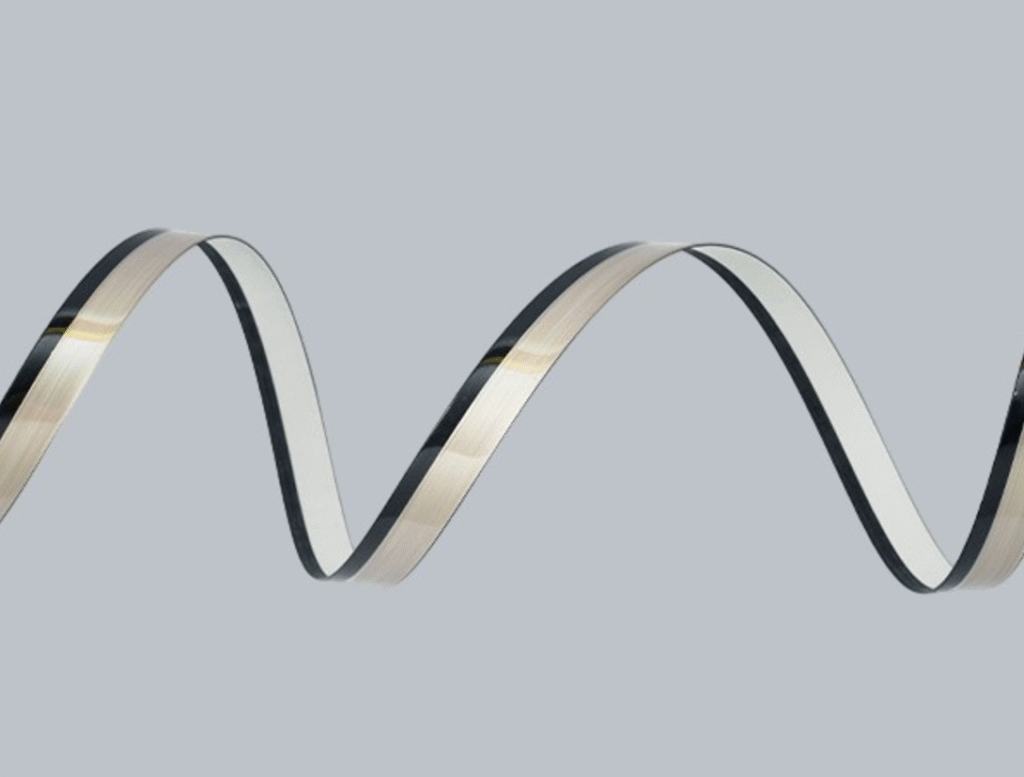
Furniture manufacturers can prevent most edge banding failures through proper material selection, machine calibration, environmental control, and operator training.
Choose Quality Materials
Reliable materials provide a strong foundation.
I always recommend evaluating:
- Flexibility
- Impact resistance
- Color consistency
- Heat resistance
Quality materials reduce risk throughout production.
Calibrate Machines Regularly
Machine settings should not be left unchanged for long periods.
Regular checks help maintain:
- Correct temperature
- Proper pressure
- Stable feeding speed
This improves production consistency.
Control Environmental Conditions
The production environment affects performance.
Factories should monitor:
- Temperature
- Humidity
- Dust levels
Stable conditions help improve bonding results.
Train Production Operators
Even advanced machines depend on skilled operators.
Training helps staff identify:
- Material issues
- Machine abnormalities
- Quality risks
Perform Trial Testing
Before mass production begins, manufacturers should test:
- New materials
- New colors
- New adhesives
| Prevention Method | Benefit |
|---|---|
| Quality materials | Better durability |
| Machine calibration | Consistent bonding |
| Environmental control | Stable processing |
| Staff training | Fewer errors |
| Trial testing | Reduced risk |
Prevention Costs Less Than Correction
I often see manufacturers invest heavily in solving complaints.
Most of those costs could have been avoided through stronger preventive measures.
How Does Choosing the Right Edge Banding Supplier Reduce Customer Complaints?
Many quality problems originate before materials arrive at the factory.
A reliable supplier plays a major role in reducing complaints and improving production consistency.
Choosing the right edge banding supplier helps manufacturers achieve stable quality, better color matching, stronger technical support, and fewer customer complaints.

Consistent Material Quality
Reliable suppliers maintain stable production standards.
Consistency reduces unexpected variations between orders.
Better Color Matching Systems
Advanced suppliers invest in:
- Color laboratories
- Spectrophotometers
- Standardized color databases
This improves matching accuracy.
Technical Support
Good suppliers do more than sell products.
They help customers solve production problems.
Technical support often includes:
- Machine recommendations
- Adhesive guidance
- Process optimization
Traceability Systems
Batch traceability helps identify issues quickly.
This reduces investigation time when problems occur.
| Supplier Capability | Customer Benefit |
|---|---|
| Stable materials | Consistent quality |
| Color control | Better appearance |
| Technical support | Faster problem solving |
| Batch traceability | Improved accountability |
| Quality testing | Lower complaint rates |
Building Long-Term Partnerships
I prefer working with suppliers who focus on long-term cooperation rather than short-term sales.
Strong supplier relationships often result in better quality outcomes.
What Quality Control Practices Help Minimize Edge Banding Complaints Long-Term?
Many companies only inspect products after production. Long-term quality improvement requires a complete quality management system.
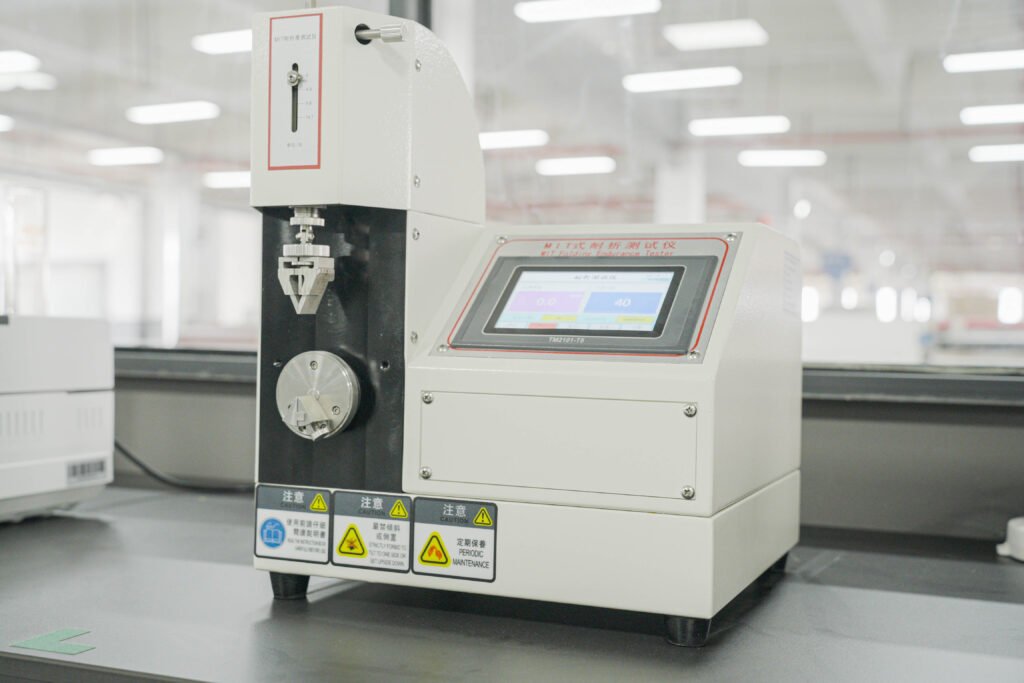
Effective quality control combines incoming inspections, process monitoring, performance testing, and customer feedback analysis.
Incoming Material Inspection
Quality control begins before production starts.
Incoming materials should be checked for:
- Color consistency
- Dimensions
- Surface quality
- Flexibility
Process Monitoring
Continuous monitoring helps detect issues early.
Key areas include:
- Glue temperature
- Machine pressure
- Production speed
Performance Testing
Regular testing verifies product performance.
Common tests include:
- Peel strength testing
- Impact resistance testing
- Heat resistance testing
- Flexibility testing
Finished Product Inspection
Final inspections help ensure consistency.
Inspectors should evaluate:
- Surface quality
- Bonding strength
- Color accuracy
- Dimensions
Customer Feedback Analysis
Customer complaints provide valuable information.
Companies that analyze complaint data often identify hidden improvement opportunities.
| Quality Control Activity | Purpose |
|---|---|
| Incoming inspection | Prevent defective materials |
| Process monitoring | Detect issues early |
| Performance testing | Verify durability |
| Final inspection | Confirm product quality |
| Feedback analysis | Drive continuous improvement |
Quality Is an Ongoing Process
I believe quality control should never stop after production.
The best manufacturers continuously improve processes based on real-world performance and customer feedback.
Conclusion
Most edge banding complaints can be prevented. Companies that focus on quality materials, process control, supplier selection, and continuous improvement achieve better customer satisfaction and long-term business success.
Data Sources
- Furniture Industry Research Association (FIRA)
https://www.fira.co.uk - European Furniture Industries Confederation (EFIC)
https://www.efic.eu - Furniture Today Industry Reports
https://www.furnituretoday.com - Konica Minolta Color Measurement Knowledge Center
https://www.konicaminolta.com/instruments/knowledge - X-Rite Color Management Resources
https://www.xrite.com - Statista Furniture Industry Statistics
https://www.statista.com - IMARC Group Furniture Materials Market Reports
https://www.imarcgroup.com - Mordor Intelligence Furniture Components Research
https://www.mordorintelligence.com