A small edge banding defect can quickly become a costly customer complaint, damaged reputation, and lost business opportunity.
Most edge banding complaints come from peeling, cracking, visible glue lines, poor color matching, or weak adhesion. I find that these issues can be prevented through better materials, proper processing, strict quality control, and reliable suppliers.

Many furniture manufacturers focus on production speed and cost. Many customers focus on appearance and durability. The gap between these two priorities often creates complaints. When I study edge banding failures, I usually find that the problem starts long before the customer notices it. Understanding the causes behind these complaints helps reduce returns, improve product quality, and build stronger customer trust.
What Are the Most Common Edge Banding Complaints from Customers?
Customers may forgive small furniture defects, but they rarely ignore visible edge banding problems.
The most common edge banding complaints include peeling edges, cracking, chipping, visible glue lines, color mismatch, and poor surface finish. These issues affect both furniture appearance and long-term durability.
Why Edge Banding Gets More Attention Than Other Components
Most furniture customers never inspect the board core. They rarely ask about particleboard density or internal structure. They see the edge every day. This makes edge banding one of the most visible parts of the finished product.
A cabinet may have excellent construction. A wardrobe may use premium boards. Yet a small peeling edge can make the entire product look low quality.
The Most Frequent Customer Complaints
| Complaint | Visible to Customer | Impact on Product |
|---|---|---|
| Peeling Edge Banding | Yes | Poor durability |
| Cracking | Yes | Shorter service life |
| Chipping | Yes | Damaged appearance |
| Visible Glue Line | Yes | Lower perceived quality |
| Color Mismatch | Yes | Inconsistent appearance |
| Surface Marks | Yes | Reduced visual appeal |
Why These Problems Matter
I once discussed a complaint case with a furniture distributor. The furniture itself remained structurally sound. The customer complaint focused entirely on a visible glue line along the cabinet door. The issue did not affect function. Still, the customer considered the product defective.
This situation happens often because customers buy furniture with their eyes first. Appearance directly influences perceived value.
The Hidden Cost of Complaints
Customer complaints create costs beyond product replacement.
These costs may include:
- Return shipping
- Warranty claims
- Production rework
- Brand reputation damage
- Lost repeat orders
For this reason, edge banding quality should never be treated as a minor detail. It plays a direct role in customer satisfaction and long-term business success.
What Causes Edge Banding to Peel, Crack, or Show Visible Glue Lines?
Most edge banding failures are not random. They usually come from predictable causes.
Edge banding peels, cracks, or develops visible glue lines because of poor materials, incorrect machine settings, unsuitable adhesives, environmental conditions, or weak quality control.

Material Quality Creates the Foundation
I often see manufacturers focus on machinery while overlooking material quality.
Low-quality edge banding materials may contain excessive recycled content. Some materials have poor flexibility. Others struggle with heat resistance. These weaknesses often lead to cracking and peeling.
Adhesive Selection Affects Bond Strength
Different applications require different adhesive systems.
An adhesive that works well in dry indoor conditions may fail in humid environments.
| Adhesive Type | Main Feature |
|---|---|
| EVA | Cost-effective |
| PUR | High moisture resistance |
| PO | Good flexibility |
When the wrong adhesive is selected, bond strength decreases. Edge lifting becomes more likely.
Machine Settings Influence Performance
Modern edge banding machines require accurate settings.
Problems often occur when:
- Glue temperature is too low
- Pressure rollers are misaligned
- Feed speed is inconsistent
- Trimming tools become worn
These factors directly affect bonding quality.
Environmental Conditions Matter
Factories often underestimate environmental conditions.
Temperature fluctuations can affect both edge banding and adhesive performance.
High humidity may reduce adhesion. Low temperatures may increase brittleness. Excessive heat may soften materials.
Storage Can Create Problems Before Production
Improper storage creates hidden risks.
Edge banding stored near sunlight or heat sources may deform before processing begins.
When I investigate complaints, I rarely find only one cause. Most failures result from several factors working together. Material quality, adhesive choice, machine settings, and storage conditions often combine to create visible defects.
How Do Edge Banding Defects Affect Furniture Quality and Customer Satisfaction?
A small edge defect can influence how customers judge the entire product.
Edge banding defects reduce furniture durability, weaken product appearance, increase maintenance issues, and lower customer confidence in the brand.
Appearance Is the First Thing Customers Notice
Customers immediately notice visible defects.
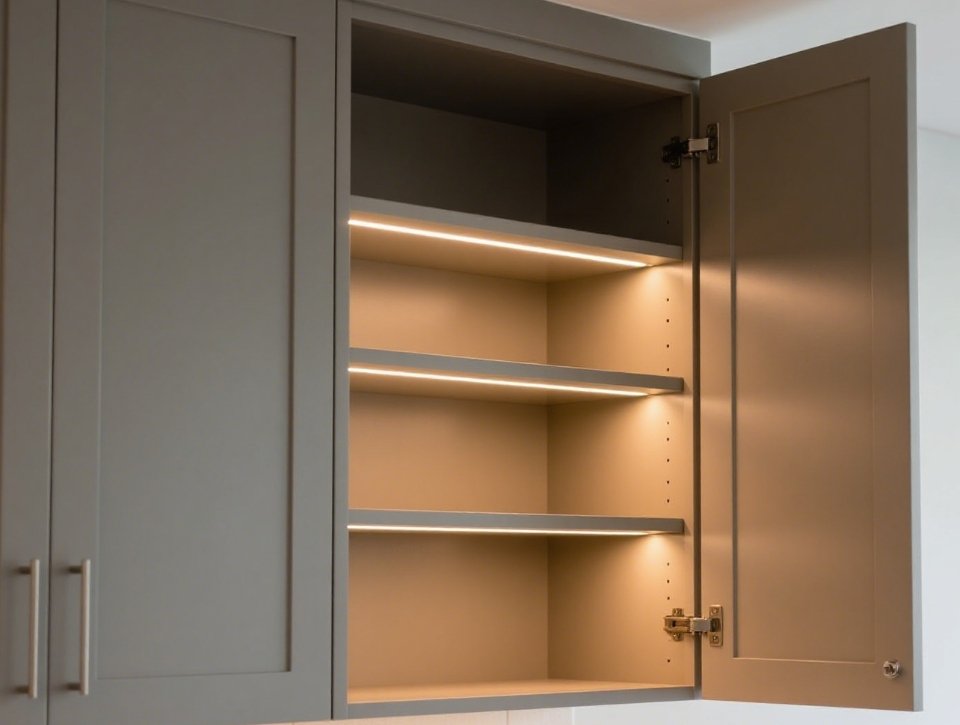
A mismatched color or visible glue line can make premium furniture look inexpensive.
Many purchasing decisions happen within seconds. Visual quality strongly influences customer perception.
Durability Problems Follow Appearance Issues
Some defects are not only cosmetic.
Peeling edge banding exposes the substrate beneath. Moisture can enter the board. This may lead to swelling, deformation, or further damage.
| Defect | Potential Consequence |
|---|---|
| Peeling | Moisture penetration |
| Cracking | Reduced protection |
| Chipping | Surface damage |
| Weak Adhesion | Edge separation |
Brand Reputation Is Affected
Furniture manufacturers invest heavily in marketing and sales.
A customer complaint can quickly damage trust.
Online reviews, social media posts, and distributor feedback can spread negative experiences much faster than positive ones.
Complaints Increase Business Costs
Every complaint creates additional expenses.
These expenses may include:
- Product replacement
- Labor costs
- Transportation costs
- Customer support resources
Many of these costs are avoidable.
Customer Retention Becomes More Difficult
I believe retaining customers is easier than finding new ones.
When edge banding defects appear repeatedly, customers may switch suppliers even if the overall product remains competitive.
This makes quality consistency just as important as product innovation.
What Are the Best Ways to Prevent Edge Banding Problems During Production?
The best solution is preventing defects before they reach the customer.
Manufacturers can reduce edge banding complaints through better material selection, proper machine setup, controlled environments, regular testing, and consistent quality management.

Choose Quality Materials
The production process cannot fully compensate for poor materials.
I always recommend evaluating:
- Flexibility
- Impact resistance
- Color consistency
- Surface quality
- Heat resistance
Quality materials reduce risk from the beginning.
Optimize Machine Settings
Machines should receive regular calibration and maintenance.
Important parameters include:
| Parameter | Impact |
|---|---|
| Glue Temperature | Bond strength |
| Feed Speed | Application quality |
| Roller Pressure | Adhesion performance |
| Trimming Accuracy | Edge appearance |
Small adjustments often create major improvements.
Monitor Environmental Conditions
Factories should monitor:
- Temperature
- Humidity
- Dust levels
Stable conditions support consistent production results.
Implement Multi-Stage Inspection
Inspection should occur throughout production.
I prefer a process that includes:
- Incoming material inspection
- In-process inspection
- Final product inspection
- Packaging inspection
This approach identifies problems before shipment.
Perform Routine Testing
Testing provides objective quality data.
Useful tests include:
| Test | Purpose |
|---|---|
| Peel Test | Bond strength |
| Impact Test | Crack resistance |
| Heat Test | Stability |
| Color Check | Appearance consistency |
Factories that test regularly often experience fewer customer complaints.
How Can You Choose High-Quality Edge Banding to Reduce Customer Complaints?
The quality of the edge banding itself often determines long-term product performance.
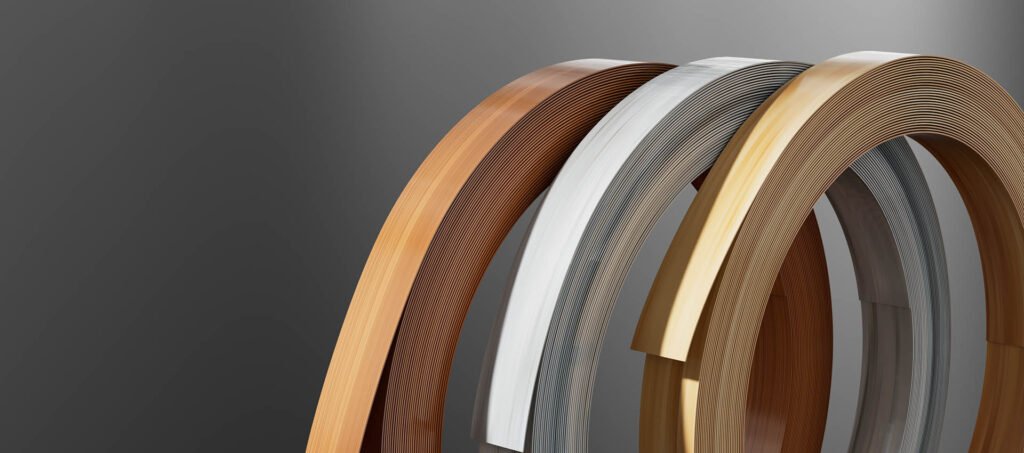
High-quality edge banding should offer consistent dimensions, reliable color matching, strong flexibility, stable adhesion, and dependable manufacturing quality.
Evaluate Physical Performance
I begin by testing the product itself.
Important properties include:
- Thickness consistency
- Width accuracy
- Flexibility
- Impact resistance
- Surface quality
Check Color Matching Capability
Furniture brands increasingly demand perfect visual consistency.
Suppliers should provide reliable color matching systems and batch consistency.
Review Manufacturing Standards
Reliable suppliers invest in quality systems.
| Evaluation Area | What to Review |
|---|---|
| Quality Control | Inspection procedures |
| Production Capacity | Supply stability |
| Technical Support | Problem-solving ability |
| Certifications | Compliance standards |
Request Samples Before Large Orders
A sample tells more than a specification sheet.
I prefer testing samples under actual production conditions.
This allows me to evaluate processing performance and finished appearance.
Consider Long-Term Reliability
The cheapest option is not always the most economical option.
A supplier that consistently delivers stable quality can reduce:
- Complaint rates
- Rework costs
- Production interruptions
- Customer dissatisfaction
I find that strong supplier partnerships often produce better results than constantly switching to lower-cost alternatives.
Conclusion
Most edge banding complaints are preventable. Better materials, better processes, and better suppliers help create stronger products, happier customers, and fewer costly quality issues.
Data Sources
- ISO 9001 Quality Management Systems
https://www.iso.org/iso-9001-quality-management.html - European Chemicals Agency (REACH Regulation)
https://echa.europa.eu/regulations/reach - European Commission RoHS Directive
https://environment.ec.europa.eu/topics/waste-and-recycling/rohs-directive_en - Furniture Industry Research Association (FIRA)
https://www.fira.co.uk - HOMAG Edge Banding Technology Resources
https://www.homag.com - Biesse Edge Banding Technical Documentation
https://www.biesse.com - VDMA Woodworking Machinery Association
https://www.vdma.org - European Panel Federation (EPF)
https://europanels.org