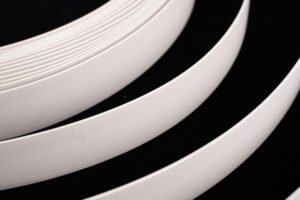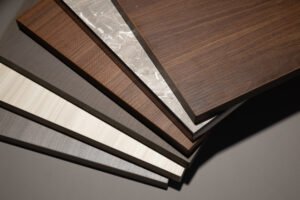
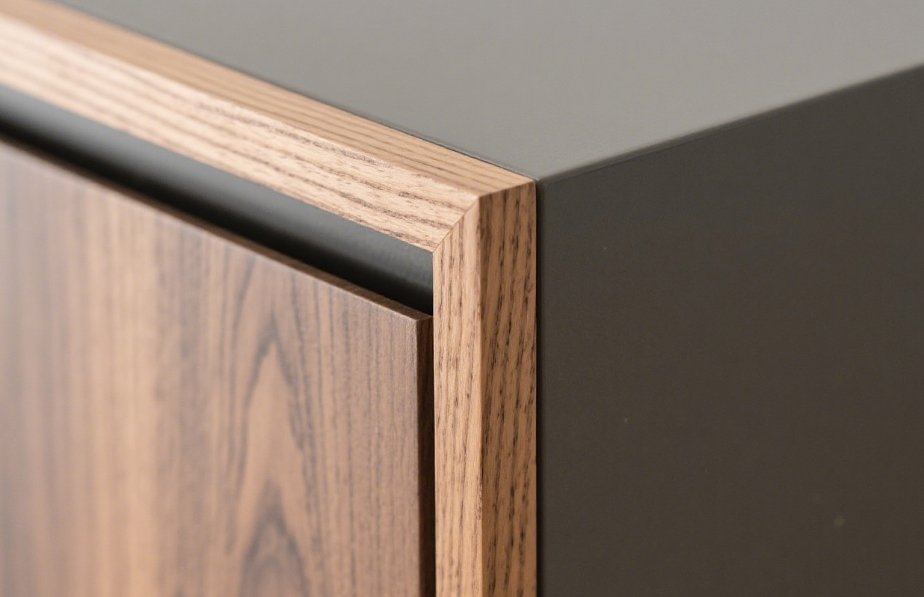
Edge banding is not just a small accessory. It becomes a hidden failure when quality drops and customers complain. I see distributors losing trust because of wrong product choices.
Most distributors struggle because they stock too many low-demand items and miss key high-turnover products. The result is slow inventory and lost profit opportunities.
Edge banding selection directly affects customer satisfaction, repeat orders, and profit stability. A better product mix reduces complaints and improves turnover speed.

I will break down the key product categories, selection logic, and the exact top products I believe every distributor should stock in 2026. I also share my own field experience from working with overseas buyers.
Why Edge Banding Product Selection Matters for Distributors in a Competitive Market?
When I first worked with furniture material buyers, I saw one clear problem. Many distributors stock based on habit, not demand. This creates wasted inventory and weak cash flow.
If product selection is wrong, even good distributors lose customers. Buyers today compare suppliers very fast. They care about stability, color match, and delivery speed.
Edge banding is a high-frequency consumable. It is used in kitchens, wardrobes, offices, and custom furniture. One wrong product can affect an entire furniture batch. That is why selection matters more than most people think.
Key risk factors in poor product selection
| Risk Factor | Impact on Distributor |
|---|---|
| Wrong color range | Customer rejection and returns |
| Low durability | Complaints after installation |
| Poor surface finish | Loss of premium buyers |
| Weak adhesive quality | Production failure at factory level |
In my experience, distributors who ignore these risks often lose long-term contracts. Buyers do not always complain directly. They just switch suppliers.
I also notice a pattern. Successful distributors usually focus on stable SKUs instead of wide random catalogs. They choose products based on repeat demand, not emotional preference.
Another point is market difference. European buyers prefer matte and minimalist tones. Middle East buyers often request high gloss and marble textures. If a distributor ignores these differences, inventory becomes slow-moving.
I also suggest tracking real usage data from factories. This gives a clearer picture than guessing trends. Many distributors skip this step and rely on outdated catalogs.

Key Criteria for Choosing the Best Edge Banding Products for Your Inventory?
When I build inventory plans, I never start from products. I start from performance rules. These rules help me filter what should enter the stock list.
Good edge banding products must pass three basic tests: stability, compatibility, and demand frequency.
My selection framework
| Criteria | What I check | Why it matters |
|---|---|---|
| Material quality | PVC, ABS, Acrylic stability | Affects durability |
| Color consistency | Batch to batch matching | Reduces complaints |
| Adhesion strength | Hot melt performance | Prevents peeling |
| Surface finish | Gloss, matte, wood grain | Affects premium positioning |
| Market demand | Repeat order frequency | Controls inventory turnover |
I also pay attention to processing compatibility. Some edge bands work well on high-speed machines. Some do not. This difference directly affects factory efficiency.
Another key factor is thickness range. Most distributors ignore this. But thickness decides application range. For example, 0.4mm is often used for light furniture. 2mm is used for heavy-duty panels. If you miss this range, you lose many orders.
I also track complaint history. If a product generates repeated issues like cracking or color fading, I remove it from stock even if sales are high.
My personal rule is simple. I prefer fewer stable products over many unstable ones. This reduces risk and improves trust with buyers.
In real business situations, I also talk with furniture factories directly. They often tell me what fails in production. This feedback is more valuable than any catalog.
Top 10 Edge Banding Products Every Distributor Should Stock in 2026?
This is the core part of my strategy. I choose products based on global demand patterns, not only local trends.
These 10 product types represent the most stable and high-turnover categories in my experience.
Top 10 essential edge banding products
| Rank | Product Type | Main Use Case |
|---|---|---|
| 1 | PVC Edge Banding (Solid Colors) | General furniture |
| 2 | Wood Grain PVC Edge Banding | Cabinets and wardrobes |
| 3 | High Gloss Acrylic Edge Banding | Luxury furniture |
| 4 | ABS Edge Banding | Eco-friendly markets |
| 5 | Melamine Edge Banding | Office furniture |
| 6 | 3D Embossed Edge Banding | Decorative panels |
| 7 | Laser Edge Banding (Zero-Joint) | High-end seamless furniture |
| 8 | Marble Texture Edge Banding | Kitchen and bathroom design |
| 9 | Matte Finish Edge Banding | Minimalist interior design |
| 10 | Soft Touch Edge Banding | Premium tactile furniture |
I have tested most of these categories with different clients. I see clear demand differences across regions.
For example, laser edge banding grows fast in Europe. Many factories want invisible joints. This improves product value.
PVC solid colors still dominate global volume. The reason is simple. It is cheap, stable, and easy to process.
ABS is growing because of environmental regulations. Some buyers now avoid PVC due to policy changes.
Wood grain remains the most stable category. It matches traditional furniture styles and has low risk.
I also notice a new trend. Soft touch surfaces are growing in premium furniture markets. Buyers want tactile experience, not just visuals.
If I were a distributor starting today, I would focus on the top five first. Then expand into decorative and high-end categories.
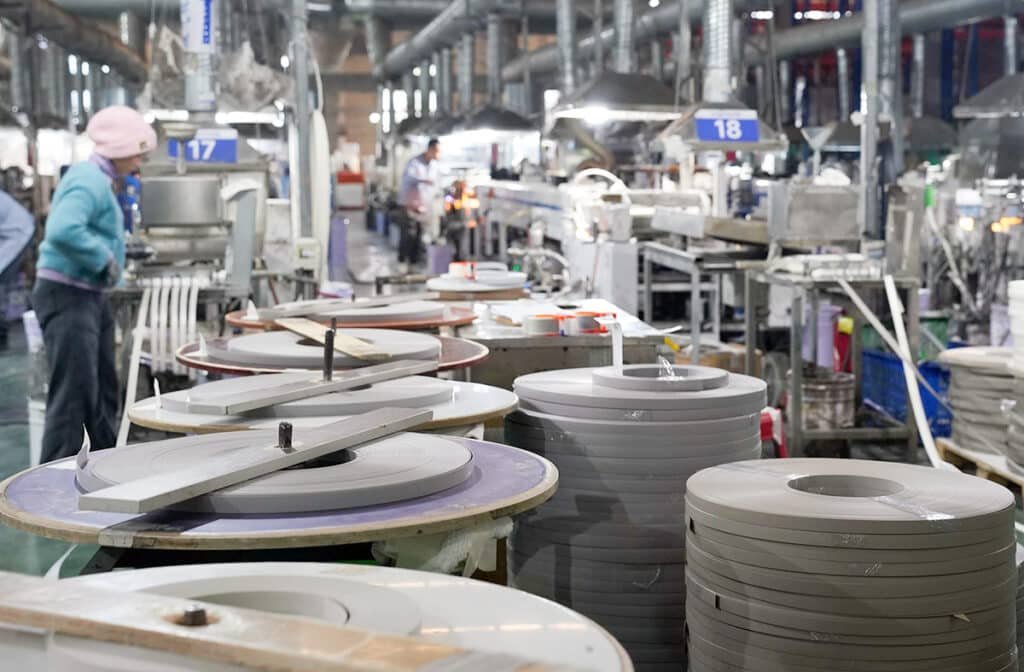
How to Optimize Your Edge Banding Inventory for Higher Profit and Faster Turnover?
Inventory optimization is where many distributors lose money. I see a common mistake. They stock too many SKUs and ignore turnover speed.
My approach is based on rotation speed and demand stability.
Simple optimization structure
| Category | Stock Level | Reason |
|---|---|---|
| High demand SKUs | High stock | Fast turnover |
| Medium demand SKUs | Medium stock | Stable sales |
| Low demand SKUs | Low stock | Reduce risk |
I also use a 80/20 rule. About 20% of products generate 80% of revenue. I focus on protecting that 20%.
Another key point is lead time control. If suppliers are slow, inventory must be higher. If suppliers are fast, I reduce stock pressure.
I also adjust stock based on season. Furniture demand is not stable all year. Some months have strong orders, especially before holidays.
Digital tracking also helps. I recommend using simple sales logs to track monthly movement. Many distributors still rely on memory. This creates blind spots.
I also communicate with factories regularly. They often tell me upcoming production plans. This helps me prepare inventory before demand increases.
Profit is not only about selling more. It is about reducing dead stock. Dead stock locks cash and reduces flexibility.
Conclusion
Smart product selection and inventory control decide distributor success in edge banding markets.
Data Sources
- Grand View Research – Edge Banding Materials Market Report
https://www.grandviewresearch.com - MarketsandMarkets – Furniture Edge Banding Market Analysis
https://www.marketsandmarkets.com - Statista – Furniture Components Industry Data
https://www.statista.com - European Furniture Industries Confederation (EFIC) Reports
https://www.efic.eu