
Many buyers choose cheap PVC edge banding and later face defects that damage furniture quality. I often see this issue in real projects.
Most problems come from inconsistent quality, poor suppliers, and unstable production control. These issues directly affect furniture performance and cost.
I want to explain these problems step by step. I also want to show how they happen and how I think buyers can avoid them.
What Are the Most Common Quality Issues in PVC Edge Banding?
Many buyers think PVC edge banding is a simple product. But in reality, quality differences are very large between suppliers. I have seen many cases where the material looks fine at first, but fails after production.
The most common issues include uneven thickness, poor surface finish, and weak flexibility. Some rolls also show scratches or bubbles. These defects are not always visible during purchase. They often appear during cutting, hot pressing, or trimming.
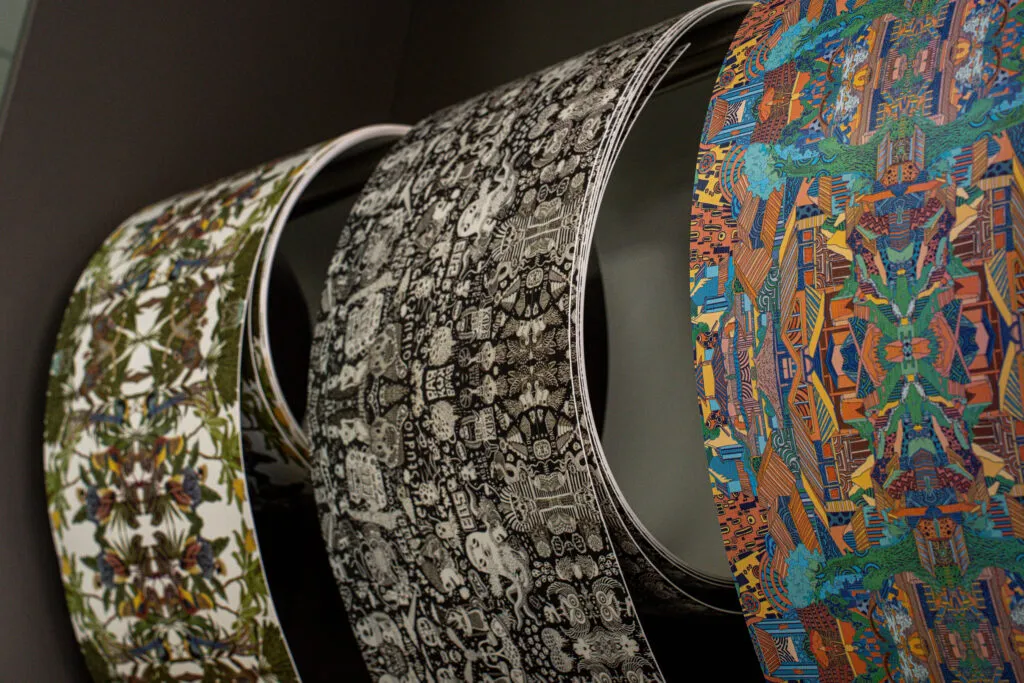
I always explain to buyers that quality issues usually come from unstable raw materials and poor extrusion control. If the PVC compound is not stable, the final product will also be unstable.
Common quality problems summary
| Problem Type | Description | Impact on Furniture |
|---|---|---|
| Uneven thickness | Variation across roll | Poor sealing and gaps |
| Surface defects | Scratches, bubbles | Low visual quality |
| Weak flexibility | Easy cracking | Break during bending |
| Color instability | Batch differences | Mismatch with panels |
From my experience, many buyers only check price. They ignore production control systems. This is the main reason quality problems repeat.
How Do Inconsistent Colors and Surface Finishes Affect Furniture Projects?
Color inconsistency is one of the biggest complaints I hear from furniture factories. Even a small color difference can destroy the final appearance of a cabinet.
When PVC edge banding does not match the board, the furniture looks unprofessional. Customers often reject the whole batch. This leads to waste and extra cost.

In my opinion, color control is not just about printing. It depends on raw material mixing, masterbatch quality, and production temperature. If any step is unstable, the color will shift.
Surface finish is also important. Some suppliers use low-quality embossing rollers. This creates uneven texture. In real furniture, this makes the product look inconsistent under light.
Key factors causing color issues
| Factor | Explanation | Result |
|---|---|---|
| Poor masterbatch | Low pigment stability | Fading or shifting |
| Wrong temperature | Production fluctuation | Color variation |
| No sample control | No standard reference | Random batch output |
I always tell buyers that they should confirm color samples before mass production. Without this step, risk is very high.
Why Do Adhesion Problems and Edge Peeling Frequently Occur?
Edge peeling is a serious issue in furniture production. I have seen many factories stop production because of this problem.
Adhesion failure usually happens when glue layer quality is unstable. Some PVC edge banding has uneven hot-melt glue coating. Some have low glue content. These lead to weak bonding during edge banding machines.
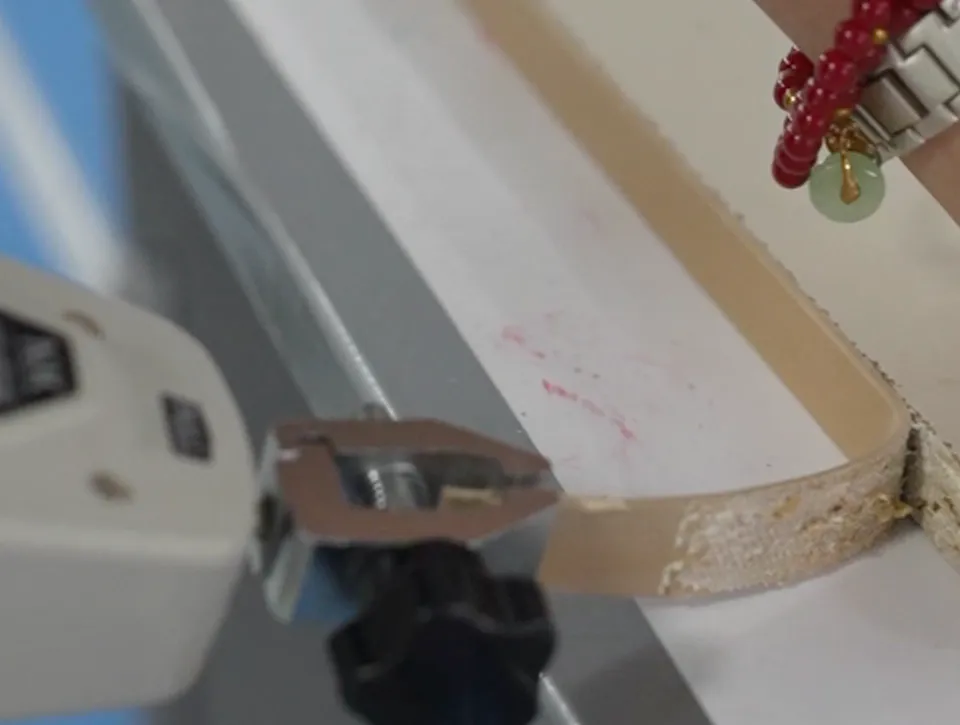
Another reason is surface contamination. If the back side of PVC is not clean, glue cannot stick properly. Humidity and storage conditions also affect performance.
I think many buyers underestimate this issue. They think it is only a machine problem. But in reality, material quality plays a big role.
Main reasons for adhesion failure
| Cause | Description | Impact |
|---|---|---|
| Low glue coating | Insufficient adhesive layer | Weak bonding |
| Dirty backside | Dust or oil residue | Peeling risk |
| Wrong temperature | Poor melting process | Uneven sticking |
In my experience, stable suppliers always test adhesion strength before shipment. This is something buyers should always ask.
How Do Unstable Suppliers Impact Delivery Time and Production Efficiency?
I often see buyers suffer more from supplier instability than product quality. Even good products can become a problem if delivery is not stable.
Some suppliers accept orders but cannot control production schedule. This leads to delayed shipments. For furniture factories, even a one-week delay can stop an entire production line.

Another issue is inconsistent batch output. One order may be perfect, but the next order may not match. This creates problems in large projects where consistency is required.
From my perspective, supplier management is as important as product quality. Many buyers only compare prices. They ignore long-term supply ability.
Supplier risks comparison
| Risk Type | Description | Result |
|---|---|---|
| Delayed production | Poor planning | Shipment delay |
| Batch inconsistency | No standard system | Color mismatch |
| Poor communication | Slow response | Project confusion |
I always recommend buyers to check factory capacity, not just product samples.
What Are the Best Ways to Avoid Risks When Buying PVC Edge Banding from China?
In my experience, most problems can be avoided if buyers follow a clear process. I do not think risk comes from China itself. It comes from wrong supplier selection.
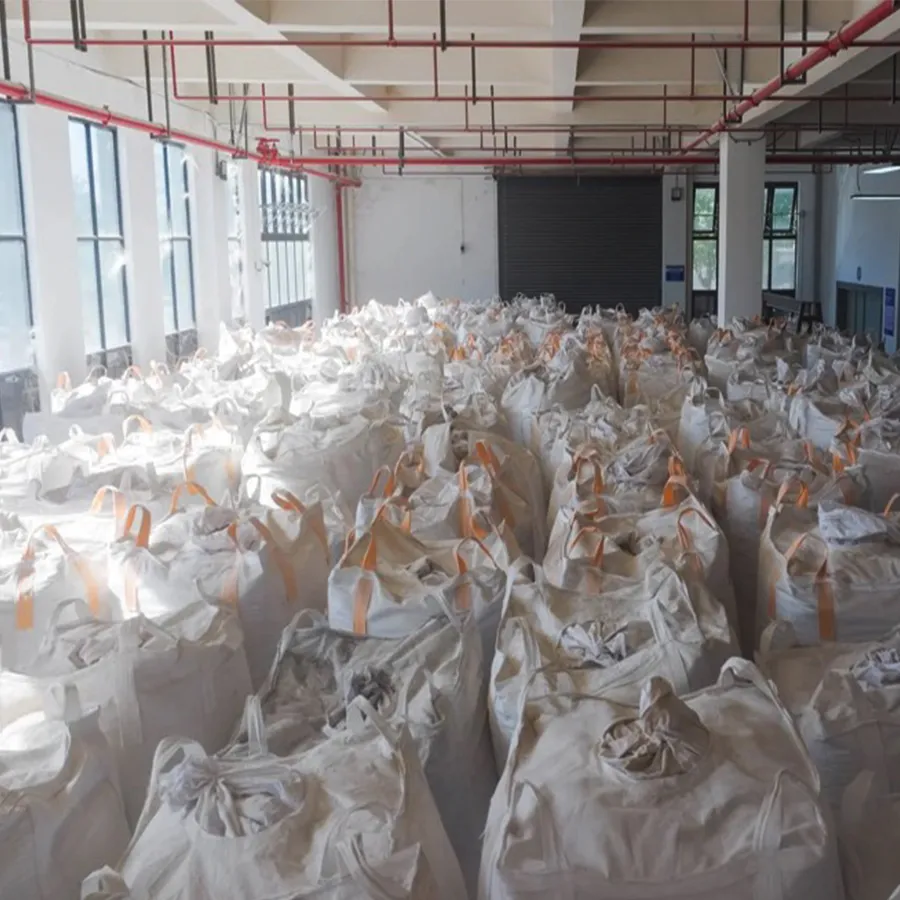
First, buyers should always verify if the supplier is a real manufacturer. Many “trading companies” hide behind factory images. This creates quality uncertainty.
Second, buyers should request real production samples. Not only color samples, but also mass production samples. These two are different in stability.
Third, buyers should check quality control systems. A stable factory always has inspection steps before shipment.
My practical risk control checklist
| Step | What to Check | Why It Matters |
|---|---|---|
| Supplier type | Manufacturer vs trader | Stability |
| Sample testing | Mass production sample | Real quality |
| QC process | Inspection system | Consistency |
| Communication | Response speed | Project control |
I personally believe that long-term cooperation is more important than one-time price advantage. A stable supplier saves more cost in the long run.
Conclusion
PVC edge banding problems usually come from quality instability, not product design itself.
Data Sources
- ISO 4586 High-pressure decorative laminates standard (related surface quality reference)
https://www.iso.org/standard/68954.html - European Furniture Manufacturers Federation (EFIC) quality and supply chain reports
https://www.efic.eu - Plastics Industry Association – PVC processing and material stability references
https://www.plasticsindustry.org