

Mass production looks stable. But color mismatch still happens. It creates waste and complaints.
I often see this issue in factories. The problem is deeper than people think.
Edge banding color inconsistency happens when materials, machines, and processes do not stay aligned during large-scale production.
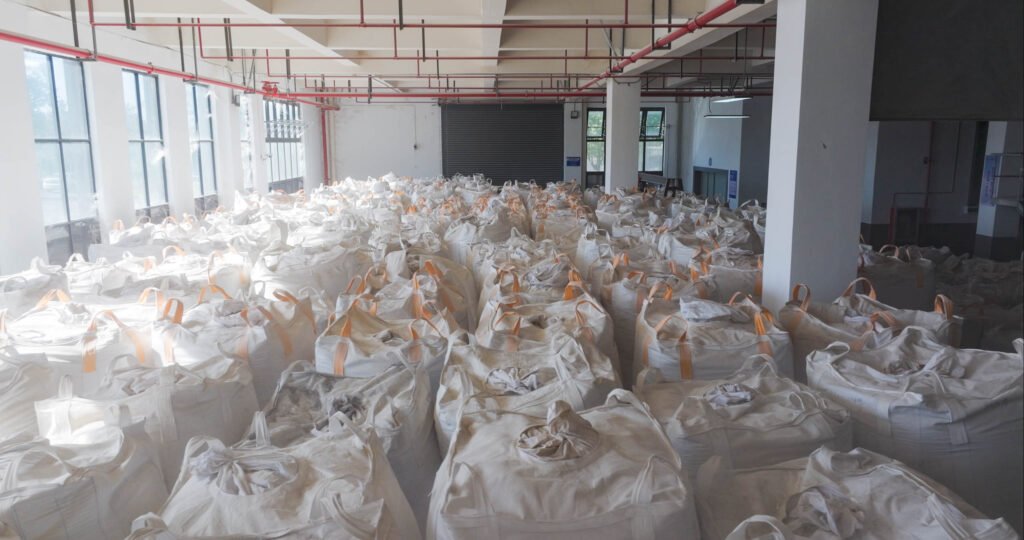
Many people think this is only a printing issue. I do not agree. It usually comes from multiple small deviations that stack together.
Understanding What Edge Banding Color Inconsistency Means in Manufacturing?
Color inconsistency is not just a slight shade difference. It means the edge banding strip does not match the expected board color under real lighting conditions.
In production, this problem shows up as visible mismatch between batches. It can also show as unstable color under different angles.
I see this problem often when customers compare samples with bulk goods.

The key issue is perception. Human eyes detect small changes faster than machines. So even small deviations become a quality complaint.
What it really means in factory terms
| Factor | Stable Production | Unstable Production |
|---|---|---|
| Color standard | Fixed reference sample | Random batch variation |
| Material input | Controlled pigment ratio | Mixed raw materials |
| Machine output | Calibrated setting | Adjusted frequently |
| Final result | Consistent tone | Visible mismatch |
From my experience, most factories underestimate this definition. They only check if color “looks close enough.” This creates long-term instability.
The real meaning of color inconsistency is failure of system control, not single-step error.
Raw Material and Pigment Variation – The Hidden Root Cause of Color Differences?
Raw material is the first place where color starts to change. If the base is unstable, final color will never be stable.
Many factories change suppliers to reduce cost. I see this often. But different PVC resins and pigment batches always behave differently.
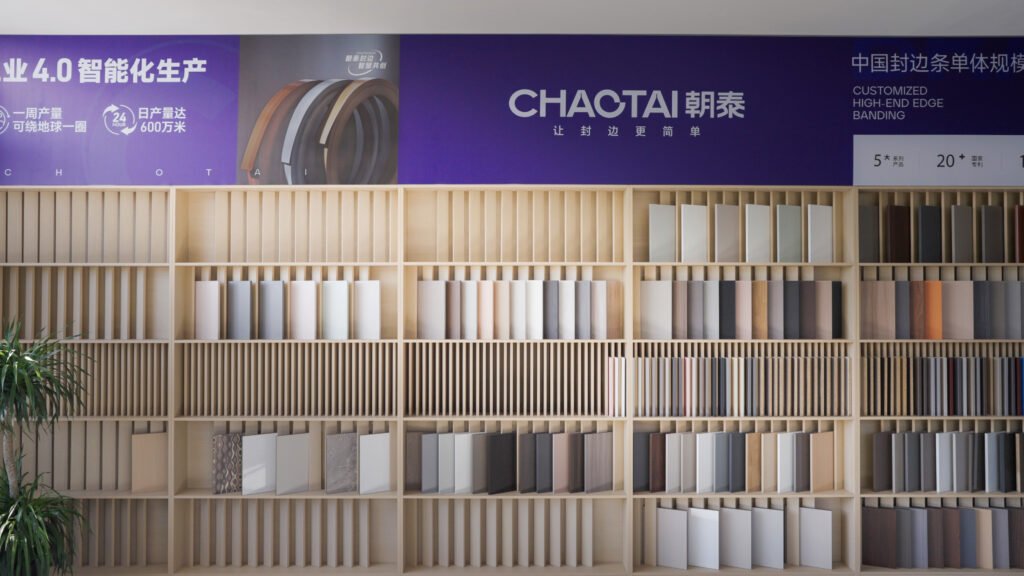
Even small pigment ratio changes can create visible differences after extrusion.
Key hidden factors in raw materials
| Source of variation | What changes | Result on color |
|---|---|---|
| PVC resin batch | Melt flow index | Lightness shift |
| Pigment quality | Particle size | Tone unevenness |
| Filler material | Calcium carbonate ratio | Dull or gray tone |
| Recycled content | Impurity level | Yellow or dark tint |
I once saw a factory switch pigment suppliers. The formula stayed the same. But the final product turned slightly darker. The reason was particle dispersion difference.
Factories often blame machines. But the root problem starts earlier.
If raw material is unstable, no process control can fully fix it.
How Production Parameters Affect Edge Banding Color Stability at Scale?
Even with stable materials, production settings can still break color consistency.
Temperature, pressure, and speed all affect pigment behavior. I learned this the hard way in real factory runs.
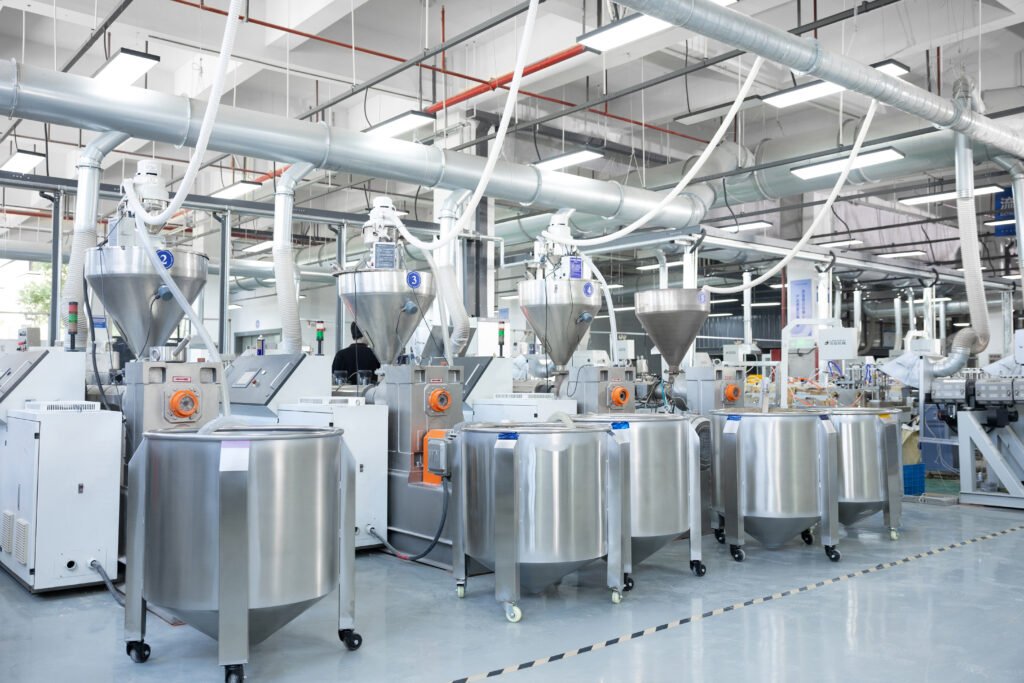
When output speed changes, cooling time changes. This affects how light reflects from the surface.
Main production variables and their effects
| Parameter | Change effect | Color impact |
|---|---|---|
| Temperature | Pigment burning or under-mixing | Dark or pale tone |
| Line speed | Cooling variation | Gloss and shade shift |
| Pressure | Material density change | Depth of color |
| Cooling system | Surface solidification speed | Uneven tone |
I also noticed a pattern. Operators often adjust machines during production to fix small issues. But each adjustment creates a new color shift.
So the real problem is not one setting. It is unstable control during long runs.
Stable production needs fixed parameters, not continuous manual correction.
Printing, Coating, and Surface Treatment Issues That Lead to Color Shifts?
After extrusion, surface treatment becomes the next critical stage. This is where final appearance is decided.
I often see factories focus only on raw material and ignore surface finishing.
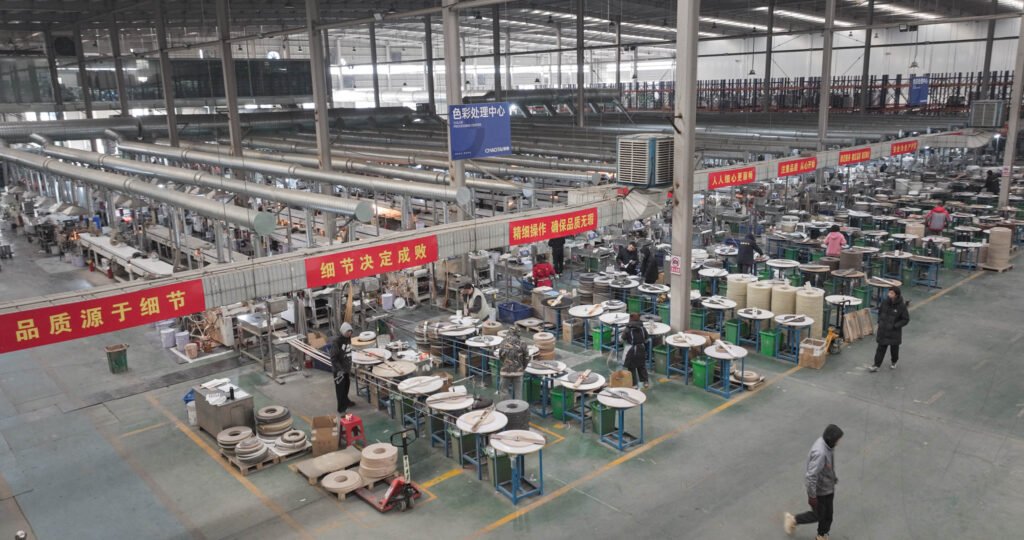
Printing ink density and coating thickness directly affect final color perception.
Key surface-related problems
| Process | Common issue | Result |
|---|---|---|
| Printing | Ink viscosity change | Color patchiness |
| UV coating | Uneven thickness | Gloss mismatch |
| Embossing | Depth variation | Light reflection shift |
| Laminating | Adhesion instability | Tone distortion |
One important point I learned is this: same color code does not mean same appearance.
Light reflection changes everything. A slightly thicker coating can make the same color look darker.
Factories often approve samples under one lighting condition. But mass production is used in different environments.
That is why mismatch appears later.
Quality Control Failures and How to Prevent Color Inconsistency in Mass Production?
Quality control is the final barrier. But in many factories, QC is too late or too simple.
They only check finished products. But by that time, defects already exist.
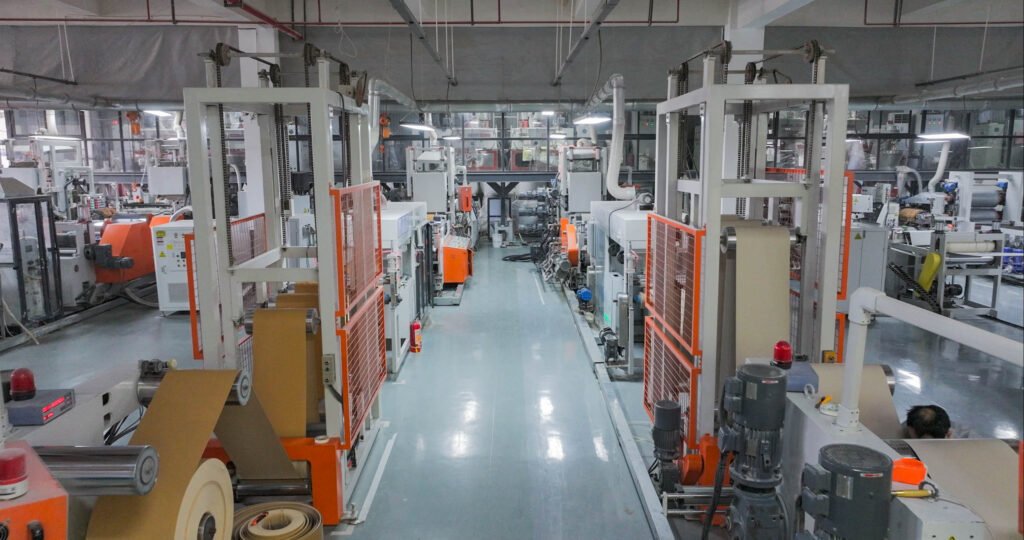
I believe real control must happen in three stages: before, during, and after production.
Better QC structure
| Stage | What to control | Goal |
|---|---|---|
| Before production | Raw material matching | Prevent variation |
| During production | Machine calibration | Maintain stability |
| After production | Batch color testing | Detect deviation |
Another problem is lack of standard lighting for inspection. Some factories use daylight, some use LED, some use mixed light. This creates inconsistent judgment.
I suggest using fixed D65 light source for all checks. This reduces human error.
Also, digital color measurement tools can help, but only if they are calibrated regularly.
In my experience, most color problems are not technical problems alone. They are system control problems.
Conclusion
Color inconsistency comes from weak system control across materials, machines, and surface processes.
Data Sources
- ASTM D2244 – Standard Practice for Calculation of Color Tolerances and Color Differences
https://www.astm.org/d2244 - ISO 3668 – Visual assessment of surface color
https://www.iso.org/standard/50817.html - Journal of Coatings Technology and Research (Pigment dispersion studies)
https://link.springer.com/journal/11998 - Plastics Technology – PVC extrusion color variation studies
https://www.ptonline.com