Cheap standard edge banding may look convenient at first. But when furniture production grows, fixed products often create color, size, and quality problems.
An OEM edge banding supplier can customize materials, colors, dimensions, packaging, and branding based on your production needs. This helps buyers build stable products and stronger market competitiveness.
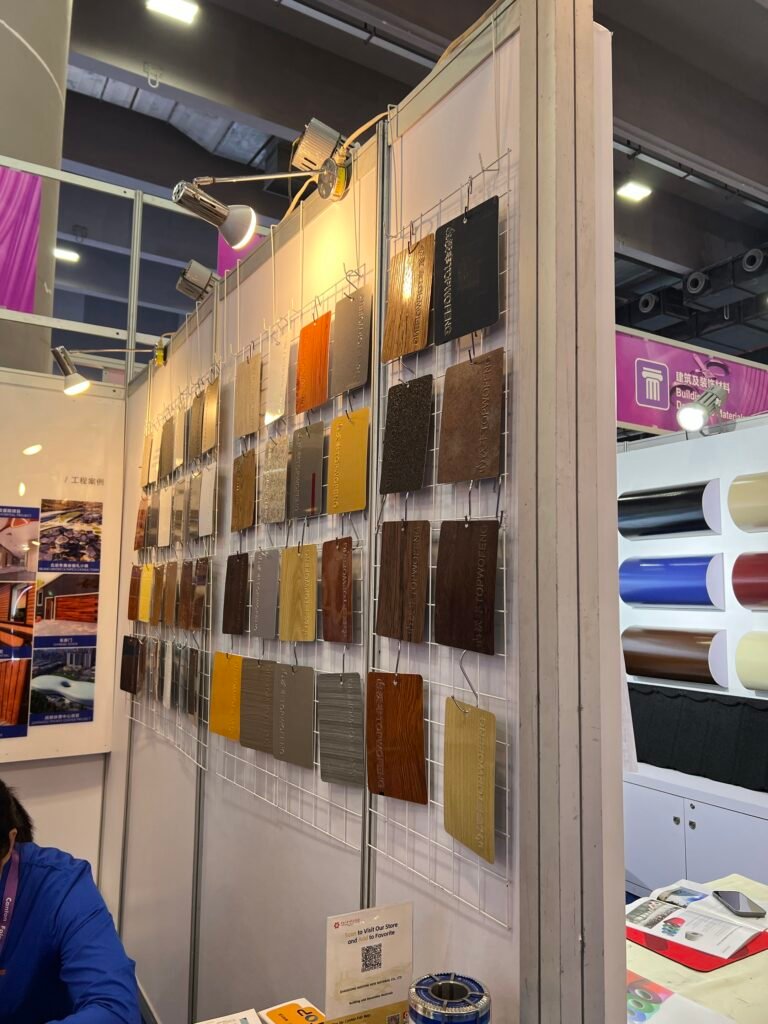
Choosing an OEM supplier is not only about getting a lower price. I believe the real value comes from whether the supplier can adjust the product based on your market, customers, and production requirements. In my experience, customization ability is one of the key factors that separates a simple manufacturer from a long-term partner.
What Types of Edge Banding Materials Can You Customize with an OEM Supplier?
Many buyers think OEM customization only means changing colors or adding logos. However, material selection is also an important part of customization.
An experienced OEM edge banding supplier can provide different materials based on furniture applications, production processes, and customer expectations.
You can usually customize PVC, ABS, acrylic, and veneer edge banding according to your requirements.
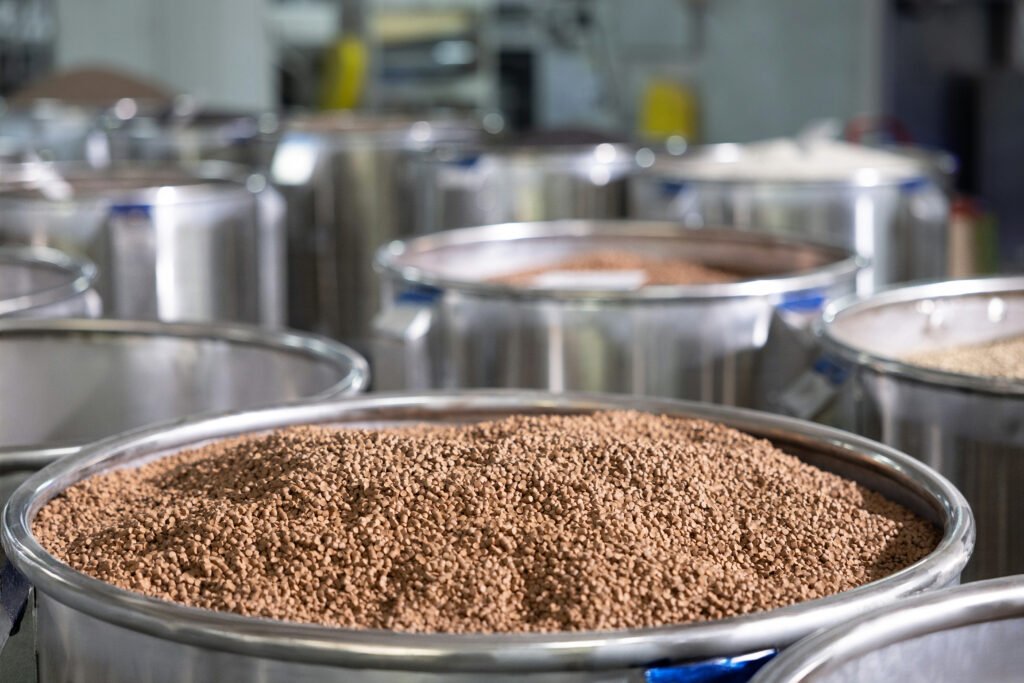
Different Materials Meet Different Application Requirements
When I communicate with customers, I often find that they focus too much on appearance. However, the material structure directly affects durability, processing performance, and final furniture quality.
For example, PVC edge banding is widely used because it has good flexibility, stable quality, and competitive cost. It works well for many furniture manufacturers and distributors.
ABS edge banding is often chosen when customers need higher impact resistance and more environmentally friendly solutions. It does not contain chlorine elements, which makes it suitable for some markets with stricter environmental requirements.
Acrylic edge banding is usually selected for high-end furniture projects. It can provide a stronger visual effect, especially for glossy surfaces and modern furniture designs.
Veneer edge banding is preferred by customers who want a natural wood appearance because it uses real wood materials.
| Material Type | Main Features | Common Applications |
|---|---|---|
| PVC Edge Banding | Cost-effective, flexible, easy processing | Office furniture, cabinets, general furniture |
| ABS Edge Banding | High impact resistance, eco-friendly option | Premium furniture, European markets |
| Acrylic Edge Banding | High gloss appearance, modern design | Luxury furniture, decorative panels |
| Veneer Edge Banding | Natural wood texture | High-end wood furniture |
I also need to consider the customer’s production environment before recommending materials. A material that works well for one factory may not be suitable for another factory.
For example, some furniture factories use automatic edge banding machines with high-speed production lines. They may require stable thickness, good dimensional tolerance, and consistent melting performance.
Some distributors may focus more on market demand. They may need multiple material options to serve different customers.
This is why I believe a good OEM supplier should not simply provide existing products. The supplier should understand the customer’s application and help choose the right material.
According to research from Grand View Research, the global furniture market continues to grow, and manufacturers are paying more attention to product differentiation and customized solutions. This trend also increases the demand for customized furniture components, including edge banding products.
How Can You Customize Edge Banding Colors, Textures, and Surface Finishes?
Many furniture brands spend a lot of time designing panels, but they underestimate the importance of edge banding appearance.
A mismatched edge band can reduce the overall quality of the furniture.
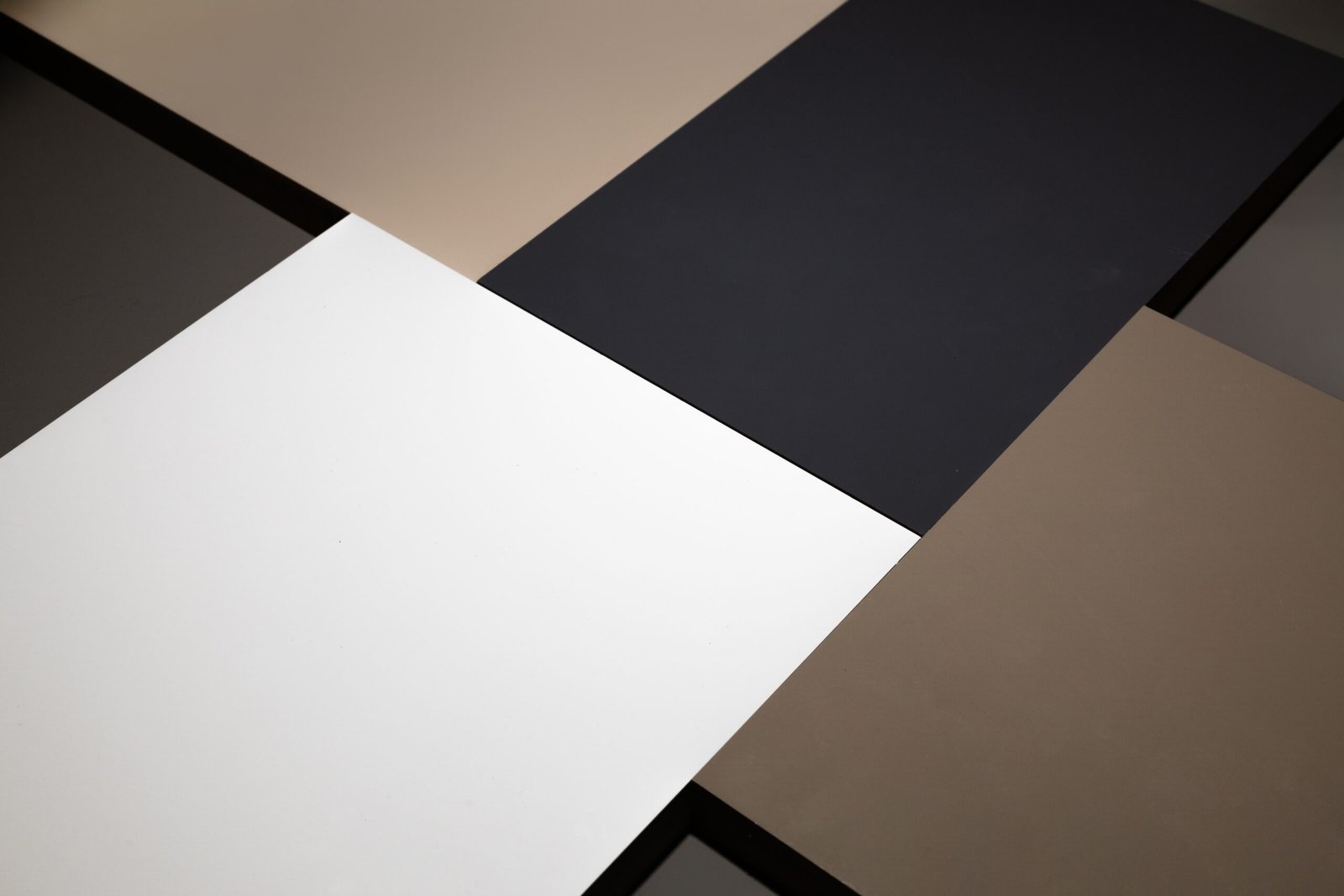
OEM suppliers can customize colors, textures, and surface finishes to help edge banding match different panel designs.
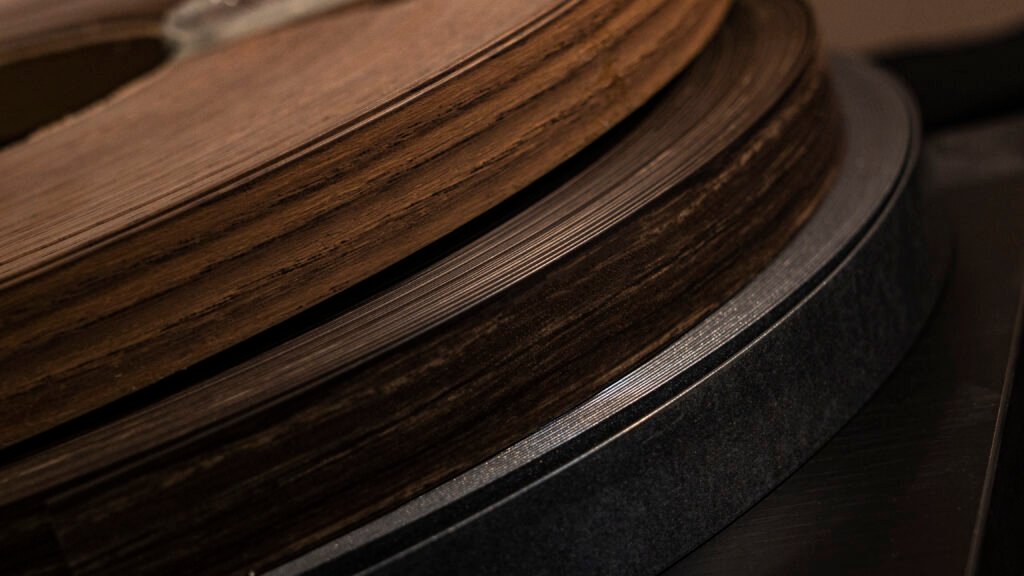
Color Matching Is More Than Choosing a Similar Color
When customers ask for custom colors, they usually provide a sample from a panel supplier or furniture manufacturer.
The challenge is not creating a color. The challenge is creating a color that remains stable during mass production.
I usually check several factors before confirming a color:
| Custom Item | What Needs Attention |
|---|---|
| Color | Difference between sample and mass production |
| Texture | Matching wood grain direction and pattern |
| Surface Finish | Matte, glossy, embossed, or soft touch effect |
| Batch Stability | Keeping the same color in future orders |
A professional OEM supplier needs a reliable color management process. Small differences in raw materials, printing, and production temperature can create visible color changes.
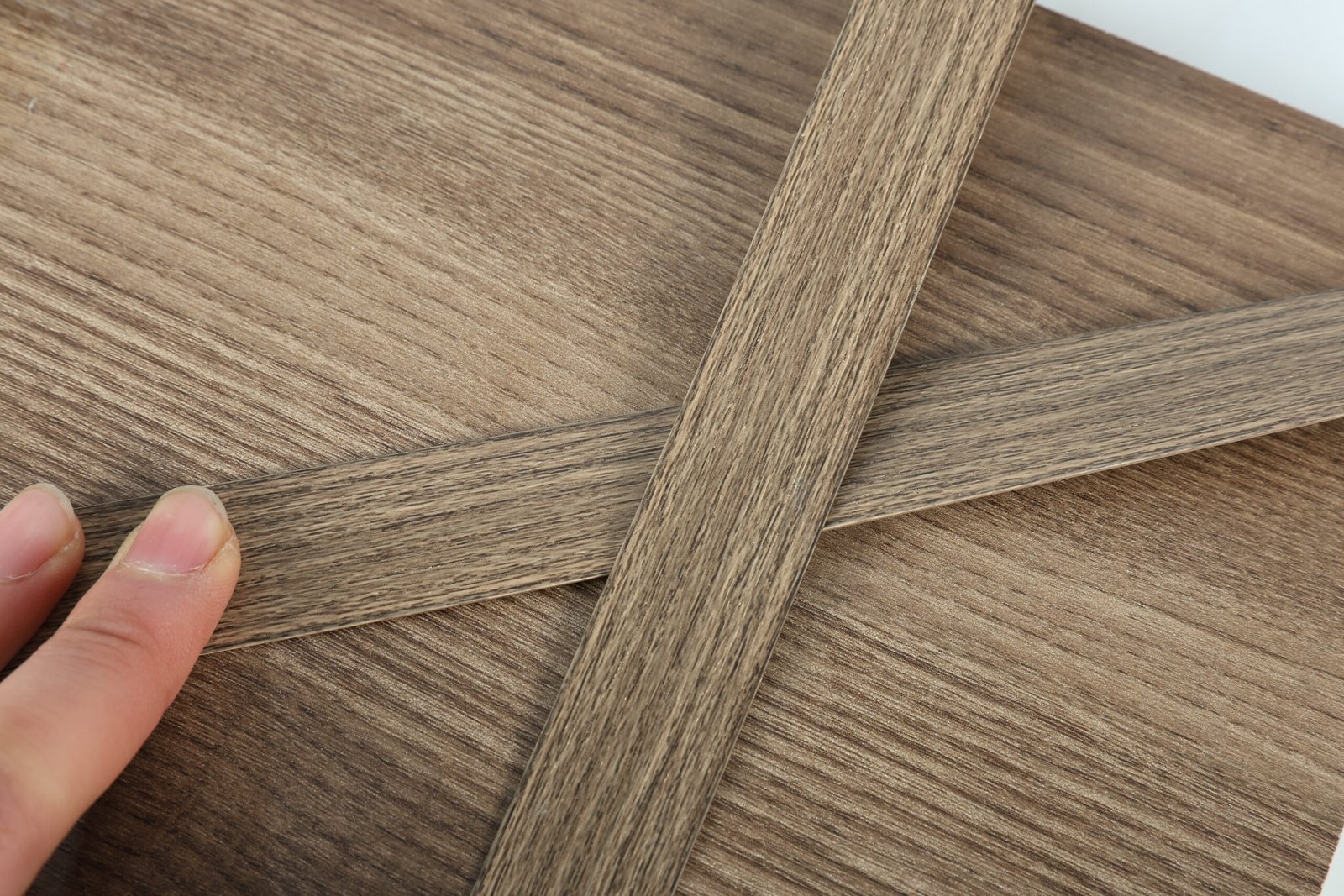
For wood grain edge banding, texture matching is even more important. Customers do not only compare colors. They also compare whether the grain direction and surface feeling match the original panel.
For example, a walnut panel with a smooth texture needs an edge band with a similar visual effect. If the edge band has a different texture, customers can notice the difference immediately.
Surface Finishes Create Different Product Experiences
Besides color and texture, surface treatment is another common customization request.
Different customers may need:
- High gloss surface
- Matte surface
- Super matte surface
- Embossed texture
- Wood grain texture
- Special decorative effects
I have found that distributors often need these options because different countries and markets have different furniture trends.
A supplier who can only provide standard colors may limit the customer’s product range.
However, a supplier with strong customization ability can help customers develop private product lines.
According to ISO quality management principles, consistent production processes are important for maintaining stable product quality. This is also why OEM buyers should evaluate not only whether a supplier can create samples, but also whether the supplier can reproduce the same quality in large orders.
What Dimensions and Technical Specifications Can Be Customized for Edge Banding?
Many buyers believe that edge banding customization is mainly about colors and designs. However, dimensions and technical specifications are also important parts of OEM production.
Different furniture factories use different machines, panels, and production standards. A standard size cannot always meet every customer’s needs.
An OEM edge banding supplier can customize thickness, width, roll length, adhesive options, and other technical details according to production requirements.
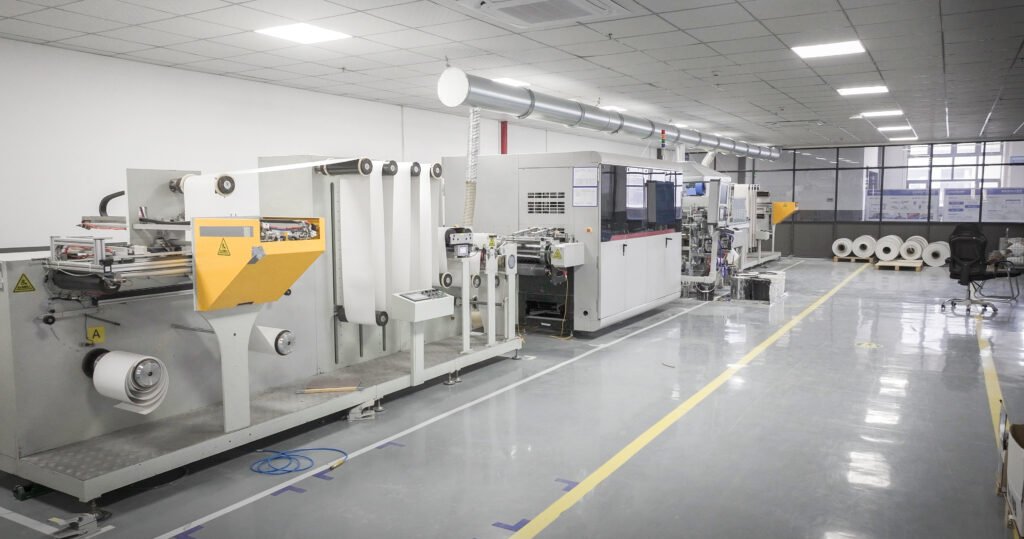
Thickness and Width Customization Affect Production Efficiency
When I work with customers, I often ask about their production process first.
I need to know what type of edge banding machine they use, what panel thickness they usually process, and what final appearance they want.
Different applications require different edge banding sizes.
For example, thin edge banding is often used for small furniture components, while thicker edge banding is commonly used for higher-end furniture products because it provides stronger protection and a more premium appearance.
| Custom Specification | Common Options | Why It Matters |
|---|---|---|
| Thickness | 0.4mm, 0.8mm, 1mm, 2mm, 3mm | Affects durability and appearance |
| Width | 15mm-100mm+ | Matches different board sizes |
| Roll Length | Customized meters per roll | Helps inventory management |
| Adhesive Type | EVA, PUR compatible, laser edge solutions | Matches different production methods |
A wrong size can create problems during production.
For example, if the edge banding width is not suitable, workers may spend more time trimming excess material. If the thickness is inconsistent, the final furniture edge may look uneven.
Technical Requirements Should Match Production Equipment
I also pay attention to machine compatibility.
Different factories may use different edge banding technologies, including traditional hot melt adhesive systems, PUR adhesive systems, and newer laser edge banding technology.
Each method has different requirements.
For example:
- Traditional hot melt edge banding requires good adhesive compatibility.
- PUR edge banding requires stable material performance under higher bonding requirements.
- Laser edge banding requires special functional layers to achieve proper bonding.
This means OEM customization is not simply changing product dimensions. It requires understanding the complete production process.
According to research published by Mordor Intelligence, automation and advanced manufacturing technologies are becoming more important in furniture production. This development increases the need for suppliers who can provide products that match different manufacturing systems.
I believe a strong OEM supplier should provide technical support before production begins. The supplier should help customers avoid problems instead of only producing according to a simple order sheet.
Can OEM Edge Banding Suppliers Customize Packaging and Branding?
For many distributors, selling a product is not only about the product itself. It is also about building their own market identity.
An OEM edge banding supplier can usually customize packaging, labels, cartons, and branding elements to help customers create their own product image.
Private Label Helps Distributors Build Market Value
I have worked with many customers who are not only looking for a manufacturer. They want a supplier who can support their own brand development.
For distributors, private labeling can create several benefits:
| Custom Service | Business Value |
|---|---|
| Logo printing | Builds brand recognition |
| Customized labels | Helps product management |
| Custom cartons | Creates professional appearance |
| Barcode information | Improves warehouse management |
| Product identification | Supports sales channels |
A distributor who sells generic products may compete mainly on price.
However, a distributor with customized packaging can create stronger customer recognition.
This is especially important in international markets. Many buyers want products that look professional when they reach their local customers.
Packaging Customization Also Improves Supply Chain Management
Packaging is not only about appearance.
It also affects transportation, storage, and inventory control.
For example, different markets may require different packaging sizes. Some customers prefer smaller rolls because they serve small furniture workshops. Other customers prefer larger rolls because they purchase in bulk.
A professional OEM supplier should understand these differences.
I usually recommend customers consider packaging together with their sales model.
If a customer mainly sells through distributors, professional packaging becomes more important.
If a customer supplies large furniture factories, practical packaging and transportation efficiency may be the priority.
According to World Trade Organization, global trade depends heavily on efficient supply chains and standardized product information. Clear packaging and product identification help international businesses manage products more effectively.
From my perspective, packaging customization is not an extra service. It is part of building a long-term business relationship.
A good OEM supplier should help customers sell better, not only manufacture products.
How to Choose the Right OEM Edge Banding Supplier for Your Custom Requirements?
Finding an OEM edge banding supplier is easy. Finding a supplier who can consistently deliver customized products is much harder.
Many suppliers can provide samples. However, the real challenge is whether they can maintain the same quality during large-scale production.

Evaluate More Than Price
When buyers compare suppliers, price is usually the first factor they consider.
However, the lowest price does not always create the lowest cost.
A supplier with poor color stability, inconsistent thickness, or delayed delivery can create additional costs.
I suggest buyers evaluate suppliers from several aspects:
| Evaluation Factor | Questions to Ask |
|---|---|
| Production Capability | Can they handle your order volume? |
| Customization Ability | Can they develop new colors and specifications? |
| Quality Control | Do they have inspection procedures? |
| Communication | Can they understand your requirements clearly? |
| Export Experience | Do they understand international markets? |
Check the Supplier’s Problem-Solving Ability
In my opinion, the best OEM suppliers are not only manufacturers. They are problem solvers.
During cooperation, unexpected problems can happen.
For example:
- A color needs adjustment.
- A customer changes specifications.
- A machine requires different material performance.
- A market needs new packaging.
A good supplier should respond quickly and provide solutions.
I also recommend checking the supplier’s testing process.
A professional edge banding manufacturer should control:
- Raw material inspection
- Color consistency testing
- Thickness measurement
- Surface quality inspection
- Production stability testing
Quality management systems such as ISO 9001 provide a framework for controlling production processes, but buyers should still check actual manufacturing capability.
Certificates are useful, but real production experience is more important.
A supplier that understands your business goals can become a long-term partner.
I believe OEM cooperation is not only about making customized products. It is about creating a stable supply chain that helps both sides grow.
Conclusion
An OEM edge banding supplier can customize materials, colors, sizes, packaging, and branding. The right supplier helps customers create better products and stronger market advantages.