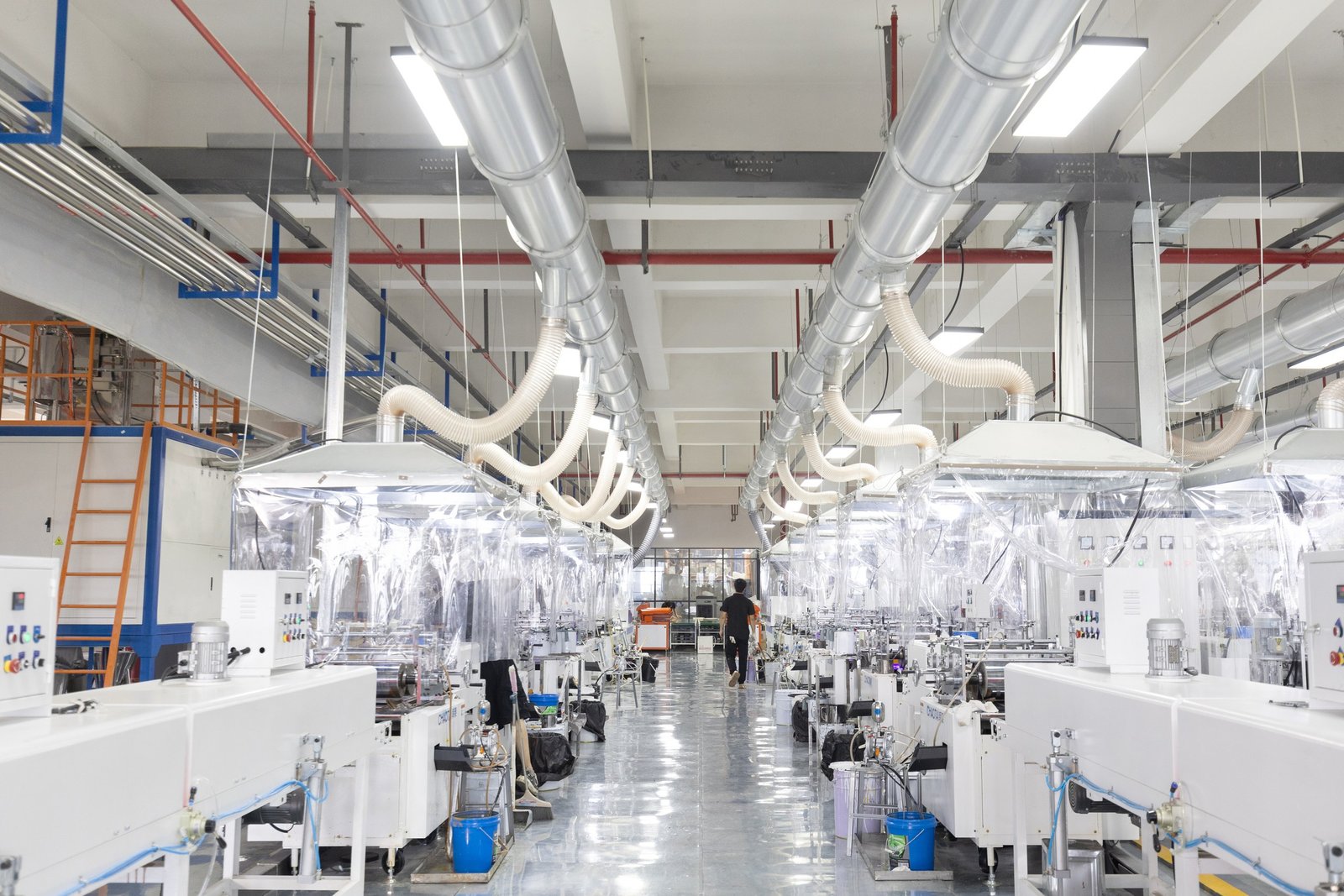
Large-volume edge banding orders involve many production steps, and even a small mistake can affect thousands of rolls. Without clear production records, finding the cause can become difficult and costly.
Production traceability helps buyers and manufacturers track every important stage of an edge banding order, from raw material selection to final inspection and shipment. It makes it easier to identify quality problems, control batch differences, verify production records, and manage risks across large-volume orders. For distributors and wholesalers, it also provides more confidence when working with a supplier over the long term.
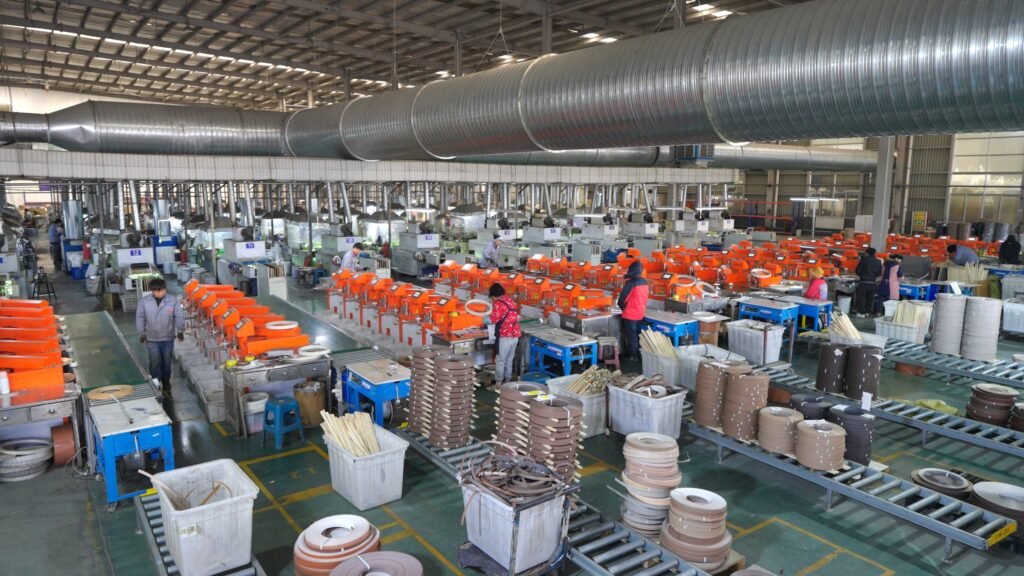
When I look at large-volume edge banding orders, I do not only focus on production capacity or delivery time. I also pay attention to whether every batch can be identified and checked. A manufacturer may have advanced production lines and a large workforce, but these advantages cannot fully protect an order if production information is not properly recorded. I believe a reliable traceability system should connect materials, production processes, inspection results, packaging, and shipment records. This is especially important when buyers place repeat orders or need the same color and specifications across different production batches.
Why Does Production Traceability Matter More in Large-Volume Edge Banding Orders?
When buyers order a few rolls of edge banding, they can often check the products directly and deal with problems on a small scale. However, large-volume orders are different. Multiple production batches, different raw material deliveries, and long production schedules can create more opportunities for quality differences.
I believe the biggest risk is not always a single defective roll. It is the possibility that a small production problem affects a large part of the order without anyone knowing where it started.
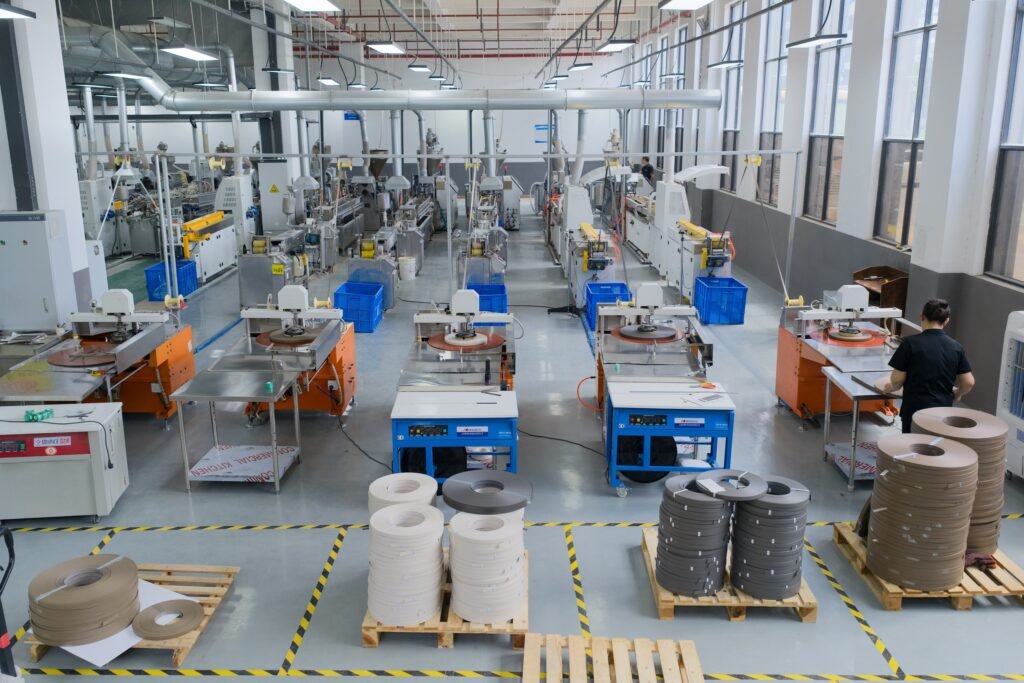
Why Does a Large Order Create More Quality Control Challenges?
A large edge banding order may include several colors, thicknesses, widths, and roll lengths. Even when all products belong to one purchase order, they may not come from the same production batch.
For example, a distributor may order 20,000 rolls of PVC edge banding in different colors. The manufacturer may need several days to complete the order. During this time, the factory may receive new raw materials, change production lines, adjust machine settings, or replace certain additives.
These changes do not automatically mean that the final products will have quality problems. However, they create more variables that need to be controlled.
I usually pay attention to the following production risks:
- Raw material differences: Different PVC resin or color masterbatch batches may affect product appearance and physical properties.
- Production parameter changes: Temperature, extrusion speed, and other process settings may affect thickness, surface quality, and product stability.
- Color consistency: Products made on different days may show visible color differences if the color formula and production conditions are not properly controlled.
- Packaging mistakes: Similar colors or specifications can be mixed during packing if workers cannot identify each batch clearly.
- Inspection gaps: A problem may remain unnoticed if inspection records cannot be connected to the actual production batch.
The more production variables an order has, the more important it becomes to know which materials and processes were used for each batch.
What Happens When a Manufacturer Cannot Trace a Production Batch?
Imagine that a buyer receives 5,000 rolls of PVC edge banding. After opening the shipment, the buyer finds that some rolls have a different surface appearance from the approved sample.
Without batch records, the manufacturer may need to check the entire order again. The production team may not know which raw material delivery was used, which machine produced the affected rolls, or when the problem first appeared.
This can lead to unnecessary inspection, delayed replacement, and disagreements between the buyer and supplier.
With traceability, the manufacturer can narrow down the possible source of the problem. The team can compare the production dates, material batches, machine records, and inspection results. It may then be possible to identify whether the problem affects one batch or several batches.
How Does Traceability Support Large-Volume Purchasing?
For distributors and wholesalers, product consistency is closely connected to customer trust. Their customers may use the same edge banding color across many furniture projects. A difference between two deliveries can create complaints even when both batches meet the basic product specifications.
I believe buyers should not only ask whether a supplier can produce a large quantity. They should also ask whether the supplier can identify and verify every production batch.
| Large-volume order challenge | Traceability value |
|---|---|
| Different raw material deliveries | Identify the material batch used |
| Multiple production dates | Connect products with production records |
| Color differences | Compare batch inspection records |
| Mixed packaging | Identify the correct product and batch |
| Customer complaints | Narrow down the affected production range |
| Repeat orders | Refer to previous production records |
In my view, production capacity tells buyers how much a factory can make. Production traceability tells buyers how well the factory can control what it makes. Both are important, but they solve different problems.
How Does Production Traceability Help Identify Quality Problems and Reduce Batch Risks?
Finding a quality problem is only the first step. The more important question is where the problem started and how many products it affects. Without reliable records, manufacturers may spend a lot of time checking products that are actually in good condition.
I believe traceability makes quality control more useful because it connects inspection results with the production history of each batch.
How Can Traceability Help Find the Source of Quality Problems?
PVC edge banding quality depends on several factors. These include raw material quality, formulation, extrusion conditions, surface treatment, and final inspection.
When a buyer reports a problem, the manufacturer needs to check these factors instead of simply assuming that the issue comes from one production process.
For example, consider three common problems:
1. Color inconsistency
If one batch looks different from the approved color sample, I would first check the color formula, masterbatch information, production date, and color inspection records.
The manufacturer can also compare samples from different production batches under the same lighting conditions. This helps determine whether the difference comes from the raw materials, color adjustment, or production process.
2. Thickness deviation
If buyers find that some edge banding rolls do not meet the agreed thickness, the manufacturer should check the original production settings and thickness inspection records.
The production team can then identify whether the deviation appeared during a specific production period or across several batches.
3. Poor adhesion
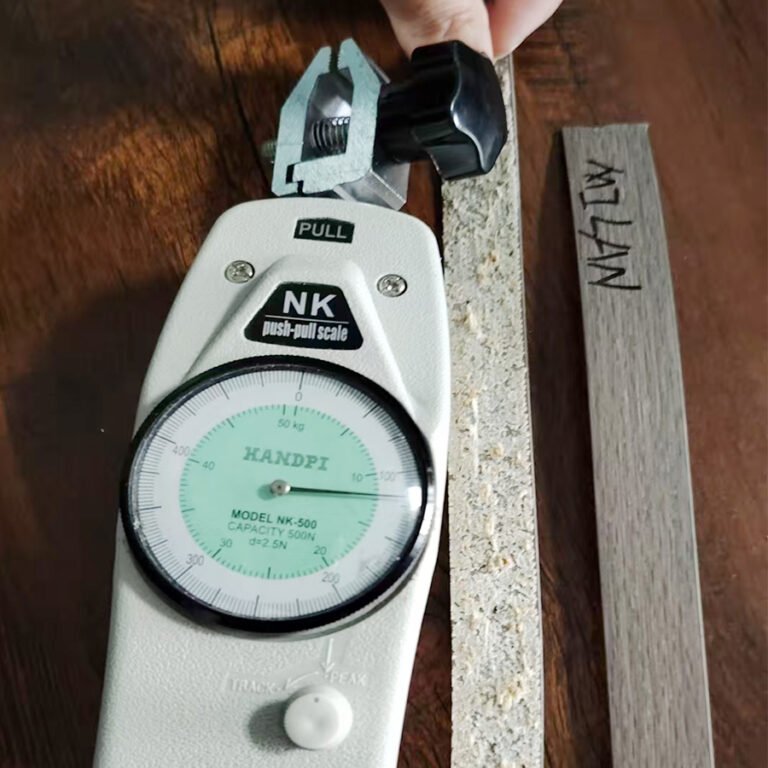
If edge banding does not bond properly to a furniture panel, the problem may involve the back coating, primer, adhesive compatibility, or application conditions.
Production records can help the manufacturer check which material batch and surface treatment process were used. However, the factory should also consider the buyer’s actual application conditions, including the adhesive type, temperature, pressure, and feed speed.
This is why I do not think a quality complaint should be handled only through product replacement. The manufacturer should first understand the cause.
How Does Batch Identification Reduce the Scope of a Quality Problem?
A useful traceability system allows a manufacturer to identify the products that may be affected by a particular problem.
For example, a factory discovers that a raw material batch does not meet its internal acceptance requirements. If the factory has recorded which production orders used that material, it can identify the related finished products.
The manufacturer can then check those products before shipment or contact the buyer if the products have already been delivered.
Without this information, the factory may have to investigate a much wider production range. This wastes time and may delay other orders.
The following table shows how traceability supports different quality investigations.
| Quality problem | Records to check | Possible action |
|---|---|---|
| Color difference | Color formula, masterbatch batch, color inspection | Compare samples and isolate affected batches |
| Thickness deviation | Machine settings, production logs, measurement records | Recheck production settings and inspect related rolls |
| Surface defects | Production date, machine records, inspection reports | Identify the affected production period |
| Poor adhesion | Primer batch, coating records, application test results | Check coating quality and application conditions |
| Packaging errors | Product labels, packing records, warehouse records | Identify and separate incorrect packages |
Why Is Root Cause Analysis Better Than Repeated Product Replacement?
I have seen how a simple replacement can solve an immediate customer complaint but fail to prevent the same problem from happening again. If the manufacturer does not understand the cause, the next order may have the same issue.
For example, replacing a batch of edge banding with poor adhesion may satisfy the buyer temporarily. However, if the real problem comes from an unstable back coating process, the replacement products may also have similar defects.
Traceability gives the quality team a way to compare production records and identify possible causes. The team can then adjust the process, review raw material suppliers, or improve inspection standards.
I also want to make one point clear: traceability does not automatically prevent every defect. It does not replace quality inspection or process control. Its value is that it helps manufacturers find problems faster, understand their scope, and take more targeted action.
Which Production Details Should Buyers Be Able to Trace in an Edge Banding Order?
When I discuss production traceability with buyers, I do not think they need access to every internal factory document. However, they should be able to identify the key information that affects product quality and order consistency.
A traceability system should connect the finished edge banding rolls with the materials, production processes, inspection results, and shipment information behind them.
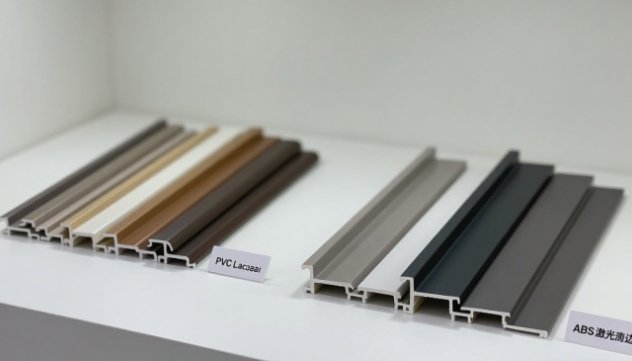
1. Raw Material Information
Raw materials are the starting point of edge banding production. For PVC edge banding, the manufacturer should be able to identify the main raw material batches and the relevant additives or color materials used in production.
I would pay attention to:
- PVC resin batch information.
- Calcium carbonate and other filler information, where applicable.
- Color masterbatch or pigment batch numbers.
- Additives and processing materials.
- Raw material supplier and receiving date.
- Incoming material inspection results.
These records help the factory check whether a quality difference may be related to raw material changes.
For example, if two batches of the same color show different physical properties, the manufacturer can compare their material records before investigating the production process.
2. Production Order and Machine Information
The next step is connecting each finished product with its production order.
I believe the following information should be recorded:
- Internal production order number.
- Product name and material type.
- Color code or customer-approved color reference.
- Thickness and width.
- Production line or machine number.
- Production date and shift.
- Relevant production parameters.
- Operator or responsible production team.
These details help the manufacturer understand where and when a product was made.
However, recording machine information alone is not enough. The factory should also make sure that the production records match the actual finished goods.
3. Quality Inspection Records
Quality inspection is another important part of traceability. Buyers should be able to understand whether the manufacturer has checked the products against the agreed specifications.
For PVC edge banding, I would pay attention to the following inspection items:
- Thickness and width measurements.
- Color consistency against the approved reference.
- Surface appearance and finish.
- Back coating or primer condition.
- Adhesion performance under defined test conditions.
- Roll length and packaging requirements.
- Final inspection and release status.
The exact inspection requirements should depend on the product specification and the buyer’s application.
For example, a distributor ordering decorative PVC edge banding may pay more attention to color consistency and surface quality. A furniture manufacturer may also focus on thickness tolerance, bonding performance, and compatibility with its edge banding machines.
4. Packaging and Shipment Information
Production traceability should not stop when the manufacturing process is complete.
The manufacturer should connect the finished products with their packaging and shipment records. This is important because products can still be mixed or mislabeled during warehousing and loading.
| Traceability stage | Information buyers should be able to identify |
|---|---|
| Raw materials | Supplier, material type, batch number, receiving date |
| Production | Production order, machine, date, shift, specifications |
| Quality inspection | Inspection date, test results, acceptance status |
| Packaging | Product code, batch number, roll quantity, packing date |
| Warehousing | Storage location, stock movement, batch status |
| Shipment | Packing list, shipment date, container or shipping reference |
5. Why Should All These Records Be Connected?
I do not think a factory has a complete traceability system simply because it keeps many documents.
The real value comes from connecting the information.
For example, a buyer should be able to provide a product label or batch number, and the manufacturer should be able to use that information to locate the related production order, material records, and inspection results.
The GS1 Global Traceability Standard uses two useful concepts: Critical Tracking Events (CTEs) and Key Data Elements (KDEs). CTEs describe important events in a product’s lifecycle, such as receiving, processing, packing, and shipping. KDEs describe the information recorded at each event.
I find this approach useful for edge banding manufacturing because it encourages factories to record both what happened and the information needed to identify each event.
For buyers, the goal is simple. They should not have to search through unrelated documents to understand the history of an order.
Have a spec or project to discuss?
Send your panel, thickness, finish and volume. Our engineers reply with a matched color, sample plan and price — usually within 24 hours.
Request a Quote1,000+ stock colors · Swatches on request
How Can Edge Banding Manufacturers Build a Reliable Production Traceability System?
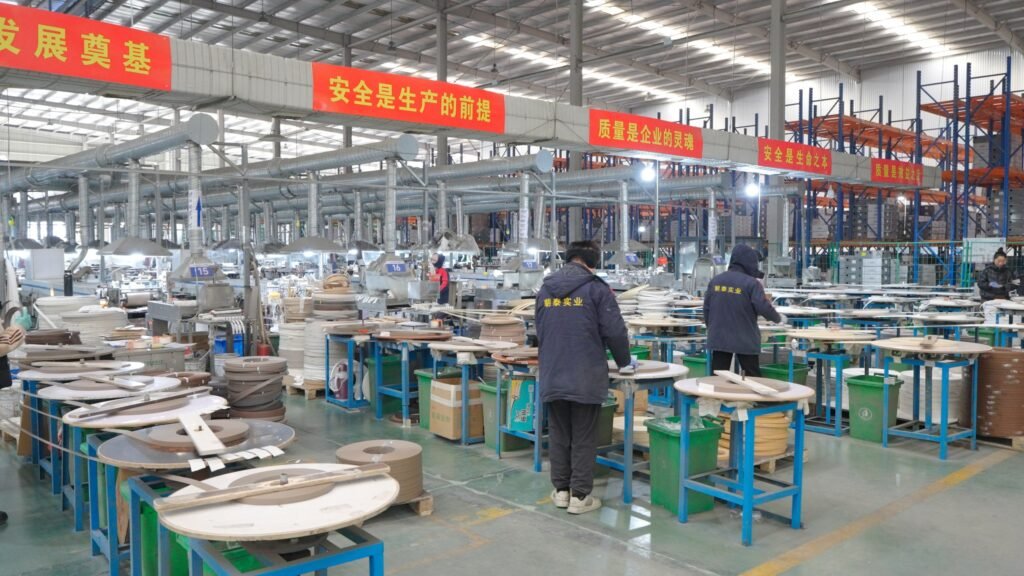
A reliable traceability system does not always require complicated software. I believe manufacturers should first establish clear identification rules and make sure that every department follows the same process.
If the production team, quality department, warehouse, and shipping team use different identification methods, the information may become disconnected. Even a digital system cannot solve this problem if the original records are incomplete or incorrect.
Step 1: Establish a Clear Batch Numbering System
The first thing I would do is create a unique batch identification method.
Every production batch should have a number that connects it with the production order and the relevant manufacturing records.
For example, a factory may use a batch code that contains the production date, production line, and internal order reference. The exact format can vary, but it should be easy to understand and difficult to duplicate.
A useful batch identification system should meet three basic requirements:
- Every batch has a unique identification number.
- The same number appears in the relevant production and packaging records.
- Employees can use the number to find the correct production history.
The factory should also define when a new batch number is required. A change in raw materials, production date, color formula, or production conditions may require a separate batch record, depending on the manufacturer’s control rules.
Step 2: Connect Raw Material Records with Production Orders
The second step is recording which raw materials are used in each production order.
For example, if a production order uses a specific PVC resin batch and color masterbatch batch, the factory should record these details before or during production.
This creates a connection between incoming materials and finished edge banding products.
I would also recommend keeping records of incoming material inspection. This helps the factory distinguish between a problem caused by raw materials and one that may have developed during production.
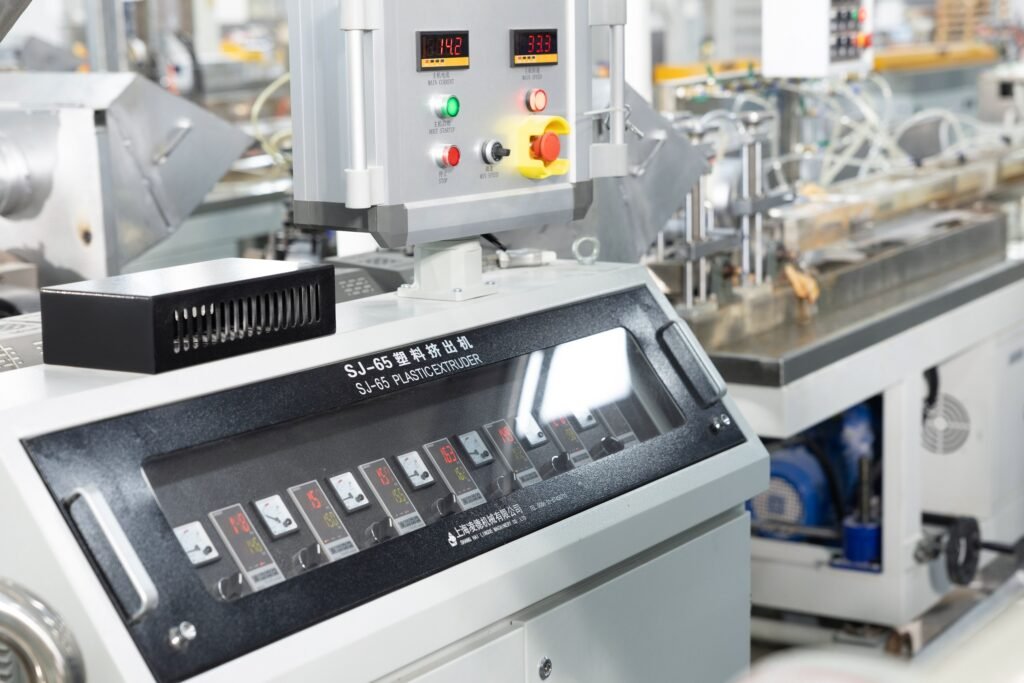
Step 3: Record Important Production Parameters
The factory should identify which production parameters have a direct effect on product quality.
For PVC edge banding, these may include extrusion temperature, production speed, material formulation, cooling conditions, and surface treatment settings.
Not every machine value needs to be shared with buyers. However, the manufacturer should keep the key records needed to investigate quality problems.
Production records should also include relevant changes. If an operator adjusts a machine setting during production, the factory should record the change and its reason.
Step 4: Connect Inspection Results with Batch Numbers
I believe inspection records are much more useful when they can be traced back to a specific batch.
For example, if the quality team checks thickness, width, color, and surface condition, the results should be connected to the relevant production batch.
The factory should also define clear acceptance criteria. A product should not be marked as approved simply because an employee has completed an inspection form.
The results should show whether the product meets the agreed requirements and whether any corrective action is needed.
Step 5: Make Batch Identification Continue Through Packaging and Shipment
The final step is making sure that product identification remains clear after production.
Each roll, carton, or packaging unit should carry suitable product information. Depending on the order, this may include:
- Product name and color code.
- Thickness and width.
- Roll length.
- Batch number.
- Production or packing date.
- Customer order reference.
The warehouse team should also record stock movements. This reduces the risk of mixing different batches when preparing large shipments.
I would use the following framework to review whether a factory’s traceability process is complete.
| Process | Key control | Expected record |
|---|---|---|
| Material receiving | Identify incoming materials | Material batch record |
| Production planning | Assign batch numbers | Production order |
| Manufacturing | Record key process information | Production log |
| Quality control | Check agreed specifications | Inspection report |
| Packaging | Match labels with products | Packing record |
| Warehousing | Separate and identify batches | Inventory record |
| Shipment | Match products with shipping documents | Packing list and shipment record |
I also believe manufacturers should review their traceability systems regularly. A system that works for a small order may not work as well when the factory handles several large orders at the same time. Regular internal checks can help identify missing records, incorrect labels, and gaps between departments.
How Does Traceability Improve Order Consistency, Delivery Reliability, and Long-Term Supplier Cooperation?
For me, production traceability is not only an internal factory management tool. It also affects the relationship between manufacturers and buyers.
When a distributor purchases edge banding regularly, the supplier needs to maintain stable product specifications across different orders. Buyers also need clear information when they receive a complaint from their own customers.
A reliable traceability system helps both sides work with the same production information instead of relying on assumptions.
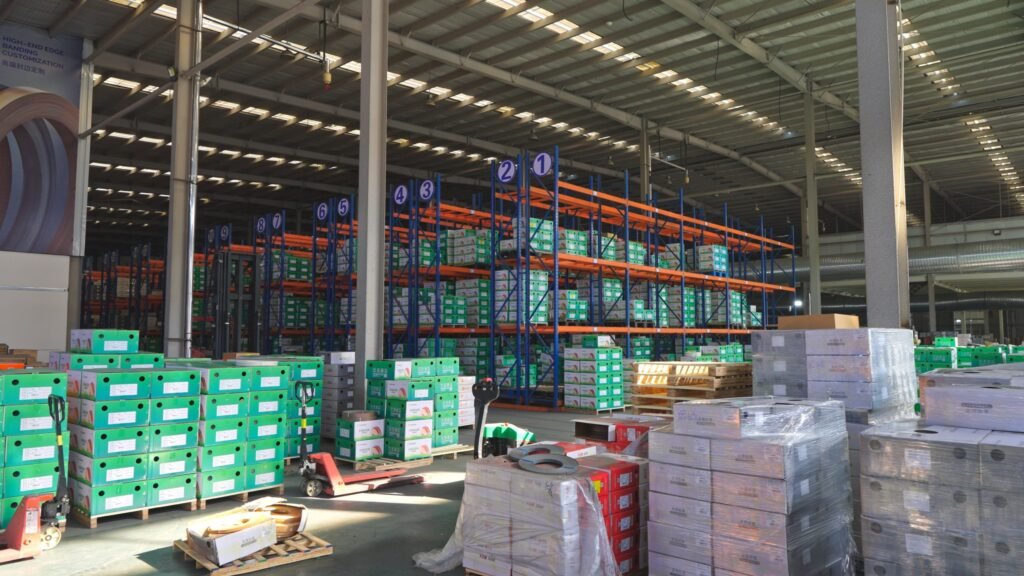
How Does Traceability Support Consistent Repeat Orders?
One common challenge for edge banding distributors is maintaining the same product quality across repeat orders.
A buyer may order a specific PVC edge banding color today and place another order several months later. The manufacturer may use a different raw material delivery or production line for the new order.
If the factory has retained the previous production records, it can use them as a reference when planning the new order.
For example, the manufacturer can review:
- The approved color reference.
- The previous material and formulation records.
- The product thickness and width.
- The production process used.
- The previous inspection results.
I want to point out that traceability does not mean every new batch will be identical automatically. Raw material differences and production conditions can still affect the final product. The factory must carry out proper production control and compare new samples with the approved reference.
However, historical records give the manufacturer a much better starting point.
How Does Traceability Help Improve Delivery Reliability?
Large-volume orders often involve several production batches and multiple packaging stages. If the factory cannot identify the status of each batch, it may be difficult to know which products have passed inspection and which products are still waiting for further checks.
A traceability system can help the production and warehouse teams understand the status of each batch.
For example:
- Raw materials are received and approved.
- Production is completed and recorded.
- Quality inspection is completed.
- Finished products are packed and labeled.
- Approved batches are transferred to the warehouse.
- Shipment information is matched with the order.
This process helps reduce confusion between finished products, products waiting for inspection, and products that need corrective action.
I would not claim that traceability alone guarantees on-time delivery. Production capacity, raw material availability, equipment maintenance, and shipping arrangements still matter. However, clear batch information helps manufacturers manage the order more effectively.
Why Does Traceability Matter to Overseas Distributors?
For overseas distributors, the consequences of a quality problem may go beyond the original purchase order.
A distributor may have already sold part of the shipment to several furniture factories. If a customer reports a problem, the distributor needs to know which products may be affected.
If the manufacturer can identify the relevant batch, both sides can communicate more clearly.
For example, instead of discussing the entire shipment, the distributor can provide the batch number and product information. The manufacturer can then check the related production and inspection records.
This makes it easier to discuss replacement, additional inspection, or other corrective actions.
It also gives distributors better information when they communicate with their own customers.
What Should Buyers Ask Before Choosing an Edge Banding Manufacturer?
I believe buyers should evaluate traceability before placing a large-volume order, rather than waiting until a quality problem happens.
Here are some questions I would suggest asking a potential supplier:
| Questions for the manufacturer | What buyers should look for |
|---|---|
| Can you identify each production batch? | A clear batch numbering system |
| Can you trace raw materials to finished products? | Connected material and production records |
| Do you keep inspection records for each batch? | Documented inspection results |
| Can you identify the production date and line? | Production logs and machine records |
| Can different batches be separated during packing? | Clear product labels and warehouse controls |
| Can you investigate a complaint using a batch number? | A defined investigation and corrective action process |
| Can you provide relevant production records when needed? | Clear communication and document access |
I would also suggest that buyers include traceability requirements in their purchase specifications. This is especially useful for repeat orders, custom colors, and large shipments.
At CHAOTAI, I believe a manufacturer’s responsibility should not end when the products leave the production line. Buyers need consistent products, clear records, and a supplier that can respond when questions arise. Production traceability is one of the important ways to support that responsibility.
- Chaotai at THE 139TH CANTON FAIR | One-Stop Material Solution for Global Distributors →
- How Much Inventory Should an Edge Banding Distributor Keep? →
- How to Calculate PVC Edge Banding Profit Margin Before Importing from China →
- What Makes a Good PVC Edge Banding Supplier for Long-Term Wholesale Orders? →
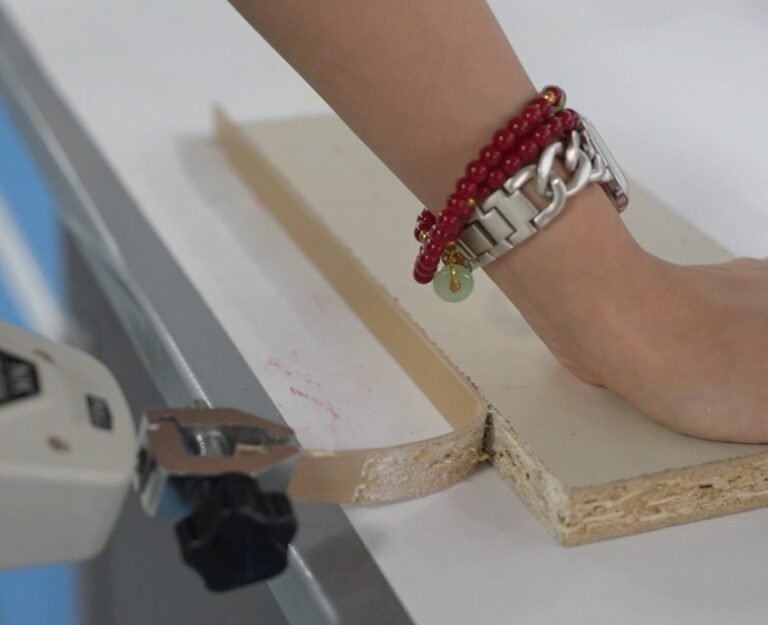
How Each Batch Is Checked and Recorded
Incoming material checks, in-process inspection and final roll release — the records that sit behind every batch number we ship.
See the Inspection Process
Conclusion
Production traceability helps manufacturers control batch quality, identify problems, and support reliable large-volume edge banding orders. It also gives distributors greater confidence in long-term supplier cooperation.
Data Sources and References
- International Organization for Standardization (ISO) – ISO 9001:2015 Guidance on Documented Information
https://www.iso.org/files/live/sites/isoorg/files/standards/docs/en/iso_9001_2015_guidance_documented_information.pdf - GS1 – What Is the GS1 Traceability Standard?
https://support.gs1.org/support/solutions/articles/43000734535-what-is-the-gs1-traceability-standard- - GS1 – GS1 Global Traceability Standard
https://ref.gs1.org/standards/global-traceability/ - GS1 – Traceability Standards and Benefits
https://gs1ca.org/standards/traceability-standards/