Urgent orders can help manufacturers win valuable customers, but poor planning can delay existing orders, increase costs, and damage long-term business relationships.
I believe edge banding manufacturers should handle urgent orders through flexible production planning, clear order priorities, available production capacity, and strict quality control. A manufacturer should respond quickly without allowing one urgent order to affect other customers’ delivery schedules.
In the edge banding industry, urgent orders are not always easy to handle. A distributor may suddenly need additional PVC edge banding because its stock is running low. A furniture manufacturer may need a specific color or thickness to complete an ongoing project. Sometimes, a customer may also request a replacement order because of an unexpected quality problem.
I understand that these situations require a fast response from the supplier. However, I do not think a manufacturer should simply move an urgent order to the front of the production line. Every order has its own specifications, raw material requirements, production time, and delivery commitment.
When I manage this type of situation, I focus on two things: meeting the urgent customer’s needs and protecting the production schedule for existing customers. The following points explain how I would approach this challenge in a practical manufacturing environment.
Why Do Urgent Orders Create Challenges for Regular Edge Banding Production?
An urgent order may look like a simple request for faster production. However, I know that even a small change in the production schedule can affect several other orders.
When I manage edge banding production, I need to consider more than the quantity of an urgent order. I also need to check its material, color, thickness, width, production process, and delivery date. These factors determine whether the factory can complete the order quickly.
1. Production Schedules Can Become Unbalanced
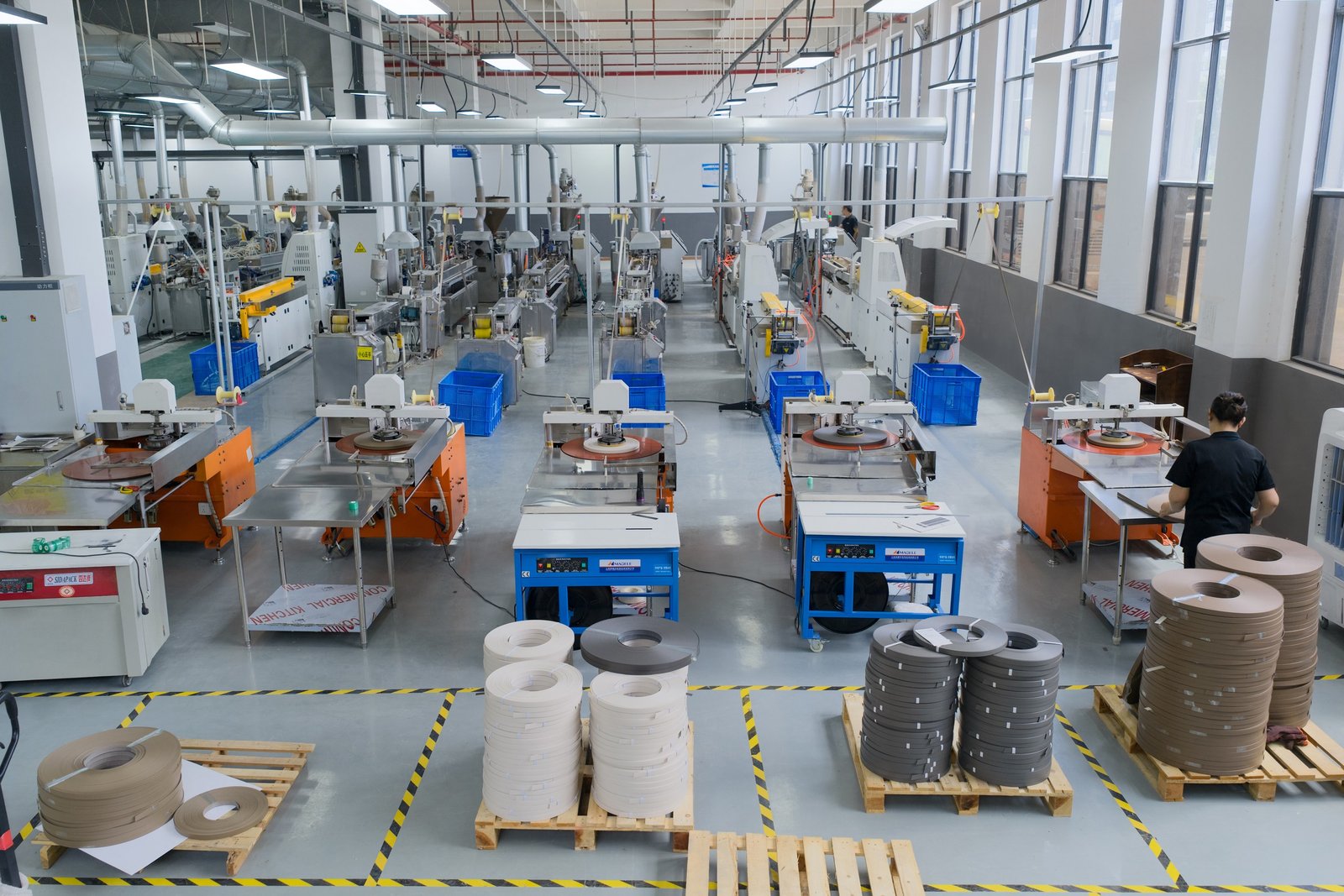
Most edge banding manufacturers arrange production based on confirmed orders and planned delivery dates. Each production line has a schedule. Workers, machines, and raw materials are assigned according to that schedule.
An urgent order can change this balance.
For example, a customer may suddenly request 5,000 meters of PVC edge banding in a specific wood grain color. If the factory places this order ahead of other orders, the original production sequence may need to change.
This can create several problems:
- Existing orders may need to wait for machine availability.
- Workers may need to change their production tasks.
- Planned raw material consumption may change.
- The delivery dates of other orders may become difficult to maintain.
I believe the biggest problem is not the urgent order itself. The real problem is making production changes without understanding their impact on the whole schedule.
2. Different Specifications Require Different Production Conditions
Edge banding products have many specifications. PVC, ABS, and acrylic edge banding may require different production conditions. Even within PVC edge banding, thickness, width, color, surface finish, and embossing can change the production requirements.
For example, an urgent order for 0.8 mm PVC edge banding cannot always be added to a production batch that is making 2 mm products.
The factory may need to adjust the equipment, raw material supply, and production parameters. Color matching can also take time, especially when customers request a new decor or a specific color that is not available in existing inventory.
3. Limited Capacity Can Increase Production Pressure
Every production line has a practical capacity. A factory cannot assume that all machines are available whenever a new order arrives.
Some lines may already have full schedules. Other lines may be under maintenance or producing products with different specifications.
According to the Association for Supply Chain Management (ASCM), capacity management involves measuring, monitoring, and adjusting production capacity to support manufacturing schedules. This shows why manufacturers need to evaluate available resources before accepting additional production requirements.
I would rather give a customer a realistic delivery date than promise an unrealistic lead time. A fast response is valuable, but a reliable delivery commitment is more important for long-term cooperation.
How Should Edge Banding Manufacturers Prioritize Urgent Orders Without Delaying Existing Orders?
Not every urgent order should receive the same priority. Some customers need products to complete a production project. Others may only want to increase their warehouse inventory.
I believe manufacturers should evaluate the real business impact of each request before changing the production schedule.
1. Evaluate the Actual Urgency of Each Order
The first step is to understand why the customer needs the order quickly.
I usually consider three factors:
- Customer production needs: Will the customer’s furniture production stop if the materials do not arrive on time?
- Inventory situation: Does the customer have enough stock to support current sales?
- Delivery deadline: Is there a confirmed project deadline or a specific shipment date?
For example, if a furniture factory has run out of a particular edge banding color and its cabinet production has stopped, this order may deserve higher priority than a distributor who simply wants to increase stock.
However, I would not make this decision based only on the customer’s request. I would also check whether the factory can meet the requested deadline.
2. Use a Clear Order Priority System
I recommend dividing orders into different priority levels. This gives the production team a clear way to make decisions.
| Order priority | Typical situation | Recommended action |
|---|---|---|
| Critical | Customer production is stopped | Check immediate production options |
| High | Confirmed project deadline is approaching | Adjust available capacity |
| Normal | Regular replenishment order | Follow the original schedule |
| Flexible | Customer has sufficient inventory | Arrange production in a suitable batch |
This system does not mean that normal orders become less important. It helps the factory understand which orders need immediate attention and which orders can remain on their original schedule.
3. Calculate the Impact Before Changing the Schedule
Before accepting an urgent order, I would ask the production department to calculate its actual impact.
The calculation should include:
- Available machine hours.
- Required production hours.
- Raw material availability.
- Machine setup and changeover time.
- Current orders waiting for production.
- Packaging and delivery preparation time.
For example, if an urgent order requires eight production hours, I would not simply add eight hours to the schedule. I would also consider whether the machine needs to change its settings and whether this change will affect the next scheduled product.
ASCM’s manufacturing planning and control framework explains the relationship between order priorities, material requirements, and available production capacity. These factors should be considered together rather than separately.
I believe this is one of the most important steps in urgent order management. A factory should understand the full production impact before it promises a new delivery date.
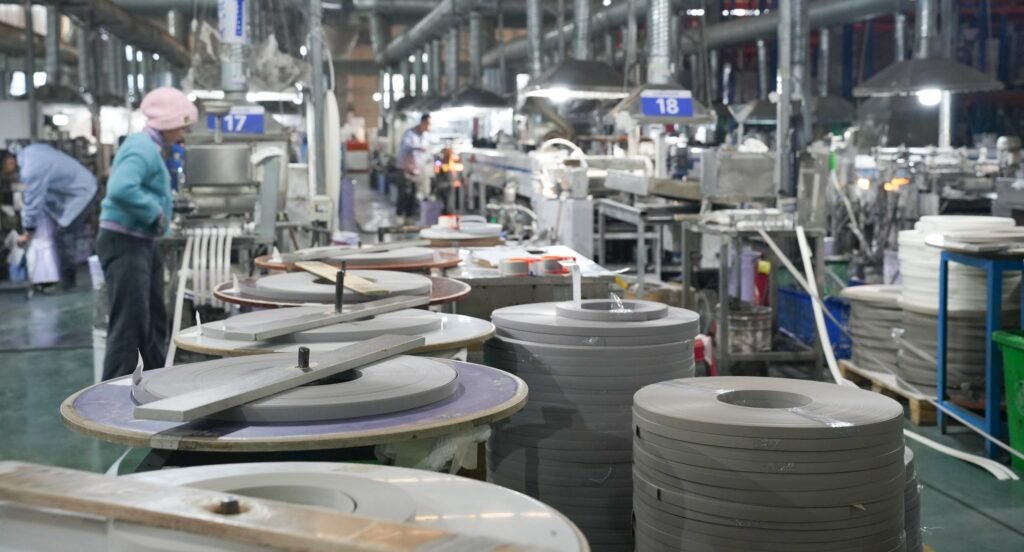
What Production Strategies Help Manufacturers Handle Urgent Orders More Efficiently?
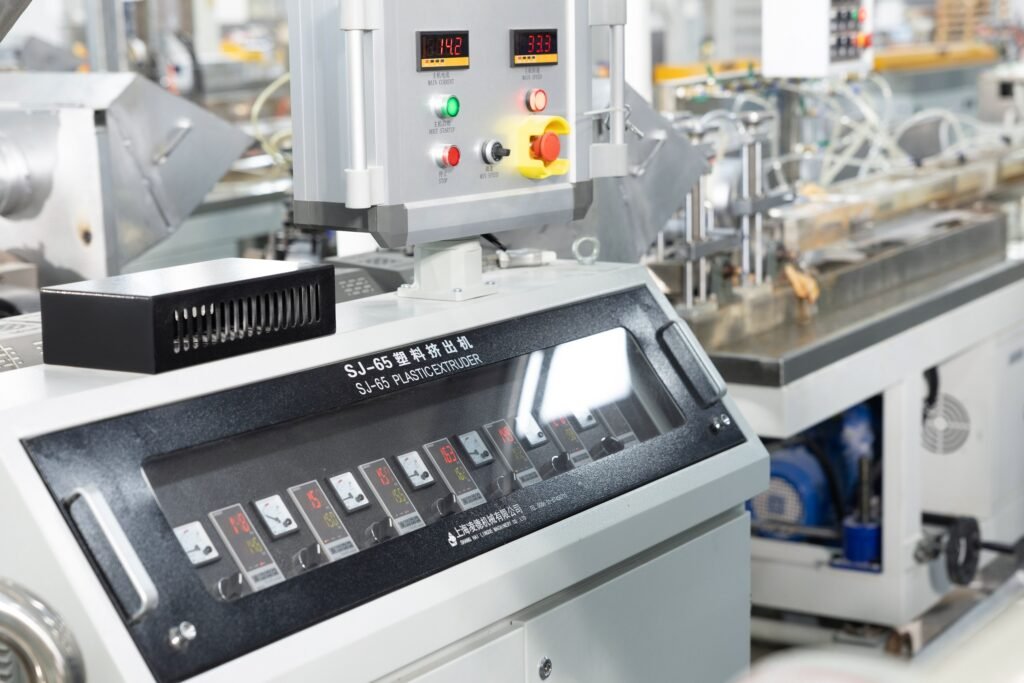
After evaluating an urgent order, the next question is how to arrange production. I do not think working longer hours should be the first solution. A better approach is to use available production resources more effectively.
1. Reserve Flexible Production Capacity
I recommend that manufacturers avoid scheduling every production line at 100% of its practical capacity.
A certain amount of flexible capacity can help the factory respond to unexpected orders, equipment problems, and changes in customer demand.
For example, a factory may keep some production time available for urgent PVC edge banding orders. When no urgent orders arrive, the factory can use this time for regular production or maintenance.
The amount of reserved capacity should depend on historical order patterns, product demand, and production costs. I would not recommend using the same capacity reserve for every factory.
A manufacturer with stable, high-volume orders may need a different plan from a factory that frequently handles small, customized orders.
2. Group Similar Orders into Production Batches
One practical way to improve production efficiency is to group orders with similar specifications.
For example, if three customers order PVC edge banding with the same thickness, width, and color, the factory may be able to arrange their production in one batch.
This can reduce unnecessary machine adjustments and material changes.
However, I would not combine orders only because they have similar colors. The factory must also check the product specifications, surface finish, material requirements, and customer quality standards.
| Production factor | What manufacturers should check |
|---|---|
| Material | PVC, ABS, acrylic, or other materials |
| Thickness | Whether the products share the same thickness |
| Width | Whether the production settings are compatible |
| Color | Whether the color and decor requirements match |
| Surface | Whether the embossing and finish are consistent |
| Quantity | Whether batch production is practical |
Batch production can help reduce repeated setup work. It can also make better use of raw materials and machine time.
3. Use Dedicated Lines or Flexible Production Arrangements
For manufacturers with multiple production lines, I would consider assigning certain lines to urgent orders when their equipment and production capabilities are suitable.
This does not mean that a factory must always keep one complete production line idle. It means the production manager should understand which lines can handle different products and which lines have room for additional work.
For example, one line may be suitable for standard PVC edge banding, while another may be better suited to products with special surface requirements.
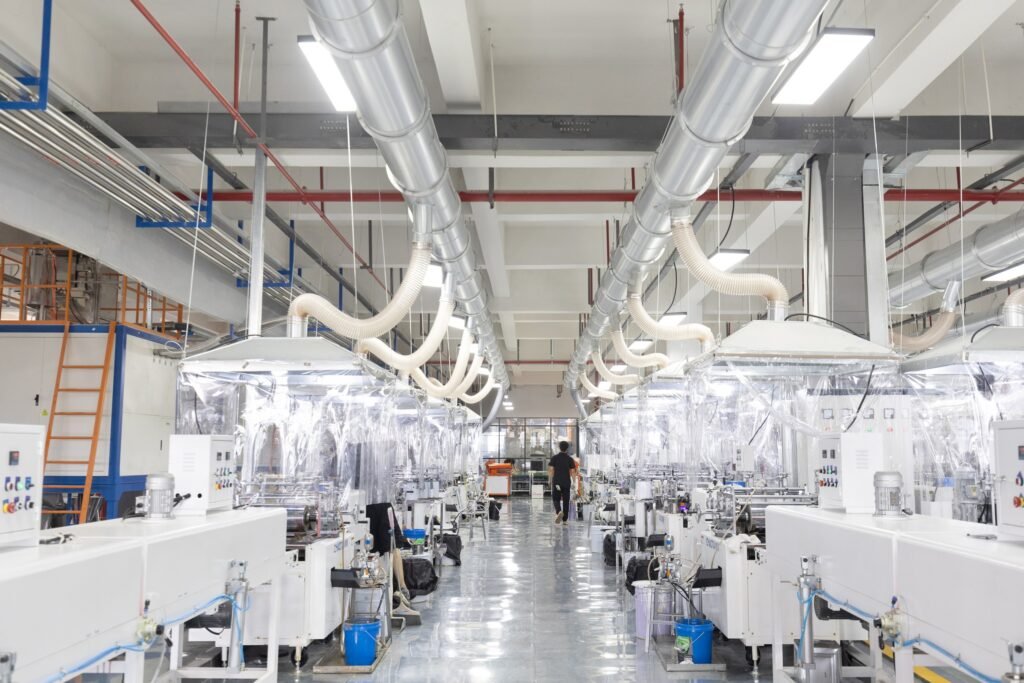
If a factory has several lines with compatible capabilities, it can move an urgent order to an available line without changing the entire production schedule.
4. Improve Raw Material and Finished Product Inventory Management
Raw material availability is another important factor.
An urgent order may require a specific PVC raw material, color masterbatch, printing material, or other production input. If these materials are unavailable, even an available production line cannot complete the order.
I recommend keeping suitable safety stock for materials that are used frequently. Manufacturers can also maintain finished inventory for standard colors and common specifications.
However, I would avoid keeping too much inventory of customized colors and slow-moving products. This can increase storage costs and create inventory risks.
The right inventory strategy should be based on actual sales history and customer demand.
5. Track Production Progress in Real Time
A production schedule is only useful when the factory can check whether actual production follows the plan.
I recommend tracking order status at each important stage:
- Raw material preparation.
- Machine setup.
- Production start.
- Quality inspection.
- Packaging.
- Finished product storage.
- Shipment preparation.
When production falls behind schedule, the production manager should identify the reason as early as possible.
This approach follows the basic manufacturing planning principles described by ASCM, which include detailed scheduling, capacity control, and monitoring production performance.
Have a spec or project to discuss?
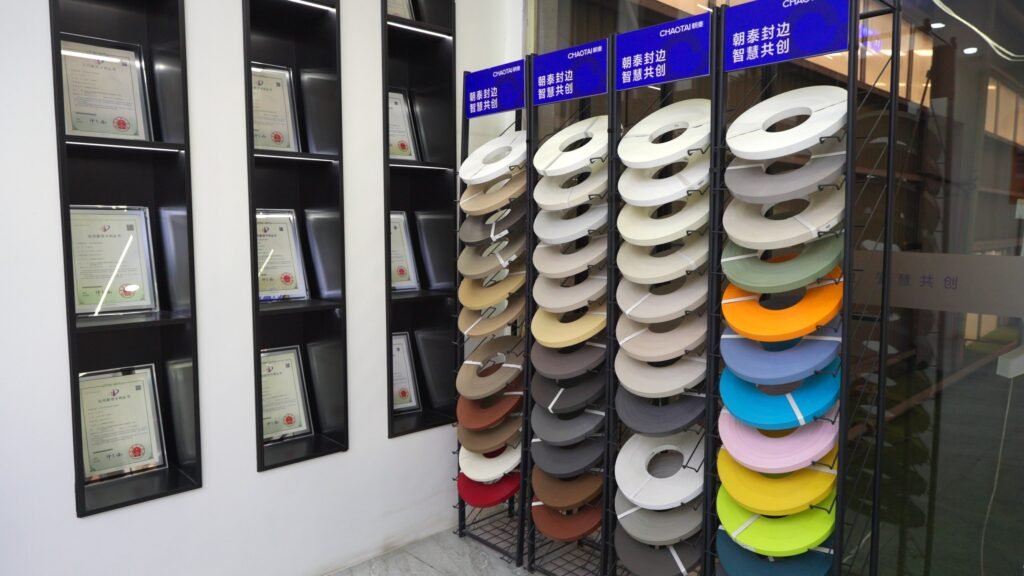
Send your panel, thickness, finish and volume. Our engineers reply with a matched color, sample plan and price — usually within 24 hours.
Request a Quote1,000+ stock colors · Swatches on request
How Can Manufacturers Maintain Consistent Quality During Urgent Production?
Speed should never become an excuse for lower product quality. I believe this is especially important for edge banding manufacturers because customers often use the same product across large furniture production batches.
If an urgent order has inconsistent thickness, color, or surface quality, the customer may face more problems than the original delivery delay.
1. Do Not Skip Raw Material Inspection
When manufacturers receive an urgent order, they may feel pressure to start production immediately. However, I do not recommend skipping incoming material inspections.
The factory should still check whether the raw materials meet the required specifications.
For PVC edge banding, I would pay attention to:
- Raw material type and supplier batch.
- Material appearance and color.
- Material suitability for the required thickness.
- Surface condition and processing requirements.
- Compatibility with the planned production process.
If the factory uses materials from different batches, it should also consider whether these materials may create differences in the final product.
2. Keep the First-Article Inspection Process
Before starting full-scale production, I recommend producing a small sample and checking whether it meets the customer’s requirements.
This is especially important when an urgent order involves a new color, a different thickness, or a change in production settings.
For example, if a customer urgently needs 1 mm PVC edge banding in a wood grain finish, the production team should first confirm the color, surface appearance, dimensions, and other agreed specifications.
I would rather spend additional time checking the first products than discover a quality problem after thousands of meters have been produced.
3. Maintain the Same Quality Inspection Standards
An urgent order should follow the same quality standards as a regular order.
I recommend checking the following items:
| Quality inspection item | What should be checked |
|---|---|
| Thickness | Whether the actual thickness meets the agreed tolerance |
| Width | Whether the product width is consistent |
| Color | Whether the color matches the approved sample |
| Surface | Whether there are scratches, stains, or visible defects |
| Embossing | Whether the surface texture is consistent |
| Appearance | Whether the product has bubbles, deformation, or other defects |
| Packaging | Whether labels and specifications are correct |
The inspection frequency can be adjusted based on production risks, but the acceptance standards should not become lower because of an urgent deadline.
4. Keep Production Records and Batch Traceability
I also believe that manufacturers should keep clear production records for urgent orders.
These records should include raw material batches, machine settings, production dates, inspection results, and packaging information.
This makes it easier to identify the cause of a problem if a customer reports a quality issue after receiving the products.
ISO 9001:2015, particularly Clause 8.5, provides a useful reference for this approach. It addresses controlled production conditions, monitoring and measurement, product identification, and traceability where required.
For me, quality control is not only about checking finished products. It is about making sure that every important production step remains under control, even when the delivery deadline is tight.
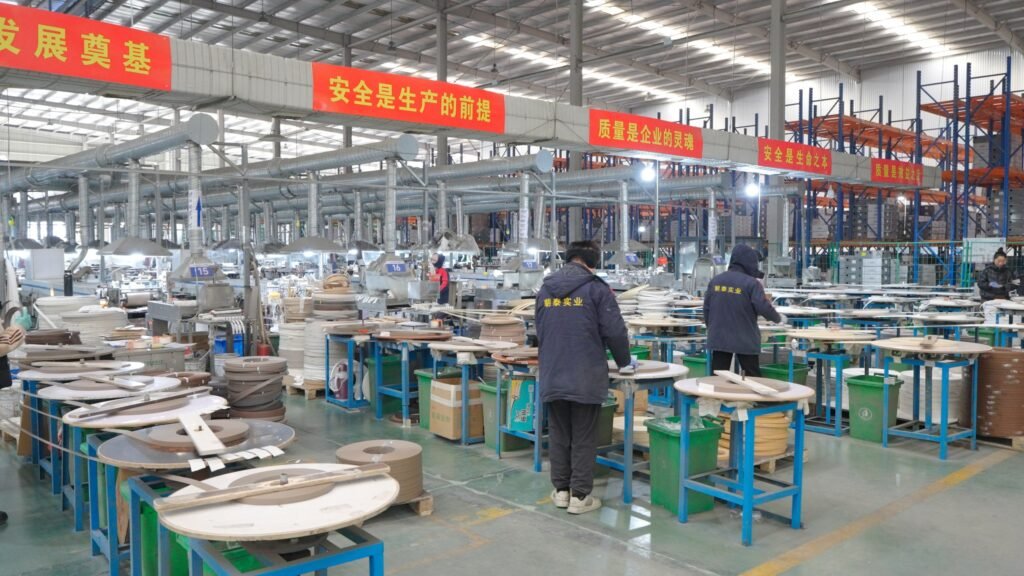
How Can Edge Banding Manufacturers Ensure On-Time Delivery for Both Urgent and Regular Orders?
Finishing production does not mean that the order is ready for delivery. Manufacturers still need to complete inspection, packaging, warehouse preparation, and transportation arrangements.
I believe delivery management should start when the urgent order is accepted, not when production is finished.
1. Confirm a Realistic Delivery Date with the Customer
When customers request urgent orders, they often expect the shortest possible lead time.
However, I do not recommend promising a delivery date before checking the production schedule.
I would first confirm:
- The exact product specifications and quantities.
- Whether the required materials are available.
- The estimated production completion time.
- The inspection and packaging time.
- The transportation method and expected shipping schedule.
For overseas distributors, I would also distinguish between the factory completion date, shipment date, and estimated arrival date.
These dates are not the same. A factory may finish an order quickly, but international transportation still requires additional time.
Clear communication can help customers make better inventory and sales plans.
2. Keep Regular Customers Informed About Schedule Changes
An urgent order should not create unexpected delays for existing customers.
If the factory needs to adjust a production schedule, I recommend informing the affected customers as early as possible.
For example, if an urgent order uses a production line that was originally assigned to another order, the sales team should understand the impact before making any delivery commitments.
I believe customers are more likely to accept a reasonable schedule adjustment when the supplier explains the situation clearly.
However, manufacturers should avoid making repeated delivery promises that they cannot keep.
3. Coordinate Packaging and Logistics in Advance
Packaging and logistics can become bottlenecks when production is completed at short notice.
For edge banding products, I recommend preparing suitable packaging materials in advance, especially for standard product specifications.
The factory should also confirm the following:
- Whether the required packaging materials are available.
- Whether product labels and order information are correct.
- Whether the warehouse has enough space for finished goods.
- Whether the forwarder can arrange the required shipment.
- Whether the products can be loaded according to the planned schedule.
For distributors who purchase multiple colors and specifications, correct labeling is particularly important. A fast shipment is not useful if the customer receives products with incorrect specifications or mixed labels.
4. Review Delivery Performance After Each Urgent Order
I would also recommend reviewing the results after completing an urgent order.
The production and sales teams should check whether the order was completed on time, whether regular orders were affected, and whether additional costs were created.
The following indicators can help manufacturers evaluate their performance:
| Performance indicator | What it measures |
|---|---|
| Urgent order lead time | Time from order confirmation to shipment readiness |
| On-time delivery rate | Percentage of orders delivered as committed |
| Regular order delay rate | Impact of urgent orders on existing orders |
| Production changeover time | Time spent adjusting production between orders |
| Urgent order defect rate | Quality performance during urgent production |
| Additional production cost | Extra labor, overtime, and operating costs |
I would use these results to improve future production plans.
For example, if the factory frequently receives urgent orders for the same PVC colors, it may be worth increasing the safety stock of those materials or adjusting the production schedule.
This creates a more practical response system. Instead of solving the same problem every time, manufacturers can use previous order data to prepare for future demand.

Edge Banding Range Ready to Ship
PVC, ABS, MABS, PP and acrylic in 1,000+ stock colors, with swatches, test reports and 7-10 day dispatch on standard items.
Explore Edge Banding Range
Conclusion
I believe the best manufacturers do not simply produce urgent orders faster. They manage capacity, protect quality, and deliver urgent and regular orders according to reliable schedules.
Data Sources and References
The following sources support the manufacturing planning, capacity management, and quality control principles discussed in this article.
- ASCM – SCOR Digital Standard: Capacity Management
https://scor.ascm.org/people/skills/HS.0197
Explains capacity planning, capacity measurement, monitoring, and adjustment across manufacturing schedules. - ASCM – CPIM Learning System: Manufacturing Planning and Control
https://learningsystem.ascm.org/wp-content/uploads/2019/11/CPIM_LS_2020_Excerpt-2.pdf
Explains the relationship between production priorities, material requirements, equipment capacity, and workforce capacity. - ASCM – CPIM: Implement and Manage Detailed Schedules
https://www.ascm.org/globalassets/ascm_website_assets/docs/ecm/ecm-cpim8.pdf
Covers production scheduling, equipment and labor planning, capacity monitoring, and order prioritization. - ASCM – Supply Chain Dictionary: Production Planning and Scheduling
https://learn.ascm.org/sfc/servlet.shepherd/document/download/069R3000006PlDHIA0
Provides definitions and explanations of production planning, production scheduling, productive capacity, and manufacturing control. - ISO – ISO 9001:2015, Clause 8.5: Production and Service Provision
https://www.iso.org/standard/62085.html
Provides requirements and guidance on controlled production conditions, inspection, monitoring, product identification, and traceability.
Research note: These references support the general manufacturing management principles in this article. They do not provide industry-specific statistics on urgent PVC edge banding orders. The operational examples are illustrative, not reported factory performance data.