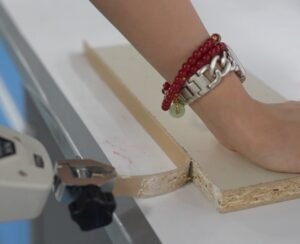

Pain: Finished edges with flaws cost time and money.
Agitate: Customers reject panels. Lines stop shipping.
Solve: I fix common defects with clear checks and simple controls.
Common defects in PVC edgeband production include bubbles, color mismatch, thickness variation, surface scratches, die lines, and curling. I prevent them by controlling raw materials, process settings, maintenance, and inspection.
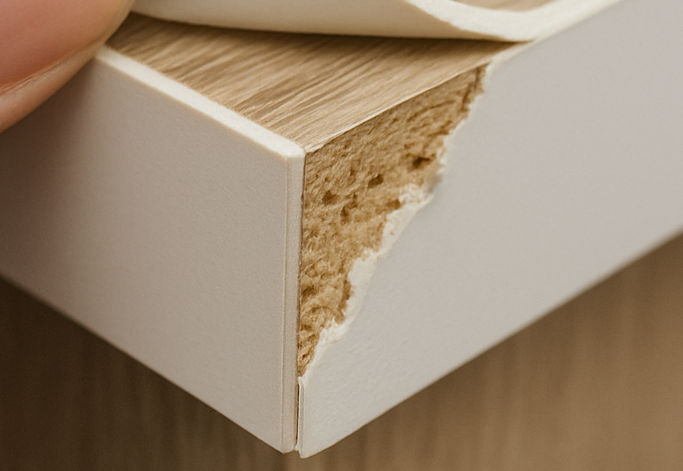
If you care about fewer rejects and more repeat orders, keep reading. I will walk you through the defects, why they happen, how I detect them early, and practical steps to avoid them.
Identifying the Most Common Defects in PVC Edgeband Manufacturing?
Pain: Teams often spot defects too late.
Agitate: Late detection causes scrap and rework.
Solve: I list the defects and how they look so people can catch them early.
The top defects I see are bubbles (blisters), color mismatch, uneven thickness, surface streaks or die lines, edge burrs, and curling or warping.
What to look for on the line
I watch for small pinholes and blisters first. I check color across rolls for shifts. I measure thickness along the length. I inspect the surface for lines or rough patches. I check roll edges for burrs and curling.
Visual and tactile cues
- Bubbles appear as rounded blisters or pinholes on the surface.
- Color mismatch shows as visible shade changes against the panel.
- Thickness variation feels like soft or thin spots when you run a finger across the band.
- Die lines look like parallel streaks.
- Curling shows when the strip does not lie flat on a panel.
Why quick ID matters
I stop the line at the first sign of a repeating defect. Early stop saves the entire spool. I log the defect and attach a sample for lab review. This habit reduces scrap and protects delivery dates.
Root Causes Behind Defects in Extrusion and Printing Processes?
Pain: Defects often come from multiple hidden causes.
Agitate: Teams blame the wrong step and waste time.
Solve: I trace defects to common root causes and test them.
Main root causes are raw material issues (moisture, bad masterbatch), poor dispersion, wrong temperatures or screw speed, die contamination, and unstable cooling or traction.

Material and masterbatch
I check resin and masterbatch certificates first. Moisture in PVC or carrier resin creates gases. Gases form bubbles after extrusion. Masterbatch lot changes can shift color or dispersion quality. I sample new lots before full runs.
Processing settings
Temperature zones must match the recipe. Too hot degrades pigments and causes yellowing. Too cold causes poor melt and die lines. Screw speed and back pressure change shear and dispersion. I follow setpoints and record them.
Die and tooling
Die build-up or burnt resin at the die lip causes streaks and burrs. A clogged or worn die changes profile and thickness. I inspect and clean the die on schedule and after color-heavy runs.
Cooling and take-off
Uneven cooling or inconsistent traction causes warping and thickness drift. I maintain water channels, check flow, and monitor puller speeds. Even small changes make visible differences in long runs.
Printing and coating issues
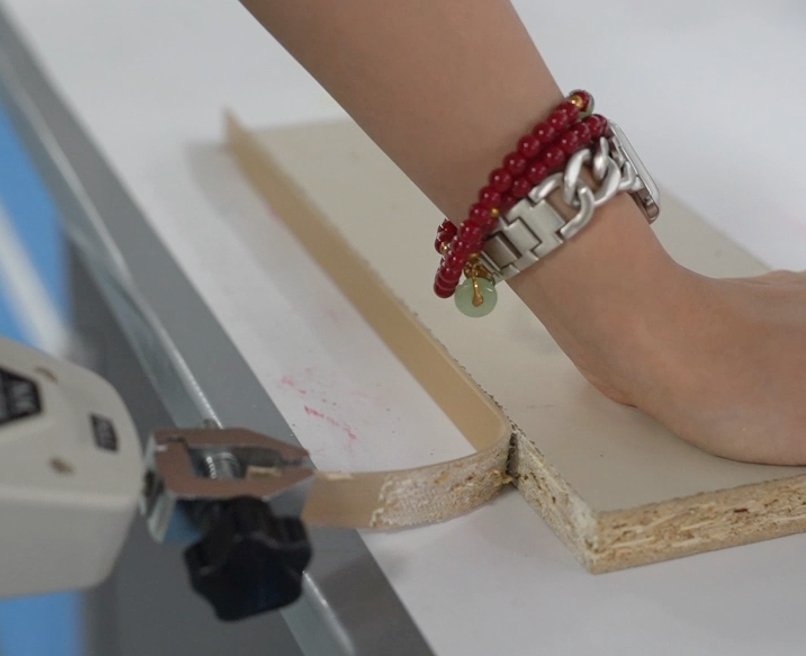
If inks or topcoats do not adhere, they flake or scratch. Poor curing or wrong primer causes adhesion failure. I run adhesion and rub tests in the lab before shipping printed edgeband.
Quick root-cause table
| Defect | Probable causes | First checks |
|---|---|---|
| Bubbles/blisters | Moisture, gases, overheating | Dry resin, check temps |
| Color shift | Masterbatch lot, pigment dispersion | Compare lab samples |
| Die lines | Die build-up, wrong speed | Inspect/clean die |
| Thickness variation | Die lip, traction | Measure die gap, puller |
| Curling/warping | Cooling imbalance | Check water flow, speed |
How Process Control and Equipment Maintenance Prevent Production Defects?
Pain: Poor maintenance shows up as defects later.
Agitate: Unexpected stops ruin daily output.
Solve: I enforce simple control and maintenance rules to prevent most defects.
Regular die cleaning, screw and barrel maintenance, locked process setpoints, and good lot control for materials cut defect rates dramatically.
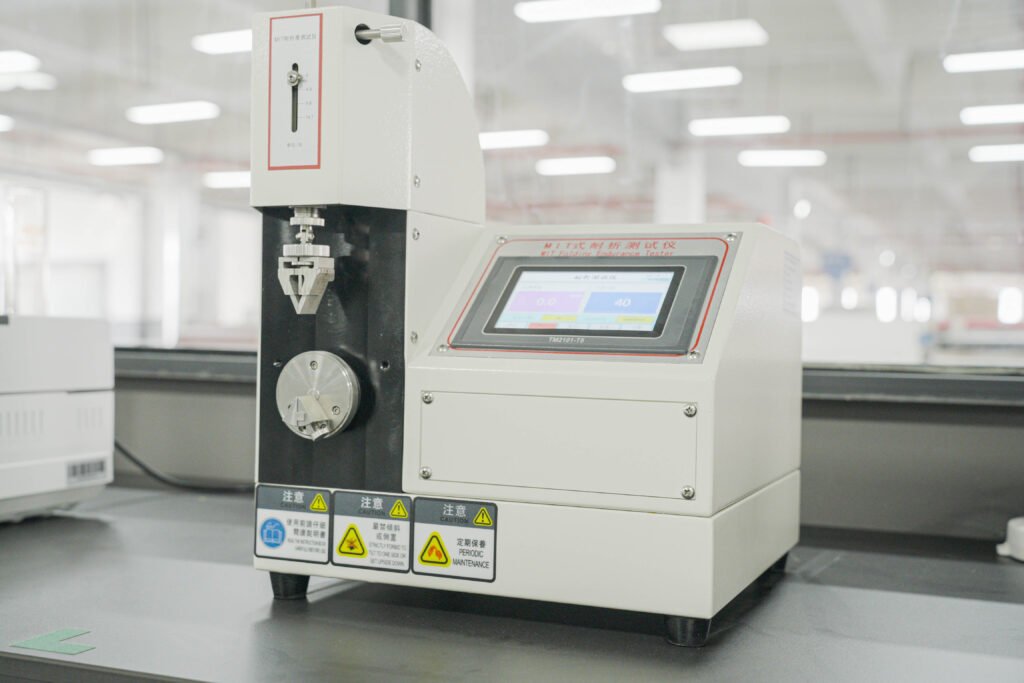
Daily and weekly checks I run
I check temperatures and log them at each shift. I inspect the die for shiny build-up and clean when needed. I verify masterbatch feed and weigh supply hoppers. I check cooling water flow and temperatures. I run a quick sample every hour for visual checks.
Preventive schedules
I follow preventive tasks by hours or shifts. I clean the screw and barrel on a planned cycle. I change gearbox oil and bearings per supplier intervals. I record maintenance actions and parts replaced. These records show trends before a breakdown.
Controls and automation
I lock critical process settings in the PLC. I use alarms for out-of-range temperatures and puller speed. I use recipe management for color runs. When a setting drifts, the line stops and the team troubleshoots.
Training and accountability
I train operators on visual checks and first fixes. I assign one person each shift to own the quality log. This clear ownership makes follow-up fast and precise.
Quality Inspection Methods for Detecting Defects Early?
Pain: Visual checks alone miss hidden problems.
Agitate: Customers notice what we missed.
Solve: I combine instruments and fast checks to catch defects early.
I use spectrophotometers for color, thickness gauges for profile, gloss meters for finish, and simple visual/rub tests for adhesion. I also sample hourly and keep traceable logs.
Lab-grade tools I recommend
- Spectrophotometer (D65, 2° or instrument spec). Use ΔE to compare to the master sample.
- Thickness gauge or micrometer for cross and axial checks.
- Gloss meter for surface finish at required angles.
- Adhesion tape and rub tests for printed surfaces.
Inline and visual checkpoints
I run an operator visual every 15–30 minutes. I measure thickness at start, middle, and end of each spool. I measure color on the first, middle, and last rolls for long runs. I grade any outlier and save samples for lab review.
Data logging and SPC
I use simple SPC charts for thickness and ΔE. If a trend shows movement, I act before the product fails. This practice reduces customer complaints and cutbacks.
Example inspection table
| Test | Frequency | Tool | Accept/Reject |
|---|---|---|---|
| Color ΔE | Hourly or per roll | Spectrophotometer | Against master ΔE limit |
| Thickness | Start/mid/end roll | Micrometer | ± spec tolerance |
| Surface gloss | Per shift | Gloss meter | Within gloss spec |
| Adhesion | On printed lots | Tape test | No flake or lift |
Building a Defect-Free PVC Edgeband Production Workflow?
Pain: Random checks do not sustain quality.
Agitate: Without a system, defects return.
Solve: I create a clear workflow from raw material to packed roll.
A defect-free workflow has raw material acceptance, pre-run trials, inline controls, scheduled maintenance, and documented inspections tied to lot numbers.
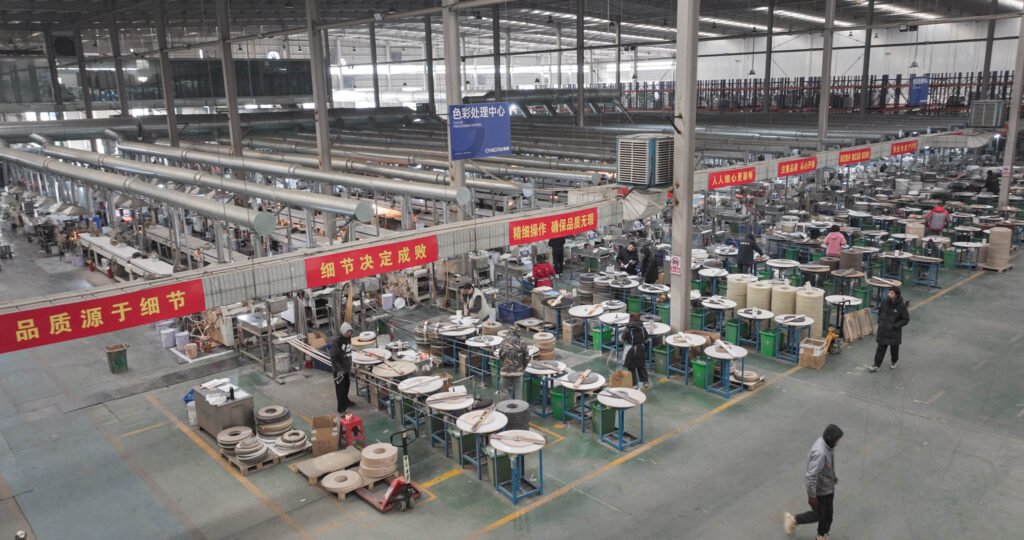
Steps I include in the workflow
- Incoming materials: verify certificates, dry resin if needed, and sample masterbatch.
- Pre-run setup: load the recipe, run a short pre-extrusion sample, measure color and thickness.
- Production: hourly sampling, SPC charts, and maintenance checks during breaks.
- Post-run: measure final roll, attach QC label with lot and measurements.
- Packing and shipping: visual check, protective film, and correct labeling.
Documentation and Customer agreements
I add quality specs to customer orders. I include ΔE targets, thickness tolerance, gloss range, and acceptance method. Signed agreements prevent disputes later and speed resolution if issues arise.
Continuous improvement
I review defect logs monthly. I analyze root causes and run trials to reduce repeat issues. I share findings with suppliers when material quality causes problems. This loop raises overall quality and lowers cost.
Conclusion
I stop defects by standard checks, maintained equipment, and clear inspection. This saves time, money, and customer trust.
Data sources and references
- JWELL Group — PVC edge banding extrusion line production problems and solutions. https://www.jwell-group.com/blog/PVC-edge-banding-extrusion-line-production-problems-and-solutions/ (jwell-group.com)
- UPlastech — Top Plastic Extrusion Defects & How to Address Them. https://uplastech.com/common-defects-in-plastic-extrusions/ (uplastech.com)
- Chem-Trend (India) — Common Extrusion Defects & How to Resolve Them. https://in.chemtrend.com/news/common-extrusion-defects-how-to-resolve-them/ (in.chemtrend.com)
- Nordson — Extrusion Die Cleaning & Maintenance. https://www.nordson.com/en/about-us/nordson-blog/polymer-processing-systems-blogs/2023-04-06-cleaning-your-extrusion-die (nordson.com)
- PVC Decorative Film — What Quality Checks Define Our 1mm PVC Edge Banding? https://pvcdecorativefilm.com/id/what-quality-checks-define-our-1mm-pvc-edge-banding/ (pvcdecorativefilm.com)