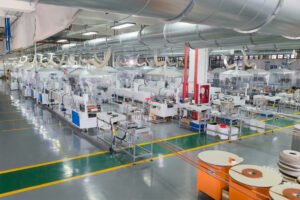

I used to chase the lowest unit price. I learned the hard way that price alone hides many costs and risks. (PAS: problem, agitation, solution — short.)
Choosing between local and China suppliers means weighing unit price, lead time, shipping, compliance and hidden costs. The most cost-effective choice depends on order size, risk tolerance, and your lead-time needs.

I want you to make better choices. I will walk through the real cost factors. I will show where China wins and where local suppliers win. I will give practical checks you can use today.
What cost factors matter most when comparing local and China PVC edge banding suppliers?
I once picked a cheap overseas reel and paid three times more later. That taught me to list every cost clearly.
The key cost factors are purchase price, shipping, duties, inventory carrying, quality failure costs, and hidden fees like testing or rework.

Dive deeper: break down the real cost picture
I divide costs into direct and indirect. Direct costs are easy. Indirect costs hide in operations.
Direct costs
- Unit price. This is the quoted price per meter. China often gives lower unit price on large orders because of scale.
- Freight and insurance. Ocean freight varies. Drewry’s container indices show big swings. You must add freight per 40ft container to per-meter cost. (See sources.)
- Customs duties and VAT. Different markets apply different duties. These add to landed cost.
Indirect costs
- Lead time costs. Longer lead times mean higher inventory. I calculate holding cost as annual carrying rate × inventory value. Long shipments inflate working capital needs.
- Quality failure costs. Rejected rolls, production stops, claims handling, and scrap add up. These costs often exceed small unit savings.
- Hidden testing and certification. Some buyers must pay lab tests or certifications. These are often one-time but significant.
- Communication and oversight. Time spent chasing suppliers, ordering replacements, quality inspections, and travel adds labor cost.
| Cost category | Local supplier | China supplier |
|---|---|---|
| Unit price | Higher | Lower (esp. large scale) |
| Freight per order | Low | Higher (ocean/air) |
| Lead time | Short | Long |
| Inventory carrying | Low | Higher |
| Quality risk | Lower (nearby control) | Higher (unless vetted) |
| Hidden compliance cost | Lower (local regs) | Potentially higher |
I use a simple formula to compare: landed unit cost = unit price + (freight + duties)/units + expected quality cost per unit + inventory carrying per unit. This gives a real bottom line. In many cases China wins on landed cost for large, repetitive orders. Local suppliers can win when lead time, small batches, or higher service matters.
How do local PVC edge banding suppliers perform in price, lead time, and flexibility?
I once switched to a local supplier for a rush job and avoided a six-week delay. Flexibility can be decisive.
Local suppliers usually charge more per meter. They give shorter lead times and more flexibility on small runs and urgent changes.
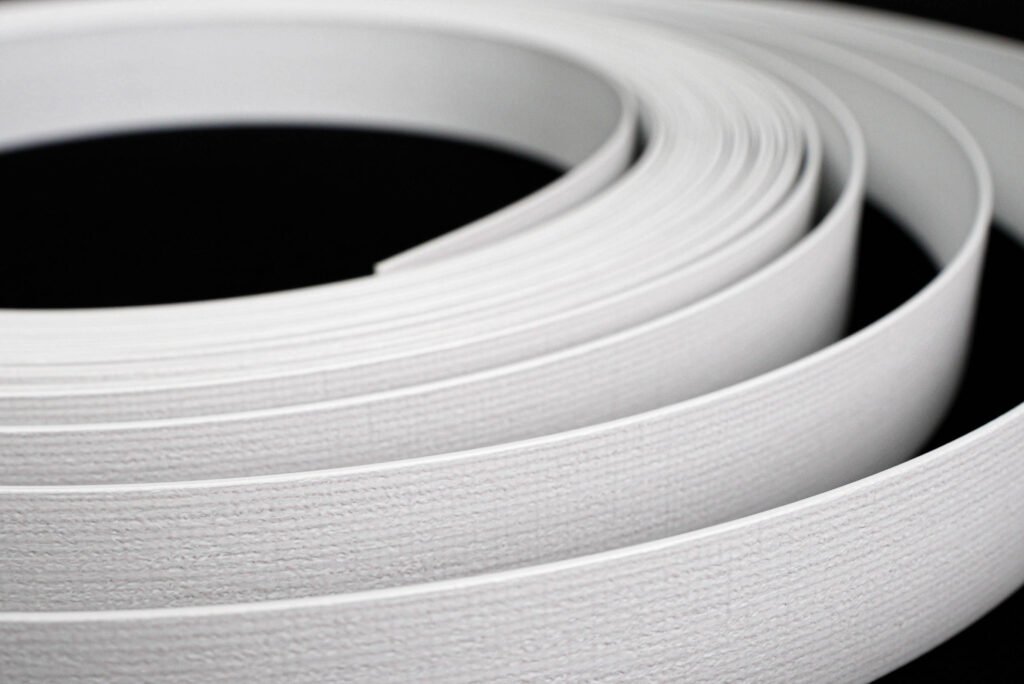
Dive deeper: price vs speed vs flexibility — the trade-offs
I always map scenarios where speed matters. For urgent restocks or custom colors, local suppliers win. For steady, high-volume SKUs, China often wins.
Lead time and responsiveness
Local suppliers often deliver in days or a week. I can walk into the factory. I can approve pre-production samples quickly. This saves time when designs change.
Small batches and custom colors
Local shops accept small MOQ (minimum order quantity). They can do short, mixed runs. China suppliers may require larger MOQ to justify setup. That raises per-order inventory.
Price comparison
Local price tends to be higher. But higher price can hide savings:
- Less freight.
- Less safety stock.
- Lower risk of production stoppage.
Quality and control
I can inspect local production easily. I can fix process issues in person. With overseas suppliers I rely on third-party inspections. That adds cost and coordination. Quality failures in mass production overseas cost more because of shipping time and replacement cost.
| Factor | When local wins | When China may still win |
|---|---|---|
| Urgent orders | Always | Rarely |
| Small MOQ/custom runs | Often | Often no |
| Price for large volume | Rarely | Often |
| On-site control | Yes | No |
In short, local suppliers are the right choice for agility and lower operational risk. I recommend detailed cost modeling before deciding.
How do China PVC edge banding suppliers reduce unit costs through scale and production efficiency?
I visited factories that run 24/7. The volume and automation cut unit costs in ways small factories can’t match.
China suppliers lower per-unit cost with scale, vertical supply, and cluster efficiencies. They also offer many color and pattern options due to volume production.
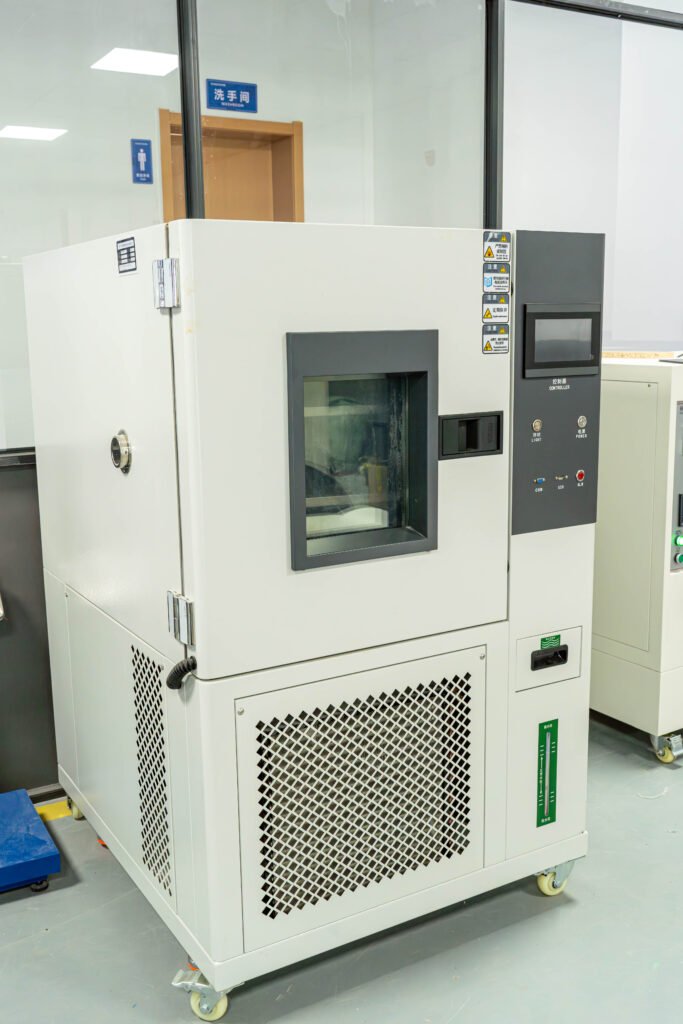
Dive deeper: scale economics, cluster benefits, and supply integration
China still leads in PVC edge banding clusters. These clusters give suppliers access to local material suppliers, machine makers, and logistics. I note several key mechanisms:
Economies of scale
- Raw material buying power. Large Chinese plants buy PVC resin, stabilizers, and pigments in bulk. This reduces raw material cost per kg.
- Continuous production. Long runs reduce changeover time and waste.
- Automation. More automated lines lower labor per meter produced.
Vertical and horizontal integration
- Nearby chemical suppliers. Proximity lowers inbound cost and shortens replenishment cycles.
- Machine suppliers and maintenance. Faster repairs and spare parts availability reduce downtime.
- Export logistics. Major ports and freight forwarders nearby simplify export processes.
Design range and tooling
China suppliers often offer many stock colors and wood grains. They amortize tooling across many customers. That reduces per-order tooling cost.
Risks to watch
- Quality variance across factories. Not every factory keeps the same standards. I always ask for certificates and QC reports.
- Freight volatility. Drewry and other indices show freight costs can swing, which affects landed unit cost. Ship rate spikes can erase the raw material savings.
| China advantage | Why it lowers cost |
|---|---|
| Bulk raw materials | Lower per-kg price |
| Long production runs | Lower waste per unit |
| Local chemical cluster | Lower inbound cost |
| Export infrastructure | Predictable shipping (most times) |
When I model sourcing, I include a buffer for freight and quality risk. Even with a low FOB price, risks can turn a cheap-looking quote into an expensive problem.
What key risks and hidden costs must buyers evaluate before choosing a supplier?
I had one shipment stopped by customs for lab tests. I lost sales and paid extra fees. These are avoidable if you check earlier.
Hidden costs include testing, non-compliant materials, longer customs clearance, and communication failures. You should plan for them.

Dive deeper: list of red flags and how to quantify hidden costs
I make a checklist before ordering. This helps me quantify risk and add it to the landed cost.
Compliance and testing
- Regulations. Some markets restrict certain phthalates or require formaldehyde limits. Check local laws.
- Testing cost. Lab tests can cost hundreds to thousands per batch. If a shipment fails, retest and rework multiply costs.
Customs and duties
- Incorrect HS codes. Mis-declared codes can cause extra duties and fines.
- Documentation errors. Missing or wrong certificates cause delays and storage charges.
Quality and rework
- Surface defects or color mismatch. Rejected production often must be remade. Add remake cost plus second freight.
- Adhesion failures. If edge band peels during assembly, you pay assembly downtime and replacements.
Logistics and port risk
- Port congestion. This can add days or weeks. Drewry and other freight trackers show volatility.
- Container mishandling. Damage in transit is a real cost.
Communication risk
- Language gaps and time zones. These cause missed details and wrong specs. I allocate a small management cost per order for oversight.
| Hidden cost | Typical impact |
|---|---|
| Lab testing & certification | $200–$2,000 per batch |
| Failed batch remake | 10–30% of order value |
| Port delay / detention | $500–$5,000 per container |
| Documentation errors | Delay + fines |
I always add a contingency line in my cost model. This protects me from surprise losses.
How do I decide which supplier type is more cost-effective for my business model?
I run a simple decision test before every supplier choice. It saves me money and time.
For large stable SKUs with predictable volumes, China often wins on landed cost. For urgent, small-batch, or high-mix operations, local suppliers may be more cost-effective.
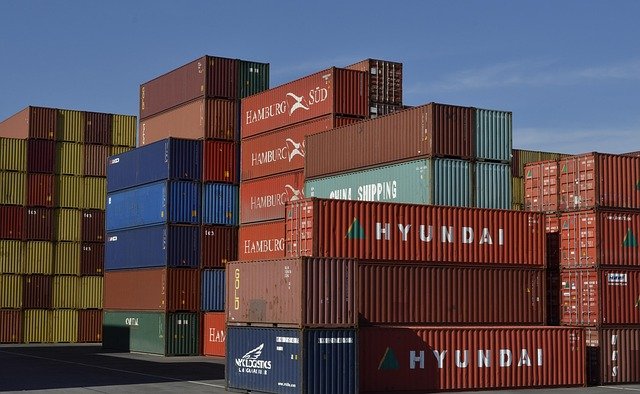
Dive deeper: practical decision framework and checks
I use a four-step framework: volume, lead time sensitivity, risk tolerance, and total landed cost.
Step 1 — Volume and frequency
- If I buy >10,000 meters per SKU per order regularly, I favor China.
- For <1,000 meters per SKU, local usually makes more sense.
Step 2 — Lead time sensitivity
- If I need a 7–14 day replenishment, local is better.
- If I can hold 8–12 weeks safety stock, overseas supply can work.
Step 3 — Risk tolerance and cost of failure
- If a failure costs me lost customers or production halt, prefer local control.
- If I can absorb delays without big losses, consider China.
Step 4 — Full landed cost comparison
I plug these items into my spreadsheet:
- FOB price
- Freight per container / units
- Duties and taxes
- Inventory carrying cost (days × value × carrying rate)
- Expected quality failure cost per unit
- Inspection and certification costs
- Management and communication overhead
If China’s landed cost remains lower after all these, I vet the factory thoroughly. I ask for:
- Factory audit or third-party inspection report.
- Sample testing reports.
- On-time delivery track record.
- References from other buyers.
Final checks
I negotiate trial orders with clear acceptance criteria. I use incoterms that fit my control preference. I prefer CIF or DDP only when I trust the forwarder and factory.
Conclusion
I balance price, time, and risk. I run numbers and test suppliers before big orders.
Data sources and references
- Drewry — World Container Index and container shipping analysis. https://www.drewry.co.uk/ (drewry.co.uk)
- China Briefing — China manufacturing tracker 2024–25. https://www.china-briefing.com/news/china-manufacturing-industry-tracker-2024-25/ (China Briefing)
- EU Official Journal — Regulation on PVC imports and provisional measures. https://eur-lex.europa.eu/eli/reg_impl/2024/1896/oj/eng (EUR-Lex)
- Import PVC Edge Banding from China — buyer guide (industry resource). https://www.chinaedgebanding.com/import-pvc-edge-banding-from-china/ (chinaedgebanding.com)
- Best In Group — practical guide “Buy Edge Banding from China — Ultimate Guide.” https://www.bestingroup.com/buy-edge-banding-from-china-ultimate-guide/ (bestingroup.com)