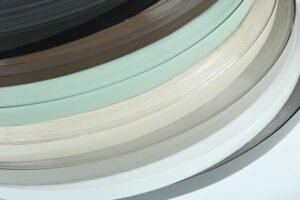
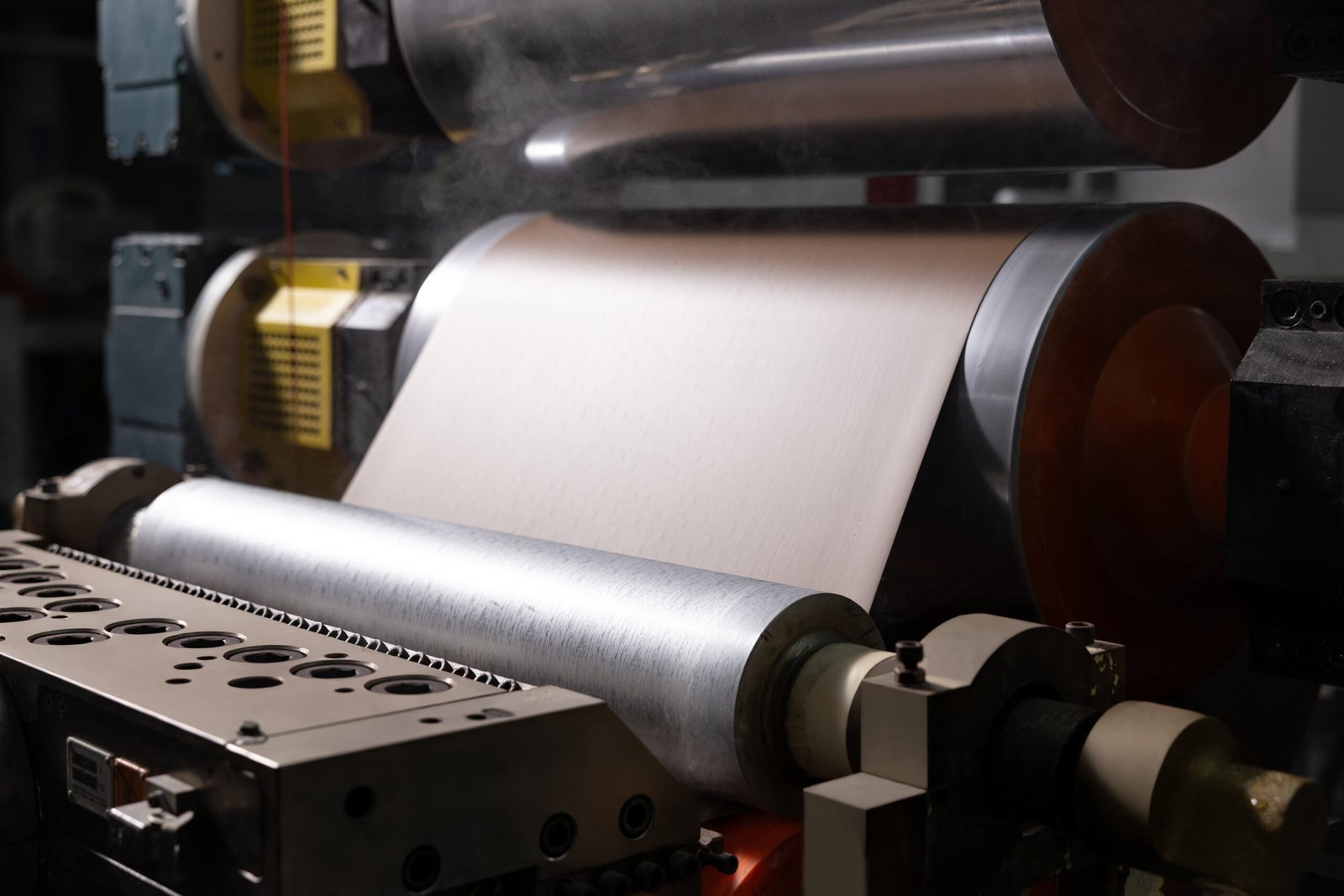
PVC edgeband is everywhere in furniture production, but many distributors overlook key specs. Choosing the wrong product can cause costly mistakes.
Understanding core PVC edgeband specifications helps distributors ensure consistent quality, reduce waste, and maintain customer satisfaction when placing bulk orders.
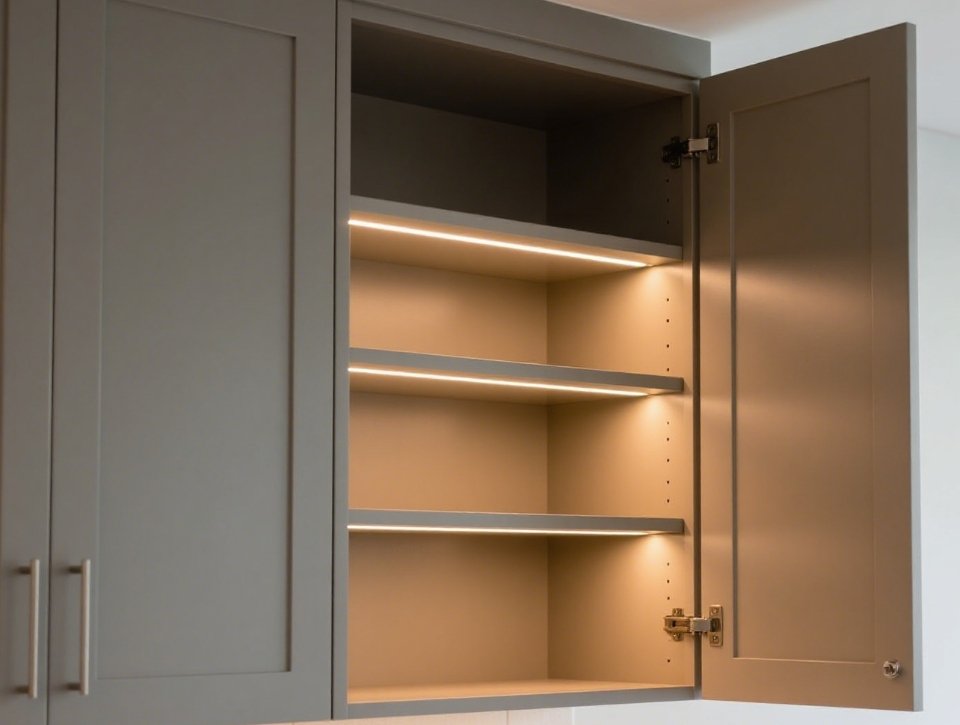
Distributors often assume all PVC edgebands are the same. In reality, small differences in thickness, color, and material formulation affect furniture quality. Let’s break down the specifications you need to check.
What Core PVC Edgeband Specifications Matter Most for Distributors?
Many distributors struggle with inconsistent quality. Choosing the wrong specifications leads to rejected orders, wasted materials, and unhappy clients.
Core specifications include thickness, width, surface finish, color accuracy, material composition, and adhesion properties. These define performance and compatibility with furniture panels.
Dive Deeper: Understanding the Basics
Distributors should focus on:
| Specification | Why It Matters | Recommended Standard |
|---|---|---|
| Thickness | Affects edge durability and panel alignment | ±0.1mm tolerance |
| Width | Ensures full panel coverage without trimming | Match panel width ±1mm |
| Color & Gloss | Maintains aesthetic consistency | ΔE ≤ 2 for color, gloss ±5% |
| Material Type | Impacts flexibility, impact resistance | Pure PVC with UV stabilizers |
| Adhesive System | Determines bonding strength | Hot-melt EVA or PUR, tested to 25N/cm |
These specifications determine whether an edgeband can withstand cutting, shaping, and long-term use. I once saw a bulk order fail because the distributor ignored width tolerance. The edges didn’t cover panels properly, causing returns and extra costs. Attention to detail prevents similar mistakes.
How Thickness, Width, and Tolerance Affect Final Furniture Quality?
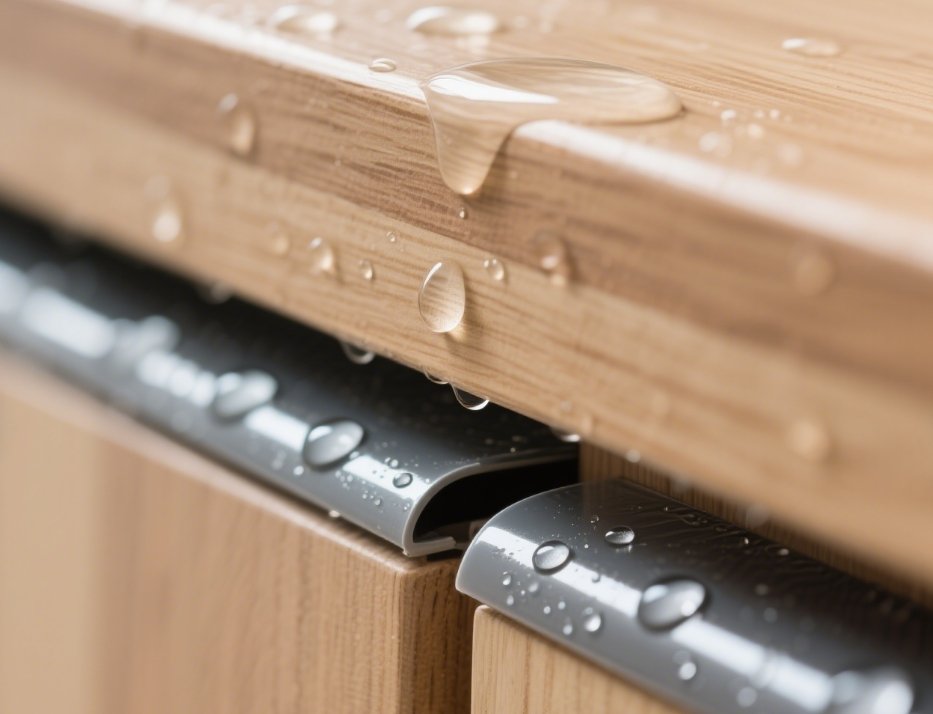
Incorrect dimensions cause gaps, uneven surfaces, and weak edges. Distributors often underestimate how small deviations impact finished furniture.
Maintaining strict tolerances ensures clean edges, reduces labor during installation, and prevents post-assembly failures.
Dive Deeper: Dimensional Accuracy
- Thickness: Too thick leads to misalignment with panel surface; too thin causes weak edges.
- Width: Edgeband must slightly overlap the panel edge without excessive trimming.
- Tolerance: ±0.05–0.1mm is ideal for high-quality furniture.
| Parameter | Impact | Tip |
|---|---|---|
| Thickness | Strength and panel fit | Verify with micrometer |
| Width | Full edge coverage | Measure before bulk order |
| Straightness | Installation ease | Roll out sample, check bowing |
Ensuring precise dimensions saves labor and material waste. I recommend requesting sample batches and measuring multiple points along the roll. Many distributors skip this step and face assembly problems.
Why Color Matching, Gloss Level, and Texture Are Critical in Large Orders?
Distributors often see color and gloss as minor issues. But mismatched edges reduce furniture appeal and client satisfaction.
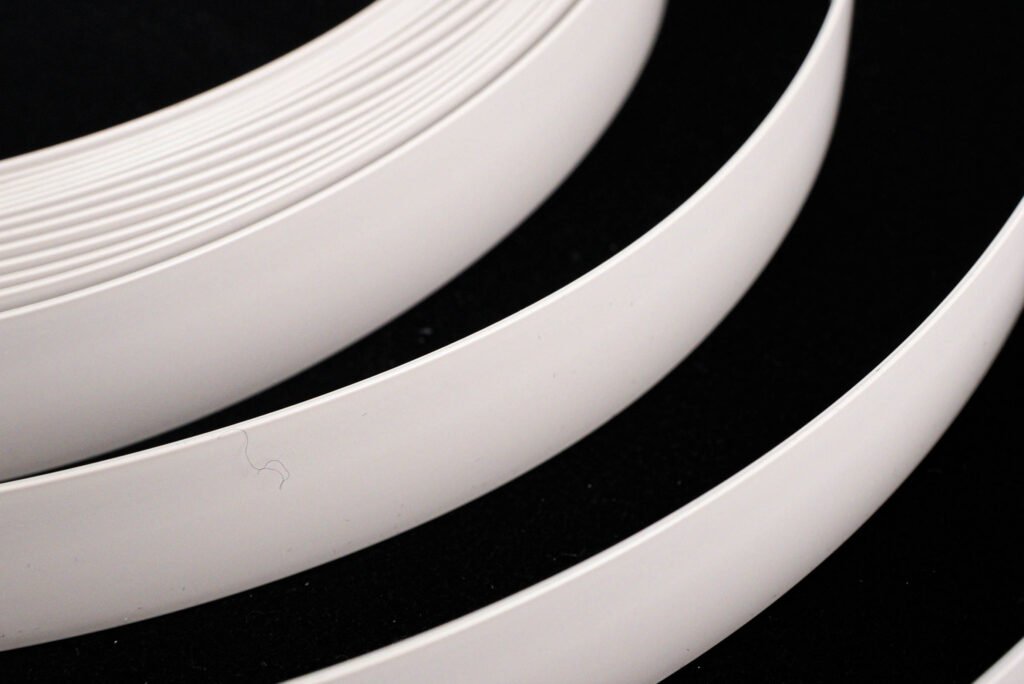
Accurate color, consistent gloss, and matching textures ensure uniformity across panels, avoiding complaints and returns.
Dive Deeper: Visual Consistency
- Color Matching: ΔE ≤ 2 is industry standard. Use spectrophotometer testing.
- Gloss Level: Measured at 60° angle; variations should not exceed ±5%.
- Texture: Smooth, matte, or wood-grain finishes must match panel surfaces.
| Feature | Why It Matters | Check Method |
|---|---|---|
| Color | Aesthetic uniformity | Spectrophotometer |
| Gloss | Reflective consistency | Gloss meter |
| Texture | Tactile and visual quality | Manual inspection |
Even if a PVC roll has perfect dimensions, mismatched color or texture can ruin the product. I once handled a 5000-meter order where gloss varied, causing the client to reject half the shipment.
How Material Formulation and Additives Impact Durability and Long-Term Stability?
Not all PVC edgebands are chemically identical. Additives affect flexibility, UV resistance, and heat tolerance.
Understanding formulation ensures edges resist cracking, yellowing, and warping over time.

Dive Deeper: Material Science
- Plasticizers: Improve flexibility; excess leads to softness and surface deformation.
- UV Stabilizers: Prevent yellowing under sunlight or indoor lighting.
- Impact Modifiers: Increase resistance to dents and scratches.
| Component | Role | Effect on Furniture |
|---|---|---|
| PVC Resin | Base material | Strength and rigidity |
| Plasticizer | Flexibility | Proper edge bending |
| UV Stabilizer | Color stability | Long-term aesthetics |
| Additives | Surface finish | Scratch and heat resistance |
I learned that one supplier’s PVC lacked UV stabilizers. After three months, showroom furniture edges yellowed, affecting resale value. Material formulation is not optional; it is critical for distributors.
What Testing Standards Distributors Should Require Before Bulk Production?
Skipping quality testing leads to costly recalls and damaged reputation. Many distributors assume suppliers handle it, but verification is essential.
Distributors should request standard testing for adhesion, flexibility, color, and surface durability before approving large orders.

Dive Deeper: Recommended Quality Tests
- Adhesion Test: Pull strength ≥25N/cm
- Flexibility Test: No cracks at 180° bend
- Color Consistency: ΔE ≤ 2 across multiple rolls
- Heat Resistance: ≥80°C without warping
| Test | Standard | Measurement Tool |
|---|---|---|
| Adhesion | ISO 2409 | Pull tester |
| Flexibility | EN 438 | Manual bend |
| Color | ΔE ≤ 2 | Spectrophotometer |
| Heat | ≥80°C | Oven test |
Requesting test reports protects against defective shipments. I always review reports for each production batch, even from trusted suppliers. It prevents surprises and builds confidence with clients.
Conclusion
Distributors who understand PVC edgeband specifications save costs, maintain quality, and ensure customer satisfaction. Testing and verification are essential steps.
Data Sources:
- ISO 2409 – Paints and varnishes – Cross-cut test: https://www.iso.org/standard/44614.html
- EN 438 – High-pressure decorative laminates: https://standards.iteh.ai/catalog/standards/cen/8b71c7a2-48f3-4f68-88d0-34c4e3d14b32/en-438
- ASTM D5026 – Pull-off adhesion test: https://www.astm.org/d5026-15.html