
Many furniture brands focus on unit price. They often ignore how order volume shapes both cost and quality. I have seen small order habits slowly damage margins and consistency.
Bulk edge banding orders reduce unit cost and improve quality stability because production, material control, and color consistency work better at scale. This affects price, performance, and long-term reliability.

If you only compare prices per meter, you miss the full picture. Order structure changes how suppliers produce, control quality, and prioritize your business. This is where real differences begin.
How Bulk Edge Banding Orders Influence Unit Pricing and Cost Structure?
Small orders feel flexible. But they often cost more than brands expect. Bulk orders change the entire cost structure behind edge banding production.
When volume increases, suppliers can plan better. This lowers unit price in several clear ways.

How pricing really works in edge banding production
Edge banding price is not only about raw material. I always break it into parts.
| Cost Element | Impact on Unit Price |
|---|---|
| Raw PVC or ABS | Stable at scale |
| Color compounding | Lower loss in bulk |
| Machine setup | Spread across volume |
| Labor | More efficient runs |
| Quality inspection | Fewer interruptions |
When orders are small, setup cost stays high. When orders grow, this cost spreads out.
Why small orders stay expensive
Every new color or texture needs setup. This includes color matching, extrusion adjustment, and test runs. For small orders, this setup cost is carried by very few meters.
I have seen cases where setup cost was higher than material cost. That never shows on the quotation sheet.
What bulk pricing really gives brands
Bulk orders do not only lower price. They give predictability.
- Stable quotations
- Fewer price changes
- Clear lead times
This helps brands plan margins and delivery promises. In my view, pricing stability matters more than small price cuts.
Why Larger Order Volumes Can Improve Edge Banding Quality Consistency?
Quality is not only about inspection. It starts with how materials are produced. Larger volumes improve quality in very practical ways.
When suppliers run longer production batches, variation drops.

Batch size and quality control
Quality variation often comes from frequent stops and changes.
| Production Factor | Small Orders | Bulk Orders |
|---|---|---|
| Batch length | Short | Long |
| Color deviation risk | High | Low |
| Thickness stability | Unstable | Stable |
| Operator adjustment | Frequent | Minimal |
Long runs allow machines to reach stable conditions. This improves output quality.
Material behavior at scale
PVC and ABS behave better in continuous runs. Temperature, pressure, and speed stay stable. This reduces internal stress and surface defects.
I have visited factories where bulk orders showed almost zero rejection rates. Small mixed orders had constant issues.
My view on quality predictability
Brands want the same result every time. Bulk orders make that possible. Consistency does not come from more inspection. It comes from stable production conditions.
This is why volume and quality are closely linked in edge banding.
The Quality Risks Furniture Brands Face with Low-Volume or Fragmented Orders?
Low-volume orders feel safe. But they hide quality risks that show up later. I have seen these risks damage customer trust.
Fragmented orders force suppliers to rush and adjust too often.

Common risks in low-volume sourcing
Small orders increase variability.
| Risk | Real Impact |
|---|---|
| Color mismatch | Visible defects |
| Gloss variation | Inconsistent finish |
| Weak adhesion | Peeling edges |
| Thickness deviation | Machine issues |
These issues rarely appear in samples. They appear in mass production.
Why suppliers struggle with fragmented demand
Suppliers prioritize large, stable clients. Small orders are often fitted between other runs. This increases human error and reduces control.
I do not blame factories for this. It is how production works.
Long-term damage to brands
When quality problems repeat, brands react.
- More inspections
- More rework
- More customer complaints
This adds cost and stress. It also weakens brand image. Low-volume sourcing feels flexible, but it often reduces control.
How Bulk Purchasing Helps Stabilize Color Matching and Material Performance?
Color matching is one of the hardest parts of edge banding. Bulk purchasing makes it easier and more stable.
Color stability depends on material consistency and production rhythm.

Why color changes happen
Color changes come from small variations.
| Cause | Effect |
|---|---|
| Different raw batches | Shade shift |
| Short runs | Incomplete mixing |
| Frequent stops | Tone inconsistency |
| Operator adjustment | Human error |
Bulk orders reduce these causes.
Material performance beyond color
Bulk runs also improve physical performance.
- Better impact resistance
- More stable flexibility
- Stronger bonding with glue
These traits affect durability over time, not just appearance.
My experience with color stability
I once worked with a brand that ordered one color every month in small volume. Each batch looked slightly different. Complaints followed.
When they switched to bulk quarterly orders, complaints stopped. The product did not change. The order structure did.
How Furniture Brands Can Balance Bulk Orders with Flexible Inventory Planning?
Bulk orders raise one concern. Inventory risk. I understand this well. Balance is possible with planning.
Bulk does not mean blind stocking.
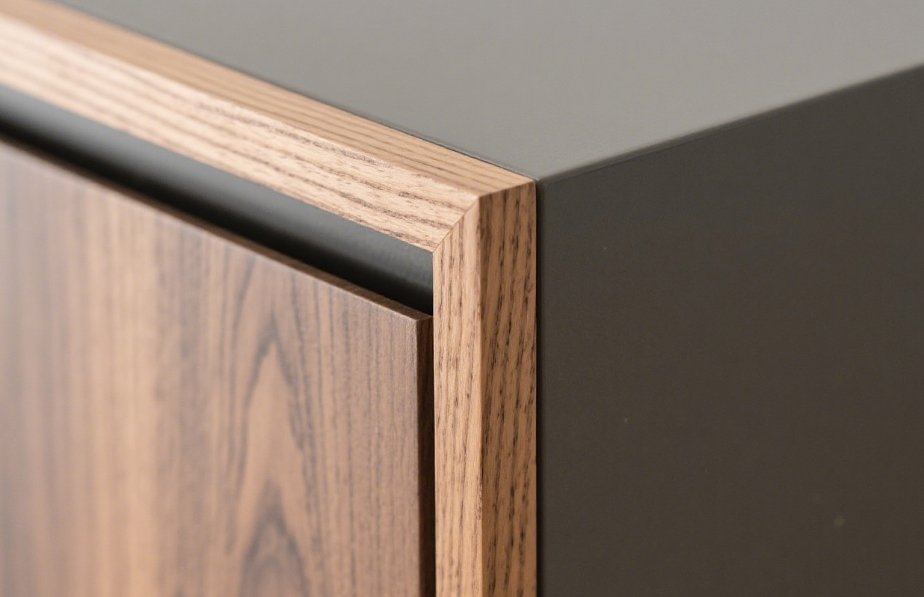
Segmenting edge banding SKUs
Not all SKUs need the same strategy.
| SKU Type | Order Strategy |
|---|---|
| Core colors | Bulk orders |
| High runners | Long-term contracts |
| Project colors | Controlled batches |
| Test colors | Small trials |
This keeps inventory flexible.
Simple planning methods I trust
I prefer basic rules.
- Lock annual demand for core colors
- Review usage quarterly
- Keep safety stock for top SKUs
- Avoid mixing suppliers for one color
These steps reduce risk.
Why balance beats extremes
Pure bulk without planning creates waste. Pure flexibility creates instability. The balance point depends on data, not instinct.
Furniture brands that plan volume smartly gain lower cost, better quality, and safer inventory.
Conclusion
Bulk edge banding orders shape both price and quality. I see volume strategy as a key sourcing decision, not a simple buying choice.
Data Sources
- Grand View Research – Edge Banding Market Size and Trends
https://www.grandviewresearch.com/industry-analysis/edge-banding-market - Statista – Furniture Manufacturing and Material Cost Data
https://www.statista.com/markets/424/topic/490/furniture/ - Woodworking Network – Edge Banding Production and Quality Insights
https://www.woodworkingnetwork.com