Slow-moving edge banding inventory can quietly reduce a distributor’s profits. Unsold colors, outdated designs, and excess stock tie up cash that could support faster-selling products.
Distributors can reduce losses from slow-moving edge banding by tracking inventory age, adjusting purchasing quantities, promoting excess stock, and negotiating flexible supply terms. The key is to act early before products lose market value.
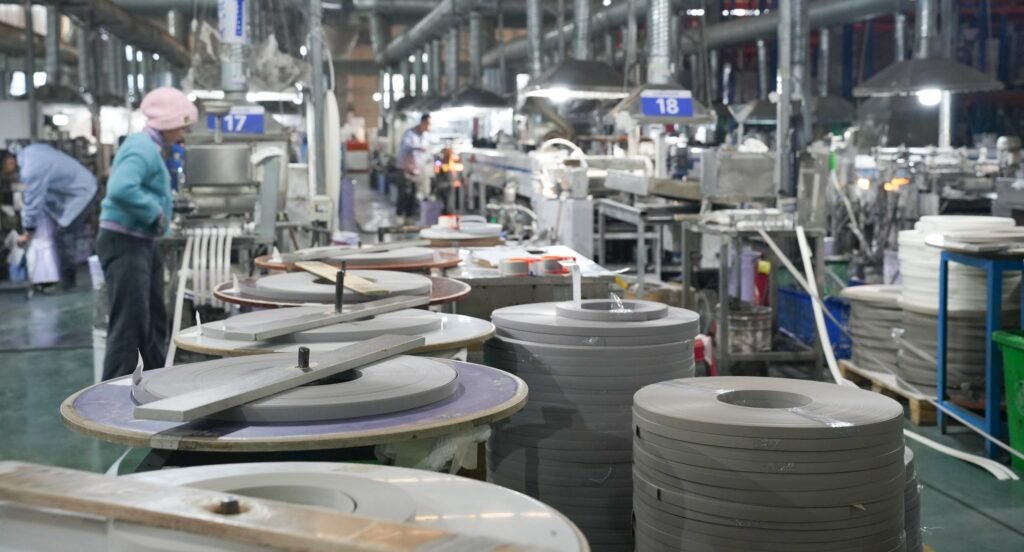
In my experience, inventory management is not simply about keeping enough products in the warehouse. It is about keeping the right products in the right quantities. This is especially important for edge banding distributors because customers often request different colors, thicknesses, widths, and surface finishes. A distributor may have thousands of rolls in stock, but some of them may not match current customer demand. I believe the biggest inventory mistake is treating every product as equally valuable. A popular white PVC edge banding and a special woodgrain design should not follow the same purchasing plan. In this article, I will explain how I identify slow-moving products, how I sell excess inventory, and how I reduce the risk of making the same purchasing mistake again.
Why Do Edge Banding Products Become Slow-Moving Inventory?
Many distributors believe slow-moving inventory is caused by weak sales. However, I think the problem often starts much earlier, during product selection and purchasing.
A product may sell well when it first enters the market, but customer demand can change. If distributors continue purchasing based on old sales records, they may end up with products that customers no longer need.
Do Too Many Colors and Specifications Create Inventory Pressure?
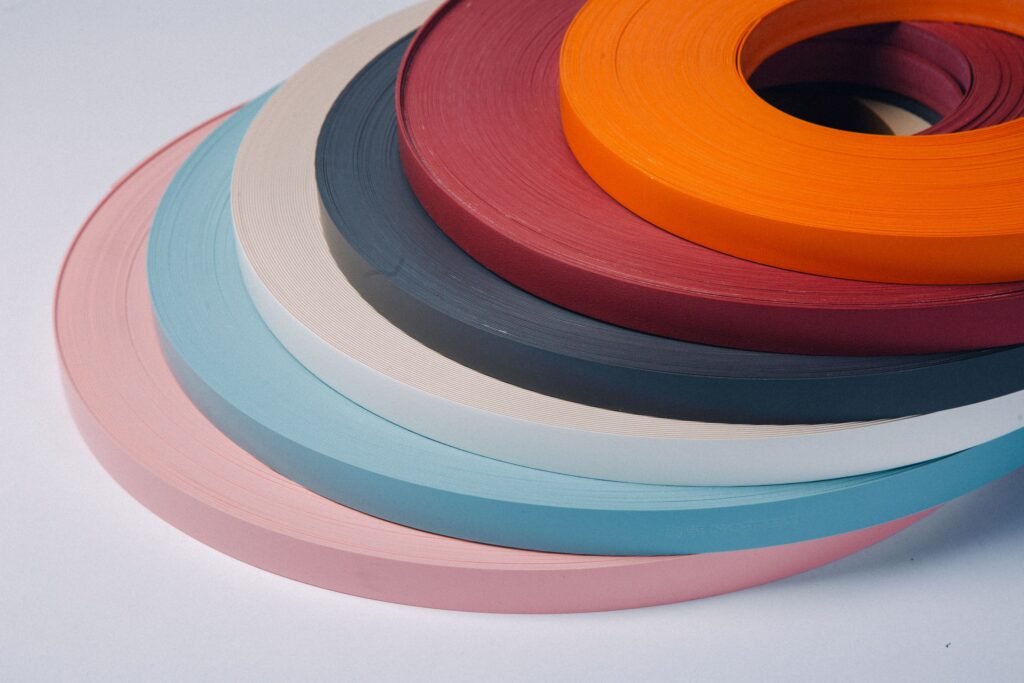
I believe product variety is one of the main reasons why edge banding distributors face inventory problems.
Furniture manufacturers use different panel brands, colors, and surface finishes. They may request matching edge banding for each panel design. This means distributors often need to maintain a wide product range to serve their customers.
However, more product choices do not always mean more sales.
For example, a distributor may purchase 20 different woodgrain designs because customers showed interest in them. After several months, only five designs may generate regular orders. The other 15 designs may remain in the warehouse.
The problem becomes more serious when each design also has different thicknesses and widths.
| Product characteristic | Possible inventory problem |
|---|---|
| Color | Some colors have limited local demand |
| Thickness | Customers may use different specifications |
| Width | Incorrect width selection can reduce usability |
| Surface finish | Special finishes may attract fewer buyers |
| Material | PVC, ABS, and other materials serve different needs |
| Custom patterns | Customized products may have limited resale potential |
I would not recommend reducing the number of colors without checking customer demand. A wide product range can help distributors win new customers. However, I would separate regular-selling products from special-order products.
For example, I would keep common white, black, and popular woodgrain designs in regular stock. I would handle unusual colors and customized patterns through smaller orders or confirmed customer demand. A clear SKU system for customer-specific edge banding makes this split much easier to control than a long unstructured color list.
This approach allows distributors to offer more choices without holding large quantities of every design.
Do Changes in Furniture Design Affect Edge Banding Demand?
Another reason for slow-moving inventory is changing furniture design.
Furniture manufacturers may update their product collections when they introduce new panel colors, textures, or surface finishes. A woodgrain pattern that was popular last year may receive fewer orders after customers move to another design.
I believe distributors should pay attention to the product development plans of their major customers.
For example, if a kitchen cabinet manufacturer plans to replace several old panel colors, the distributor should review the related edge banding inventory before the change takes place.
This is especially important for customized products. A special color may have a good sales record with one customer, but that does not mean other customers will purchase it.
I would use three questions to evaluate this risk:
- Is the customer still using the same panel design?
- Does the customer have any plan to replace or discontinue the current color?
- Can I sell the remaining edge banding to other furniture manufacturers?
The third question is very important. A product that has only one potential buyer carries more inventory risk than a standard product that serves many customers.
I would also avoid treating a temporary increase in sales as proof of long-term demand. A large furniture project can create a short-term purchasing peak. If I continue buying at the same level after the project ends, excess inventory may quickly appear.
Can Poor Purchasing Forecasts Cause Overstock?
Yes. I believe poor purchasing forecasts are one of the most avoidable causes of slow-moving inventory.
Some distributors use the previous month’s sales volume as the main reference for their next purchase. This method may work for stable products, but it can create problems when demand changes.
For example, a distributor sells 1,000 rolls of a particular design in one month because a large customer places a special order. If the distributor expects the next month to have the same demand, the purchasing quantity may be too high.
I would not use sales volume alone to decide purchasing quantities. I would also check confirmed orders, customer forecasts, current inventory, and the average sales rate over several months. Where demand swings with the building season, it also helps to plan against a forecast rather than a single peak month, as described in our guide to managing seasonal demand without overloading inventory.
I would also pay attention to the relationship between minimum order quantities and actual demand. If a supplier requires a large MOQ for a special color, I would compare the purchasing cost with the expected time needed to sell the entire batch.
How Can Distributors Identify Slow-Moving Edge Banding Products Early?
The longer a product stays in the warehouse, the harder it may become to sell it at the original price. I believe distributors should identify slow-moving products before they become dead stock.
I do not wait until the warehouse is full to review inventory. I use sales records, stock age, and inventory turnover to find products that need attention.
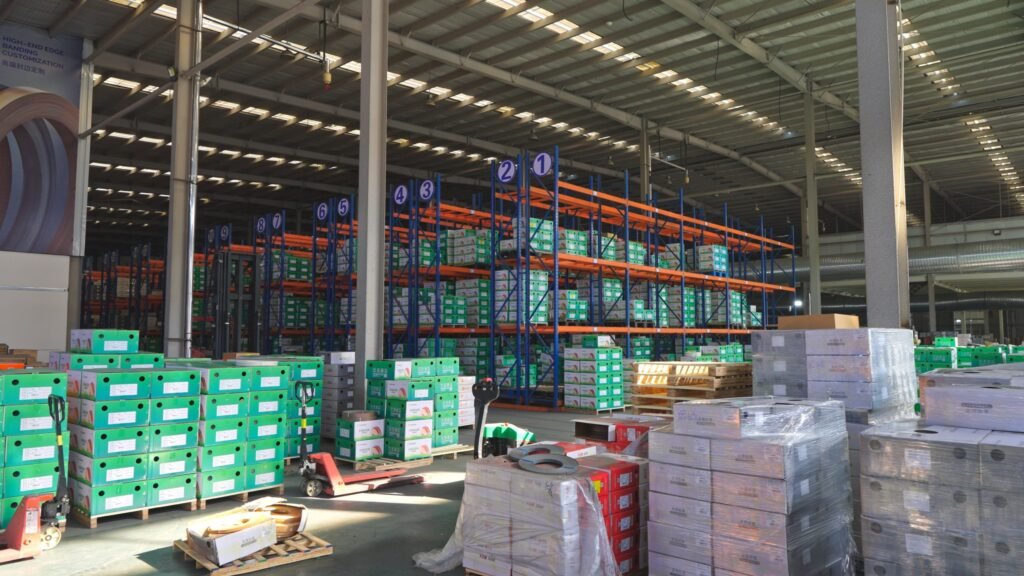
How Does Inventory Aging Help Identify Slow-Moving Products?
Inventory aging is one of the simplest methods I would use.
It shows how long each product has stayed in stock. Instead of looking at the total inventory value, I can see which colors and specifications have not sold for a long time.
For example, I may divide edge banding inventory into four groups:
| Inventory age | Suggested status | Recommended action |
|---|---|---|
| 0–30 days | New inventory | Monitor normal sales |
| 31–90 days | Regular inventory | Check sales performance |
| 91–180 days | Slow-moving risk | Start targeted promotion |
| Over 180 days | High inventory risk | Review pricing and purchasing plans |
These are suggested management intervals, not fixed industry standards. I would adjust them based on the product type and normal sales cycle.
For example, common white PVC edge banding may sell every week. A special woodgrain design may only sell once every two months. I would not use the same aging rules for both products.
I would also track the last sales date. A product with 500 rolls in stock and no sales for six months deserves more attention than a product with 1,000 rolls that sells 300 rolls every month.
How Can Inventory Turnover Reveal Sales Problems?
Inventory turnover helps me understand how quickly a distributor converts stock into sales.
I use this formula:
Inventory Turnover Ratio = Cost of Goods Sold / Average Inventory Value
Average inventory value is calculated as:
Average Inventory = (Beginning Inventory + Ending Inventory) / 2
For example, if my annual cost of goods sold is $600,000 and my average inventory value is $150,000, my inventory turnover ratio is 4.
This means my inventory turns over four times during the year.
I would also calculate days inventory outstanding:
Days Inventory Outstanding = 365 / Inventory Turnover Ratio
In this example, the result is about 91 days.
I would not compare every edge banding product against one company-wide turnover target. Different colors and specifications have different demand patterns. I would compare similar products and review their sales history.
Xero’s inventory management guide also explains how turnover and days sales of inventory can help businesses measure stock efficiency.
Should Distributors Use ABC Analysis to Manage Edge Banding Inventory?
I believe ABC analysis is useful for distributors with a large product catalog.
This method classifies products according to their annual consumption value or another chosen business measure. It helps managers decide which products need closer control.
I would use the following structure as a starting point:
| Category | Inventory characteristics | Management approach |
|---|---|---|
| A | Products with the highest annual value | Review frequently and maintain accurate stock records |
| B | Products with medium annual value | Review monthly and adjust purchasing |
| C | Products with low annual value | Limit replenishment and check demand before purchasing |
I would not automatically classify every C product as dead stock. Some low-value products may be important because they complete a customer’s color range or support a special project.
I would also combine ABC analysis with inventory aging. ABC tells me which products contribute the most value, while aging tells me how long products have stayed in stock.
For example, a high-value woodgrain design that has not sold for 180 days may need immediate action. A low-value standard color that sells regularly may not need the same level of attention.
Zoho’s inventory guide and QuickBooks both explain how ABC analysis can help businesses apply different levels of control to different inventory groups.
What Strategies Can Distributors Use to Sell Excess Edge Banding Inventory?
Finding slow-moving products is only the first step. The next question is how to sell them without damaging the business.
I would not immediately reduce the price of every slow-moving product. Some products may still have value for specific customers. The first thing I would do is find out why they are not selling.
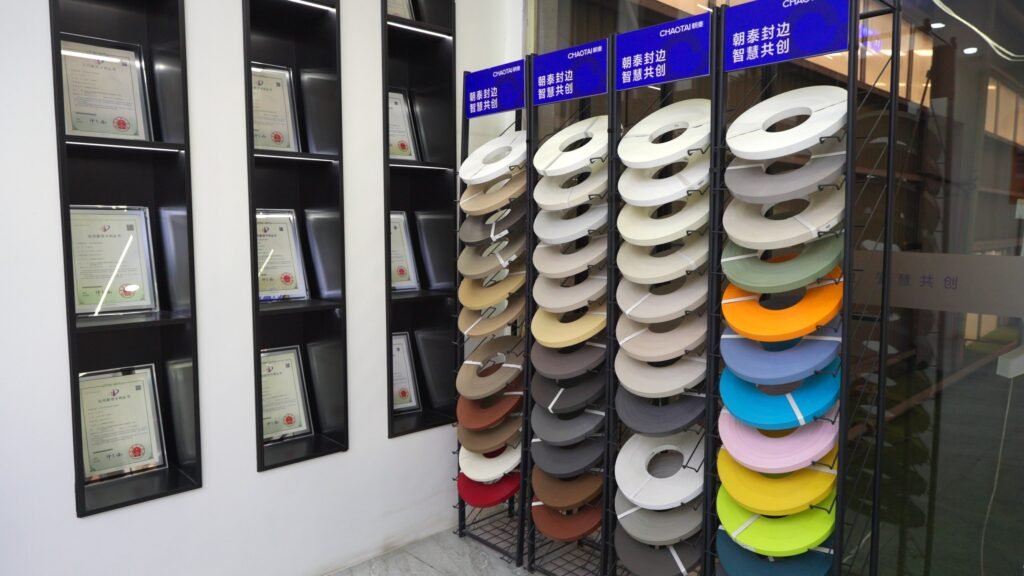
Can Distributors Use Existing Customers to Sell Excess Inventory?
I would start with existing customers because they already know my products and purchasing process.
A customer who regularly buys PVC edge banding may be interested in additional colors or specifications if those products match their furniture production needs.
I would review customer purchasing records and look for products that match their previous orders.
For example, if a furniture factory regularly purchases oak-colored edge banding, I may introduce a similar oak design that has been sitting in my warehouse.
I would explain the actual product difference and offer a sample before asking the customer to place an order.
I would also contact customers who previously purchased the same product but have not reordered recently. Their demand may have changed, but it is still worth asking whether they have new projects.
I would avoid sending the same promotional message to every customer. A cabinet manufacturer, a custom furniture workshop, and a furniture material wholesaler may have different product requirements.
Can Product Bundling Help Distributors Move Excess Stock?
Product bundling is another method I would consider.
Instead of selling one slow-moving design by itself, I can combine it with products that customers already purchase.
For example, I could offer:
- A regular PVC edge banding order with several additional decorative colors.
- A matching panel and edge banding sample package.
- A mixed-color order containing popular and less popular designs.
- A special purchase package for customers testing new furniture designs.
The goal is to make the additional products useful to customers.
However, I would not bundle unrelated colors or specifications just to clear the warehouse. Customers may reject a package if the products do not fit their production needs.
I would also calculate the total discount before offering a bundle. A bundle that increases sales but creates a negative gross margin may make the inventory problem worse.
When Should Distributors Use Discounts or Clearance Sales?
Sometimes a price reduction is necessary.
If a product has stayed in stock for a long time and customer demand continues to fall, waiting for the original selling price may create a larger loss.
I would compare three options:
- Continue selling at the current price.
- Offer a limited discount to selected customers.
- Sell the remaining stock at a lower price to recover cash.
I would calculate the expected result of each option.
For example, suppose I have 2,000 meters of a slow-moving design. My original landed cost is $1.00 per meter, and my normal selling price is $1.40.
If I sell all 2,000 meters at $1.40, my gross profit is $800.
If I offer a clearance price of $1.10, I still recover $200 in gross profit before additional selling expenses. However, I should compare this with the cost of keeping the inventory for another six months.
This does not mean every clearance sale is profitable. I would also consider sales commissions, delivery expenses, and other costs.
Can Distributors Find New Customers for Slow-Moving Designs?
I would not limit excess inventory sales to existing customers.
Some designs may have weak demand in one customer segment but stronger demand in another.
For example, a special woodgrain pattern may not be suitable for a large cabinet factory that mainly produces standard white furniture. However, a smaller custom furniture workshop may find it useful.
I would consider the following channels:
| Sales channel | Suitable products | My approach |
|---|---|---|
| Existing furniture factories | Previously purchased designs | Direct customer follow-up |
| Small furniture workshops | Special colors and mixed quantities | Offer samples and small orders |
| Furniture material wholesalers | Standard and decorative products | Wholesale clearance pricing |
| Online B2B channels | Available stock and discontinued designs | Publish clear specifications |
| Project-based buyers | Special colors and remaining stock | Match products with project requirements |
I would clearly explain the available quantity, specifications, and any limitations. This helps customers make a purchasing decision without confusion.
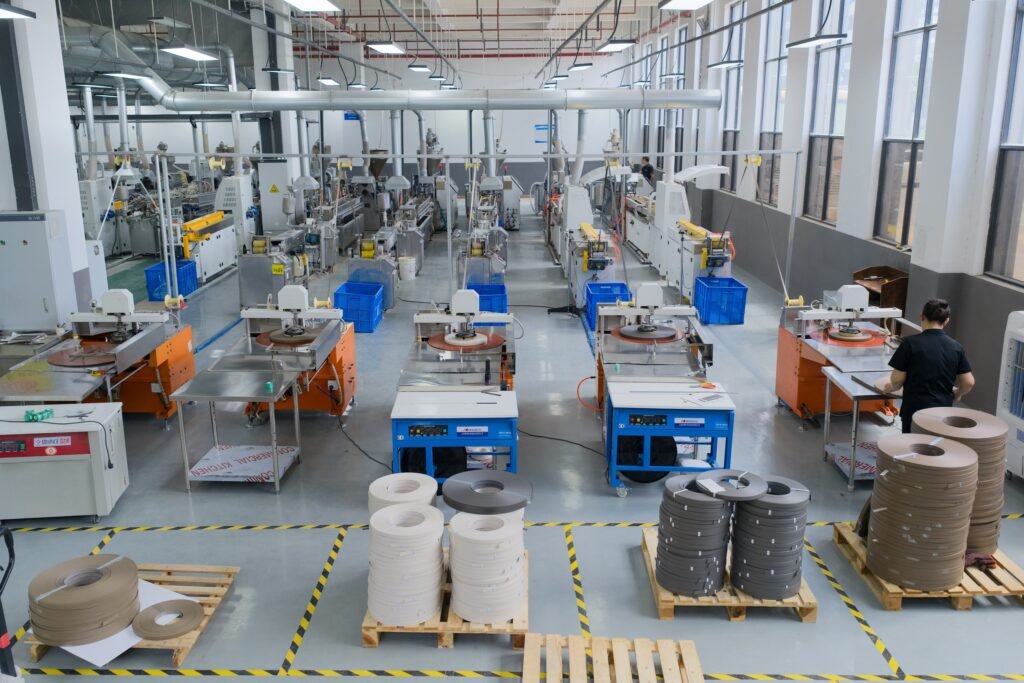
Have a spec or project to discuss?
Send your panel, thickness, finish and volume. Our engineers reply with a matched color, sample plan and price — usually within 24 hours.
Request a Quote1,000+ stock colors · Swatches on request
How Can Distributors Reduce Financial Losses When Managing Overstocked Edge Banding?
Selling excess inventory is important, but I believe distributors also need to understand the financial cost of keeping products in stock.
A warehouse full of edge banding may look like a valuable business asset. However, products that do not sell can create storage costs, reduce available cash, and increase the risk of future losses.
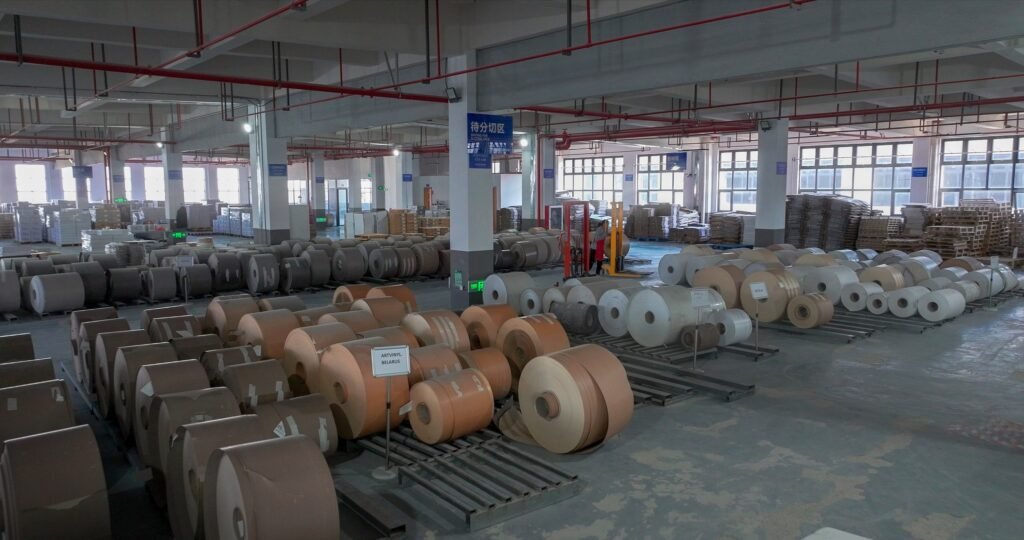
How Much Does Slow-Moving Inventory Really Cost?
I would not calculate inventory losses based only on the original purchase price.
Every product that stays in the warehouse creates additional costs. These costs may include warehouse rent, handling, insurance, financing, inventory management, and potential damage.
For example, suppose I hold $50,000 worth of slow-moving edge banding inventory. If my estimated annual inventory carrying cost is 20%, the annual carrying cost is:
$50,000 × 20% = $10,000
This means the inventory may create approximately $10,000 in annual holding costs.
The 20% figure is an illustrative assumption, not a verified average for edge banding distributors. Actual carrying costs depend on warehouse expenses, financing, insurance, handling, and inventory risks.
The Ontario government’s inventory management guide identifies warehouse space, working capital, insurance, transportation, shrinkage, and obsolescence as important inventory-related costs.
I would calculate these costs before deciding whether to keep or discount slow-moving products.
| Cost category | Example | Financial impact |
|---|---|---|
| Warehouse cost | Storage space and utilities | Higher operating expenses |
| Capital cost | Money tied up in inventory | Less cash for new purchases |
| Handling cost | Moving and counting stock | Additional labor |
| Damage risk | Deformation or packaging damage | Lower resale value |
| Obsolescence risk | Outdated colors or specifications | Potential price reduction |
For edge banding distributors, I would also check whether long-term storage affects product quality. I would follow the manufacturer’s storage recommendations and inspect packaging, surface condition, and material performance before selling older stock. Our article on PVC edge banding shelf life and storage stability covers the conditions that matter most.
Should Distributors Sell Below Cost to Recover Cash?
I believe this decision depends on the expected future value of the inventory.
Some distributors refuse to sell products below their original purchase cost because they do not want to recognize a loss. However, this decision may not always protect the business.
For example, I have two options:
- I can keep 1,000 meters of an outdated design for another year and hope customers will buy it.
- I can sell the same inventory at a discount and use the recovered cash to purchase products with stronger demand.
I would compare the expected cash recovery from both options.
I would use this simple calculation:
Net Recovery = Expected Selling Price – Additional Selling Costs
If the expected selling price is $0.85 per meter and the additional selling costs are $0.05 per meter, my net recovery is $0.80 per meter.
If keeping the product for another year creates additional storage and financing costs, the discounted sale may be the better business decision.
However, I would not apply discounts without checking customer contracts, pricing policies, and the impact on other product sales.
There is also an accounting issue. Under IAS 2, inventories are measured at the lower of cost and net realisable value. Net realisable value is the estimated selling price in the ordinary course of business less the estimated costs needed to complete and sell the inventory.
This means distributors should review whether the recorded inventory value is still recoverable. They should consult their accountants about the correct treatment under the accounting rules that apply to their business.
How Can Distributors Protect Cash Flow During Inventory Clearance?
I would treat cash flow as a separate management target.
A distributor may have a positive gross profit on paper but still face cash pressure because too much money is tied up in products that have not sold.
I would monitor three figures:
1. Inventory value
How much money is currently tied up in unsold products?
2. Expected recovery value
How much cash can I reasonably recover from slow-moving products after selling expenses?
3. Reinvestment requirement
How much money do I need to purchase products that customers currently request?
I would also avoid using all recovered cash to purchase new inventory immediately. Some of it should remain available for operating expenses and unexpected customer orders.
J.P. Morgan explains that inventory turnover is closely connected to working capital because stock sitting in a warehouse represents cash that cannot be used for other business needs.
For me, the goal is not to achieve the highest possible selling price for every old product. The goal is to protect the overall financial health of the distribution business.
How Can Distributors Prevent Slow-Moving Inventory Through Better Purchasing and Supplier Management?
I believe the best way to manage slow-moving inventory is to prevent it from entering the warehouse in excessive quantities.
Distributors can sell old stock and offer discounts, but these methods only deal with the result. A better purchasing system can reduce the chance of repeating the same mistake.

How Should Distributors Set Purchasing Quantities?
I would base purchasing quantities on actual sales and expected demand rather than personal judgment alone.
For each product, I would review:
- Average monthly sales.
- Current stock quantity.
- Confirmed customer orders.
- Supplier lead time.
- Minimum order quantity.
- Safety stock requirements.
- Expected changes in customer demand.
I would use the following formula as a basic purchasing reference:
Reorder Point = Average Daily Demand × Lead Time + Safety Stock
For example, if I sell 20 rolls of a particular PVC edge banding design per day, my supplier lead time is 15 days, and I keep 100 rolls as safety stock, my reorder point is:
20 × 15 + 100 = 400 rolls
When the available inventory reaches 400 rolls, I should review whether it is time to place another order.
This is a simplified example. I would also adjust the calculation for confirmed incoming shipments, demand changes, and the actual availability of stock.
I would use different purchasing rules for different products. Common colors with stable demand may need regular replenishment. Special colors should have smaller purchasing quantities and more frequent demand reviews.
Can Flexible MOQ and Mixed-Color Orders Reduce Inventory Risk?
This is where supplier cooperation becomes important.
Many edge banding distributors need to purchase several colors and specifications at the same time. If a supplier requires a large MOQ for every individual design, distributors may have to hold more inventory than they can sell.
I would discuss the following purchasing terms with suppliers:
| Supplier support | Benefit for distributors |
|---|---|
| Lower MOQ for selected designs | Reduces initial inventory investment |
| Mixed-color orders | Allows a wider product range with less stock per design |
| Small trial orders | Helps test customer demand |
| Stable repeat production | Supports long-term customer orders |
| Flexible replenishment | Reduces the need to overstock |
| Clear lead-time commitments | Makes purchasing forecasts more accurate |
However, I would not assume that every supplier can provide all these services. Distributors should confirm the actual production conditions and costs before placing orders.
I would also compare the total landed cost rather than focusing only on the MOQ. A supplier may offer a smaller MOQ but charge a higher unit price or shipping cost.
The best purchasing arrangement is one that balances product availability, cash flow, and total procurement cost.
How Can Better Communication with Suppliers Prevent Overstock?
I believe distributors should share sales information with their suppliers more regularly.
For example, if a furniture manufacturer plans to stop using a particular panel color, the distributor should review the related edge banding inventory and discuss future purchasing plans with the supplier.
If the supplier receives this information early, both sides may be able to adjust production schedules and reduce unnecessary stock.
I would establish a simple communication process:
- Share monthly sales trends for key designs.
- Identify products with falling demand.
- Review upcoming customer projects.
- Confirm production lead times and available stock.
- Adjust the next purchasing plan.
- Review product quality and batch consistency after delivery.
I would also ask suppliers whether they can keep approved color samples and technical specifications on record. This helps reduce mistakes when distributors place repeat orders.
For example, a customer may order the same woodgrain edge banding every three months. If the supplier maintains clear color and specification records, the distributor can reduce the risk of receiving a product that does not match the previous batch. Our article on production traceability for large edge banding orders shows what those records should contain.
For Chaotai, this is also an important part of working with overseas distributors. A reliable edge banding manufacturer should not only provide products. It should also help distributors manage specifications, samples, purchasing quantities, and repeat orders.
I would rather build a supply relationship that supports stable inventory turnover than choose a supplier based only on the lowest quotation.
Stock the Colors Your Customers Actually Reorder
PVC, ABS, acrylic and decorative edge banding with mixed-colour orders, flexible MOQ and lead times that keep inventory moving.
Browse the Product Range
Conclusion
I believe distributors can reduce inventory losses through early stock monitoring, flexible purchasing, targeted sales, and stronger supplier cooperation. Better inventory decisions protect both cash flow and long-term profitability.
Data Sources and References
The following sources provide accounting standards, inventory management methods, and financial guidance used in this article.
- IFRS Foundation – IAS 2 Inventories
https://www.ifrs.org/issued-standards/list-of-standards/ias-2-inventories/
Reference for inventory valuation, net realisable value, and inventory write-downs. - Xero – Inventory Management Systems: A Guide for Small Businesses
https://www.xero.com/us/guides/inventory-management-system/
Reference for inventory turnover, days inventory outstanding, ABC analysis, and purchasing quantities. - J.P. Morgan – Managing Inventory Turnover and Excess Inventory
https://www.jpmorgan.com/insights/treasury/trade-working-capital/managing-inventory-turnover-and-excess-inventory
Reference for working capital, inventory turnover, and excess inventory management. - Zoho Inventory – ABC Analysis in Inventory Management
https://www.zoho.com/inventory/academy/inventory-management/abc-analysis-in-inventory-management.html
Reference for inventory classification and differentiated stock control. - QuickBooks – ABC Analysis: Categorize and Optimize Inventory
https://quickbooks.intuit.com/r/midsize-business/abc-analysis-inventory-management-principles-classifications/
Reference for ABC classification and inventory value analysis. - Government of Ontario – Performance Measurement Phase II User Guide
https://www.doingbusiness.mgs.gov.on.ca/mbs/psb/psb.nsf/Attachments/BPSPerformMeasurePhaseII-UserGuide-pdf-eng/%24FILE/perf_meas_userguide-eng.pdf
Reference for inventory holding costs, replenishment costs, and inventory management policies.