
Low-quality PVC edge banding causes peeling, color mismatch, and customer complaints. I see buyers struggle because defects often appear after installation, when the cost is already paid.
High-quality PVC edge banding can be identified by raw material purity, surface finish, physical performance, edge sealing results, and supplier verification through tests, samples, and production transparency.

I have worked with many buyers who thought all PVC edge banding looked the same at first. In reality, small differences decide long-term quality. Below, I break the process into clear steps you can follow.
Key Material Characteristics That Define High-Quality PVC Edge Banding?
Many problems start from the raw material. If the PVC formula is wrong, no machine or process can fix it later.
High-quality PVC edge banding uses stable PVC resin, controlled fillers, and proper additives to ensure strength, color stability, and long service life.

Raw Material Quality Comes First
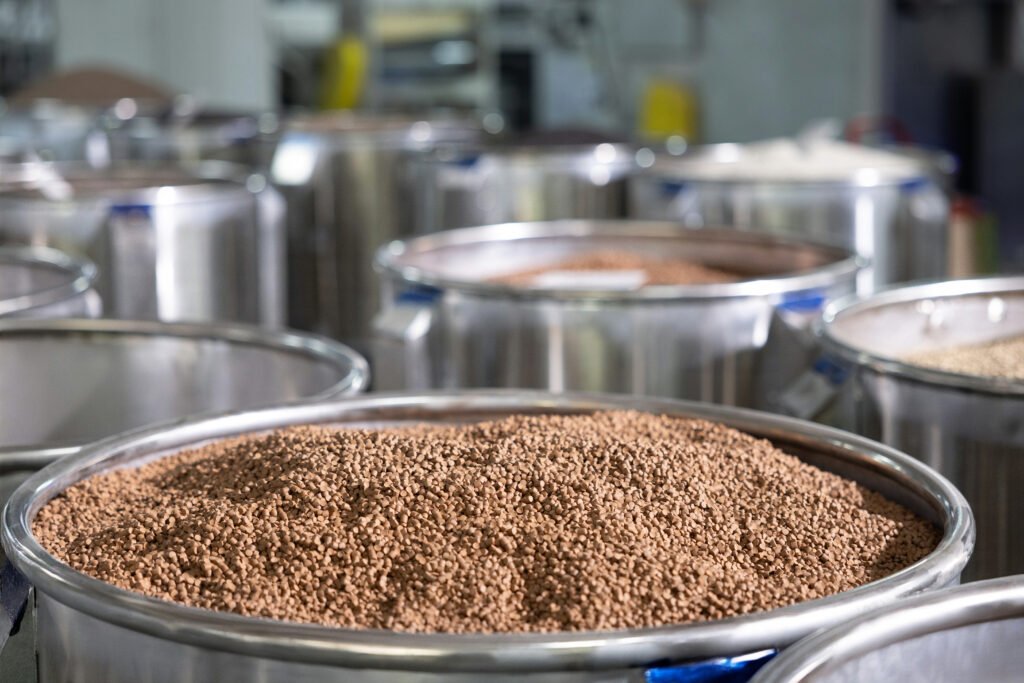
When I judge PVC edge banding quality, I always start with the material. This is the foundation. Good raw materials reduce risk at every later stage.
PVC Resin Quality
PVC edge banding should use virgin or high-grade recycled PVC. Low-grade recycled PVC often contains impurities. These impurities cause brittle edges and uneven surfaces. In my experience, this is the main reason for cracking during trimming.
Fillers and Additives Control
Fillers like calcium carbonate reduce cost. But too much filler makes the edge banding weak. A balanced formula keeps hardness and flexibility stable. Additives such as stabilizers and impact modifiers are also critical. Without them, PVC ages faster under heat and light.
| Material Factor | Low Quality Risk | High Quality Result |
|---|---|---|
| PVC resin grade | Brittle edges | Stable structure |
| Filler ratio | Easy cracking | Balanced strength |
| Stabilizers | Color fading | Long-term color stability |
Thickness and Density Consistency
I always check cross-sections. High-quality PVC edge banding has even density. Uneven density leads to poor edge sealing. This detail is easy to ignore, but it shows the manufacturer’s control level.
Surface Finish, Color Consistency, and Texture Accuracy to Check?
Most buyers judge edge banding by surface look. That makes sense, but visual checks must be systematic.
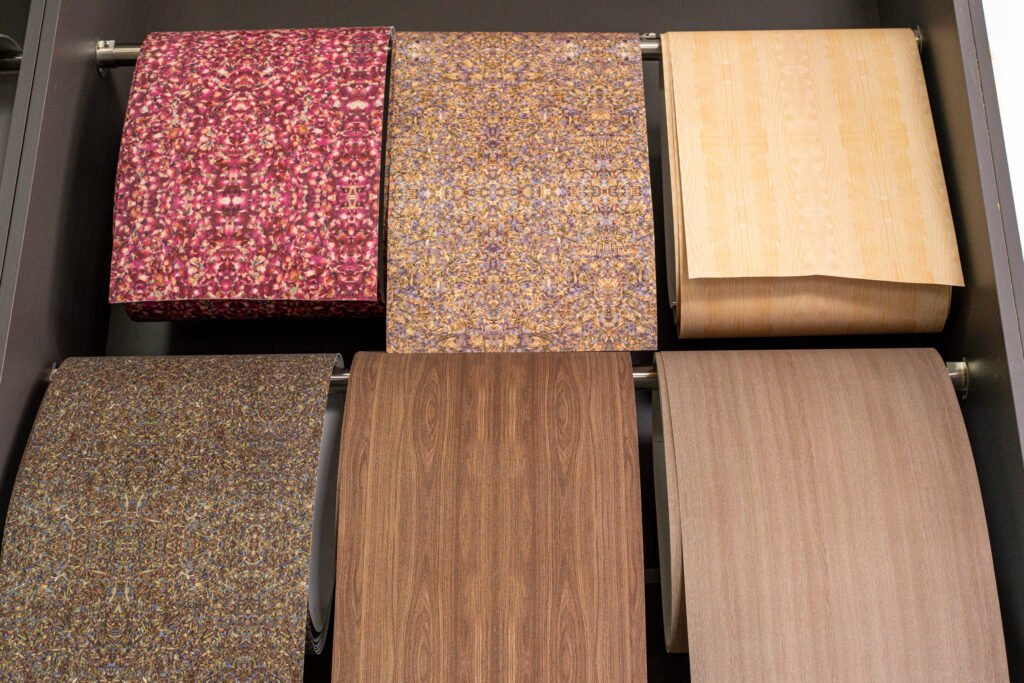
High-quality PVC edge banding shows smooth surface finish, stable color across batches, and accurate texture that matches board surfaces under different lighting.
Why Samples Pass but Mass Orders Fail
Surface quality affects both appearance and customer trust. I have seen projects fail because the color looked fine in samples but failed in mass orders.
Surface Smoothness and Coating
The surface should feel even when touched. Poor coating causes orange peel texture or gloss inconsistency. I usually rub samples under strong light to spot defects.
Color Matching Accuracy
Color consistency matters more than many buyers expect. High-quality suppliers use color management systems. Low-quality ones rely on visual matching only.
| Check Point | What I Look For | Why It Matters |
|---|---|---|
| Batch color | Same tone | Avoid complaints |
| Edge gloss | Even reflection | Better appearance |
| Texture depth | Clear pattern | Matches panels |
Texture and Embossing Precision
For woodgrain designs, texture depth must match print. If texture and print misalign, seams look fake. I always compare edge banding against the board edge, not alone.
Flexibility, Impact Resistance, and Durability Performance Indicators?
Edge banding that looks good but breaks during use is useless. Performance tests reveal real quality.
High-quality PVC edge banding maintains flexibility, resists impact, and performs well under heat, cold, and long-term use without cracking or whitening.

Simple Tests for Flexibility and Impact Resistance
Performance shows how edge banding behaves in real furniture life. I rely on simple but effective tests.
Flexibility Testing
I bend the strip at room temperature and low temperature. Poor PVC turns white or cracks. Good PVC bends smoothly and returns to shape.
Impact and Trimming Resistance
Edge banding faces impact during handling and trimming. Low-quality materials chip easily. I often test by trimming at high speed to observe edge quality.
| Performance Test | Low Quality Result | High Quality Result |
|---|---|---|
| Cold bending | Cracks | Smooth bend |
| Trimming | Edge chipping | Clean edge |
| Impact | Dent marks | Shape recovery |
Aging and Heat Resistance
PVC edge banding is exposed to heat from edge banding machines. Stable material resists deformation. I also look for resistance to yellowing over time.
Edge Sealing Performance and Compatibility with Different Panels?
Even good edge banding fails if sealing is poor. Compatibility matters as much as material quality.
High-quality PVC edge banding seals tightly, bonds well with common adhesives, and works across MDF, particleboard, and plywood panels.
Checking the Bond Line Between Panel and Edge
Sealing quality determines durability. I focus on the bond line between panel and edge.
Adhesive Compatibility
PVC edge banding must work with EVA and PUR adhesives. Poor compatibility causes edge lifting. I always test with the buyer’s real machine settings.
Panel Type Adaptability
Different boards behave differently. MDF absorbs adhesive differently than plywood. High-quality edge banding adapts without gaps.
| Panel Type | Common Risk | Good Edge Banding Behavior |
|---|---|---|
| MDF | Glue starvation | Tight bond |
| Particleboard | Edge gaps | Smooth sealing |
| Plywood | Uneven edge | Flexible fit |
Edge Trimming Result
After sealing, trimming must be clean. If burrs appear, it often means poor edge density or material imbalance.
How to Verify PVC Edge Banding Quality from Manufacturers and Suppliers?
Supplier selection decides quality long before delivery. Verification reduces long-term risk.
High-quality PVC edge banding suppliers provide stable samples, test data, production transparency, and consistent batch performance.

A Structured Way to Verify Supplier Quality
I trust data and process more than promises. Verification should be structured.
Sample and Batch Comparison
I request samples from different batches. If color and thickness vary, that is a warning sign.
Factory Capability Review
I look at extrusion lines, color mixing systems, and QC processes. Factories with inline inspection reduce defects.
| Verification Step | What I Check | Purpose |
|---|---|---|
| Samples | Batch stability | Reduce risk |
| Test reports | Material data | Confirm claims |
| QC process | Inspection flow | Ensure consistency |
Communication and Documentation
Good suppliers explain their material choices. They also provide test standards such as REACH or RoHS compliance. This builds long-term trust.
Conclusion
High-quality PVC edge banding is identified through material, surface, performance, sealing, and supplier verification, not price alone.

Factory-Direct PVC Edge Banding
No trading margin: direct pricing from 150+ lines, MOQ from 3,000 m per color and size.
Explore PVC edge banding
Data Sources and References
- European Committee for Standardization (CEN): EN 438 & related PVC material standards
https://standards.cencenelec.eu - PlasticsEurope – PVC Material Properties and Performance
https://plasticseurope.org - European Chemicals Agency (ECHA) – REACH Compliance for PVC Products
https://echa.europa.eu - Woodworking Network – Edge Banding Performance and Application Insights
https://www.woodworkingnetwork.com