
I worry when I see suppliers advertise “high quality” with no proof. Problems hide in process gaps. I want facts, not slogans.
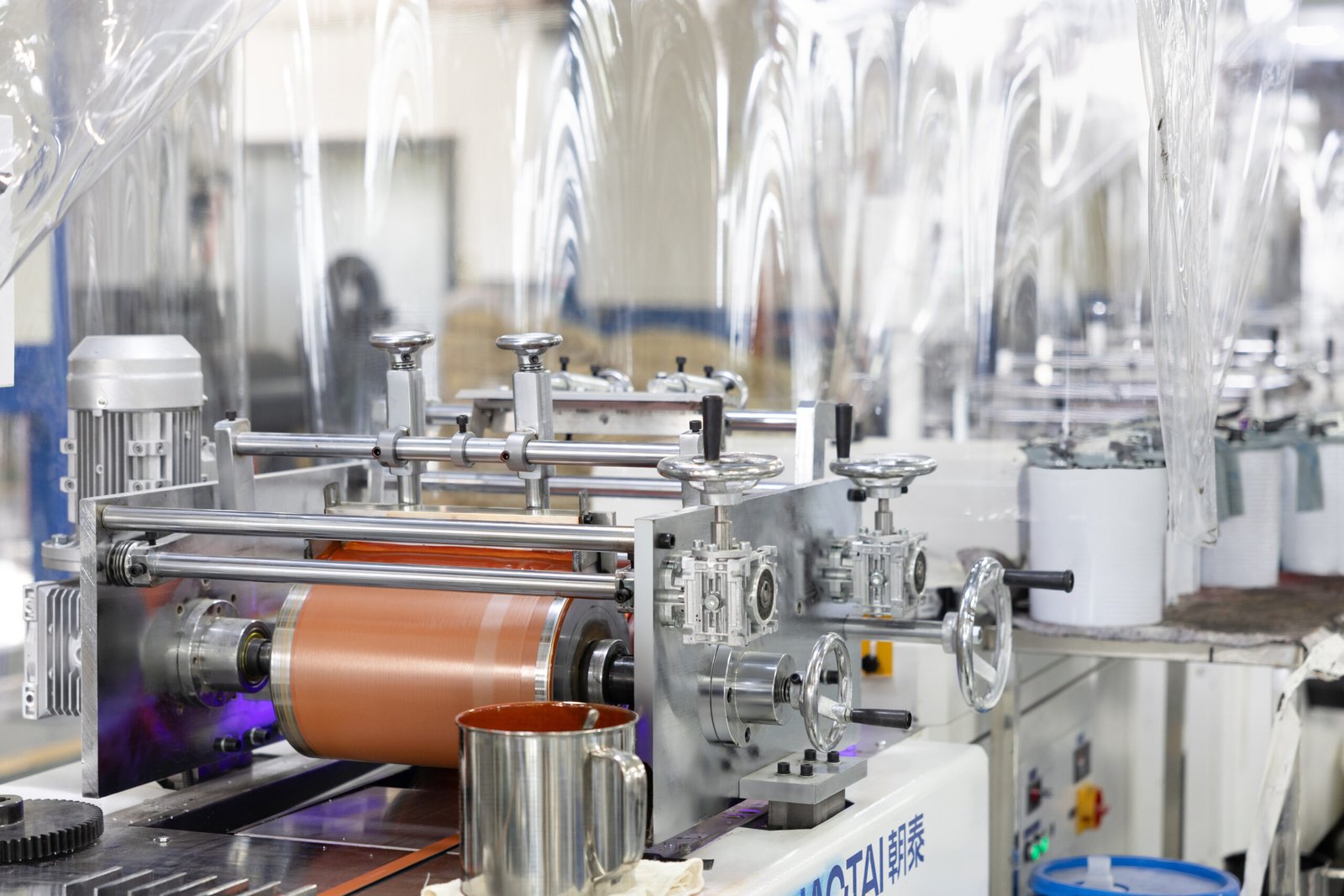
A modern PVC edge banding factory combines precise extrusion, stable color dosing, high-resolution printing, embossing, and automated inspection to deliver consistent products buyers can trust.

I will walk you through the tech I check when I audit a factory. I write from the buyer view. I point out what matters and why. Read on if you want to avoid costly surprises.
Key Production Technologies That Define a Modern PVC Edge Banding Factory?
I used to buy on price alone. That led to rejects and lost time. I learned to inspect technology first.
A modern factory must have accurate extrusion lines, dosing systems for pigments, printing and embossing stations, and in-line inspection. These systems cut variation and waste.
What the extrusion line must do
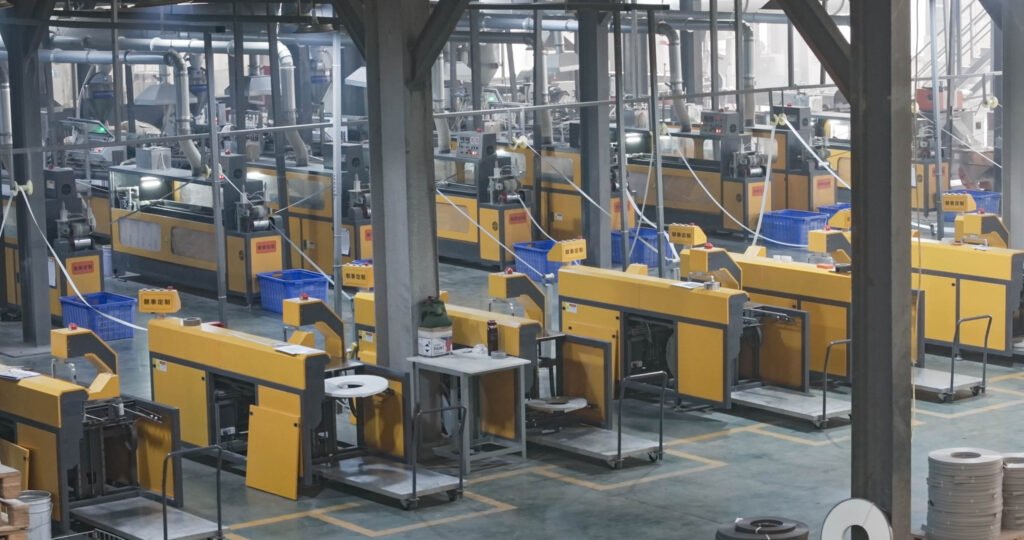
An extrusion line makes the tape from resin and additives. I look for twin-screw extruders. They mix material better. I also want a stable heating and cooling zone. That keeps thickness steady.
Why pigment dosing matters
Color comes from pigments. A locked dosing unit reduces color drift. If the factory uses automatic dosing, they can repeat shades faster. Manual dosing leads to batch differences.
Production modules I expect
| Module | Purpose |
|---|---|
| Twin-screw extruder | Uniform melting and mixing |
| Calibrating/cooling table | Control shape and thickness |
| Embossing / calender rollers | Add surface texture |
| Printing and UV coating line | Pattern match and protection |
| Winding and slitting stations | Final width and packaging |
I demand documentary proof. I ask for machine specs, PLC brands, and temperature control ranges. The machine brands and component details tell me if the line is industrial grade. Suppliers like Jwell and other manufacturers publish specs that match what I expect.
How Advanced Extrusion Lines Influence Color Stability and Product Consistency?
When a customer orders hundreds of meters, I must match color across batches. Failure costs returns and reputation.
Advanced extrusion lines with precise dosing and modern controls keep color stable and thickness consistent over long runs. Automatic dosing and frequency-controlled motors reduce human error and drift.

How I test color and consistency
I ask for an SPC (statistical process control) chart. I want to see how Lab or Delta E is tracked. Small factories rarely record this. Larger factories often log color data. That logging proves repeatability.
Key elements that matter
- Raw material quality: Resin grade and pigment type change results. I compare certificates and MSDS.
- Dosing accuracy: A dosing system with fine resolution reduces color swings.
- Temperature control: Stable zones prevent polymer degradation. That keeps color and gloss stable.
- Calibrated cooling: Shrinkage changes width. A calibrated cooling/calibration table minimizes this issue.
Practical buyer checklist
- Ask for color matching records and Delta E figures.
- Inspect whether pigment dosing is automatic.
- Confirm temperature controllers and PLC brands.
- Ask how they handle color recipes when changing lines.
These are the real controls behind the tape. Without them, color claims are marketing. Technical writeups from extrusion makers show how dosing systems help stability. I use those specs to compare factories.
Why Precise Printing and Embossing Systems Matter for Surface Realism?
A good edge band must look like the board it matches. Poor printing or embossing breaks the illusion.
High-resolution digital or gravure printing plus matched embossing creates surface realism. UV inkjet systems can reproduce complex woodgrains. Embossing must align with print for realistic touch.
Printing technologies I compare
- Digital UV inkjet: Best for variable designs and short runs. It reproduces photos well.
- Gravure/roller printing: Good for long, high-volume runs with stable repeatability.
- Hybrid systems: Use digital for accents and roller for base color.
Why embossing and registration matter
Embossing adds texture. If texture and print are out of sync, light hits differently. The product looks fake. I check whether the embossing roller is adjustable. I want embossed pattern repeat to match printed repeat.
How I measure fit
I examine samples under side light. I run touch tests. I also check suppliers’ capability to do demo runs. If they can print and emboss to match a board sample, they pass this test.
Manufacturers show case studies of UV inkjet use for edgebands. I use those samples to judge real-world results.
The Role of Automated Quality Control and Testing Equipment in Reducing Defects?
Defects cost more than defective tape. They break lines and cause rework. Manual inspection misses many issues.
Modern factories use vision systems and automated inspection to find surface defects, dimensional errors, and color shifts in real time. These systems flag rolls before they ship.

What automated QC can detect
- Surface scratches and pinholes
- Printing registration errors
- Width and thickness deviations
- Color inconsistency over length
Types of systems I look for
- Line-scan cameras for continuous profile capture. They spot changes along the whole roll.
- Area cameras for surface defects and print quality.
- AI-assisted systems that learn defect patterns and reduce false alarms.
Why automation beats human inspection
Humans tire. Cameras do not. Cameras can inspect every meter at top speed. That reduces escapes. Automated systems can also generate quality reports. I use those reports in audits.
How I verify QC capability
I request a live demo or a recent inspection report. I ask for defect logs and corrective actions. I also ask how the factory calibrates cameras and how often they train the AI models. Trusted vendors like Keyence and EyeC provide vision modules that match these needs.
What Buyers Should Evaluate When Auditing a PVC Edgeband Manufacturer?
I visit factories with a checklist. I watch machines, talk to operators, and review data. My goal is to separate real competence from clever marketing.
Buyers must verify machine specs, process controls, inspection records, color labs, and sample traceability before placing orders. I insist on documented procedures and test reports.

My audit checklist (practical)
- Extrusion line: twin-screw, dosing system, PLC brand, temperature control specs.
- Printing & embossing: print type, resolution, UV curing system, embossing roller hardness and repeat.
- QC systems: camera types, sample reports, SPC charts, defect logs.
- Raw material control: resin certificates, pigment batch records, storage conditions.
- Process documentation: SOPs, changeover logs, maintenance records.
- Traceability: batch numbers on rolls, production date stamps, color recipe records.
How I test before scaling
I run a pilot order. I insist on a 100–300 meter approval roll. I match it against my board sample. I measure Delta E, thickness, and gloss. I test adhesion in my shop. If any issue appears, I use the supplier’s corrective process. If they cannot fix it fast, I walk away.
Negotiation and warranty points
I require acceptance criteria in the contract. I set tolerances for width, thickness, and Delta E. I require rework or replacement terms for nonconforming lots.
Conclusion
I trust factories that show data, not only talk. I pick partners who prove process control.
Data sources and links:
- JWELL — PVC Edge Banding Extrusion Line (machine features and dosing systems). https://www.jwell-group.com/blog/PVC-Edge-Banding-Extrusion-Line/ (jwell-group.com)
- Agfa — Printing furniture edge bands with UV inkjet (digital printing examples). https://www.agfa.com/printing/news/printing-furniture-edge-bands-uv-inkjet/ (agfa.com)
- Bogda Plast — Embossing roller and calendering equipment (surface texture equipment). https://www.bogdaplast.com/products-surface-treatment-machine/bogda-electric-pvc-edge-banding-extrusion-line-parts-three-rollers-calender-embossing-machine.html (bogdaplast.com)
- Keyence — Machine vision systems for industrial inspection. https://www.keyence.com/products/vision/vision-sys/ (keyence.com)
- Henkel (Next) — Choosing the right edge banding technology (laser vs hot-melt cost and trade-offs). https://next.henkel-adhesives.com/in/en/articles/choosing-right-edgebanding-technology-in-volatile-furniture-market.html (next.henkel-adhesives.com)