Many distributors struggle with this choice. They want growth, but they fear risk. A wrong decision can limit profit and brand value for years.
OEM edge banding offers lower upfront cost and faster market entry, while private label provides stronger brand control and higher long-term margin. The better choice depends on your growth stage, capital strength, and brand strategy.
I have worked with both OEM and private label models. I have seen distributors scale quickly with OEM. I have also seen brands grow stronger with private label. In this article, I break down cost, control, risk, and long-term strategy in a simple way.
What Is the Difference Between OEM and Private Label Edge Banding?
Many distributors confuse OEM and private label. This confusion leads to poor contracts and unclear expectations.
OEM edge banding means the factory produces under the manufacturer’s brand or shared branding, while private label means the distributor owns the brand and controls packaging, identity, and market positioning.
Basic Definitions
I define OEM as production based on factory standards. The factory often controls formula, packaging, and technical details. I define private label as production under my brand. I control packaging design and brand identity.
Key Structural Differences
| Factor | OEM Model | Private Label Model |
|---|---|---|
| Brand ownership | Factory or shared | Distributor owns |
| Packaging | Standard | Custom |
| MOQ | Lower | Higher |
| Control level | Limited | High |
| Market positioning | Price-focused | Brand-focused |
Strategic Meaning
I see OEM as a fast entry tool. I see private label as a long-term brand asset. According to Harvard Business Review, companies that invest in brand ownership gain stronger pricing power over time.
Source: Harvard Business Review – Branding Strategy
I always ask myself one question. Do I want to sell product, or do I want to build brand equity?
How Do Cost Structures Compare Between OEM and Private Label Production?
Cost often drives the first decision. Many distributors focus only on unit price. I think this is short-term thinking.
OEM production usually has lower upfront investment and lower MOQ, while private label requires design, packaging, and branding investment but allows higher profit margins long term.

Upfront Costs
OEM requires minimal packaging cost. Private label requires logo design, packaging mold, and sometimes certification under my brand.
Ongoing Costs
| Cost Item | OEM | Private Label |
|---|---|---|
| Tooling | Rare | Possible |
| Packaging design | No | Yes |
| Brand registration | No | Yes |
| Marketing cost | Low | Medium to High |
| Margin potential | Lower | Higher |
According to McKinsey, strong private brands can generate 10–30% higher gross margin compared to generic products.
Source: McKinsey – Private Label Growth
Profit Perspective
I calculate not only unit cost but also brand premium potential. OEM gives quick turnover. Private label builds long-term pricing power. I look at 3–5 year horizon, not just one order cycle.
Which Model Offers Better Brand Control and Market Positioning?
Distributors want stability. Customers want consistency. Brand control decides both.
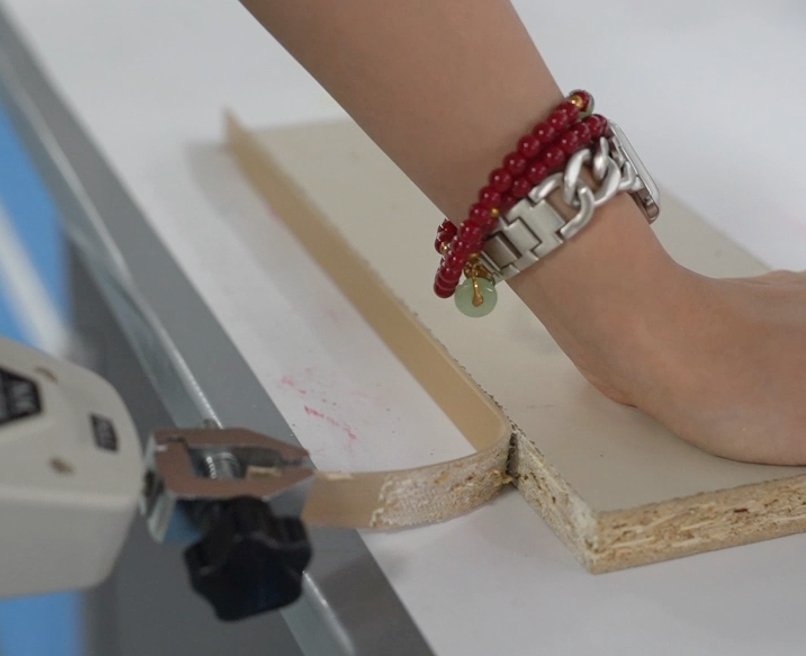
Private label offers stronger brand identity, packaging control, and long-term market positioning, while OEM limits differentiation and makes price competition more intense.
Control Over Identity
With private label, I design packaging. I set product narrative. I define quality perception.
Market Position Impact
| Aspect | OEM | Private Label |
|---|---|---|
| Differentiation | Low | High |
| Customer loyalty | Weak | Strong |
| Price competition | High | Medium |
| Brand recognition | Factory-focused | Distributor-focused |
According to NielsenIQ, 59% of consumers believe private label brands offer equal or better quality than national brands.
My Observation
When I operate under OEM, customers compare me by price. When I operate under private label, customers compare me by brand reputation. This difference changes negotiation power.
What Are the Risks and Long-Term Implications of Each Option?
Every model has risk. I never ignore this part.
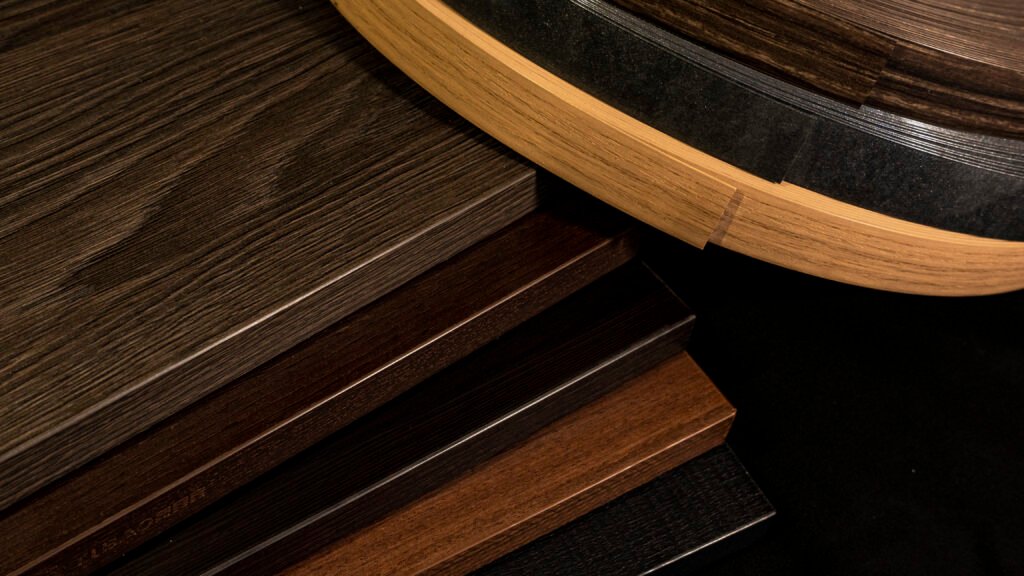
OEM carries dependency risk and limited differentiation, while private label carries investment risk and higher operational responsibility. Long-term implications depend on scale and market control.
OEM Risks
- Factory may supply competitors
- Limited control over formula changes
- Weak brand loyalty
Private Label Risks
- Higher capital exposure
- Inventory pressure
- Marketing responsibility
| Risk Type | OEM | Private Label |
|---|---|---|
| Supplier dependency | High | Medium |
| Capital pressure | Low | High |
| Brand dilution | High | Low |
| Operational complexity | Low | Medium |
According to Deloitte Global Manufacturing Outlook, supplier dependency increases vulnerability during supply disruptions.
Source: Deloitte – Manufacturing Outlook
Long-Term View
I look at long-term resilience. OEM helps early stage growth. Private label strengthens competitive moat. I evaluate risk based on cash flow and market maturity.
How Should Distributors Choose the Right Model for Their Growth Strategy?
Many distributors ask me which model is better. I always say it depends on stage and goal.
Distributors should choose OEM for fast entry and lower risk during early stages, and consider private label when they seek brand equity, pricing power, and long-term market positioning.

Stage-Based Decision Framework
| Growth Stage | Recommended Model | Reason |
|---|---|---|
| Startup | OEM | Lower risk |
| Growing | Hybrid | Test branding |
| Established | Private Label | Build equity |
Hybrid Strategy
I sometimes start with OEM. I test market response. Then I shift best-selling SKUs into private label. This reduces risk and builds brand gradually.
According to Statista, private label market share in many product categories continues to grow globally.
Source: Statista – Private Label Market Share
I align model choice with financial strength, customer base, and long-term ambition.
Conclusion
OEM supports quick growth. Private label builds lasting brand power. I choose based on stage, capital, and long-term strategy.
Data Sources
- Harvard Business Review – Branding Strategy
https://hbr.org/ - McKinsey & Company – Private Label Growth
https://www.mckinsey.com/ - NielsenIQ – Private Label Report
https://nielseniq.com/ - Deloitte – Global Manufacturing Outlook
https://www2.deloitte.com/ - Statista – Private Label Market Share Data
https://www.statista.com/