
Furniture buyers often feel stuck when choosing between PVC and ABS edge banding. A wrong choice can lead to higher costs, unstable quality, and unhappy customers.
Most furniture buyers still prefer PVC edge banding because it offers better availability, stable processing, and lower total cost, while ABS is chosen mainly for specific markets with strict regulations.
I have discussed this topic with many furniture factories, distributors, and purchasing managers. The debate looks technical, but the real answer is practical. Buyers do not choose materials in a lab. They choose them on factory floors, under delivery pressure, and with cost targets in mind.
What Are the Key Differences Between PVC and ABS Edge Banding?
Many buyers compare PVC and ABS only by name. That approach often leads to confusion and wrong expectations.
The key difference between PVC and ABS edge banding lies in material structure, processing behavior, and market positioning, not just environmental labels.

Material structure and composition
PVC and ABS are both thermoplastics, but they behave very differently during production and use.
Basic material comparison
| Aspect | PVC Edge Banding | ABS Edge Banding |
|---|---|---|
| Base material | Polyvinyl Chloride | Acrylonitrile Butadiene Styrene |
| Density | Higher | Lower |
| Flexibility | Strong | Medium |
| Softening range | Wide | Narrow |
| Common additives | Plasticizers | Impact modifiers |
PVC uses plasticizers to control softness and flexibility. ABS relies more on its polymer structure. This difference affects bending, trimming, and bonding.
Processing behavior in real factories
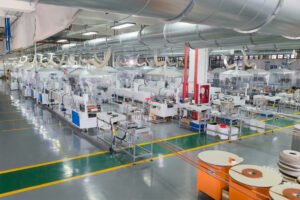
In my experience, PVC edge banding is more forgiving. It adapts better to different machines, glue types, and temperatures. ABS requires tighter control. When settings are not perfect, problems appear fast.
Market perception vs reality
ABS often carries a “premium” image because it is promoted as chlorine-free. PVC is seen as traditional. But most buyers care more about stable output than labels.
I have seen high-end furniture lines using PVC without any quality issues. I have also seen ABS fail in basic production environments.
How Do Furniture Buyers Evaluate PVC vs ABS in Real Applications?
Buyers do not decide based on theory. They decide after seeing problems or avoiding them.
Furniture buyers evaluate PVC and ABS edge banding based on processing stability, defect rate, and how often problems appear during mass production.

What buyers actually test
When buyers test materials, they focus on daily risks.
Common evaluation points
| Test area | Buyer concern |
|---|---|
| Feeding | Smooth or jam |
| Trimming | Clean or chipped |
| Sanding | White edge or clean |
| Glue line | Visible or hidden |
| Rework rate | High or low |
PVC usually performs well across all these points. ABS can perform well too, but only under controlled conditions.
Feedback I hear from factories
Many factories tell me the same thing. ABS looks good in samples. PVC feels safer in production.
One buyer once switched to ABS to meet a marketing request. After two months, they switched back. Their machines needed more adjustments. Their scrap rate increased.
Buyer priorities change by scale
Small and medium factories prefer PVC because it reduces risk. Large automated factories sometimes choose ABS because they can control parameters better.
This is why preference is not emotional. It is operational.
PVC Edge Banding vs ABS: Performance in Durability, Flexibility, and Processing?
Performance decides long-term satisfaction, not the first impression.
PVC edge banding generally offers better flexibility and processing tolerance, while ABS provides good impact resistance but requires stricter control.
Durability under real use
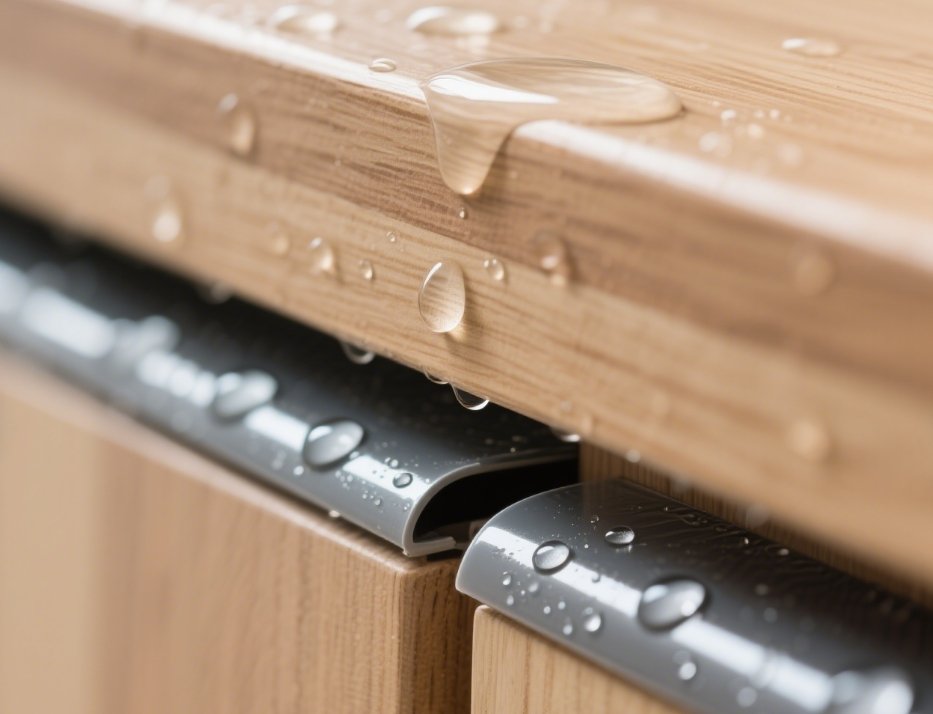
Durability is not only about strength. It is also about aging.
Performance comparison
| Performance area | PVC | ABS |
|---|---|---|
| Impact resistance | Good | Very good |
| Flex cracking | Low | Medium |
| Heat response | Stable | Sensitive |
| Aging behavior | Predictable | Depends on formula |
PVC absorbs small stresses better. ABS resists hard impact better. For furniture, flexibility often matters more.
Flexibility and corner wrapping
PVC bends easily around corners. It works well with radius panels. ABS can crack if radius control is poor.
In one project with curved cabinet doors, PVC worked without issues. ABS caused micro cracks near corners.
Processing tolerance matters most
Factories do not run under perfect conditions every day. PVC tolerates variation. ABS punishes mistakes.
That is why many buyers choose PVC even when ABS looks attractive on paper.
Cost, Availability, and Supply Stability: Why Many Buyers Still Choose PVC?
Cost is not only the price per meter. It is the cost of peace of mind.
Many buyers choose PVC edge banding because it offers lower total cost, wider availability, and more stable supply chains.

Price comparison is only the start
ABS usually costs more per meter. But the hidden cost difference is larger.
Cost structure comparison
| Cost factor | PVC | ABS |
|---|---|---|
| Material price | Lower | Higher |
| Scrap rate | Lower | Higher |
| Machine tuning | Simple | Frequent |
| Supplier options | Many | Limited |
PVC benefits from a mature supply chain. ABS relies on fewer producers.
Availability and lead time
PVC edge banding is available in more colors, textures, and sizes. Lead times are shorter.
During peak seasons, ABS shortages are common. PVC suppliers can scale faster.
Risk control for buyers
Buyers hate surprises. PVC reduces surprise risk.
I have seen orders delayed because ABS colors were not available. PVC rarely creates that problem.
Which Edge Banding Is the Better Choice for Different Furniture Markets?
There is no single correct answer for all markets.
PVC edge banding fits most mass-market and mid-range furniture, while ABS is preferred mainly in markets with strict environmental or regulatory demands.
Market-based material choice
Different markets care about different things.
Typical preferences by market
| Market | Common choice | Reason |
|---|---|---|
| Mass furniture | PVC | Cost and stability |
| Office furniture | PVC | Durability |
| Children furniture | ABS | Regulation focus |
| EU premium | ABS or PVC | Depends on certification |
| Export OEM | PVC | Supply reliability |
Regulations and perception
Some buyers choose ABS to meet customer expectations, not laws. Many PVC products already meet REACH and RoHS standards.
I always advise buyers to check actual compliance documents, not assumptions.
My personal recommendation
I choose PVC unless there is a clear reason not to. ABS is a tool, not a default upgrade.
Buyers who match material choice to real needs win in the long run.
Conclusion
Most furniture buyers prefer PVC edge banding because it balances performance, cost, and supply stability, while ABS serves specific regulated or premium niches.
Data Sources & References
- PlasticsEurope – PVC and ABS Material Overview
https://plasticseurope.org - European Chemicals Agency (ECHA) – REACH Regulation
https://echa.europa.eu - Woodworking Network – Furniture Manufacturing Materials
https://www.woodworkingnetwork.com - UL Solutions – Plastics Performance and Testing
https://www.ul.com - Statista – Global Furniture Manufacturing Market Data
https://www.statista.com