Distributors face many choices in edge banding. Choosing the wrong material can hurt sales and profits quickly.
In 2026, distributors must understand the differences between PVC and ABS edge banding, their costs, applications, market trends, and how to prioritize stock for maximum profitability.
I have worked with distributors for years. I have seen stock decisions make or break profits. This article helps distributors choose wisely in 2026.
What Are the Key Material Differences Between PVC and ABS Edge Banding?
Suppliers often highlight price or color, but material properties matter most for durability and customer satisfaction.
PVC and ABS differ in flexibility, heat resistance, impact resistance, chemical resistance, and environmental safety, influencing their suitability for various furniture projects.
Flexibility and Heat Resistance
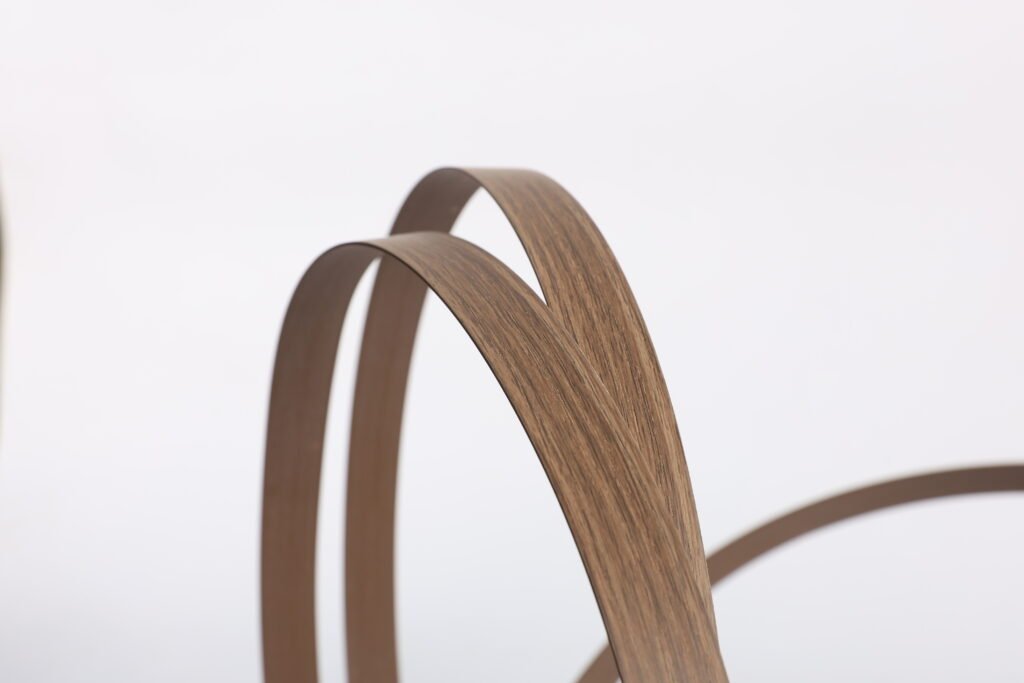
PVC is flexible and heat resistant, suitable for curves. ABS is stiffer, slightly less heat resistant, but has higher impact strength.
Environmental Performance
PVC may contain plasticizers. ABS is generally free from plasticizers, making it more eco-friendly for green furniture.
Impact Resistance
| Property | PVC | ABS |
|---|---|---|
| Flexibility | High | Medium |
| Heat resistance | High | Medium |
| Impact resistance | Medium | High |
| Chemical resistance | Medium | High |
| Environmental | Standard | Better |
I advise distributors to match material with furniture type, production process, and customer expectations.
Source: PlasticsEurope Material Datasheets
How Do Cost and Pricing Compare Between PVC and ABS Edge Banding?
Distributors often assume ABS is always more expensive. Price depends on grade, thickness, and color.
ABS edge banding usually has higher raw material costs but may offer longer life and lower defect rates, affecting overall profitability. PVC is cheaper upfront but may require more replacements over time.

Cost Structure Analysis
| Factor | PVC | ABS |
|---|---|---|
| Raw material | Lower | Higher |
| Production cost | Lower | Medium |
| Wholesale price | Lower | Higher |
| Profit margin | Medium | Medium to High |
I recommend distributors consider total cost of ownership, not just unit price.
Source: Plastics Industry Cost Report 2025
Which Edge Banding Type Performs Better in Different Manufacturing Applications?
Not all boards and machines are equal. Material performance affects productivity and finish quality.
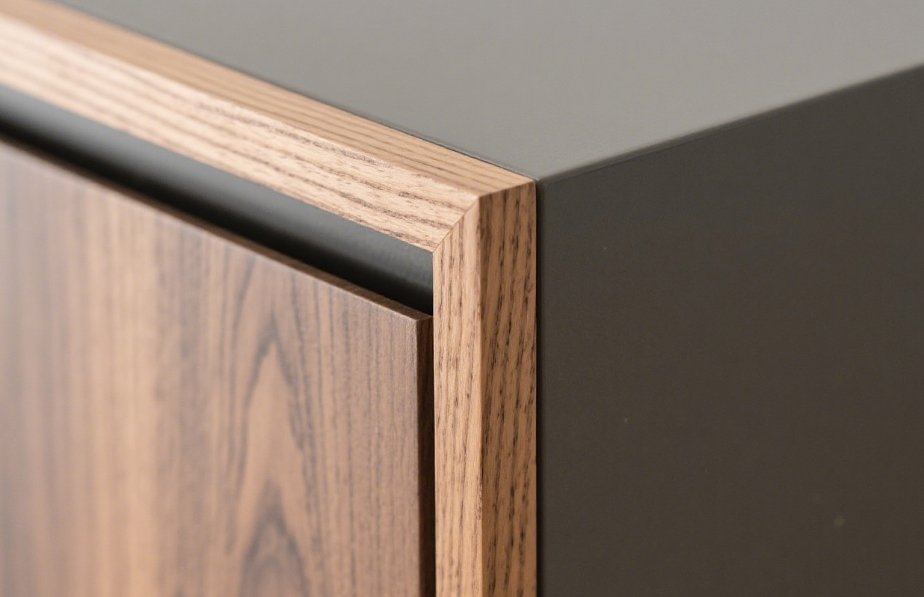
PVC suits curved edges, rapid production, and standard furniture. ABS is better for high-end panels, scratch resistance, and heavy-use furniture.
Application Comparison
| Application | Recommended Material | Reason |
|---|---|---|
| Curved panels | PVC | High flexibility |
| High-wear surfaces | ABS | High impact & scratch resistance |
| Eco-friendly furniture | ABS | No plasticizers |
| Standard panels | PVC | Lower cost, easy processing |
I always advise distributors to consider customer needs and project specifications before stocking.
What Market Trends Are Shaping PVC and ABS Demand in 2026?
Raw material supply, environmental regulations, and customer preferences influence demand.
PVC demand remains strong for cost-sensitive projects. ABS demand grows for eco-friendly furniture, higher durability, and premium markets.

Key Trends
| Trend | Impact on PVC | Impact on ABS |
|---|---|---|
| Environmental standards | Pressure to reduce PVC | Boosts ABS adoption |
| Premium furniture growth | Medium | High |
| Import/export shifts | Moderate | Moderate |
| Consumer awareness | Increasing | Higher for ABS |
I track trends to forecast stock needs and reduce unsold inventory risk.
Source: Global Edge Banding Market Report 2025
How Should Distributors Decide What Stock to Prioritize for 2026?
Stocking wrong material wastes capital and space. Smart choices balance cost, demand, and margin.
Distributors should analyze sales data, forecast demand, review profit margins, and align with market trends to determine optimal PVC vs ABS stock ratios.

Stock Prioritization Strategy
| Step | Action | Purpose |
|---|---|---|
| 1 | Analyze historical sales | Identify top sellers |
| 2 | Forecast demand | Prepare for 2026 trends |
| 3 | Review profit margins | Optimize revenue |
| 4 | Evaluate production compatibility | Reduce returns |
| 5 | Allocate stock | Balance PVC/ABS mix |
I always recommend a mix strategy: keep fast-selling PVC ready, while reserving ABS for premium clients and green projects.
Source: Edge Banding Distributor Insights 2025
https://www.edgebandinsight.com/
Conclusion
Distributors must understand material differences, costs, applications, and trends to stock PVC and ABS wisely in 2026, maximizing profitability and customer satisfaction.
Data Sources
- PlasticsEurope Material Datasheets
https://www.plasticseurope.org/ - Plastics Industry Cost Report 2025
https://www.plasticsinsight.com/ - Global Edge Banding Market Report 2025
https://www.researchandmarkets.com/ - Edge Banding Distributor Insights 2025
https://www.edgebandinsight.com/