

Color mismatch can ruin projects and upset clients. I have seen distributors struggle with inconsistent Egger2025 edge banding colors repeatedly.
Research shows that the degree of color matching in Egger2025 edge banding affects distributor trust, customer satisfaction, and long-term business relationships. Accurate color matching reduces returns and improves profitability.
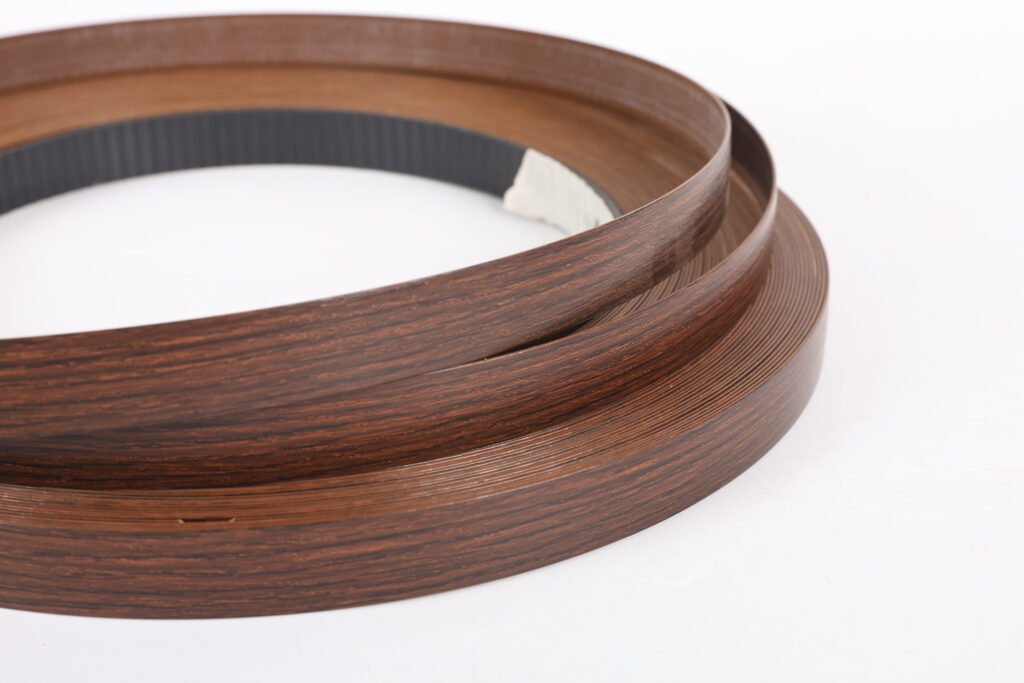
I never ignore color consistency. I treat it as a critical quality metric. In this article, I share how color matching impacts inventory management, the common challenges distributors face, and practical methods to ensure consistency and minimize risk.
Why Effective Inventory Management Is Crucial for Edge Banding Distributors?
Poor inventory management leads to stockouts, overstock, and rushed orders. I have seen distributors lose clients because of unbalanced stock.
Effective inventory management ensures distributors maintain the right stock levels, reduce holding costs, and quickly fulfill customer orders, improving service reliability and protecting profit margins.

Inventory’s Role in Color Matching
Inventory management is not just about quantity. I track batches to ensure color consistency. When colors vary between batches, I can isolate stock to avoid mixing inconsistent rolls.
Cash Flow and Stock Control
Holding too much inventory ties up capital. Holding too little causes missed orders. According to Supply Chain Dive, 60% of distributors report lost revenue due to stock imbalance.
Source: Supply Chain Dive – Inventory Management Survey
Inventory Overview Table
| Inventory Factor | Impact | My Approach |
|---|---|---|
| Stock level | Overstock or stockout | Maintain optimal safety stock |
| Batch tracking | Color mismatch risk | Label and separate batches |
| Turnover rate | Holding cost | Prioritize fast-moving SKUs |
| Storage | Deformation or damage | Use climate-controlled storage |
I focus on inventory as a way to ensure quality and reduce financial risk.
What Common Inventory Challenges Do Growing Distributors Face?
Growing distributors face unique challenges. I have noticed most struggle with multiple SKUs and unpredictable demand.
Common challenges include inconsistent stock levels, batch mixing, inaccurate demand forecasting, seasonal fluctuations, and lack of organized storage, all of which increase the risk of returns and customer complaints.

Batch Confusion
Distributors often mix batches, causing color mismatch complaints. I create batch IDs to separate incoming stock.
Seasonal Demand Peaks
Holiday or project seasons spike orders. Without proper planning, stockouts occur, and rush orders increase cost.
Inaccurate Forecasting
Poor historical data leads to overstocking or understocking. According to McKinsey, companies using predictive analytics reduce inventory errors by up to 30%.
Source: McKinsey – Inventory Forecasting Insights
| Challenge | Cause | Mitigation |
|---|---|---|
| Stockouts | Seasonal spikes | Use safety stock |
| Overstock | Poor forecast | Apply demand analytics |
| Batch mix | Poor labeling | Implement batch tracking |
| Space limitation | Rapid growth | Optimize warehouse layout |
By understanding these challenges, I can prepare strategies before issues appear.
How to Forecast Demand and Plan Inventory Accurately?
I never order blindly. I always plan based on forecasted demand and past sales trends.
Accurate demand forecasting uses historical sales, customer orders, market trends, and seasonal patterns to determine order quantities and timing, reducing both overstock and stockout risks.

Methods I Use
- Analyze previous 12–24 months of sales
- Track top-selling SKUs and slow movers
- Use software tools to predict demand for peak seasons
- Factor in new project orders or promotions
Forecast Accuracy Table
| SKU | Last Year Sales | Forecast Adjustment | Planned Stock |
|---|---|---|---|
| 2025 White | 5000m | +10% | 5500m |
| Oak Light | 3200m | 0% | 3200m |
| Walnut Dark | 2800m | +5% | 2940m |
I refine forecasts monthly to ensure inventory matches real demand.
What Inventory Control Systems and Processes Can Improve Efficiency?
Manual inventory tracking creates errors. I rely on structured processes and digital tools.
Inventory control systems, including ERP or WMS software, batch tracking, ABC classification, and regular stock audits, improve accuracy, reduce errors, and save time.

Systems I Use
- ERP for order tracking and stock level monitoring
- Barcode scanning for batch identification
- ABC analysis to prioritize high-value SKUs
- Scheduled monthly stock audits to reconcile inventory
Process Overview Table
| System/Process | Benefit | Notes |
|---|---|---|
| ERP | Real-time stock visibility | Integrates with sales orders |
| Barcode/Batch ID | Prevents batch mixing | Essential for color consistency |
| ABC Analysis | Focus on key SKUs | Saves storage cost |
| Stock Audit | Catch discrepancies | Reduces returns risk |
These systems give me confidence that inventory supports both sales and color quality.
How to Balance Stock Levels to Avoid Overstocking and Stockouts?
Too much or too little inventory affects both profit and service. I learned to calculate safety stock and reorder points carefully.
Balancing stock involves determining optimal reorder points, safety stock levels, and turnover rates to ensure continuous supply while minimizing holding costs.

Key Calculations
- Safety stock = (Average daily usage × Lead time) + Buffer
- Reorder point = Daily usage × Lead time + Safety stock
- Monitor turnover rate monthly to adjust stock levels
| Metric | Formula | Purpose |
|---|---|---|
| Safety stock | Avg usage × Lead time + buffer | Prevent stockout |
| Reorder point | Daily usage × Lead time + safety stock | Trigger replenishment |
| Turnover rate | Units sold ÷ Average inventory | Optimize holding cost |
By applying these calculations, I maintain smooth stock flow and consistent color quality for all shipments.
Conclusion
Effective inventory management, demand forecasting, batch tracking, and systematic processes ensure distributors reduce returns and maintain consistent color matching for long-term success.
Data Sources
- Supply Chain Dive – Inventory Management Survey
https://www.supplychaindive.com/ - McKinsey & Company – Inventory Forecasting Insights
https://www.mckinsey.com/ - International Wood Products Association – Wood Products Standards
https://www.iwpawood.org/ - Statista – PVC Edge Banding Market Data
https://www.statista.com/ - ISO – ISO 9001 Quality Management Systems
https://www.iso.org/iso-9001-quality-management.html