I have lost deals by picking the wrong partner. The wrong partner cost time and trust.
This guide shows top traits and checks to find PVC edge banding manufacturers that fit OEM and private label needs.
Choosing a partner for OEM or private label work is different from buying off-the-shelf. You need scale, color control, and secure IP. I will show the practical steps I use to vet and pick manufacturers.
Read on to learn what capabilities matter, how to test suppliers, and how to compare regional options.
Why OEM and Private Label Buyers Need Specialized PVC Edge Banding Manufacturers?
I once tried a general supplier for private label work. They lacked customization tools. I lost a launch window.
OEM and private label buyers need makers that handle custom colors, custom prints, and strict lead times. These needs affect quality and brand reputation.
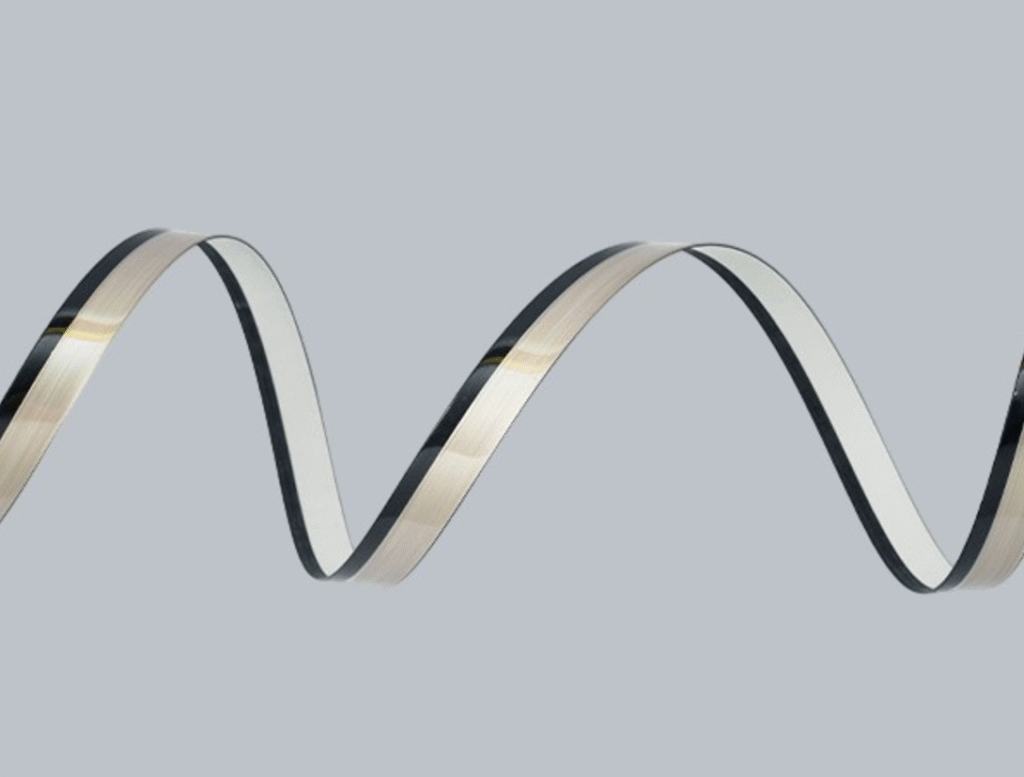
What makes specialization different
A specialized manufacturer invests in custom tooling. They keep dye lots and color recipes. They document processes. They also protect designs and artwork for private labels.
IP protection and NDA practice
I require an NDA before sharing designs. I check if the factory has experience with private label packaging. I ask for examples of past OEM runs. I want proof they can keep a design private.
Dedicated production lines
I prefer factories with dedicated lines for private label products. Dedicated lines reduce cross-contamination and color drift. They also speed changeovers.
| Need | Why it matters | What I request |
|---|---|---|
| Custom color matching | Brand consistency | ΔE reports and color recipes |
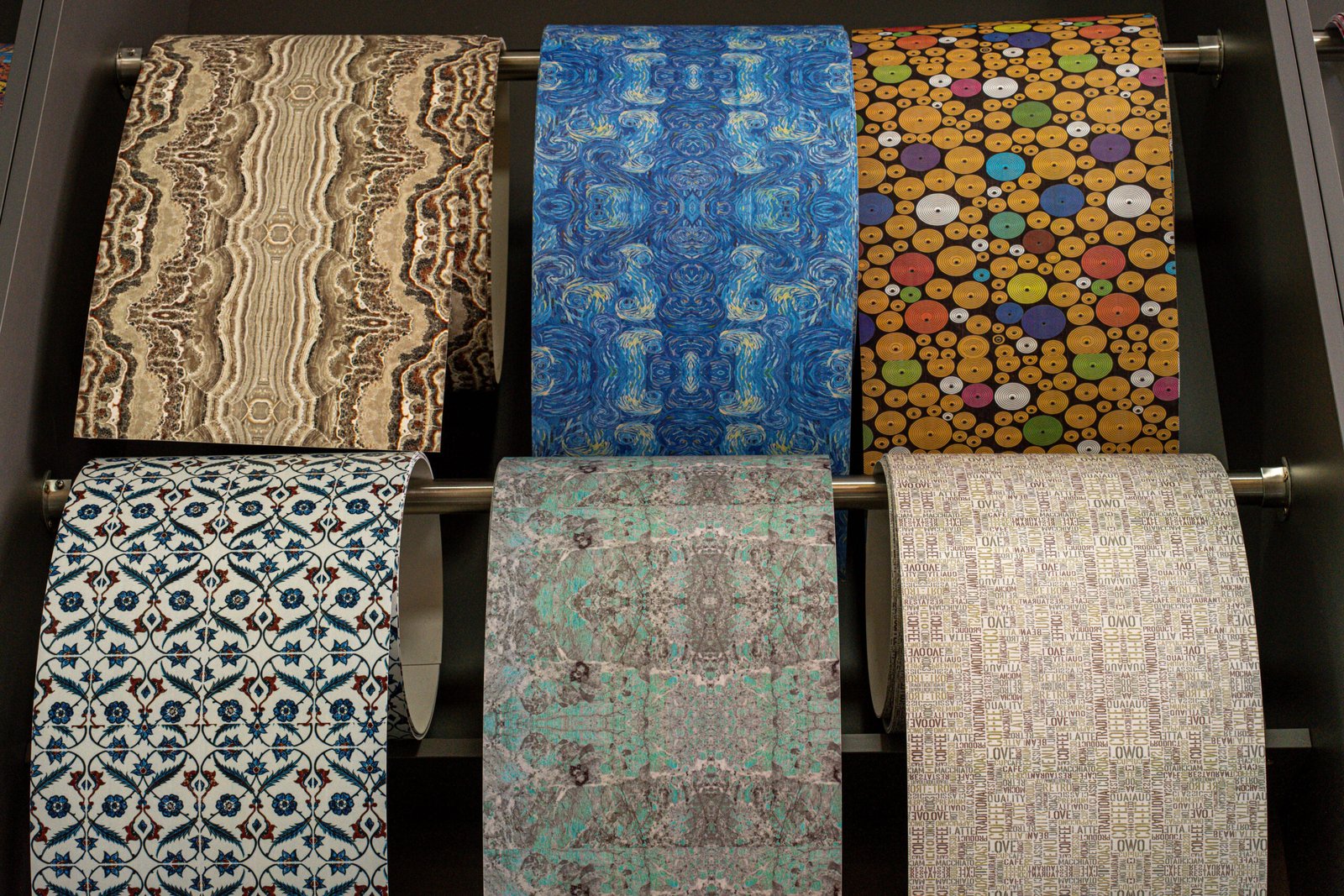
| Print tooling | Custom patterns | Photo of printing plates and setup |
| IP protection | Protect brand | Signed NDA and policy |
| Dedicated line | Reduce quality risk | Confirmation of separate line or schedule |
I treat specialization as a must for private label. It reduces surprises during scale-up. It also helps me keep my brand promise.
Key Capabilities That Define a Strong OEM and Private Label Edge Banding Partner?
I once worked with a supplier who promised custom colors but failed on repeatability. I lost sales that quarter.
A strong partner offers consistent color matching, stable adhesion, fast turnarounds for samples, and reliable QA systems. These capabilities reduce risk at launch.

Color matching systems and lab support
I require spectrophotometer reports and batch ΔE metrics. I also check if the factory uses computer color management for printing. I ask if they archive color recipes and lot numbers.
Adhesion and primer control
Adhesion is central for production yield. I run peel tests on my hot-melt system. I ask the supplier to run the same test under the same conditions. I compare peel strength and failure modes.
Sample speed and prototyping
I value companies that turn samples in days, not weeks. Fast sampling cuts time to market. I ask for priority sample programs and cost structure for rapid prototypes.
Quality systems and traceability
I look for QA checkpoints and batch traceability. I want production records that link raw material lots to finished rolls. This lets me trace issues quickly if they arise.
| Capability | Why it matters | Proof I request |
|---|---|---|
| Spectrophotometer data | Color repeatability | ΔE reports across batches |
| Adhesion tests | Production yield | Peel strength curves |
| Fast sampling | Speed to market | Sample lead time guarantee |
| Traceability | Faster recall | Batch records and raw material logs |
I score suppliers on these items. I weight color and adhesion highest for private label runs.
How Production Scale, Color Matching Systems, and Customization Equipment Impact Results?
I once chose a small plant for a big private label run. They could not keep color consistent. I had to rework parts.
Scale, color systems, and equipment dictate whether the supplier can deliver consistent OEM runs at the volumes you need. Equipment and process control reduce defects.

Production scale and economies
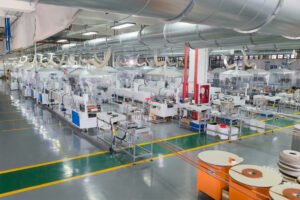
Large manufacturers have multiple extruders, big ovens, and automated lines. They buy resin in bulk. That lowers per-meter costs. They also handle large single orders without splitting. I compare a supplier’s monthly output to my peak demand and require at least a 20% buffer.
Color matching technology
Good color matching needs hardware and software. I check for spectrophotometers, IPC or color management systems, and archived recipes. I require ΔE tracking for every batch. For premium private label projects, I set ΔE ≤ 2.
Customization equipment (printing, embossing, hot stamping)
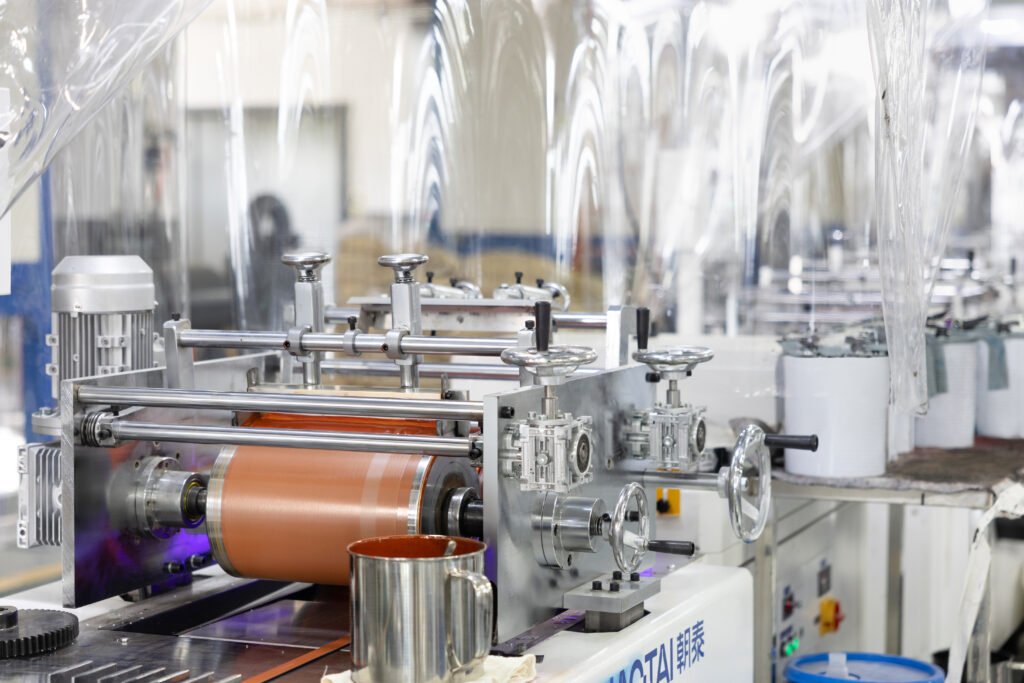
I inspect their printing presses and embossing rollers. I ask for images of tooling and examples of repeatable prints. I also confirm plate or roller ownership. If the supplier uses shared tooling, I verify cleaning protocols to avoid ghosting or contamination.
Practical checklist and table
| Factor | Impact on OEM/private label | My requirement |
|---|---|---|
| Monthly output | Scale and lead time | ≥ demand + 20% buffer |
| ΔE measurement | Visual consistency | ΔE ≤ 2 for premium |
| Printing plates | Reproducible prints | Proof of plate ownership |
| Automation level | Defect rates | Automated trimming and QC |
I always run a pilot at production speed. The pilot must show no color drift and stable adhesion for at least one week. Only then do I agree to full-scale orders.
Comparing Regional Manufacturing Hubs for OEM Edge Banding Supply?
I evaluated suppliers across regions. Each hub has pros and cons. You must match the hub to your priorities.
China offers scale and low cost. Europe offers strict compliance and closer lead times for EU buyers. Southeast Asia can balance cost and flexibility. Choose by your market and speed needs.

China: scale and speed for large runs
China hosts many large extruders and printing houses. The cost per meter is often lower for big volumes. Shipping to global markets is mature. I verify export experience and customs records.
Europe: compliance and proximity
European suppliers often have tighter environmental controls and certifications. They can be faster for EU brands. I check REACH compliance and ISO certifications.
Southeast Asia: flexible and cost-effective
Countries like Vietnam, Thailand, and Malaysia offer lower labor cost and growing capability. They suit brands looking for a middle ground between cost and quality. I check whether the factory uses imported resin or local resin, since resin origin affects color and stability.
| Region | Strengths | When to choose |
|---|---|---|
| China | Scale, cost, export maturity | Large global runs |
| Europe | Compliance, traceability | EU markets, high compliance needs |
| Southeast Asia | Cost balance, flexibility | Regional sourcing or diversified supply |
I also diversify. I keep at least two regional options for critical SKUs. This reduces geopolitical or logistics risk.
Selection Checklist to Identify the Best OEM and Private Label Manufacturer?
I use a clear checklist before I sign any agreement. The checklist stops surprises and speeds decisions.
The checklist covers quality proof, IP protection, production capacity, financial stability, and post-launch support. Use it to vet finalists.

My working checklist
- Request samples and run my production tests.
- Get ΔE reports and adhesion test results.
- Verify tooling ownership and cleaning protocols.
- Ask for monthly output logs and lead-time records.
- Confirm NDA and IP protection measures.
- Check financial stability and raw material contracts.
- Review certifications: ISO 9001, SGS tests, REACH if needed.
- Confirm on-site start-up support and technician availability.
- Include lead-time and quality KPIs in the contract.
- Set penalty and remediation terms for repeated failures.
Scoring matrix example
| Criterion | Weight | Supplier A | Supplier B |
|---|---|---|---|
| Color control | 30% | 8/10 | 9/10 |
| Adhesion & durability | 25% | 9/10 | 7/10 |
| Capacity & lead time | 20% | 8/10 | 6/10 |
| IP & service | 15% | 7/10 | 9/10 |
| Price & transparency | 10% | 7/10 | 8/10 |
| Total | 100% | 8.1 | 7.6 |
I pick the supplier with the highest weighted score. I also do a legal review of the contract. I require a pilot and a ramp schedule before I commit to long-term volume.
Conclusion
I pick OEM and private label partners by testing color, adhesion, capacity, and service. The right partner protects brand and speeds launches.
Data sources:
- Grand View Research — Polyvinyl Chloride (PVC) Market Report. https://www.grandviewresearch.com/industry-analysis/polyvinyl-chloride-pvc-market
- Future Market Insights — Global PVC Market Outlook. https://www.futuremarketinsights.com/reports/polyvinyl-chloride-market
- SGS — Polymer and Adhesive Testing Services. https://www.sgs.com/en/services/mechanical-testing
- ISO — ISO 9001 Quality Management. https://www.iso.org/standard/62085.html