
Leading paragraph
Many buyers choose edge banding suppliers by price. Later, they face color mismatch, unstable quality, and lost customers. The real cost shows up after the order is finished.
Snippet paragraph
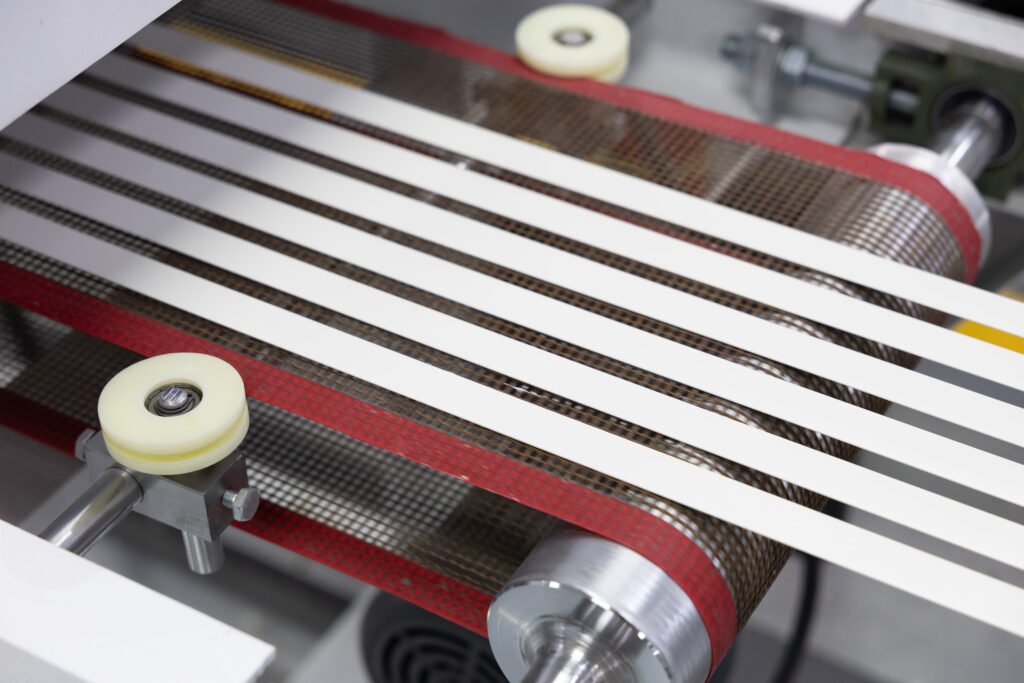
A reliable edge banding manufacturer in 2025 delivers stable color matching, consistent quality, controlled processes, and clear verification standards that reduce long-term risk for distributors and furniture makers.
Transition paragraph
I have worked with distributors, cabinet factories, and importers for years. I have seen where problems start. Reliability is not a slogan. It is a system. Below, I break down how I judge it step by step.
How Product Consistency and Color Matching Define Reliability in Edge Banding Manufacturing?
Leading paragraph
Color mismatch is not a small defect. It destroys trust. Once customers notice it, they stop believing the supplier.
Snippet paragraph
Product consistency and accurate color matching define reliability because edge banding must match boards across batches, time, and suppliers to protect finished furniture quality.

Dive deeper paragraph
I always start with one simple question. Can this manufacturer deliver the same color today, next month, and next year? Many factories can match a sample once. Very few can repeat it without deviation.
Why batch-to-batch stability matters
Furniture production is not a one-time event. Distributors reorder. Factories restock. If the color shifts even slightly, the problem appears only at installation. At that point, it is too late.
| Risk Area | What Happens | Who Pays |
|---|---|---|
| Color drift | Visible edge mismatch | Distributor |
| Gloss inconsistency | Uneven reflection | Furniture factory |
| Texture deviation | Edge looks artificial | End customer |
My experience with real complaints
I once received a claim where the board supplier was correct. The edge banding was not. The color difference was only visible under warm light. The customer rejected the full batch. The loss was far higher than the edge banding price.
What reliable manufacturers do differently
They build their own color libraries. They link edge banding colors to specific board brands. They control pigments, not just formulas. Most important, they reject unstable batches instead of shipping them.
Consistency is not about machines alone. It is about discipline.
Why Material Quality and Process Control Matter More Than Price in 2025?
Leading paragraph
Low prices look attractive. But unstable material turns small savings into large losses.
Snippet paragraph
Material quality and process control matter more than price because raw material stability directly affects durability, bonding strength, and long-term performance of edge banding.

Dive deeper paragraph
In 2025, raw materials are not equal. PVC, ABS, and PP all behave differently under heat, pressure, and time. Reliable manufacturers do not choose materials only by cost.
Material selection is a strategy
A supplier who switches resin sources often cannot control shrinkage or color stability. I always ask one question. Has your material source changed in the last year?
| Material | Key Advantage | Key Risk if Uncontrolled |
|---|---|---|
| PVC | Easy processing | Yellowing over time |
| ABS | Color stability | Brittleness if recycled |
| PP | Eco-friendly | Weak bonding if misused |
Process control is where reliability shows
Good machines help. But process control matters more. Temperature range. Cooling time. Pressure curves. These details decide whether edge banding performs well after six months.
I once visited a factory with new extrusion lines. They still had unstable output. The reason was simple. No fixed process standards. Operators adjusted settings by feeling.
Price is visible. Risk is hidden
Cheap edge banding often works in tests. It fails in real furniture. Reliable manufacturers invest in stable processes because claims cost more than materials.
How Quality Control Systems Reduce Risk for Distributors and Furniture Manufacturers?
Leading paragraph
Quality problems do not start at the customer. They start when inspection is weak.
Snippet paragraph
Quality control systems reduce risk by detecting color, size, and performance issues before shipment, protecting distributors and furniture manufacturers from downstream losses.

Dive deeper paragraph
I never trust a factory that says “we check everything” without showing how. A real quality control system is layered and documented.
Key QC checkpoints
Reliable manufacturers inspect at more than one stage.
| QC Stage | What Is Checked | Purpose |
|---|---|---|
| Incoming | Raw material | Prevent unstable base |
| In-process | Size and color | Catch drift early |
| Final | Appearance and bonding | Confirm usability |
Why documentation matters
When claims happen, documents protect both sides. Color records. Sample retention. Batch numbers. Without them, disputes turn emotional.
I once resolved a dispute in one email because we had retained samples. The customer accepted the explanation immediately.
QC as a trust signal
Distributors do not want excuses. They want predictability. A factory with strong QC can explain problems clearly. That alone reduces conflict.
Quality control is not about perfection. It is about control.
Findings from the Egger 2025 Color Matching Studies?
Leading paragraph
Many suppliers talk about color accuracy. Few back it with real data.
Snippet paragraph
The Egger 2025 color matching studies show that even small ΔE deviations impact perceived furniture quality and customer satisfaction across lighting conditions.

Dive deeper paragraph
I closely follow board manufacturers because their standards shape the market. Egger’s recent studies highlight something I have seen in practice.
Key findings that matter
Egger reports that color deviations above ΔE 1.0 are noticeable under mixed lighting. This matters for edge banding because edges reflect light differently than surfaces.
| ΔE Range | Human Perception | Market Impact |
|---|---|---|
| < 0.5 | Not noticeable | Premium match |
| 0.5–1.0 | Slight | Acceptable |
| > 1.0 | Visible | Complaint risk |
Why this changes supplier selection
Edge banding must match boards under showroom, home, and factory light. Manufacturers who rely only on visual matching fail here.
My takeaway as a manufacturer
Reliable factories invest in spectrophotometers and standardized lighting booths. They match data, not eyes. That aligns edge banding with modern board standards.
This is not theory. It is already shaping customer expectations.
How to Verify a Reliable Edge Banding Manufacturer Before Long-Term Cooperation?
Leading paragraph
Trust should never be blind. Verification saves time and money.
Snippet paragraph
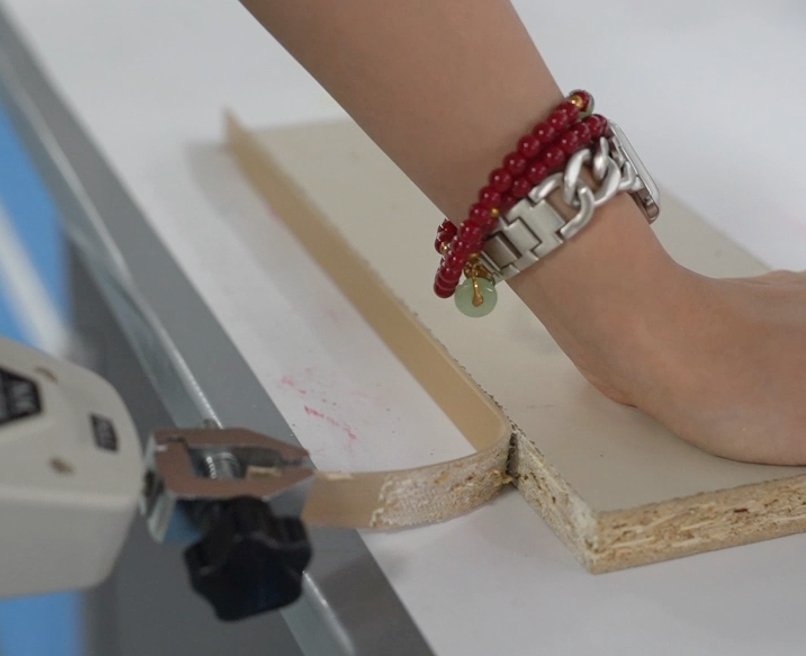
You can verify a reliable edge banding manufacturer by checking consistency records, QC systems, material sources, and their response to real technical questions.
Dive deeper paragraph
Before long-term cooperation, I suggest a simple but strict checklist.
What I always ask for
Not promises. Proof.
| Item | What to Look For | Red Flag |
|---|---|---|
| Color samples | Multiple batches | Only one batch |
| QC records | Clear logs | No documentation |
| Material source | Stable supplier | Frequent changes |
| Claim cases | Honest examples | “No problems ever” |
Test behavior, not words
Send the same order twice. Compare. Ask technical questions. See how fast and clear the answers are.
Long-term thinking
Reliable manufacturers think in years. They talk about improvement, not excuses. They accept responsibility and show systems.
Verification is not distrust. It is professionalism.
Conclusion
A reliable edge banding manufacturer in 2025 is defined by consistency, control, and verification, not by price or promises.
Data Sources and References
- Egger Group. Decor Matching and Color Consistency Research.
https://www.egger.com - ISO 9001 Quality Management Systems Overview.
https://www.iso.org/iso-9001-quality-management.html - European Furniture Manufacturers Federation (EFIC).
https://www.efic.eu - Woodworking Machinery Industry Association (WMIA).
https://www.wmia.org