

When my edge banding supplier fails to meet expectations, I face more than a purchasing problem. Poor quality, late deliveries, and rising costs can damage customer trust and reduce my profit.
I consider product quality, total cost, production capacity, delivery performance, and communication before switching to a new edge banding manufacturer. I also test samples and place a small trial order before moving regular orders to the new supplier.
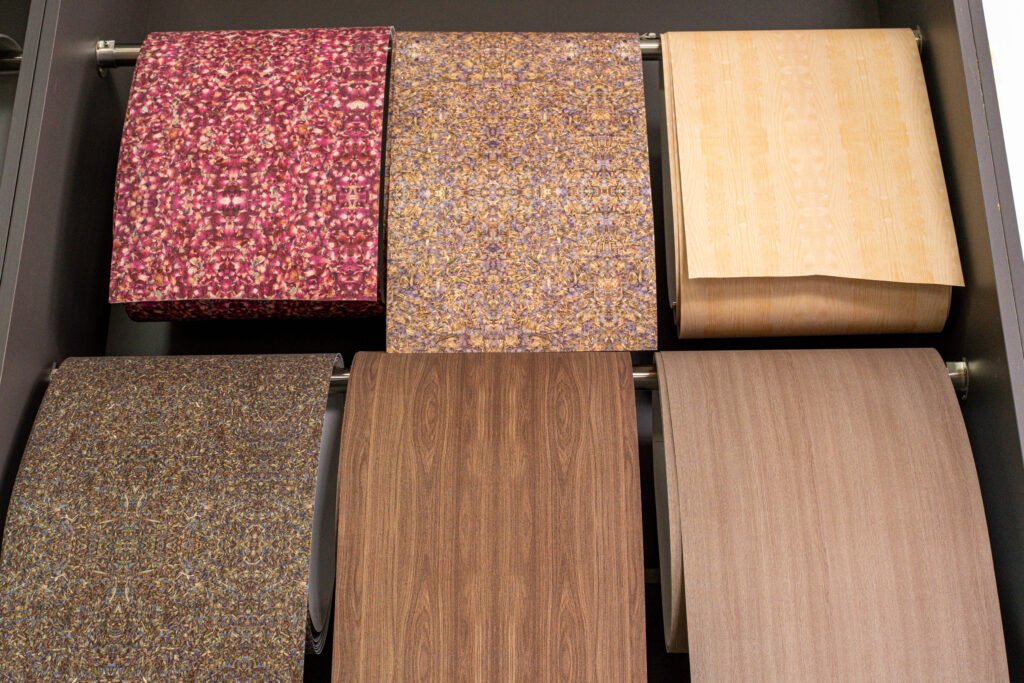
Switching suppliers may look like a simple business decision, but I know that every change can affect my inventory, customer orders, and daily operations. I need to find a manufacturer that solves my current problems without creating new ones. Here are the key points I check before making the switch.
Why Do Edge Banding Distributors Consider Switching to a New Manufacturer?
I do not change suppliers without a reason. However, when the same problems happen again and again, I need to consider whether my current manufacturer is still the right choice for my business.

I consider switching when a manufacturer cannot maintain product quality, meet delivery dates, offer fair pricing, or support my business as it grows. I also look for a new supplier when my customers need products that my current manufacturer cannot provide.
What Problems Should Make Me Reconsider My Current Supplier?
I first look at the problems that affect my customers and profits. A single late shipment may not be a reason to change suppliers. However, repeated delays can make it difficult for me to plan inventory and fulfill orders.
Quality problems are another major concern. If edge banding has inconsistent thickness, color differences, surface defects, or poor adhesion, my customers may reject the products. I may then need to handle complaints, arrange replacements, and spend more time solving problems.
I also consider whether my current supplier can support my future needs. For example, my customers may ask for new colors, different widths, or more material options. If my manufacturer cannot provide these products, I may lose sales to competitors.
How Can I Decide Whether Switching Is Worth the Risk?
I compare the cost of staying with my current supplier against the cost of changing. The purchase price is only one part of this decision.
| Problem | Possible business impact | What I look for in a new manufacturer |
|---|---|---|
| Inconsistent quality | Returns and customer complaints | Clear quality standards and inspection records |
| Late deliveries | Stock shortages and missed orders | Reliable production and delivery planning |
| High total costs | Lower profit margins | Transparent pricing and fewer quality losses |
| Limited product range | Lost sales opportunities | Flexible product options and customization |
| Poor communication | Slow problem resolution | Clear contacts and timely updates |
I also review order records, complaint history, and delivery performance before making a decision. These records help me identify whether the problems are occasional or part of a larger pattern.
I do not assume that a new manufacturer will automatically be better. I need evidence that the new supplier can solve the problems that matter most to my business.
How Can Distributors Evaluate the Quality and Consistency of a New Edge Banding Supplier?
A new manufacturer may offer attractive prices and good-looking samples, but I cannot judge long-term quality from one sample alone. I need to check whether the supplier can produce the same results across different orders.

I evaluate a new edge banding supplier by checking product specifications, testing samples, reviewing quality control procedures, and comparing production batches. I also confirm that the products work with my customers’ furniture materials and edge-banding equipment.
Which Quality Factors Should I Check First?
I begin with the specifications that directly affect product use. These include material type, thickness, width, color, surface finish, flexibility, and backing or primer requirements.
For PVC edge banding, I also check whether the material can be processed properly on the customer’s equipment. A product may look good but still cause problems during cutting, trimming, or bonding.
Color matching deserves special attention. Furniture manufacturers often need edge banding to match a specific decorative panel. Even a small difference may be noticeable when the finished furniture is installed. I therefore compare samples with the actual panels whenever possible.
I also ask how the manufacturer controls quality during production. ISO 9001 provides a recognized framework for quality management systems. According to the International Organization for Standardization (ISO), the standard addresses quality management, customer requirements, performance evaluation, and continual improvement. However, I do not treat certification alone as proof that every roll will meet my requirements. I still need product-level checks and clear acceptance criteria.
How Can I Check Consistency Between Different Orders?
I ask the manufacturer to provide samples from more than one production batch when consistency is important. I compare their color, dimensions, appearance, and processing performance under the same conditions.
I also agree on written specifications before placing an order. This helps both sides understand what counts as an acceptable product and what happens if a batch fails inspection.
| Quality factor | What I check | Why it matters |
|---|---|---|
| Thickness and width | Measurements against agreed specifications | Helps ensure proper processing |
| Color consistency | Comparison with approved samples and panels | Reduces visible differences |
| Surface finish | Scratches, marks, and other visible defects | Supports finished furniture appearance |
| Bonding performance | Compatibility with the intended adhesive and process | Reduces edge lifting and bonding problems |
| Batch consistency | Comparison between production batches | Supports repeat orders |
For larger or repeated orders, I may also use a sampling inspection plan. ISO 2859-1:2026 describes acceptance sampling procedures based on the Acceptance Quality Limit (AQL). I would agree on the applicable sampling plan and acceptance rules with the supplier rather than choose an arbitrary sample size.
My goal is not to demand perfection without a clear standard. My goal is to make quality measurable, repeatable, and suitable for my customers’ production needs.
What Should Distributors Check About Pricing, Lead Times, and Production Capacity?
A low quotation can attract my attention, but it does not tell me whether a manufacturer is the best choice. I need to understand the full cost of purchasing from the supplier and whether the supplier can deliver the products when I need them.
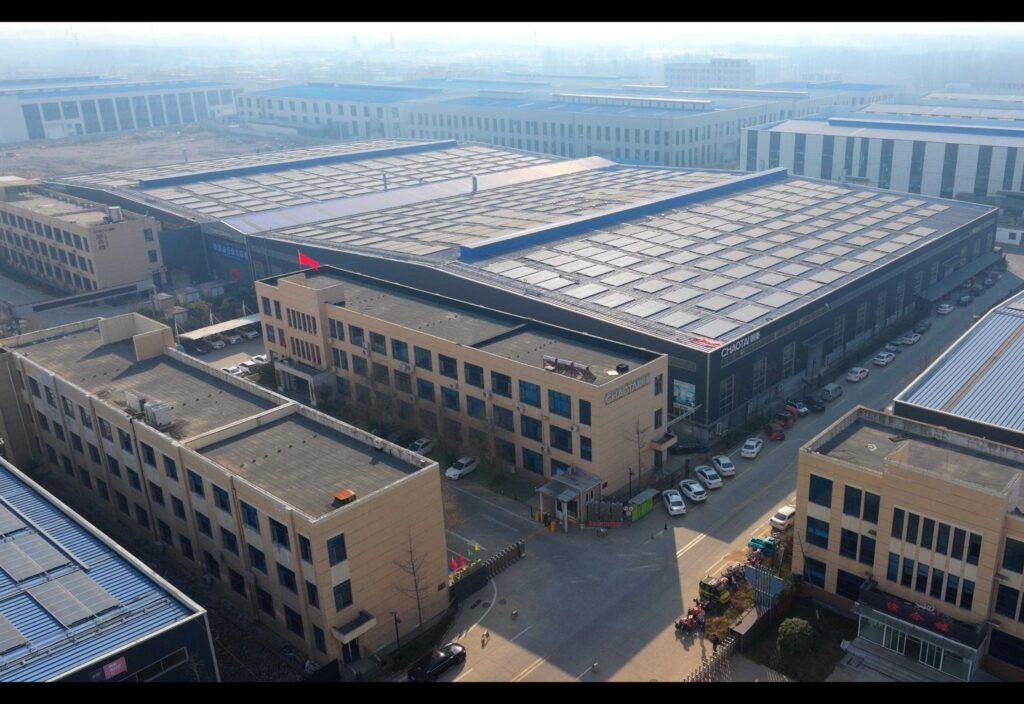
I compare the total cost of each order, the manufacturer’s actual lead time, and its ability to handle my expected demand. I also check minimum order quantities, payment terms, shipping arrangements, and the production schedule before agreeing to a new supplier.
How Should I Compare Supplier Prices?
I compare quotations based on the same specifications. If one manufacturer quotes a different thickness, material, finish, or packaging method, the prices may not be directly comparable.
I also calculate the total cost of receiving and selling the products. Depending on the order, this may include packaging, freight, duties, inspection, storage, and the cost of handling defective products.
For example, I might receive two quotations for the same type of PVC edge banding. Supplier A offers a lower unit price but has a higher shipping cost. Supplier B charges more per unit but provides more suitable packaging and more consistent quality. I need to calculate the total cost before deciding which offer gives me better value.
How Can I Verify Production Capacity and Lead Time?
I ask the manufacturer to explain its normal production schedule, current workload, and lead time for repeat orders. I also ask whether lead times change when I order custom colors, special dimensions, or large quantities.
Production capacity matters because a supplier may handle small trial orders well but struggle when demand increases. I therefore ask about available production lines, raw material availability, quality inspection, and how the manufacturer manages peak demand.
I also distinguish production lead time from total delivery time. Production may finish quickly, but packaging, dispatch, customs clearance, and transportation can still delay the shipment.
| Factor | Questions I ask | What I want to confirm |
|---|---|---|
| Unit price | Are all specifications and costs included? | A fair comparison between quotations |
| Minimum order quantity | Can I order based on actual demand? | Manageable inventory investment |
| Production lead time | How long does production normally take? | Realistic purchasing plans |
| Production capacity | Can the supplier handle larger orders? | Support for business growth |
| Delivery arrangements | Who manages shipping and related costs? | Clear delivery responsibilities |
| Payment terms | When do I need to pay? | A workable cash flow plan |
I do not rely only on promises about fast delivery or large production capacity. I check actual performance through trial orders and regular communication. A manufacturer that gives me realistic dates and meets them is more useful than one that promises a short lead time but frequently misses it.
How Can Distributors Test a New Manufacturer Without Disrupting Existing Supply?
I do not recommend moving all orders to a new edge banding manufacturer at once. Even after a supplier passes my initial checks, I still need to confirm that its products and service meet my expectations under real business conditions.

I reduce switching risks by testing samples, placing a limited trial order, checking the results, and increasing order volume step by step. I also keep enough stock or confirmed supply from my current manufacturer to protect important customer orders during the transition.
What Steps Should I Follow Before Moving Regular Orders?
I start with samples that match my actual requirements. I test the products against the specifications and processing conditions that matter to my customers. If the results are acceptable, I move to a small commercial order.
A trial order gives me more information than a sample alone. It allows me to check packaging, labeling, order accuracy, delivery time, product consistency, and the manufacturer’s response when I ask questions.
I then compare the results with my agreed requirements. If I find problems, I ask the supplier to explain the cause and provide corrective actions. I do not increase the order volume until the important issues have been resolved.
How Can I Protect Existing Customer Orders During the Switch?
I plan the transition around my current inventory and expected demand. I identify which products sell quickly, which customers have urgent orders, and which items have long replenishment times.
I may continue purchasing key products from my current manufacturer while testing the new supplier. This approach can increase short-term purchasing complexity, but it reduces the risk of running out of stock before the new supply is proven.
| Stage | Action | Decision point |
|---|---|---|
| 1. Sample testing | Check specifications, appearance, and processing | Do the samples meet requirements? |
| 2. Trial order | Place a limited order with agreed specifications | Can the supplier deliver as promised? |
| 3. Performance review | Check quality, quantity, packaging, and timing | Are the results consistent and acceptable? |
| 4. Partial transition | Move selected products or orders | Can the new supplier support regular demand? |
| 5. Volume increase | Expand orders based on performance | Is the supply stable enough for wider use? |
I also set clear rules for handling problems. I confirm who will respond to complaints, how quickly the supplier should investigate, and how defective products or missed deliveries will be handled.
I do not need to keep two manufacturers forever. However, I want enough evidence to make the change with confidence. A gradual transition helps me protect customer relationships while I learn how the new supplier performs in practice.
How Can Distributors Build a Long-Term Partnership With a New Edge Banding Manufacturer?
Finding a suitable manufacturer is only the first step. I also need to build a working relationship that supports repeat orders, product development, and changes in customer demand.
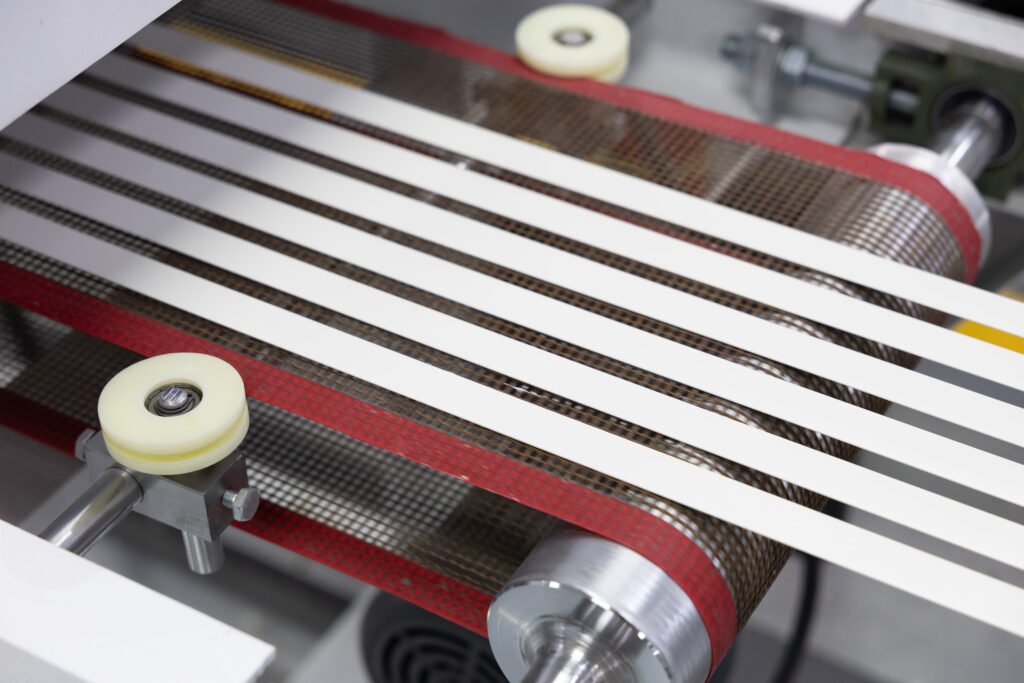
I build a long-term partnership by setting clear expectations, sharing demand information, reviewing performance, and solving problems with the manufacturer. I look for a supplier that can communicate openly and improve its service as my business develops.
How Can I Set Clear Expectations From the Beginning?
I put important requirements in writing. These include product specifications, approved samples, order quantities, lead times, packaging, payment terms, inspection rules, and procedures for handling quality issues.
I also agree on how both sides will communicate. For example, I want to know who will confirm orders, provide production updates, and contact me if a delay occurs. Clear communication helps me respond to problems before they affect my customers.
I do not expect a manufacturer to meet requirements that I have never explained. I share forecasts when possible and give the supplier enough information to plan production. In return, I expect honest updates about capacity, material availability, and delivery risks.
How Can I Measure Whether the Partnership Is Working?
I review supplier performance over time instead of judging the relationship by one successful order. I track the indicators that have the greatest effect on my business.
| Performance indicator | What I review | Why it matters |
|---|---|---|
| Product quality | Defect rates and customer complaints | Shows whether quality requirements are being met |
| On-time delivery | Orders delivered on the agreed date | Supports inventory and customer planning |
| Order accuracy | Correct quantities, specifications, and packaging | Reduces receiving and fulfillment problems |
| Communication | Response time and clarity of updates | Helps resolve problems faster |
| Product development | Ability to support new colors and specifications | Helps me respond to market needs |
I can review these indicators monthly or quarterly, depending on order volume. I use the results to discuss what is working and what needs improvement.
I also look beyond the current order price. A manufacturer may help me reduce unnecessary waste, improve product consistency, or expand my product range. These benefits can support my business over time, but I need to verify them through actual results rather than assume they will happen.
I believe a strong partnership requires responsibility from both sides. I need to provide clear orders, realistic forecasts, and timely feedback. My manufacturer needs to provide consistent products, reliable updates, and practical solutions when problems occur.
When both sides understand these responsibilities, I have a better basis for building a stable supply relationship.
Conclusion
I switch edge banding manufacturers based on evidence, not price alone. I test quality, confirm supply capacity, protect existing orders, and build trust through clear standards and proven performance.
Data Sources
- International Organization for Standardization (ISO) — ISO 9001: Quality Management Systems
https://www.iso.org/standard/9001 - International Organization for Standardization (ISO) — ISO 2859-1:2026, Sampling Procedures for Inspection by Attributes
https://www.iso.org/standard/2859-1 - National Institute of Standards and Technology (NIST) — Supply Chain Risk Management: Due Diligence Assessment Quick-Start Guide
https://csrc.nist.gov/pubs/sp/1326/final