
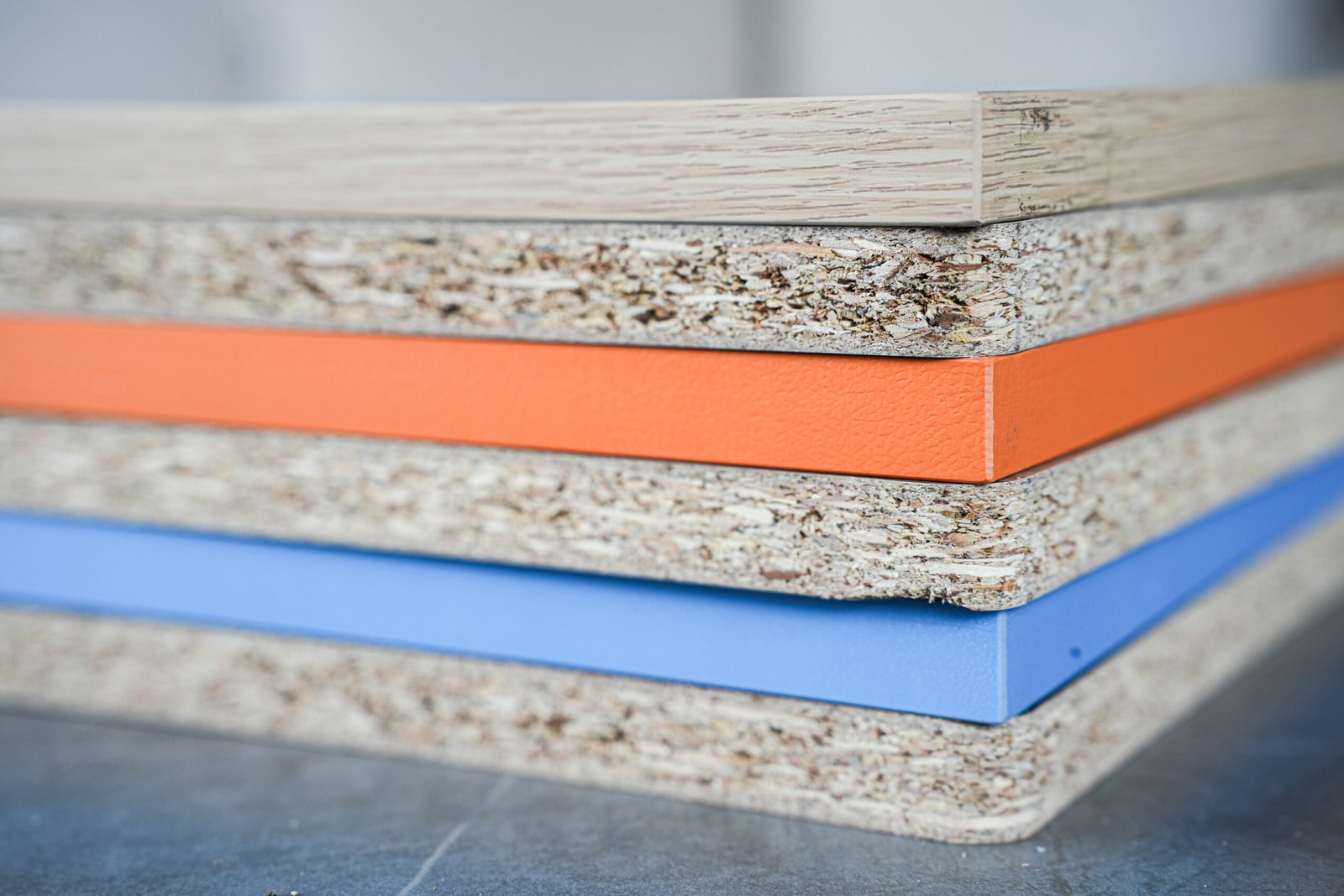
Pain: I wasted time on suppliers that could not scale.
Agitate: My orders were late and colors did not match.
Solve: A modern private label supplier fixed those problems fast.
A modern private label edge banding supplier offers reliable color matching, lab-tested quality, flexible packaging, and predictable lead times to help your brand scale.
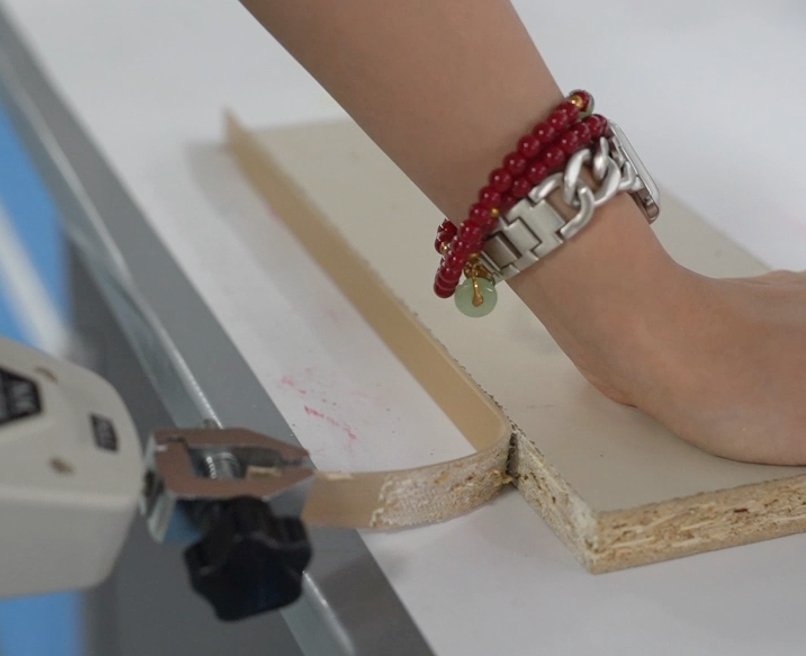
I will walk you through what “modern” really means. I will show the capabilities to expect. I will share the checks I run before I sign a partner. Read on if you want a partner who protects your brand and time.
What “Modern” Really Means in Today’s Private Label Edge Banding Industry?
Pain: I once treated every supplier the same.
Agitate: I found big differences in tech and process.
Solve: I learned to define “modern” and choose better partners.
Modern suppliers use automated lines, laser edge bonding tech, and lab-grade color matching to deliver consistent results at scale. These changes make products look premium and reduce rework.

Dive deeper: what separates modern suppliers from the rest
Modern means investment in machines and systems that reduce human error. It means precise color labs and digital color codes. It means traceable batch tests and consistent packaging. I visit factories when I can. I look for machines like laser edgebanders. These machines create near-seamless joints and cut rework. They also reduce glue dependency. That leads to cleaner products and fewer callbacks. I also check whether a supplier runs adhesion and heat tests per batch. Those tests matter. They prove the edges will stay on in real use.
Modern suppliers also use automated cutters, spoolers, and inline inspection. These systems lower defect rates and keep color consistent across long runs. They can handle small batches and scale fast. That flexibility is crucial when I test a new SKU. If a supplier only does large, clunky lots, I lose agility. Modern suppliers offer tiered MOQs and staggered shipments. I prefer partners who can do a 500–2,000 roll pilot and then scale to tens of thousands.
Finally, modern is about data. Good suppliers keep records. They give batch color codes, lab reports, and QC photos. I use those records to audit shipments quickly. If a shipment looks off, I match the code to the lab sheet. This saves time and avoids disputes. The market is investing in these capabilities as demand rises. Analysts put the global edge banding materials market in the $1.5–1.6 billion range and forecast steady growth. That trend pushes more suppliers to modernize.
The Core Capabilities Every Reliable Private Label Supplier Should Provide?
Pain: I once accepted promising samples that failed in production.
Agitate: That cost me money and reputation.
Solve: I now require a core set of capabilities before I commit.
A reliable supplier must provide color matching, material variety, QC testing, custom packaging, and clear logistics. Without these, private label risks become real.

Dive deeper: capability checklist and practical tests
- Color matching lab: Ask for the lab process. Ask for delta-e numbers or color codes. I compare sample panels to production samples. If a supplier cannot provide repeatable codes, I walk away. Color shifts kill buyer trust fast.
- Material options: Expect PVC, ABS, PET, veneer, and metal options. Different buyers need different price points and performance. I choose ABS for high-wear projects and PVC for budget lines. I also ask for eco options like PP or PET when clients want sustainability.
- QC and testing: Request adhesion, heat resistance, and humidity tests. I require batch test reports on larger orders. I sometimes hire a third-party lab for random checks. This extra step cut our return rate.
- Custom packaging: Your brand needs retail-ready packs, UPCs, and sample cards. Ask suppliers if they do printed inserts and custom cartons. Good packaging reduces listing friction for retailers.
- Logistics and paperwork: Confirm export docs, pallet specs, and 3PL options. Ask about lead times and contingency plans. I always get written lead-time SLAs.
| Capability | Why I require it |
|---|---|
| Color lab & codes | Prevents visible batch variation |
| Multiple materials | Fits different market segments |
| Adhesion + heat tests | Reduces functional failures |
| Custom retail packaging | Speeds retailer acceptance |
| Export & logistics support | Keeps shipments predictable |
I test suppliers with a staged pilot. I place a small production run. I inspect the lab reports and do a quick adhesion test. Then I ship a small pallet to a client. That pilot reveals most weaknesses. If the supplier passes, I scale orders. I prefer suppliers that are open to these tests. Transparency shows confidence.
How Advanced Color-Matching and QC Systems Protect Your Brand?
Pain: I once had customers return goods because colors did not match.
Agitate: Returns meant extra shipping and lost trust.
Solve: Color labs and QC checks fixed that problem.
Advanced color-matching systems and strict QC stop visible color drift and functional failures before they reach customers. Suppliers with labs reduce rework and complaints.
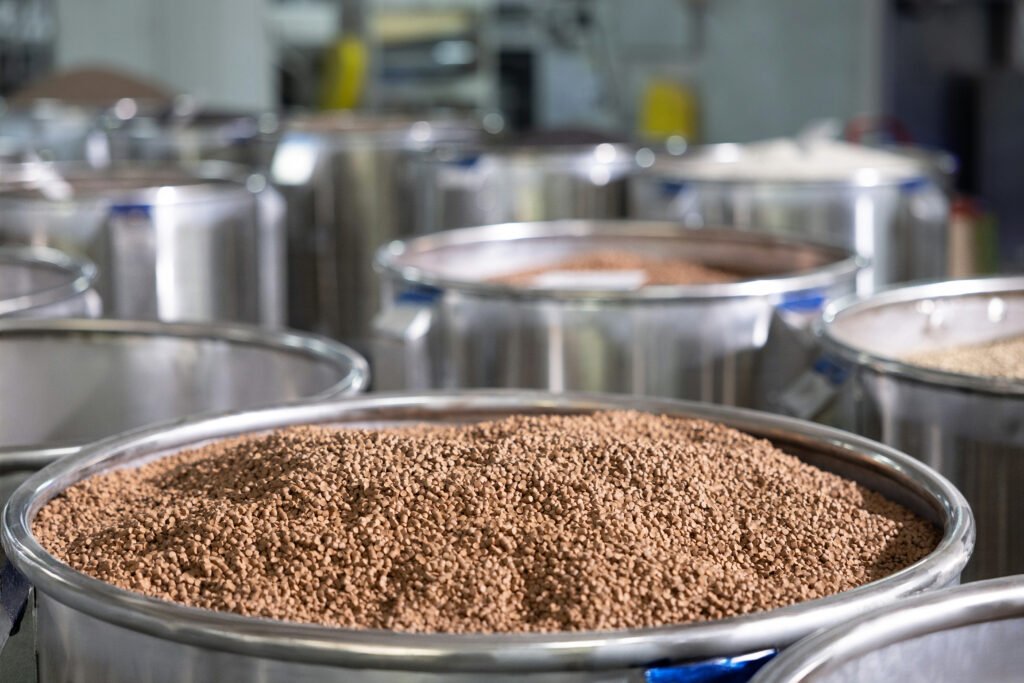
Dive deeper: how color labs and QC work in practice
Color consistency is more than “looks similar.” It is measurable. Modern labs use spectrophotometers and digital color libraries. They measure delta-E values to quantify difference. I ask suppliers for those measurements. I also ask for photos under standard lighting. This reduces “it looks different” disputes.
QC systems include inline inspection cameras and batch sampling. Inline cameras catch surface defects early. Batch sampling checks adhesion, thickness, and color. I keep a checklist for incoming shipments. I check the supplier’s QC sheets against our sample. If a report is missing or vague, I ask for an independent lab test.
Here are the tests I run or request:
| Test | Why it matters |
|---|---|
| Delta-E color report | Objective color match metric |
| Adhesion test | Ensures edge stays on panel |
| Heat resistance test | Prevents softening in hot climates |
| Thickness & tolerance check | Fits standard cutters and machines |
| Visual surface inspection | No pits, bubbles, or emboss errors |
I also track supplier performance over time. I log non-conformances and the supplier’s fix rate. A modern supplier reduces failures month over month. That trend shows they learn and improve. When they do, I feel confident to expand SKUs and push the product to new buyers.
What Modern Packaging and Branding Support Looks Like for Distributors?
Pain: My product looked cheap on retail shelves.
Agitate: Buyers equated low price with low quality.
Solve: Branded packs and sample kits changed perceptions fast.
Modern packaging is retail-ready, carries your logo, barcode, and a sample card. It should help sales reps and make reorders simple.

Dive deeper: packaging elements that drive sales
Packaging is a sales tool. Good packaging reduces friction in listing and restocking. It also raises perceived value. I ask suppliers to print my logo, SKU, and UPC on every retail pack. I also request a small color chart and a sample card in each carton for installers and designers.
Key packaging elements I require:
- Retail-ready cartons with printed brand and SKU.
- UPC and barcode on each pack for easy scanning.
- Sample cards for reps and showroom use.
- Protection to avoid damage in transit.
- Marketing inserts with product care and matching tips.
I also use packaging to tell a story. A short product card that states “lab-matched color code X” helps installers trust the product. That small line reduced our return rate on one SKU by noticeable amounts. Suppliers who help design inserts and sample packs add real value. They become partners, not vendors.
Key Service Standards You Should Expect Before Signing a Private Label Partnership?
Pain: I once signed a contract with vague terms.
Agitate: Delivery missed dates and penalties were unclear.
Solve: I now require clear service standards and SLAs.
Expect documented lead times, MOQ tiers, inspection windows, warranty terms, and clear pricing. If a supplier resists putting this in writing, I pause.
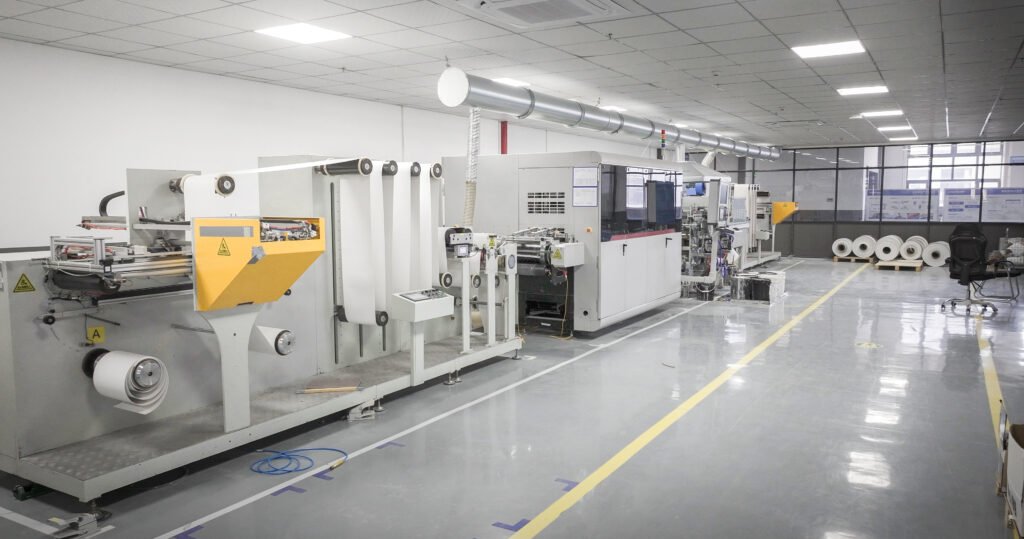
Dive deeper: minimum contract terms and checklist
Before I sign, I get these written promises:
- Lead time SLA: Start-to-ship and total lead time in calendar days.
- MOQ tiers: Pilot, regular, and scale order levels.
- Acceptance testing: Inspection window and rejection criteria.
- Warranty & recall terms: Who pays if a large batch fails.
- Price schedule: Unit price changes by raw material swings and volumes.
- IP & branding: Who owns the artwork and labels.
- Communication plan: Contact points and response times.
| Contract term | My minimum requirement |
|---|---|
| Lead time SLA | Confirmed in days, with penalties |
| MOQ | Pilot-friendly 500–2,000 rolls |
| Inspection window | 5–10 days after arrival |
| Warranty | Clear recall and remedy steps |
| Price change policy | Transparent formula tied to raw materials |
I also ask for references. I call other distributors. I ask how the supplier handled spikes and disputes. Good references reduce the risk. I prefer partners who accept small pilots with clear reporting. That process proves capability before I scale.
Conclusion
Expect modern labs, repeatable QC, flexible packaging, clear SLAs, and partners who grow with you.
Data sources and links
- IMARC Group — Edge Banding Materials Market Size, Share Report 2025–33. (IMARC Group)
https://www.imarcgroup.com/edge-banding-materials-market - PLMA / Circana — Private Label Sales Rose to Record $271 Billion (2024 report). (PLMA)
https://www.plma.com/article/private-label-sales-rose-39-2024-record-271-billion - Holdmac — Revolutionizing Furniture Manufacturing with Laser Edge Banding. (Holdmac)
https://www.holdmac.com/a-revolutionizing-furniture-manufacturing-with-laser-edge-banding-equipment.html
https://edgebandct.com/global-edge-banding-market-size-and-forecast-2025-2032/ - EdgeCo / B-Trust — Examples of suppliers offering color-matching and custom edge banding services. (EdgeCoin)
https://edgecoinc.com/
https://www.btrustpvc.com/pvc-edge-banding/