

Many buyers chase lower prices but still lose margin. I have seen cheap deals turn into expensive mistakes.
I negotiate better wholesale PVC edge banding pricing by understanding cost structure, using long-term planning as leverage, optimizing controllable costs, and avoiding hidden quality risks instead of pushing price blindly.
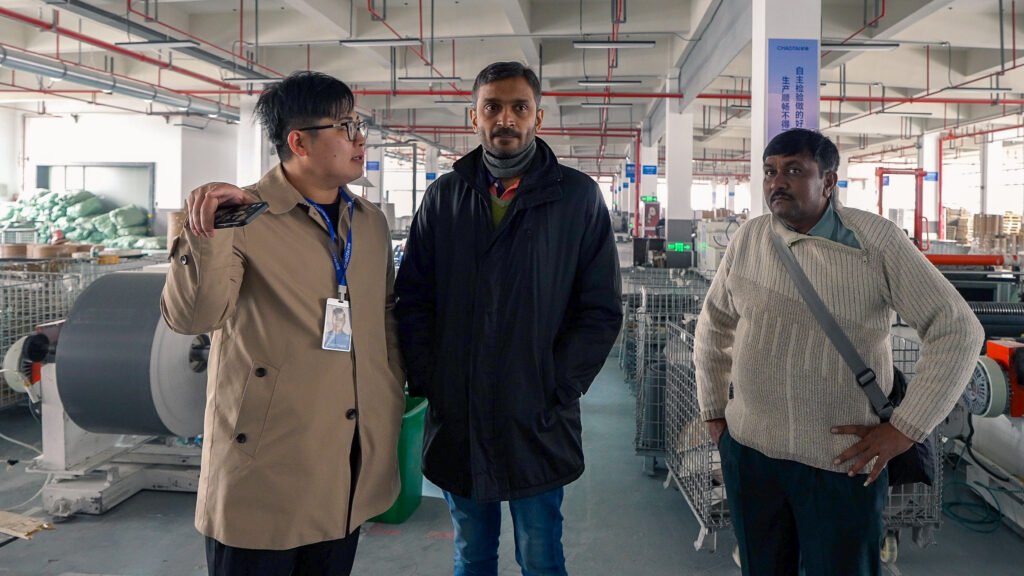
I do not treat negotiation as a battle. I treat negotiation as a cost control strategy. When I talk with factories, I focus on structure, data, and long-term value. In this article, I explain how I approach factory pricing and how I protect my profit while keeping quality stable.
What Factors Actually Determine Wholesale PVC Edge Banding Pricing?
Many buyers ask for the lowest price without understanding what creates the price. That approach limits negotiation power.
Wholesale PVC edge banding pricing depends on raw material cost, thickness and width specifications, surface treatment, order volume, production efficiency, packaging method, and market conditions such as resin price fluctuations.

Raw Material Cost Structure
PVC resin is the core cost component. According to Statista, global PVC prices fluctuate due to oil prices, energy cost, and supply chain conditions.
Source: Statista – Polyvinyl Chloride Market Data
When resin prices rise, factories adjust quotes. If I do not track resin trends, I cannot judge whether a price increase is reasonable.
Specification Impact
Thickness and width directly affect material consumption. A 0.8mm thickness uses less material than 1mm. Small changes in thickness create measurable cost differences.
Surface finish also matters. High gloss, embossed texture, or special coating increases processing time.
Production Efficiency
Factories with automated lines reduce labor cost per meter. According to McKinsey, operational efficiency strongly influences manufacturing margin performance.
Source: McKinsey – Manufacturing Productivity Insights
Pricing Factors Overview
| Cost Factor | Impact on Price | Negotiation Strategy |
|---|---|---|
| PVC Resin | High | Track market trends |
| Thickness | Direct material use | Optimize spec if possible |
| Surface Finish | Processing cost | Simplify if not required |
| Order Size | Setup efficiency | Combine SKUs |
| Packaging | Handling cost | Adjust packaging method |
When I understand these variables, I negotiate with logic, not emotion.
Why Order Volume Alone Is Not Enough to Secure Lower Factory Prices?
Many buyers believe larger orders always mean lower prices. That belief is incomplete.
Order volume helps reduce per-unit cost, but factories also consider payment terms, forecast stability, production planning efficiency, and long-term cooperation reliability before offering better pricing.

Volume vs Predictability
A one-time large order creates temporary benefit. A predictable annual plan creates stable efficiency.
According to Deloitte, stable demand forecasting improves supply chain cost efficiency and reduces inventory risk.
Source: Deloitte – Supply Chain and Operations Insights
Factories prefer stable clients because stable clients reduce planning risk.
Payment Terms Influence
Cash flow matters for manufacturers. Faster payment reduces financial pressure. Dun & Bradstreet reports that supplier financial health affects pricing flexibility and risk assessment.
Source: Dun & Bradstreet – Supply Chain Risk
If I offer shorter payment terms, I often gain better unit pricing.
Risk Perception
Factories calculate risk. If they see inconsistent ordering patterns, they protect themselves with higher margins.
| Negotiation Factor | Factory View | My Strategy |
|---|---|---|
| Large one-time order | Temporary benefit | Ask for moderate discount |
| Annual contract | Stable income | Request structured pricing |
| Fast payment | Low financial risk | Negotiate stronger |
| Long cooperation | Reduced uncertainty | Seek price protection |
I focus on becoming a low-risk customer. That approach increases my bargaining power.
How to Use Long-Term Purchase Planning as a Negotiation Advantage?
Short-term thinking weakens leverage. Long-term planning builds authority.
I use long-term purchase planning by presenting annual forecasts, committing to structured volume targets, and negotiating framework agreements that balance price stability with raw material fluctuation clauses.

Annual Forecast Presentation
When I show estimated yearly demand, factories adjust production scheduling. Stable scheduling lowers setup costs.
According to Harvard Business Review, long-term partnerships reduce transaction costs and improve operational efficiency.
Source: Harvard Business Review
Framework Agreements
I negotiate price review mechanisms linked to resin index trends. This approach protects both sides from extreme market swings.
Strategic Leverage Table
| Planning Tool | Benefit for Factory | Benefit for Me |
|---|---|---|
| Annual forecast | Predictable production | Lower base price |
| Rolling order plan | Reduced idle time | Priority allocation |
| Resin-linked clause | Risk sharing | Price transparency |
| Volume milestone | Growth incentive | Tiered discount |
I once secured a 5% price improvement by committing to quarterly minimum volumes. The factory valued predictability more than volume alone.
What Cost Components Can Be Optimized Without Sacrificing Quality?
Some buyers cut resin quality to reduce cost. I never do that. I optimize controllable areas instead.
I optimize packaging, logistics planning, production scheduling flexibility, and specification rationalization to reduce cost without lowering raw material grade or product performance.

Packaging and Logistics
Export packaging adds cost. If sea freight conditions allow bulk packing instead of individual cartons, cost decreases.
World Bank logistics performance data shows transport and logistics efficiency directly affects total landed cost.
Source: World Bank – Logistics Performance Index
SKU Consolidation
Too many small specifications increase setup frequency. If I consolidate similar SKUs, factories improve efficiency.
Optimization Overview
| Component | Risk Level | Cost Reduction Potential |
|---|---|---|
| Resin grade | High risk | Not recommended |
| Thickness tolerance | Medium | Evaluate carefully |
| Packaging style | Low | Good opportunity |
| Delivery schedule | Low | Flexible negotiation |
| MOQ structure | Low | Combine orders |
I never trade quality for short-term savings. I trade complexity for efficiency.
How to Avoid Hidden Costs When Negotiating with PVC Edge Banding Manufacturers?
Low price sometimes hides bigger risk. I always verify before I celebrate a discount.
I avoid hidden costs by checking thickness tolerance, resin grade confirmation, color stability standards, written specifications, and contract clarity on quality claims and compensation terms.
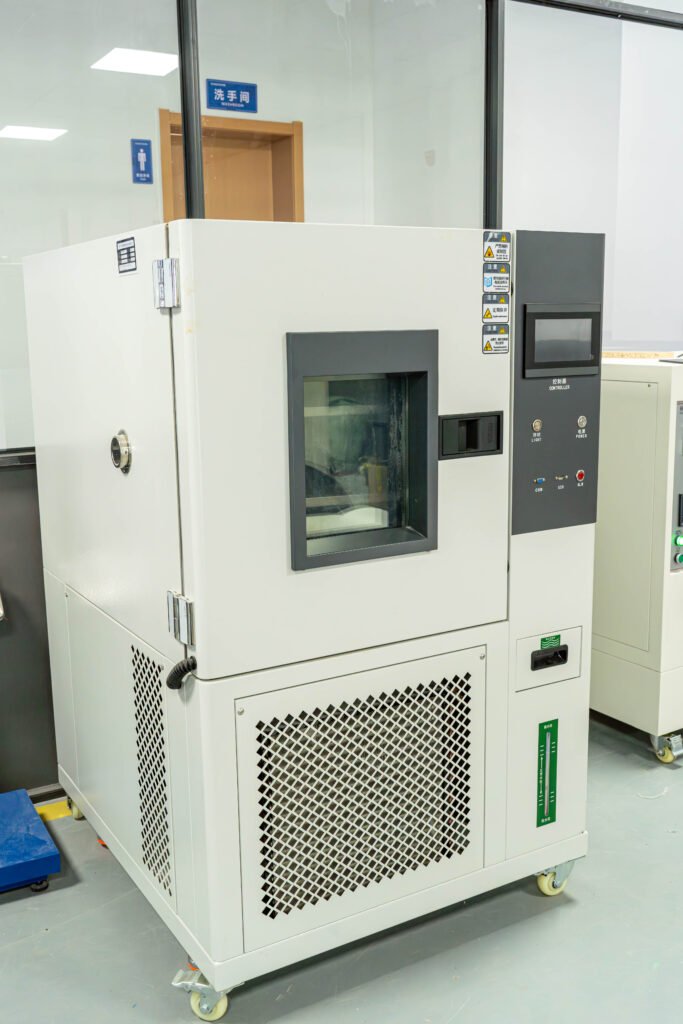
Thickness Manipulation Risk
A factory may reduce actual thickness slightly to lower material cost. The difference may look small but affects performance.
Raw Material Substitution
If resin grade changes, flexibility and durability drop. I request material data sheets when needed.
Contract and Documentation
ISO 9001 emphasizes documented quality processes and traceability as critical to risk control.
Source: ISO – ISO 9001
Hidden Cost Risk Table
| Hidden Risk | How It Appears | Prevention Method |
|---|---|---|
| Reduced thickness | Slight spec deviation | Third-party testing |
| Lower resin quality | Performance drop | Confirm raw material source |
| Color inconsistency | Batch variation | Define ΔE standard |
| Delivery delay | Loose contract terms | Written penalty clause |
I believe real negotiation is risk management. I protect margin by controlling variables, not by chasing extreme discounts.
Conclusion
I negotiate better factory pricing by understanding cost drivers, building long-term leverage, optimizing controllable costs, and eliminating hidden risks instead of forcing unsustainable discounts.
Data Sources
- Statista – Polyvinyl Chloride (PVC) Market Data
https://www.statista.com/topics/5343/polyvinyl-chloride-pvc/ - McKinsey & Company – Manufacturing Productivity Insights
https://www.mckinsey.com/ - Deloitte – Supply Chain and Operations Research
https://www2.deloitte.com/ - Dun & Bradstreet – Supply Chain Risk Resources
https://www.dnb.com/ - Harvard Business Review – Long-Term Business Relationships
https://hbr.org/ - World Bank – Logistics Performance Index
https://lpi.worldbank.org/ - ISO – ISO 9001 Quality Management Systems
https://www.iso.org/iso-9001-quality-management.html