
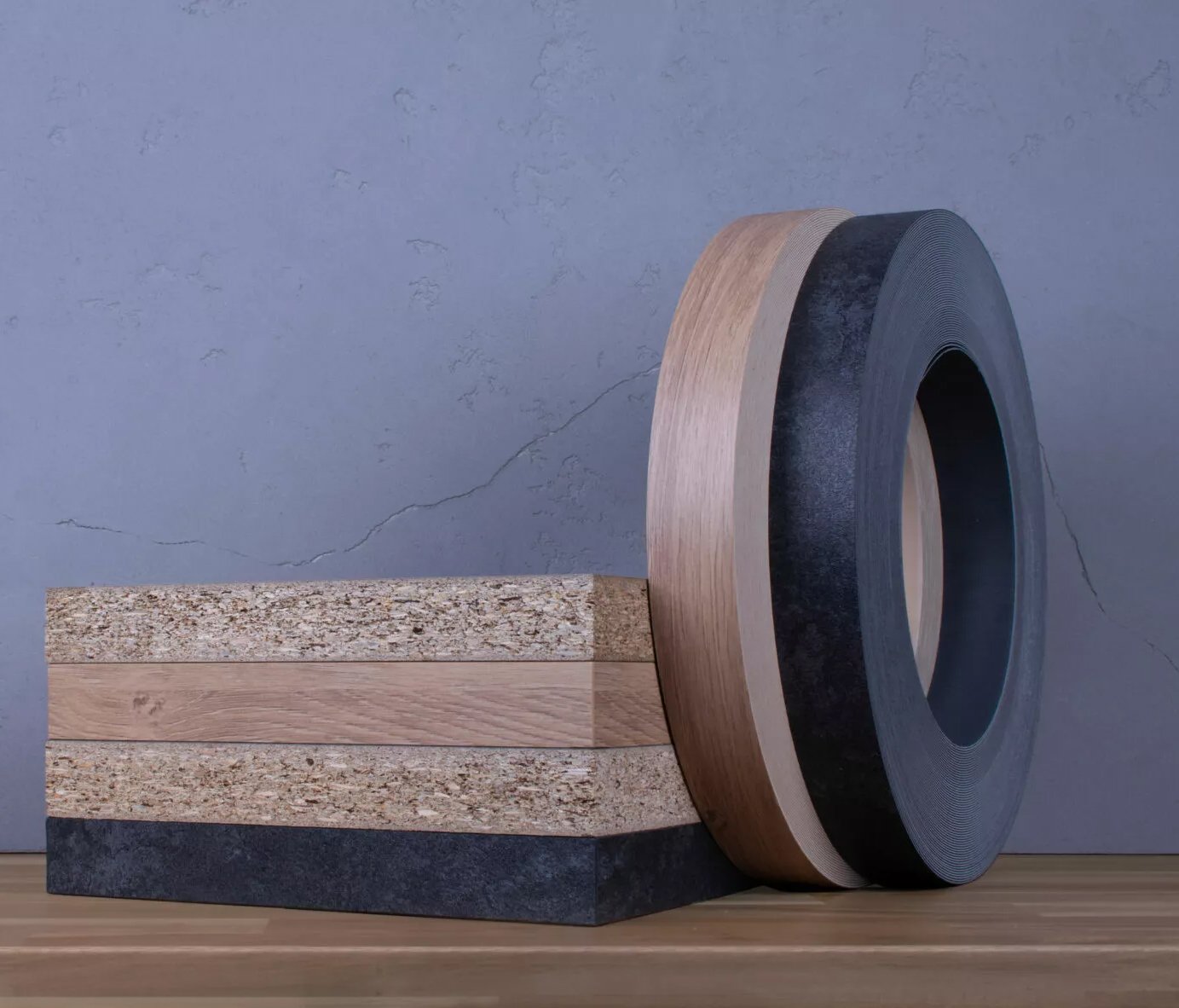
Problem: Importing cheap edge banding can cost you more than the material.
Agitate: Hidden fees, bad batches, and slow shipments cut margin and waste time.
Solve: I show what to check, how to price, and how to avoid common traps.
Short answer: Distributors must vet factories, understand specs, calculate landed cost, insist on QC, and plan lead times to protect margin and reputation.
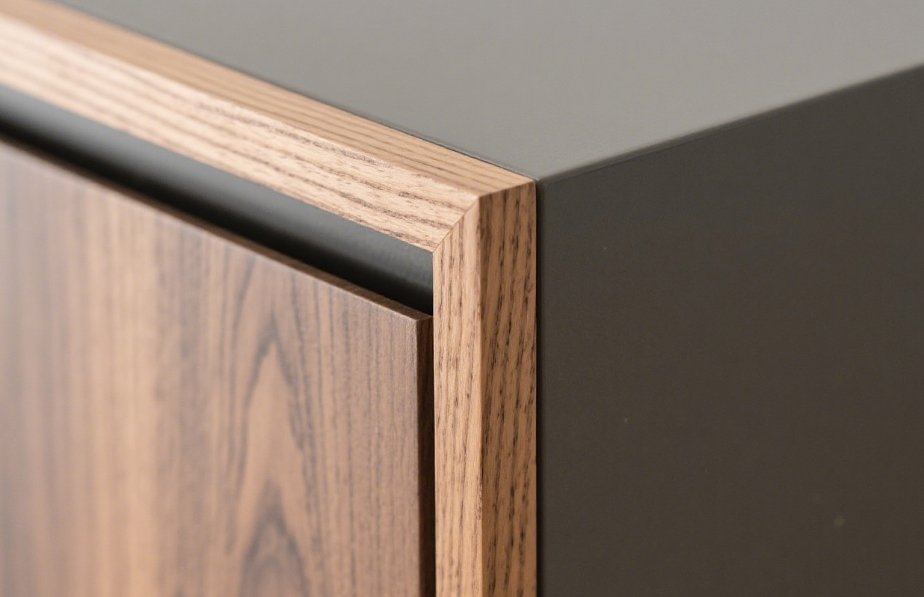
I want you to keep reading. The next sections give practical checks and simple steps. You can use them before your first import.
How to Evaluate a PVC Edge Banding Factory Before Placing Your First Order?
Problem: Many factories look fine online but fail in production.
Agitate: A bad supplier causes rework, delays, and claims.
Solve: I share a checklist to avoid that risk.
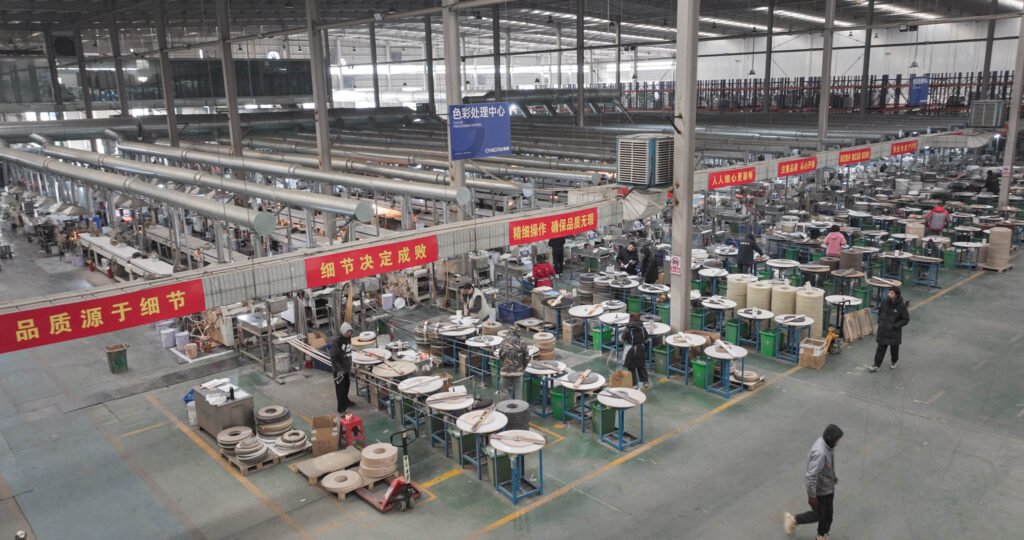
Short answer: Check factory capacity, quality system, sample policy, lead times, MOQ, and testing. Ask for photos, QC records, and third-party test reports. Many factories quote 15–20 day lead times for bulk orders; confirm this in writing.
Dive deeper
I start by saying what I always check first. I do this on every new supplier. I do not trust a single email or a low price.
1) Factory capacity and equipment
I ask for photos of production lines. I ask for the number of extrusion lines and trimming machines. I want to know daily output in meters. If they cannot provide basic numbers, I worry.
2) Quality system and test data
I ask if they run adhesion tests and thickness checks. I ask for reports or data sheets. Good factories show adhesive peel tests, thickness tolerances, and raw material specs. Trusted test methods include ASTM and EN standards for peel and thickness. Ask for sample certificates or lab reports.
3) Samples and sample policy
I always request a physical sample. I refuse to accept color matches from photos only. Photos lie because light and camera change color. A reliable factory offers sample rolls and states sample lead time. Many list sample times of 3–5 days and bulk lead times of 15–20 days. Get this on record.
4) MOQ and pricing tiers
I ask for FOB price at several MOQ levels. I compare price per meter across MOQs. Lower MOQ often means higher unit cost because setup and shipping per meter rise. I use this to model landed cost later.
5) References and third-party checks
I ask for references of current buyers in my region. I also plan a third-party pre-shipment inspection for the first 2–3 orders. It costs money. It saves far more in avoided rework.
6) Commercial terms and lead time commitments
I push for clear Incoterms and lead-time SLAs. I confirm deposit terms and payment methods. I also check if they can do partial shipments to reduce my inventory risk.
If you use this checklist, you lower the chance of a surprise. I learned this after a bad batch cost me 2 days of line downtime. The right checks are cheap compared to the cost of a faulty shipment.
What Specifications Matter Most When Buying PVC Edge Banding in Bulk?
Problem: Raw specs look similar but performance varies.
Agitate: Wrong thickness, bad adhesion, or wrong embossing ruins finished furniture.
Solve: I list the key specs and why they matter.
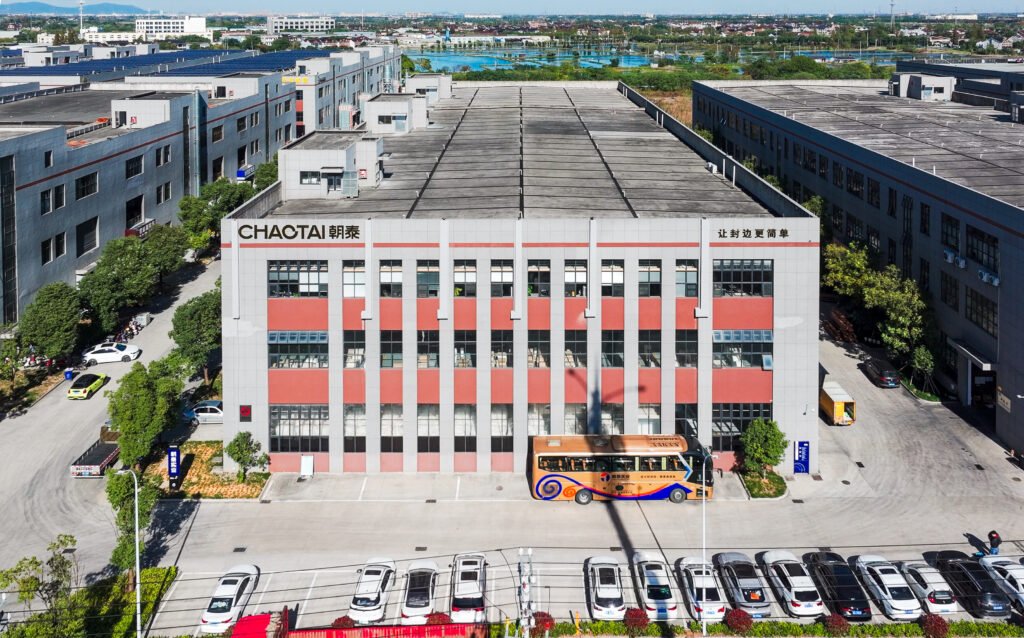
Short answer: Focus on thickness tolerance, adhesive type and peel strength, color & emboss match, heat/UV resistance, and roll/pack dimensions. Verify each with data or tests.
Dive deeper
I break specs into measurable items. I want facts I can test or ask a lab to verify.
Thickness and tolerance
Thickness affects glue use and final fit. Ask for the nominal thickness and tolerance (for example ±0.05 mm). Thinner or thicker strips change glue spread and machine setup. I always request thickness profile records during production runs.
Adhesive type and peel strength
Adhesive matters most for installation speed and long-term hold. You should ask for adhesion test figures (e.g., 180° or 90° peel test values). Trusted suppliers reference ASTM D3330 or ASTM D903 style tests for peel. Ask for test results on countertop laminate or typical substrate.
Color match and embossing
A good color match needs a physical standard sample or a measured code. Photos are not enough. For wood grain or matt finishes, ask for the embossing sample and request that the factory lock the die or pattern for repeat runs.
Heat and UV resistance
For kitchen and bathroom furniture, heat and UV can cause whitening or warping. Ask for accelerated aging or heat resistance data where relevant.
Roll size, packaging, and labeling
Confirm meters per roll, inner core size, and how rolls are packed. Packaging prevents damage in transit. Ask for carton weight and palletization scheme. These affect freight cost and customs handling.
Table — Key spec checklist
| Spec | What to request | Why it matters |
|---|---|---|
| Thickness & tolerance | Nominal value + tolerance report | Machine setup and glue use |
| Adhesion | Peel test value, method | Prevents delamination |
| Color & emboss | Physical sample + die lock | Consistent aesthetics |
| Heat/UV data | Aging or stability test | Long-term performance |
| Packaging | Roll meters, pallet plan | Shipping cost and damage risk |
I use this table for every RFQ. I list the must-have reports. If a factory cannot provide them, I mark them lower in my shortlist.
How to Calculate the True Landed Cost of Imported PVC Edge Banding?
Problem: Many buyers price on FOB only. They forget duties, freight, and fees.
Agitate: Missing costs shrink margin and lead to wrong bids.
Solve: I show the landed cost formula and an example.
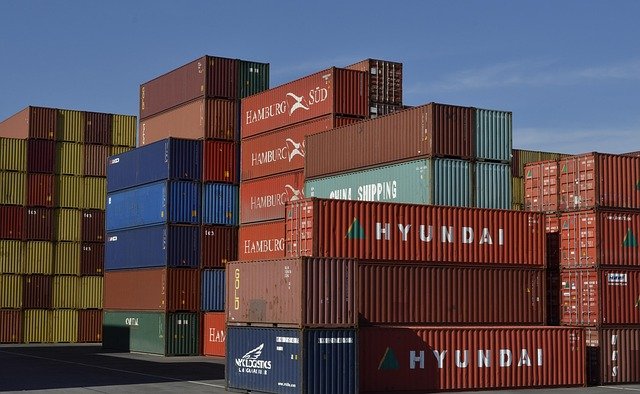
Short answer: Landed cost = product price + shipping + customs duties & taxes + insurance + inland handling + fees. Use a per-meter view to compare suppliers.
Dive deeper
I always calculate landed cost per meter before I accept a quote. I use the same steps every time. This helps me compare suppliers fairly.
Components to include
- Product cost (FOB or EXW). Use the quoted unit price at the MOQ you plan to buy.
- International freight. Ask forwarders for FCL or LCL quotes. Freight per meter drops sharply with full containers.
- Insurance. Insure at invoice value plus freight and margin for loss or damage.
- Customs duties & VAT. Check HS code for PVC edge banding and local duty rates. Duties differ by country.
- Inland handling. Port handling, terminal fees, and last-mile trucking.
- Customs clearance & agent fees. Brokers charge for paperwork and release.
- Quality inspection & returns risk. Add cost of inspection and a reserve for rework or returns.
Example (rounded numbers for clarity)
- FOB price: $0.03 / m
- Order: 100,000 m (1 x 40′ FCL) → product cost $3,000
- Ocean freight (FCL) allocated: $800 → $0.008 / m.
- Insurance & misc: $0.002 / m
- Duties & VAT: 5% duty on $3,000 = $150 → $0.0015 / m; VAT depends on country and is recoverable for many B2B.
- Inland & handling: $0.01 / m
Total landed ≈ $0.052 / m
You must run your own numbers. Freight and duties change. I always request freight quotes for FCL and LCL. Full containers reduce per-meter freight. Many suppliers show MOQ and lead times. Compare those details before you calculate landed cost.
How to Prevent Common Quality Problems in Bulk PVC Edge Banding Imports?
Problem: Quality problems appear after installation.
Agitate: Rework and warranty claims cost far more than a small quality premium.
Solve: I give a QC plan you can use on every order.

Short answer: Use pre-production samples, in-line checks, and pre-shipment inspection. Verify adhesive, thickness, color, and packaging. Consider third-party lab tests for critical projects.
Dive deeper
I treat quality as a process. I plan checks before, during, and after production.
Pre-production
- Approve a sealed sample batch. This is the standard for color and emboss.
- Confirm masterbatch formulas. Ask the factory to lock formulas for repeat runs.
During production
- Request hourly or shift photos of extrusion and cutting.
- Ask for thickness logs and adhesive application records.
- For large runs, schedule a mid-run check.
Pre-shipment
- Hire a third-party inspector to run random checks. They test peel, thickness, and visual match. They also check packaging and counts. This reduces claims at arrival.
Lab testing
- For big projects, request lab tests for peel strength, heat resistance, and accelerated aging. Use ASTM or EN test methods where possible. These tests prove performance and protect you from claims.
Handling rejects
- Define acceptance criteria in the contract.
- Set up a rework or replacement agreement with timelines.
- Keep a reserve to cover the cost of small defects until the supplier proves consistency.
I learned to budget for QC. The cost is small compared to a line stop. I pay for inspection and lab tests on the first three orders. After that, I reduce the inspection level if the supplier performs.
Conclusion
I test factories, verify specs, calculate landed cost, enforce QC, and plan lead times. These steps save money and protect my reputation.
Data sources and links
- Alibaba product and supplier pages showing lead times and MOQ examples. (Alibaba)
https://www.alibaba.com/ (search: PVC edge banding lead time) - DHL — Landed cost meaning and calculation. (DHL)
https://www.dhl.com/discover/en-global/logistics-advice/essential-guides/landed-cost-meaning-formula-calculation - Vendavo — Distributor markup guidance. (Vendavo)
https://www.vendavo.com/pricing/distributor-supplier-markups-explained/ - ASTM / 3M adhesive datasheet references for peel tests and thickness standards. (3M Multimedia)
https://www.3m.com/ - Edge bonding handbook and technical guides (industry best practices). (Plastivar)
https://plastivar.com/wp-content/uploads/2022/04/edge_bonding_manual.pdf